
Tagaytay City Hall
TAGAYTAY CITY HALL
Wta Architecture And Design Studio
ARCHITECTS
Wta Architecture And Design Studio
STRUCTURAL ENGINEERING
B. Cabebe Engineering & Consulting Services
COMPLEMENTARY WORKS
Uriela Gaño, Gianne Peralta
ELECTRICAL ENGINEERING
WTA Architecture and Design Studio
MECHANICAL ENGINEERING
WTA Architecture and Design Studio
PLUMBING/SANITARY ENGINEERING
Wta Architecture And Design Studio
PROJECT LEAD, DESIGN, TECHNICAL DOCUMENTS, COORDINATION, AND MANAGEMENT
Arvin Pangilinan
LIGHTING CONSULTANT/SUPPLIER
Visual Mastery
ELECTRONICS ENGINEERING
Wta Architecture And Design Studio
CONSTRUCTION
Devex Inc.
PHOTOGRAPHS
Arvin Pangilinan, Uriela Gaño & Gianne Peralta
AREA
8451 m²
YEAR
2025
LOCATION
Tagaytay City, Philippines
CATEGORY
Municipal Building
English description provided by the architects.
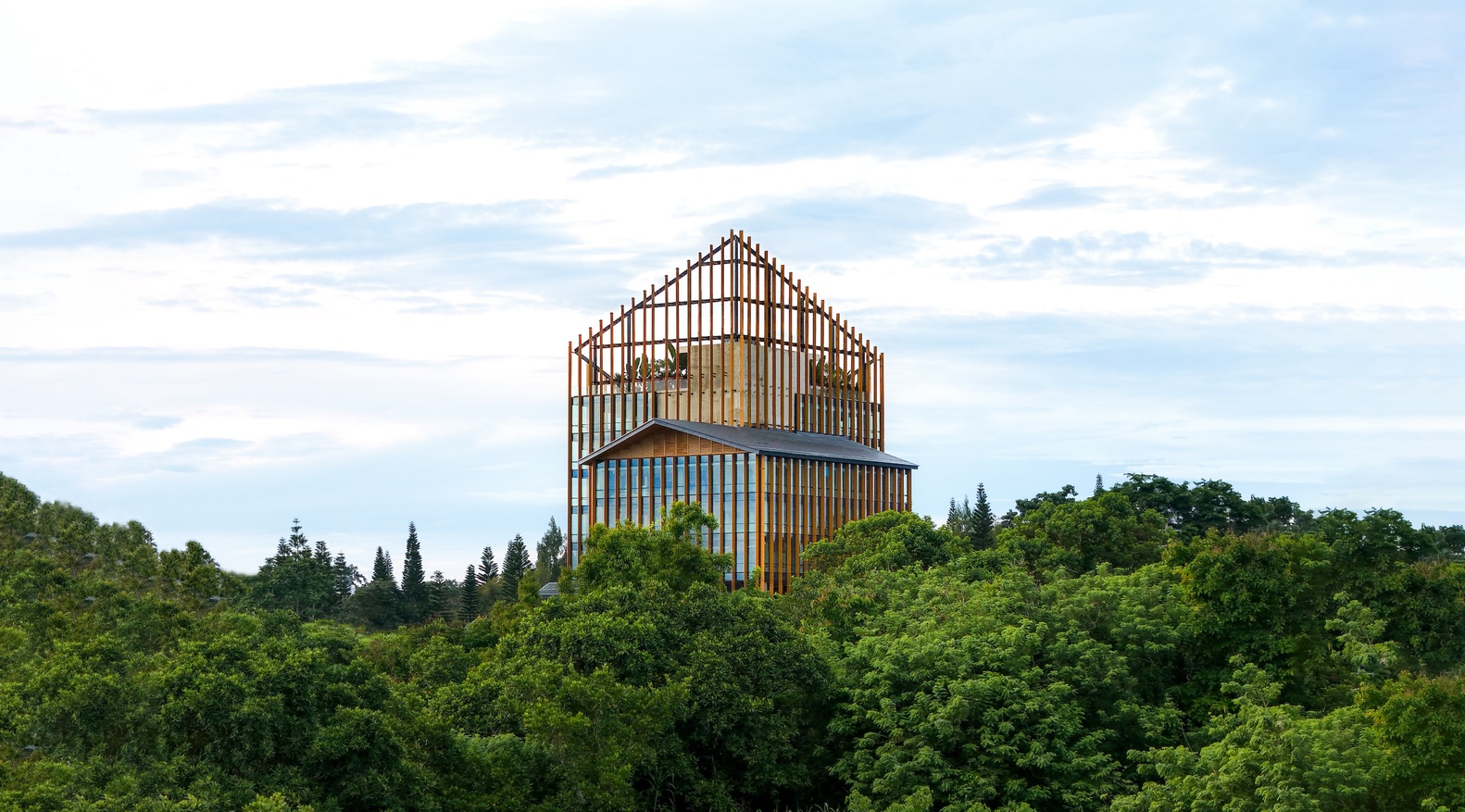
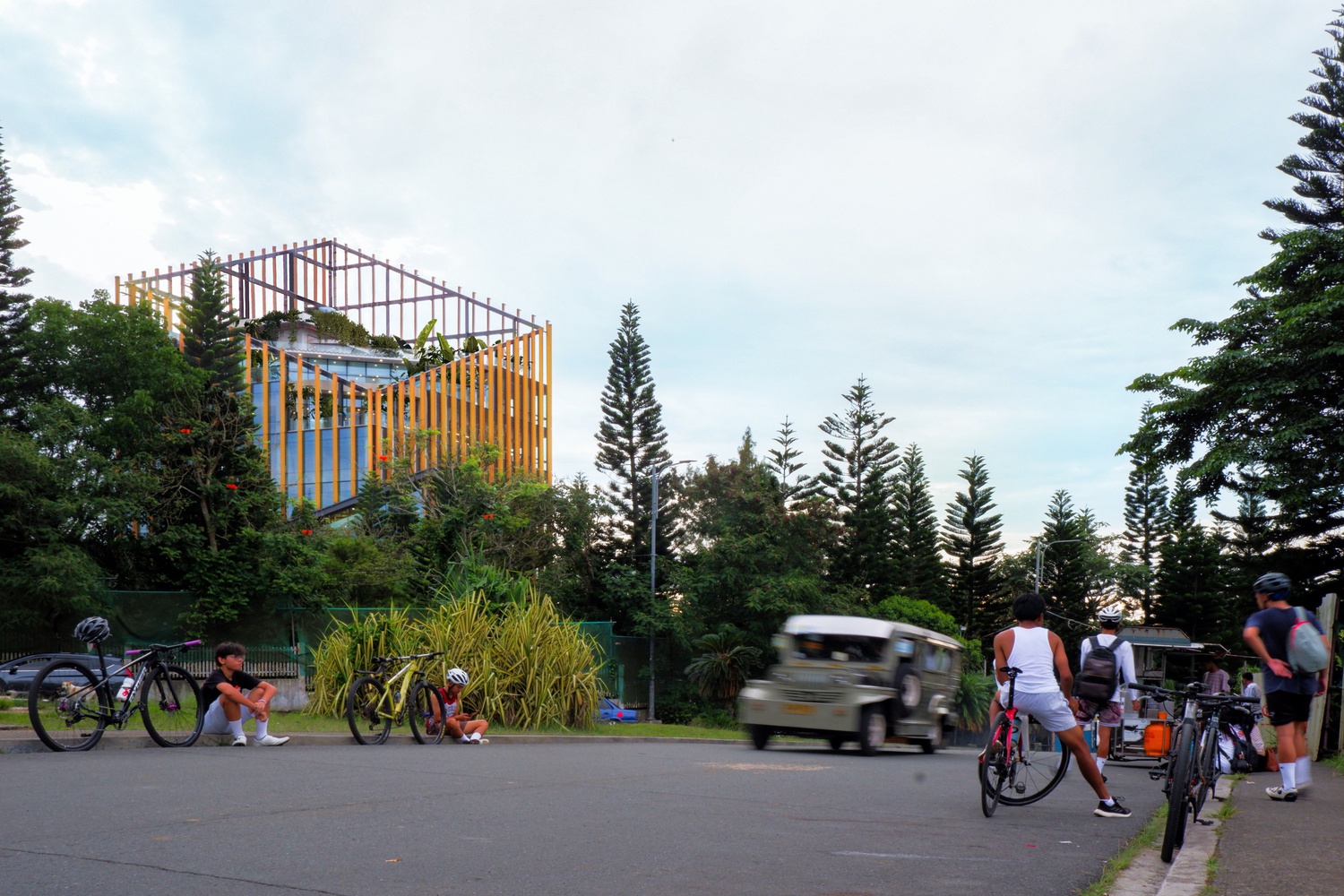
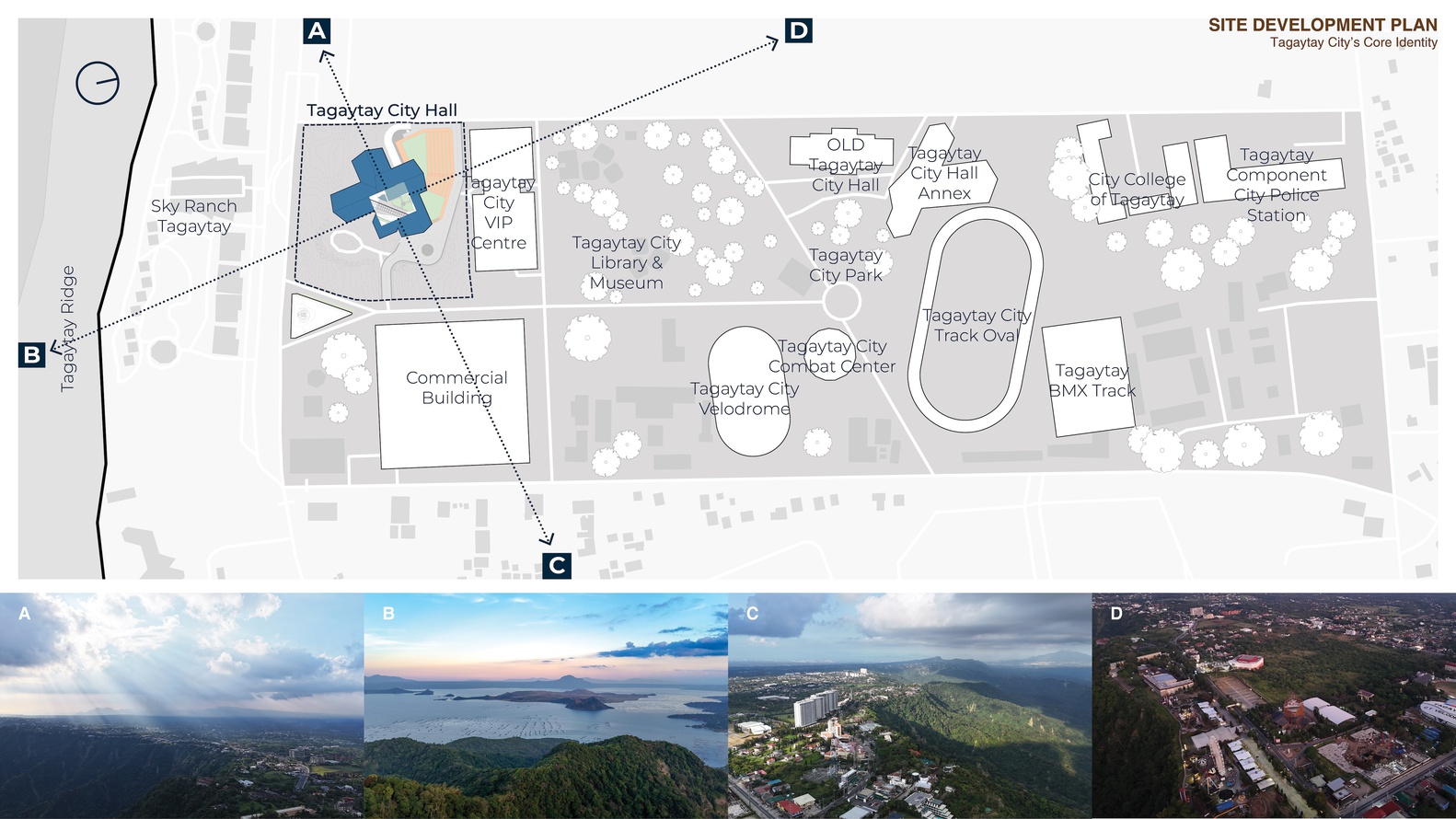
Lying along Taal Ridge on the northern edge of the Taal Caldera overlooking Taal Lake, Tagaytay derives its name from the Tagalog word for mountain ridges and is a popular tourist destination known for its cooler climate and forested slopes.
The city's identity has always been shaped by Geography, Forests, and Tourism.
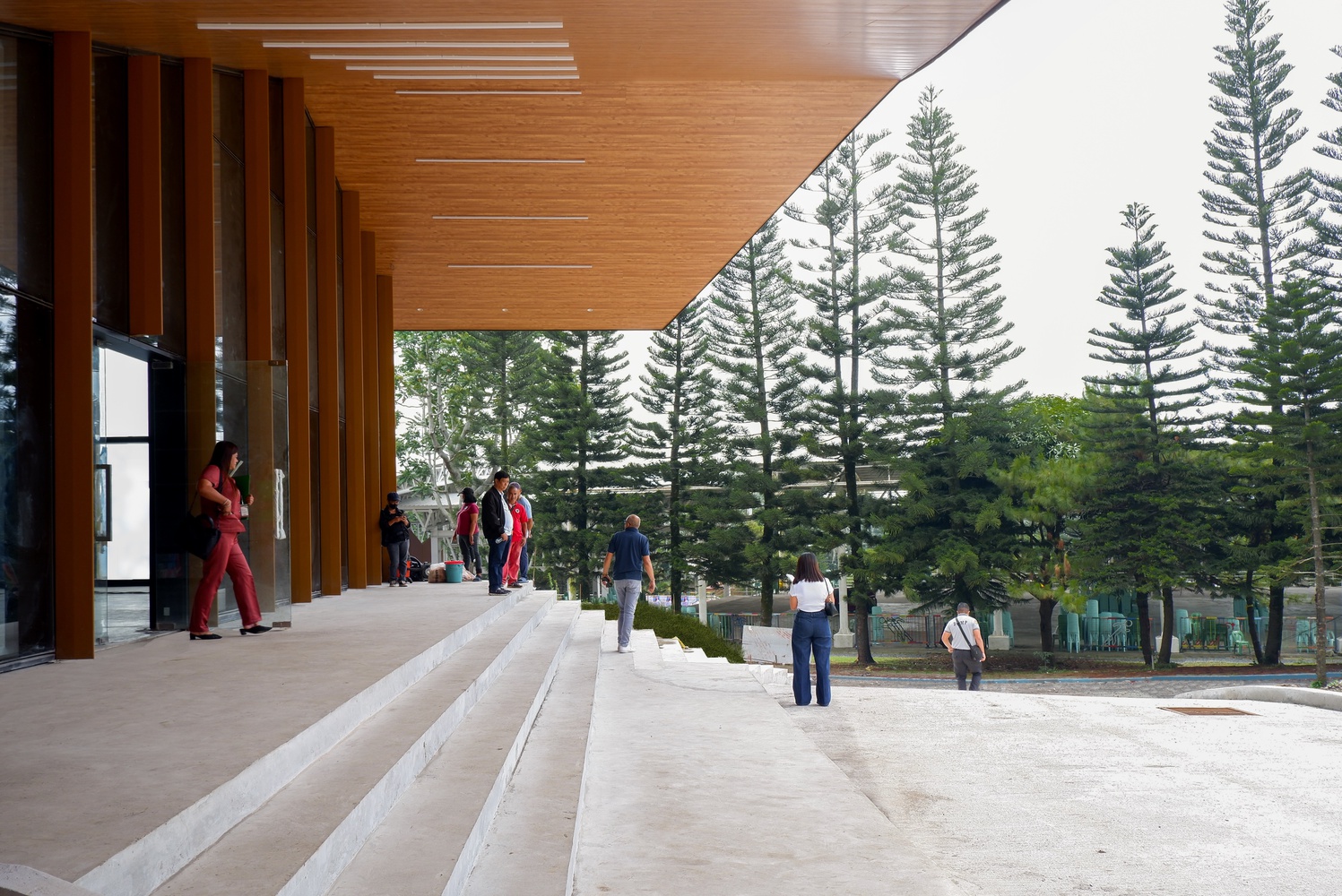
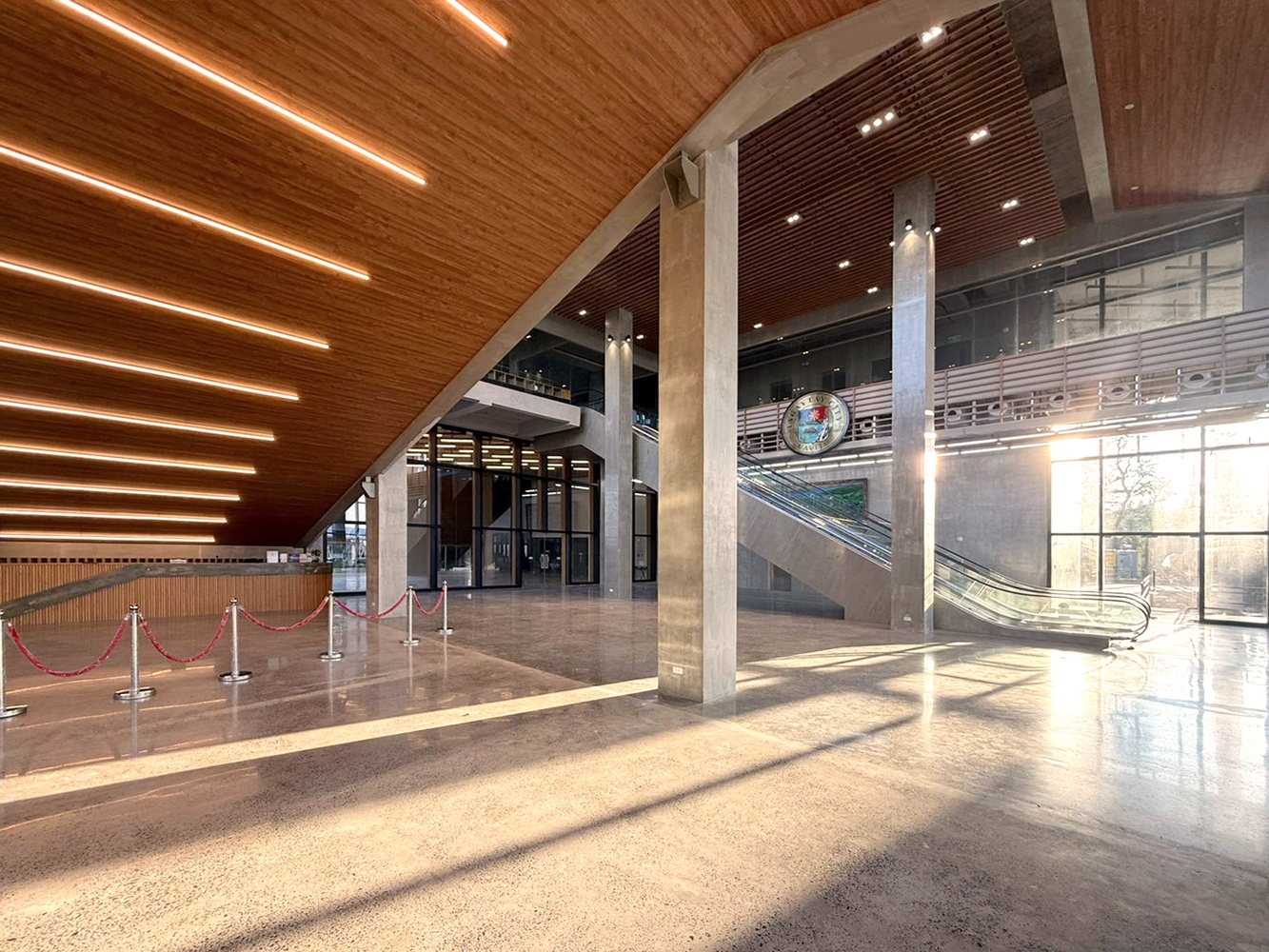
Geography gives Tagaytay its much sought-after location with its cooler climate and a culture that celebrates edges and boundaries.
The cooler climate also allows for one of the few places near Manila that is dominated by pine forests. These forests create unique vertical silhouettes and serve as sanctuaries for revolutionaries during the Philippine Revolution of 1896.
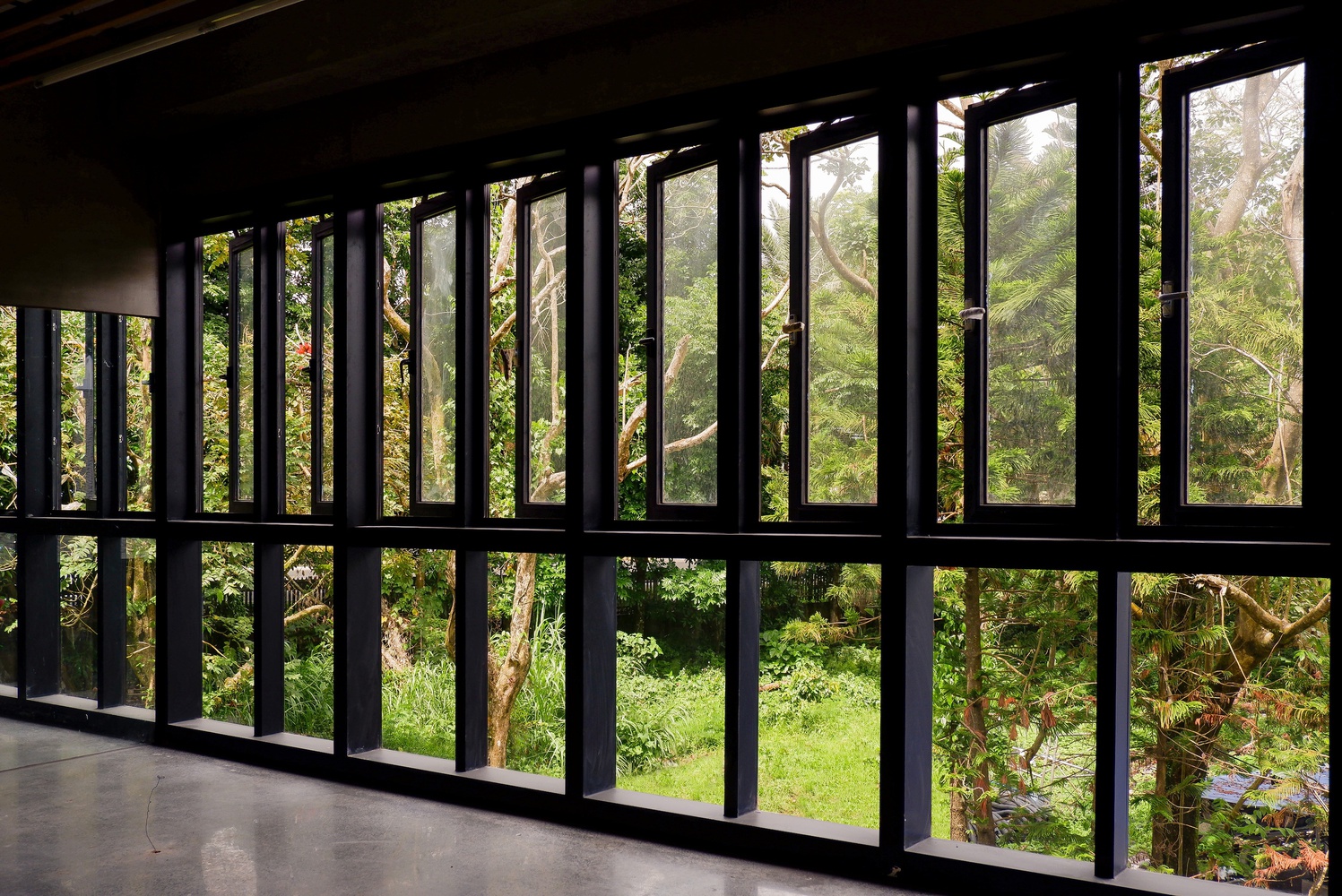
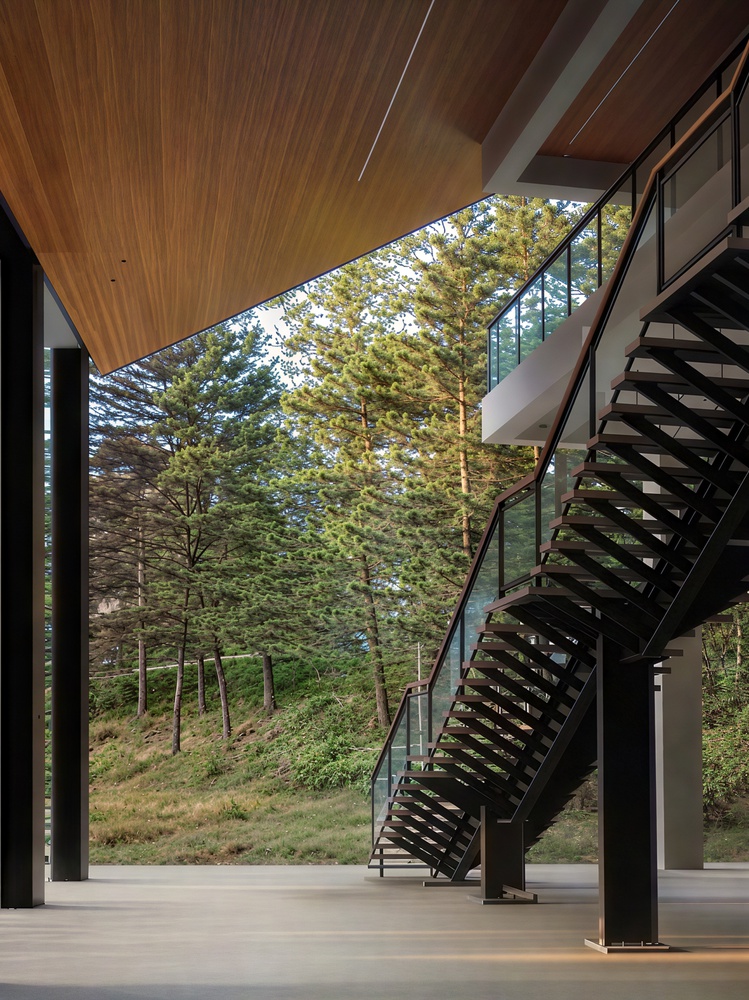
Modern Tagaytay's identity is inextricably tied to tourism and the more than one million visitors who visit this city each year, and more than double its local population of 85,000, creating a vibrant culture of social exchanges.
The Tagaytay City Hall embraces these three influences to help define the cultural identity of Tagaytay that often gets swept away by the rapid commercialization and development brought about by tourism.
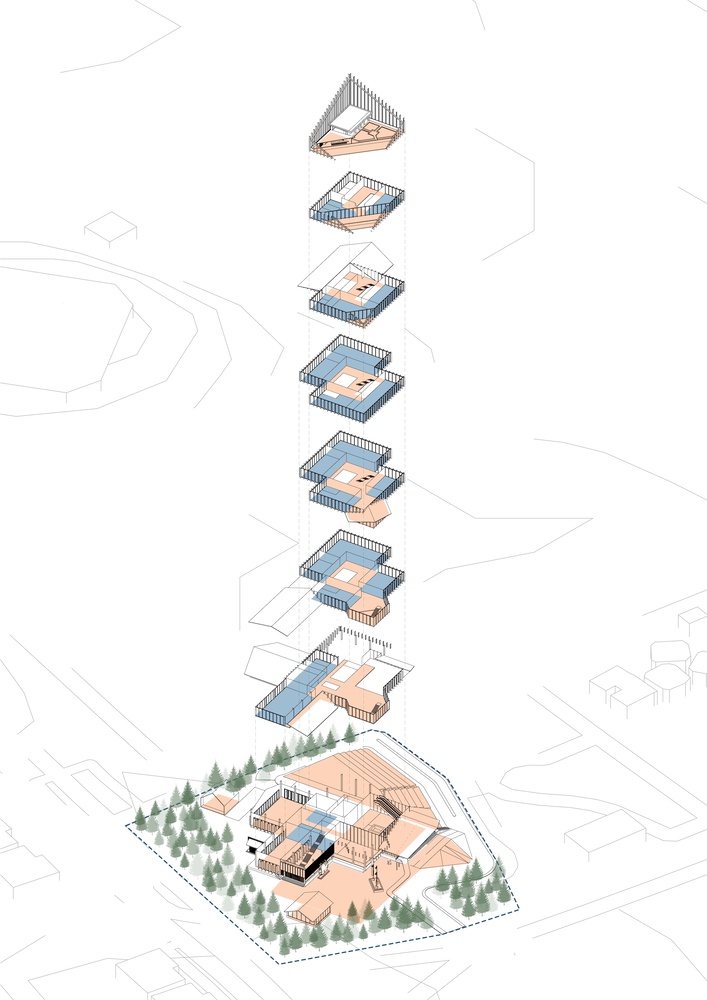
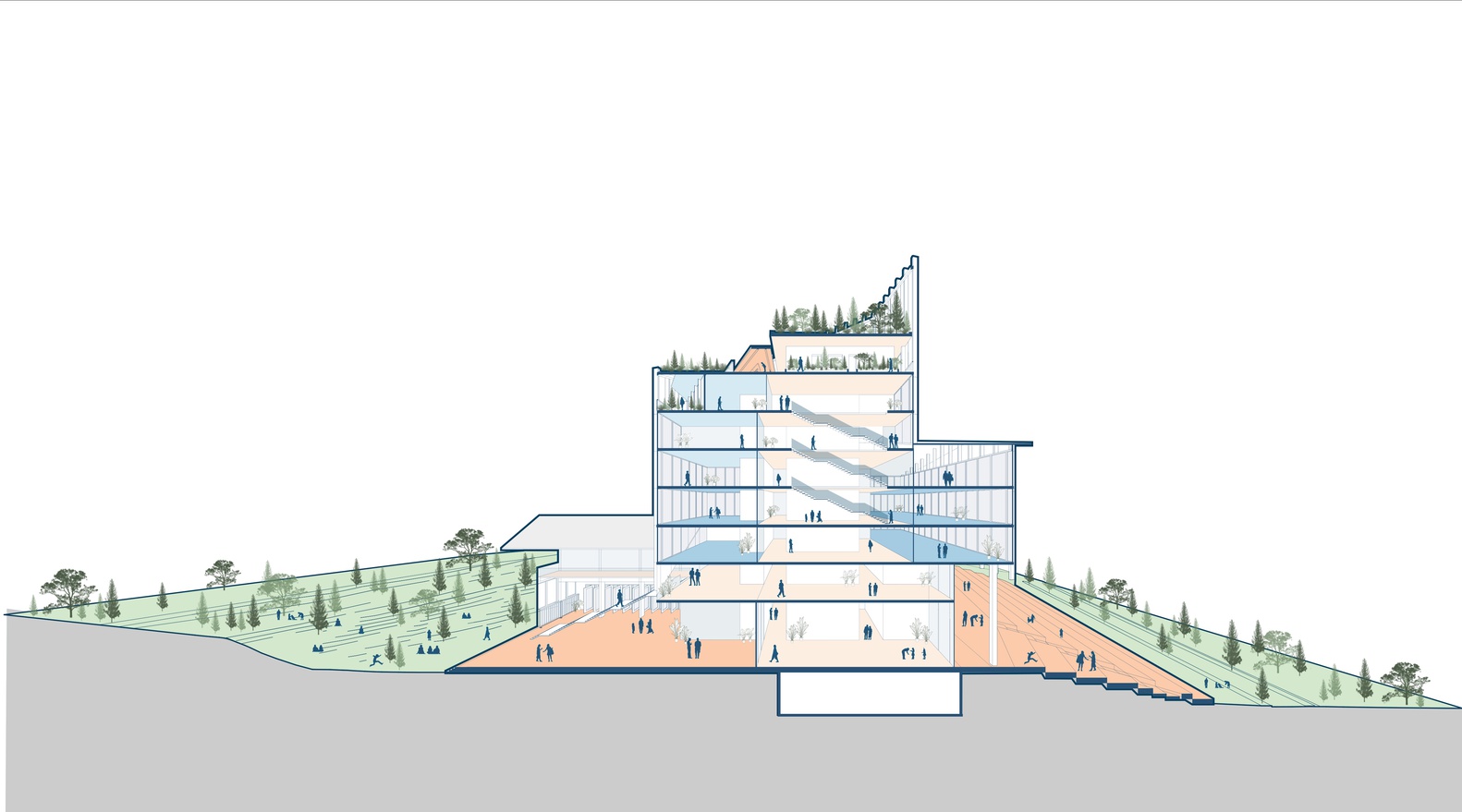
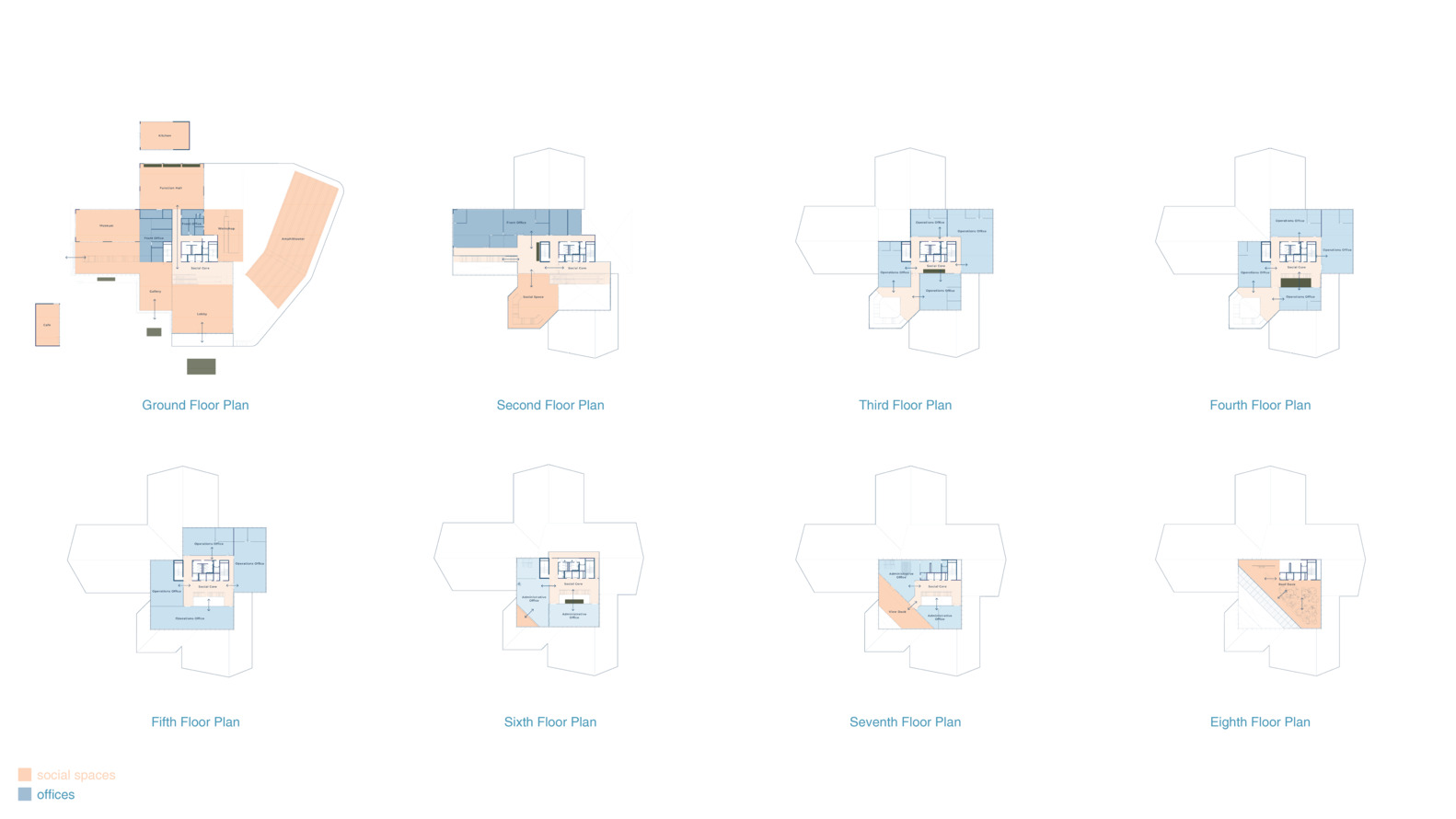
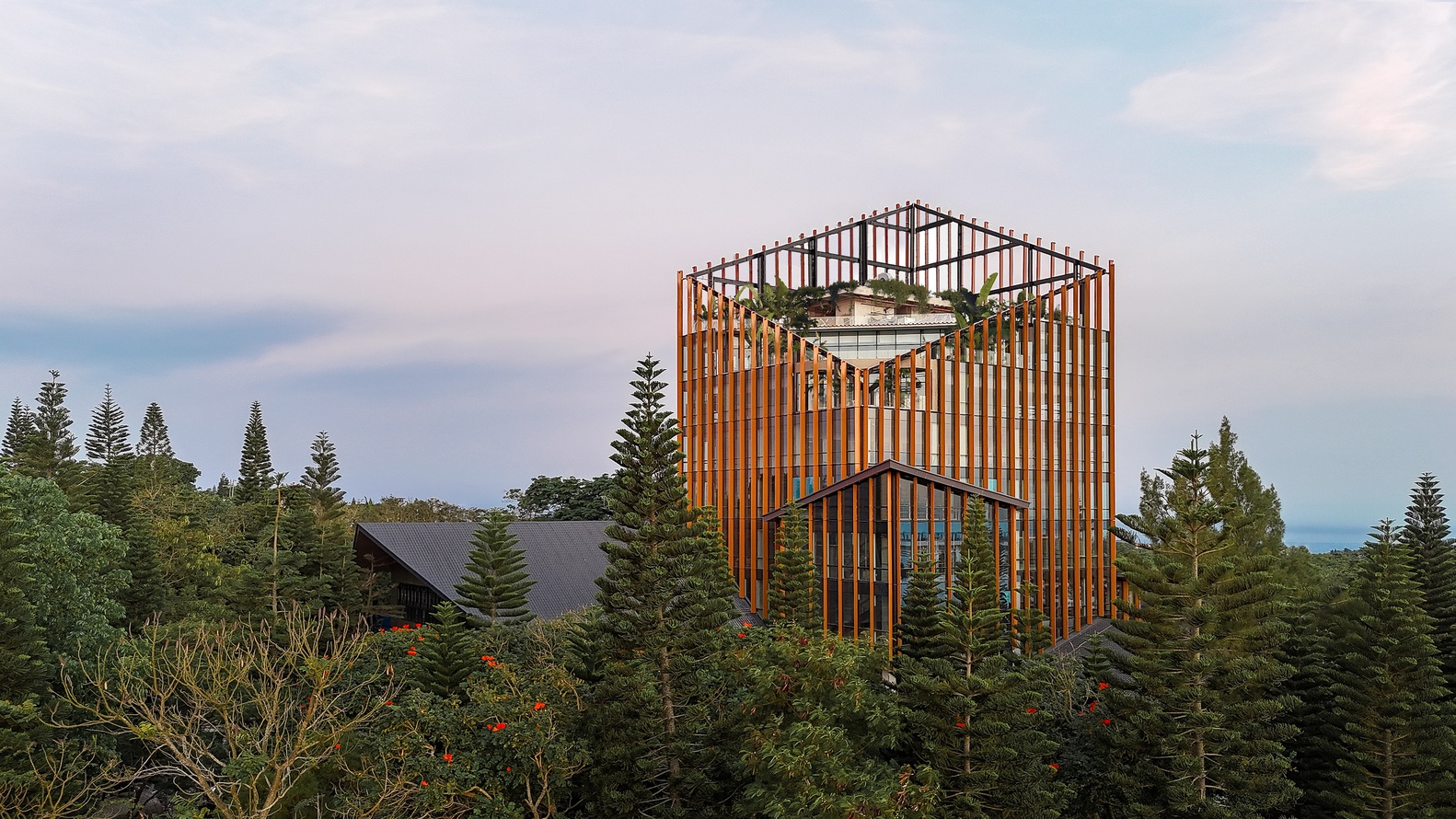
The city hall is a layered extrusion of public and administrative spaces topped by an emphasized edge in a diamond form—an architectural ridge—diagonally cut as a geometric symbol of the caldera.
Where nature begins in raw, unstructured form, architecture imposes order, not to dominate, but to celebrate. This principle guided the spatial planning: from open civic terraces to layered public parks.
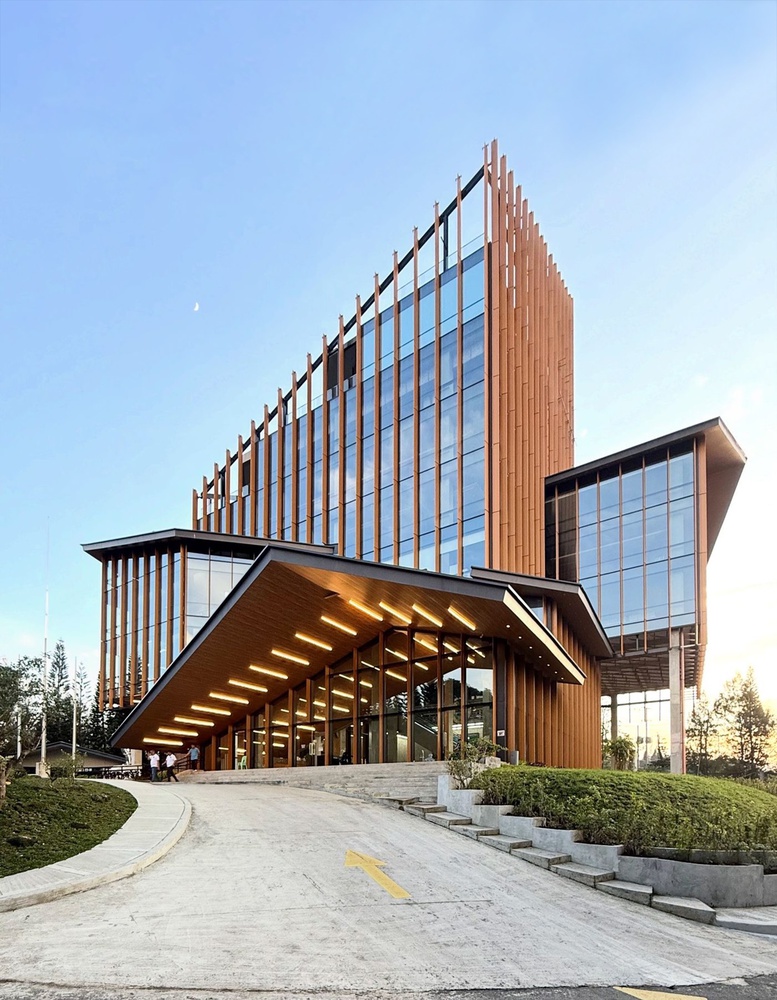
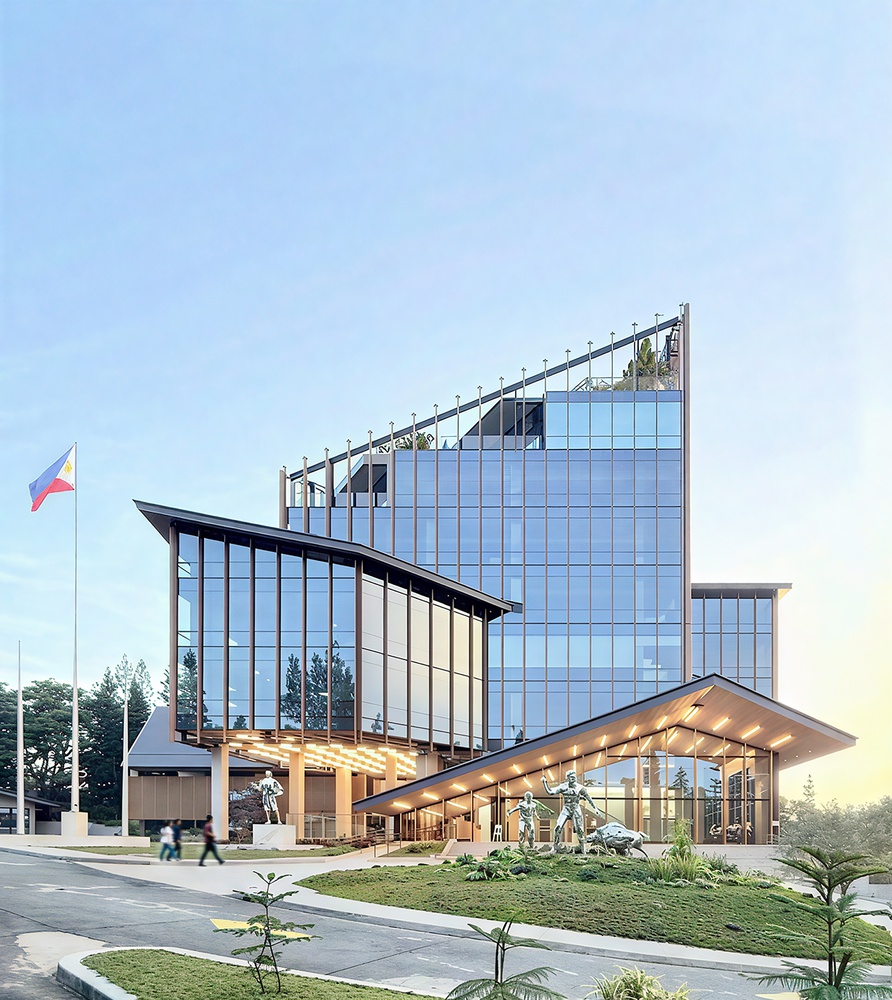
The city hall embraces its purpose and the city's role as an escape from the metropolis. From government officials to residents and visiting tourists, the architecture reflects shared spatial identity.
The result is an open, accessible civic forum that champions transparency in governance, both symbolically and functionally, with its public halls and axial views.
The central open-core design allows for visibility and natural surveillance, fostering trust, productivity, and communal interaction. More than a government building, it becomes a democratic space—formed through shared purpose and lived in by the community.
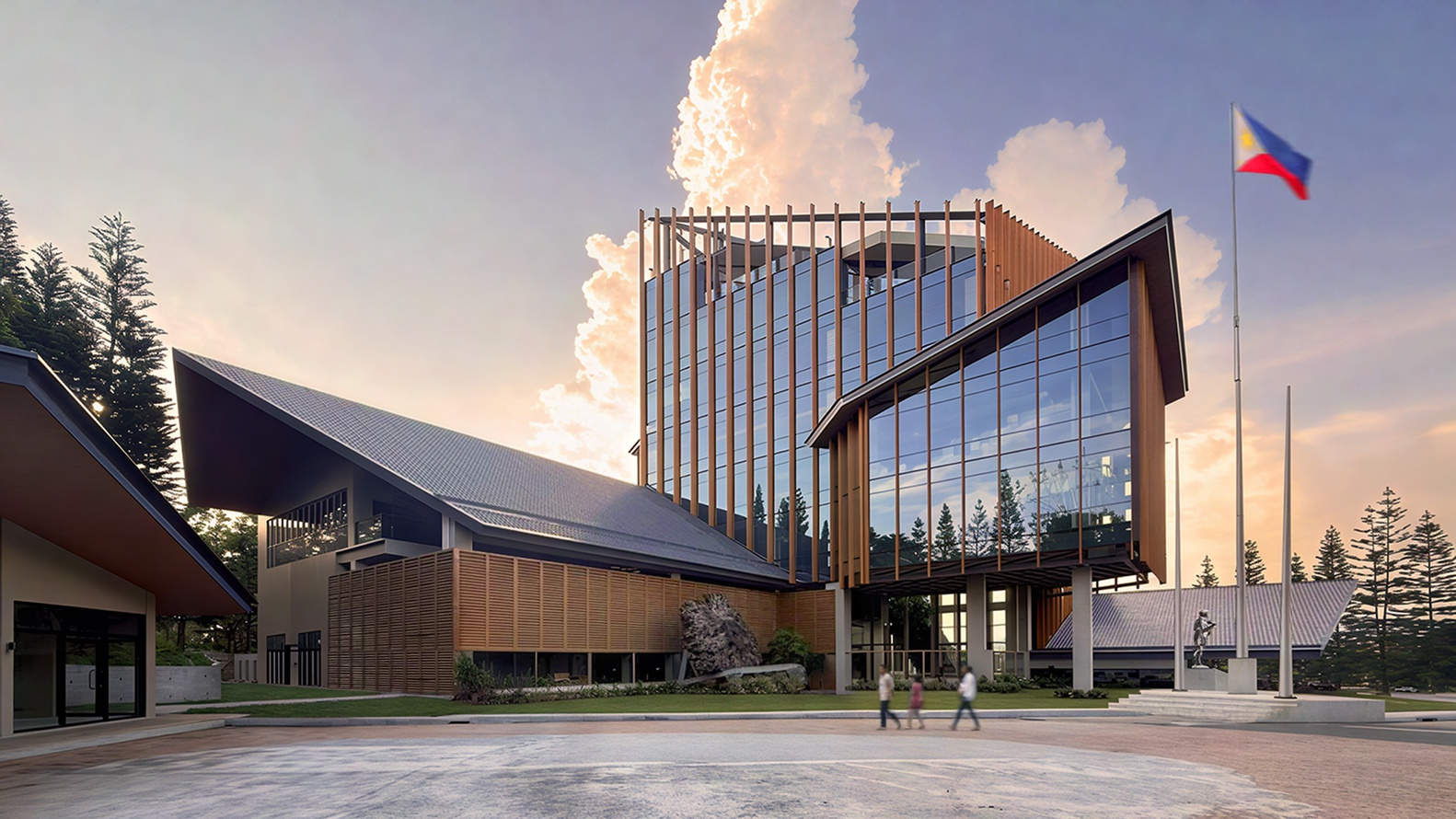
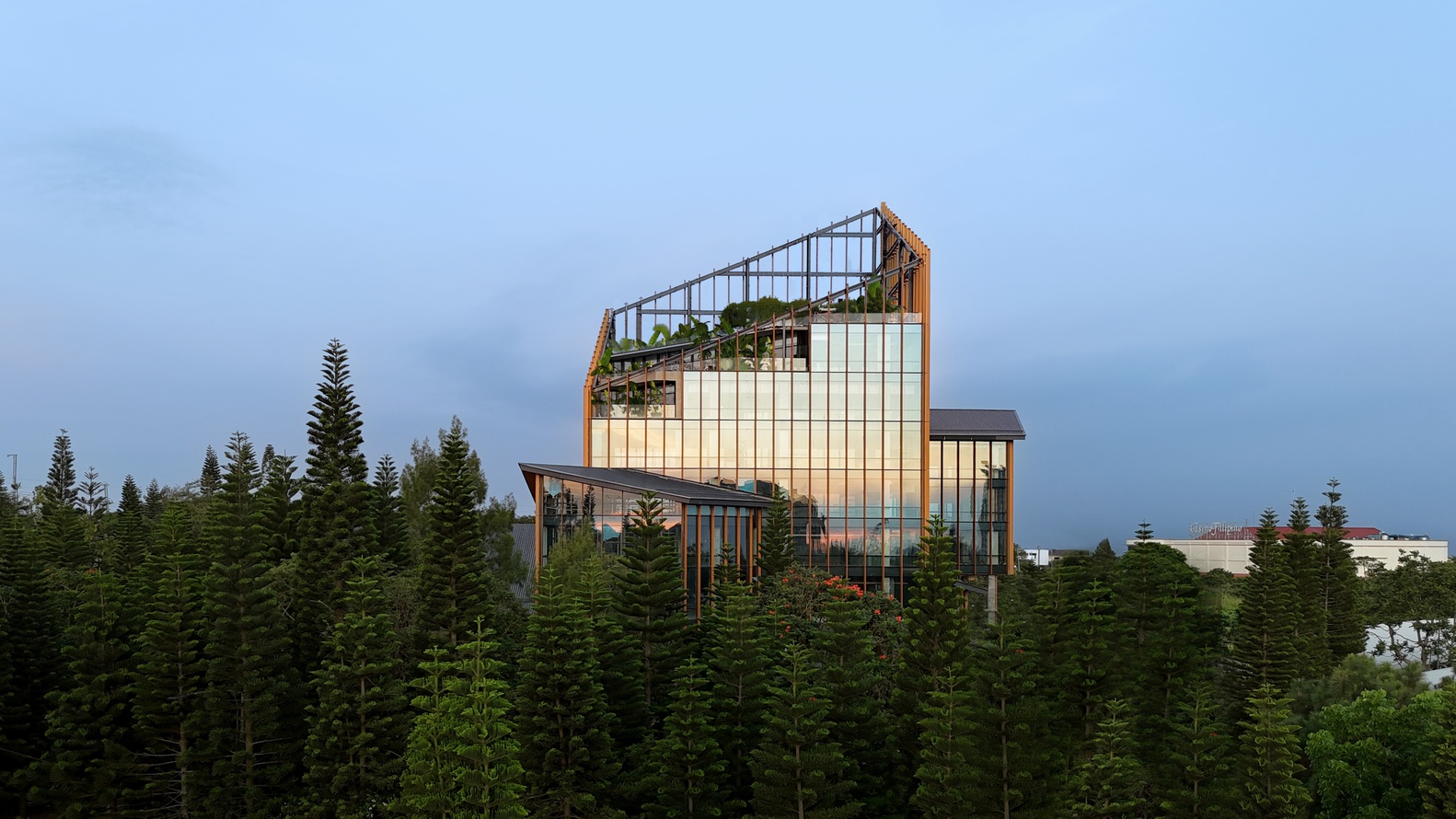
Drawing from the vertical silhouettes of the surrounding pine forests, a vertical rhythm that echoes these natural forms shrouds the city hall.
This takes shape in the soft progression of vertical golden-brown fins across the façade, which terminate in an irregular and organic edge that extends up to the skyline.
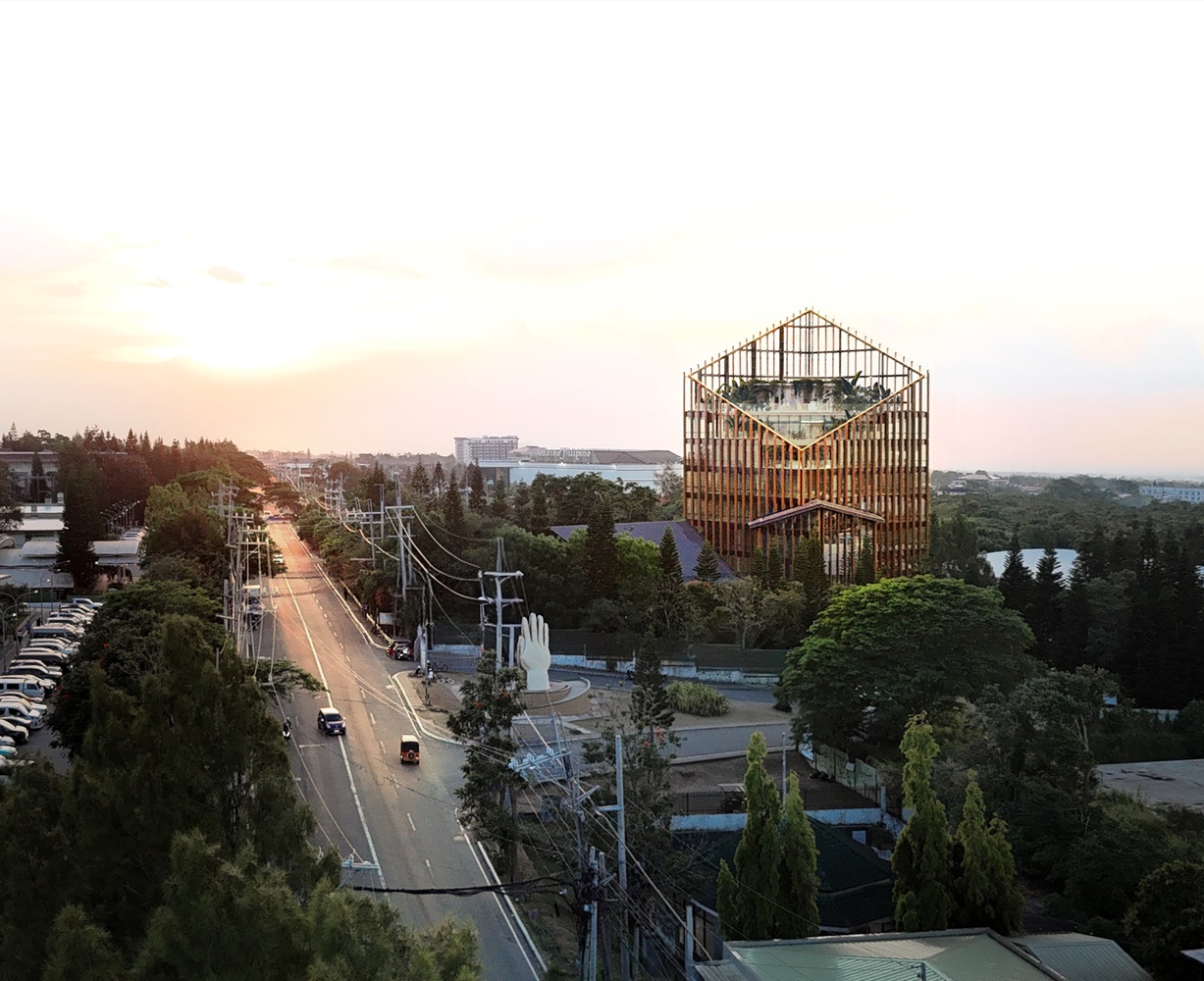
The design fosters a visual familiarity, bridging nature with community, creating a familiar and beloved civic presence. The new Tagaytay City Hall is not just a functional government office—it is a silhouette of identity, capturing a city's soul through its architecture.