
Samian Dormitory Office Building
SAMIAN DORMITORY OFFICE BUILDING
Ashari Architects
ARCHITECTS
Ashari Architects
LEAD ARCHITECT
AmirHossein Ashari
LEAD TEAM
Amirhossein Ashari
TECHNICAL TEAM
Mohammad Zaalpour
ENGINEERING & CONSULTING > STRUCTURAL
Talayedaran Sanat Engineers Company
DESIGN TEAM
Zahra Jafari, Mahsa Parhizgar,mohammad Mohajeri, Sara Nazemi
MANUFACTURERS
Shahrzad Brick
PHOTOGRAPHS
Navid Atrvash
AREA
250 m²
YEAR
2024
LOCATION
Shiraz, Iran
CATEGORY
Offices
English description provided by the architects.
CONTEXT
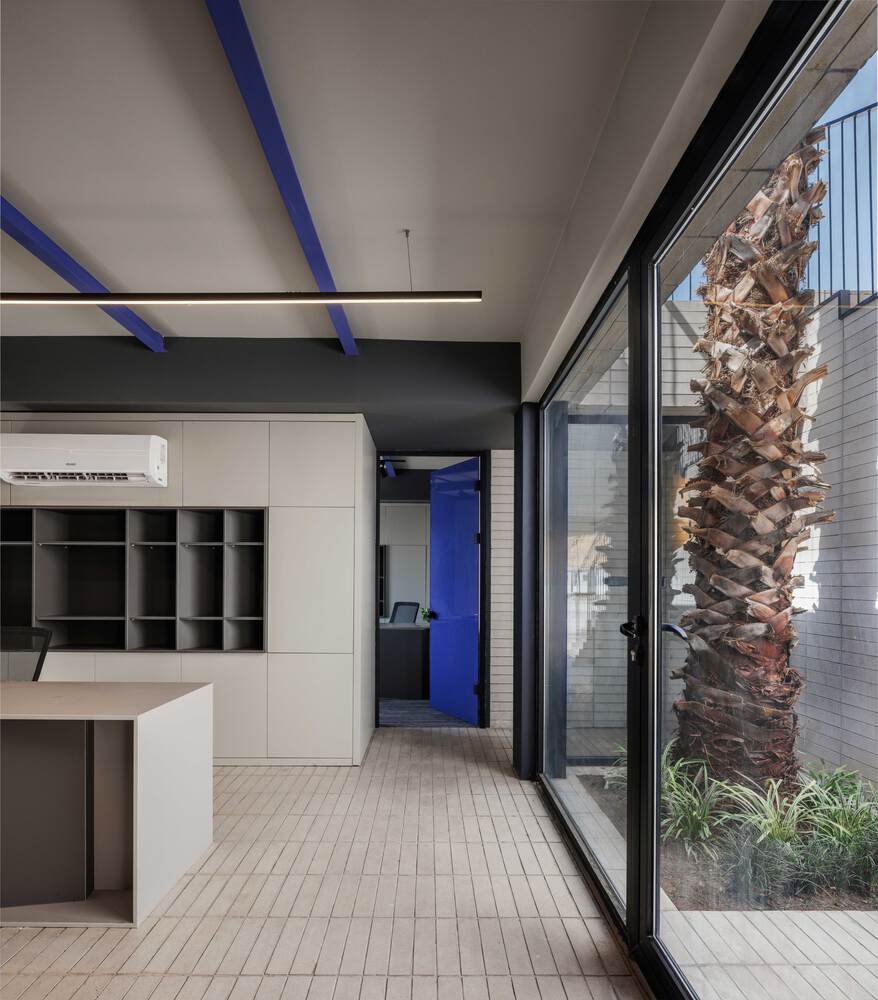
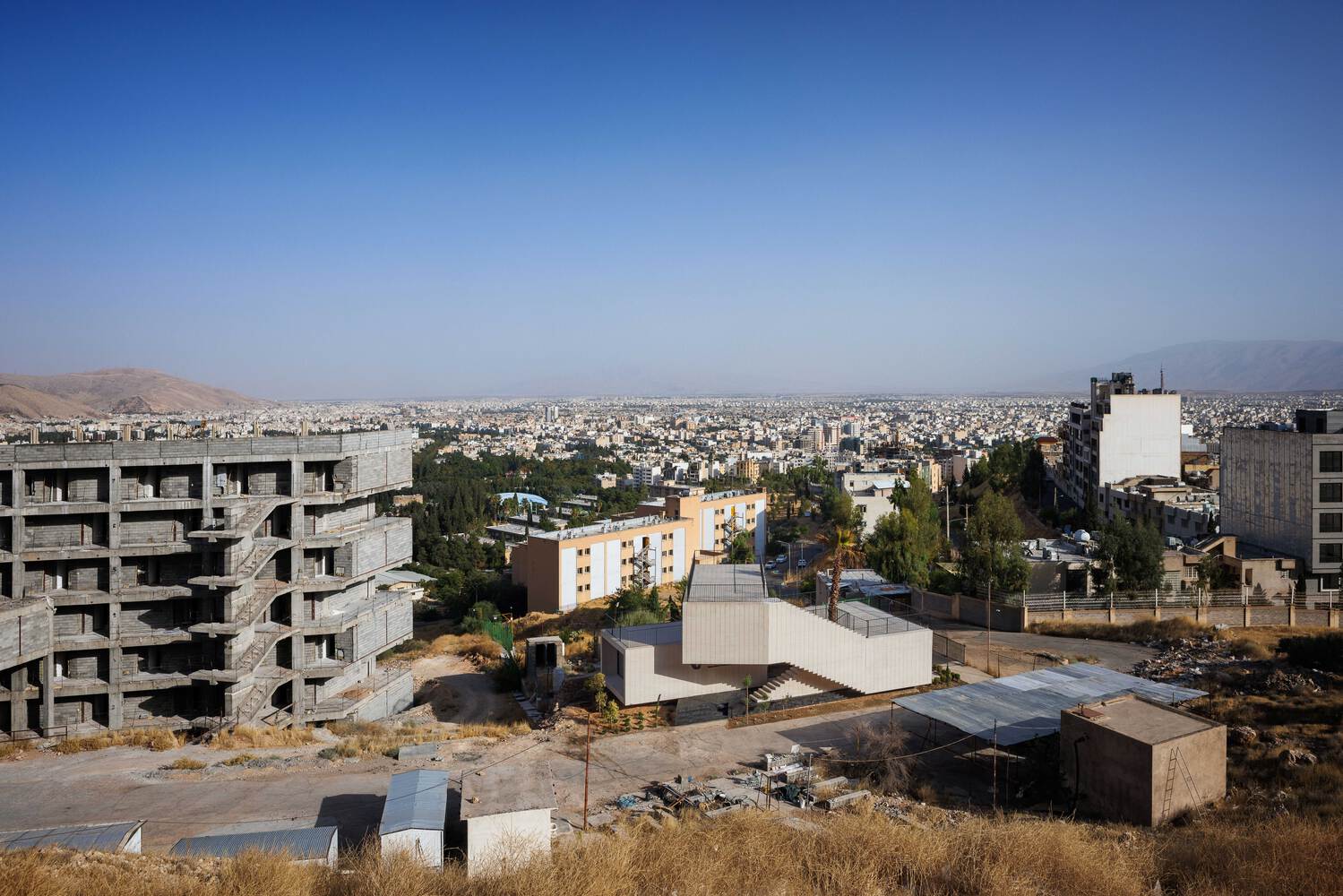
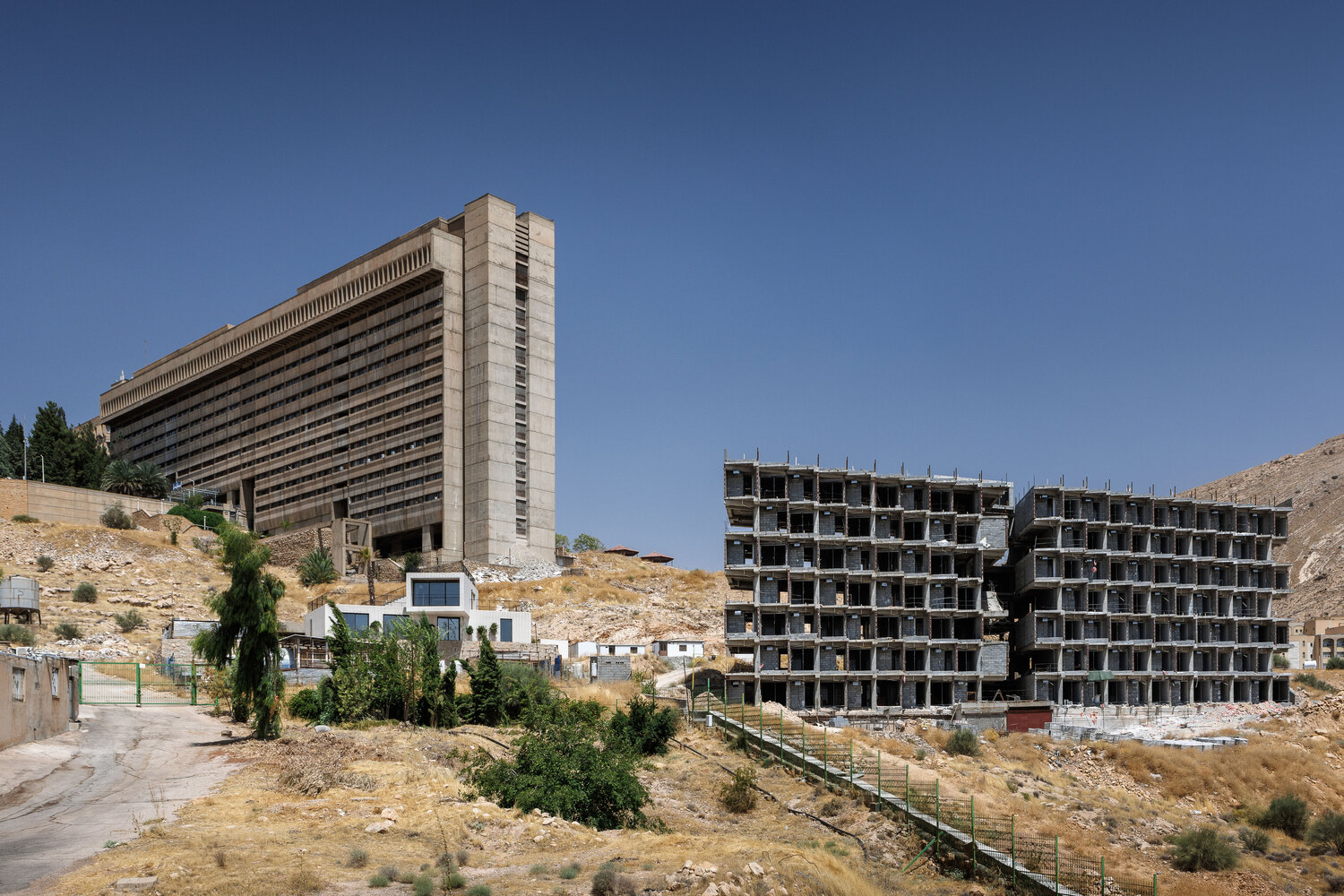
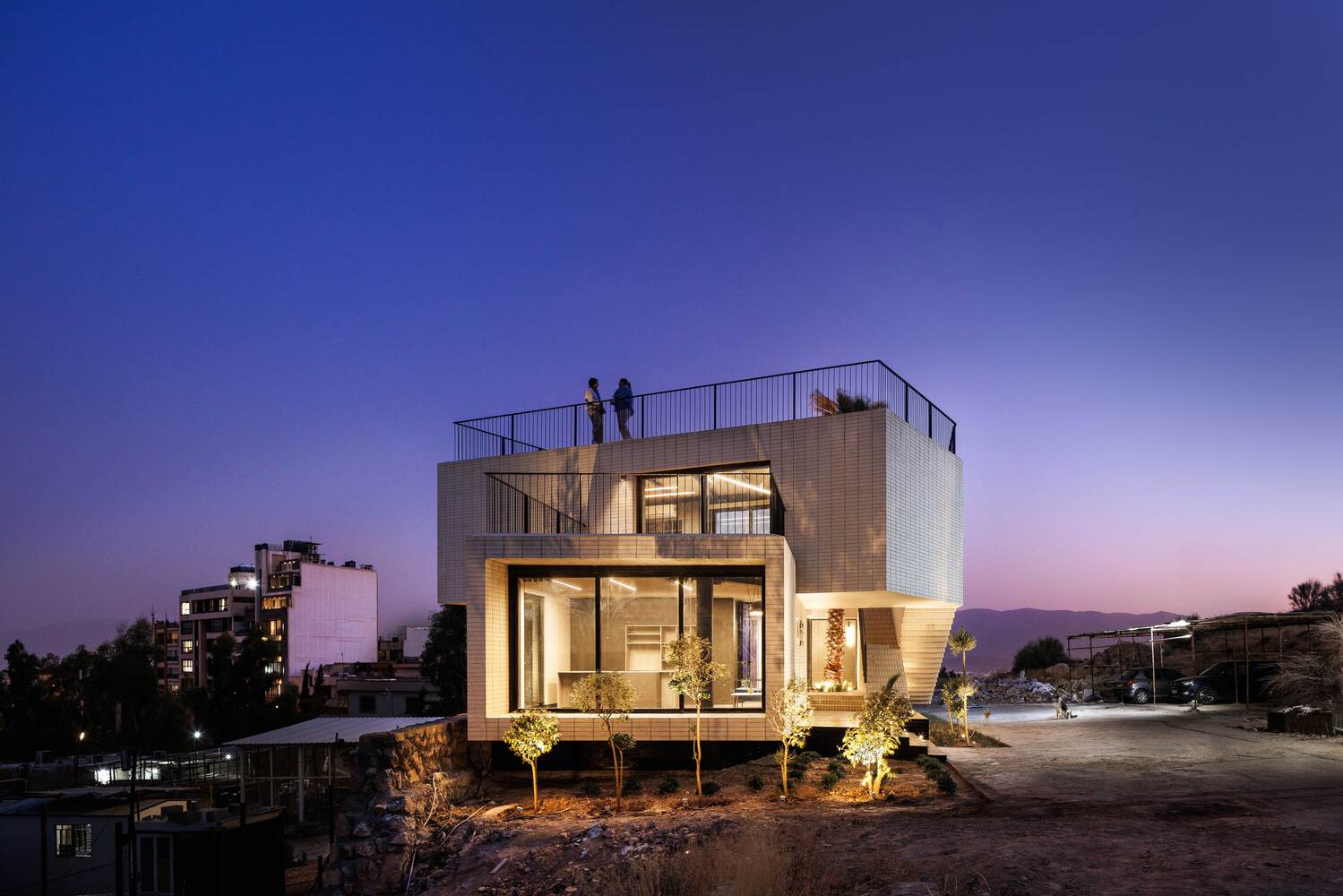
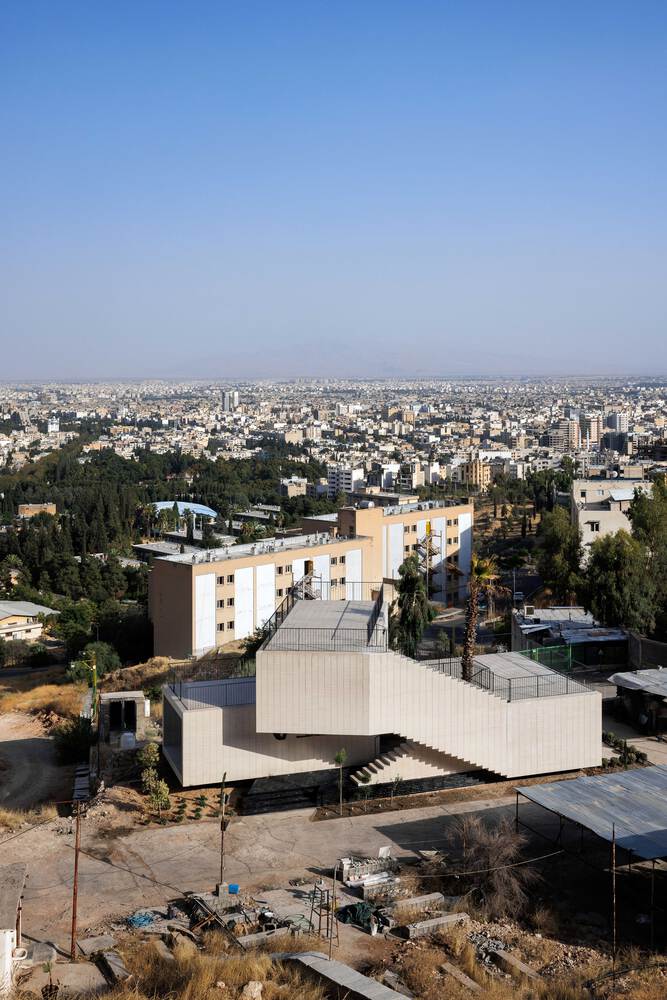
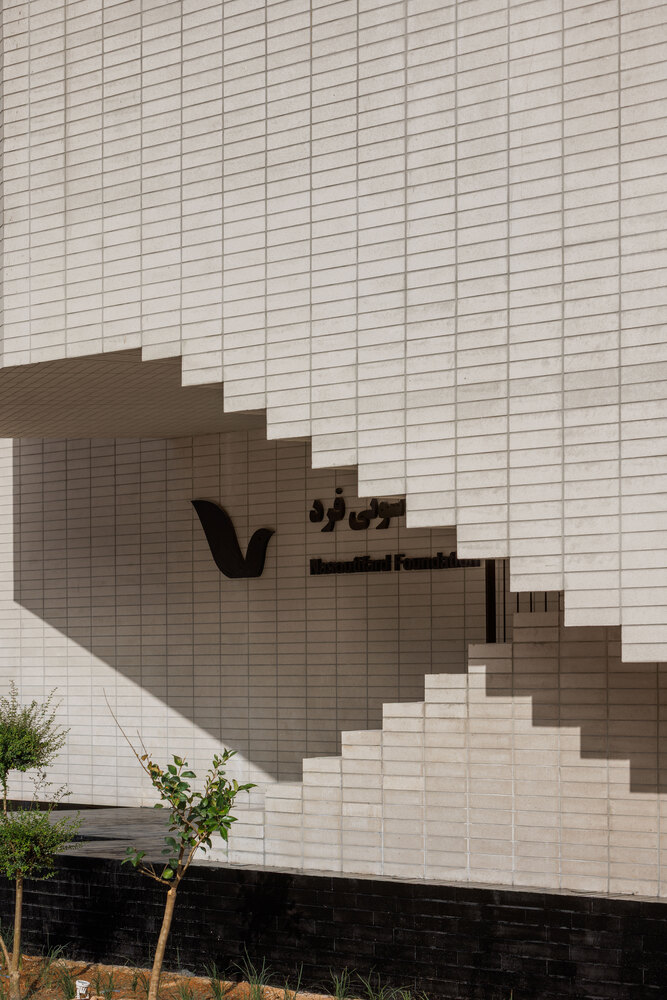
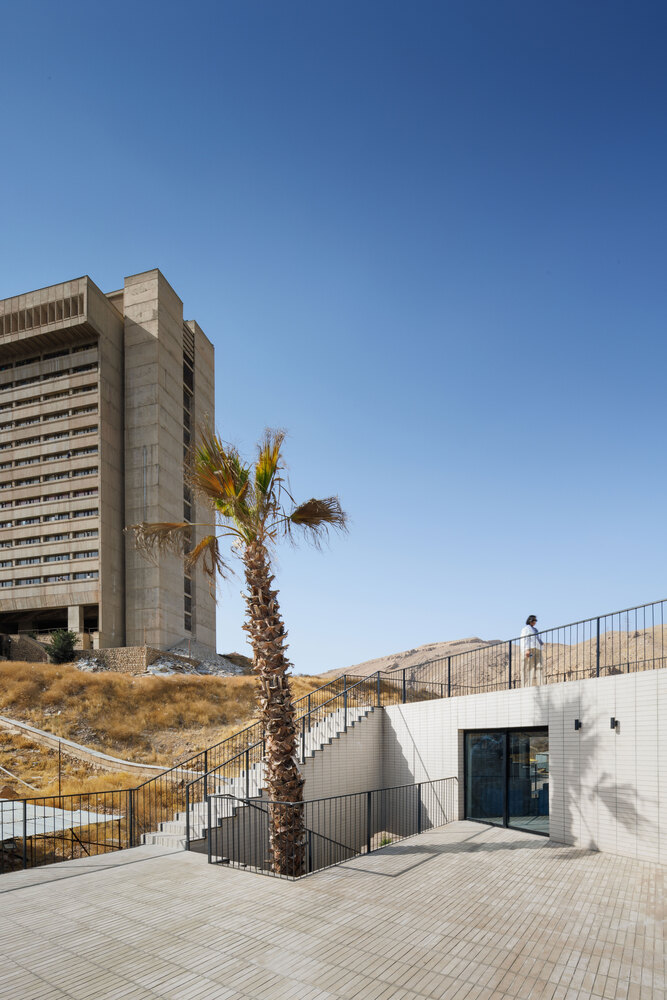
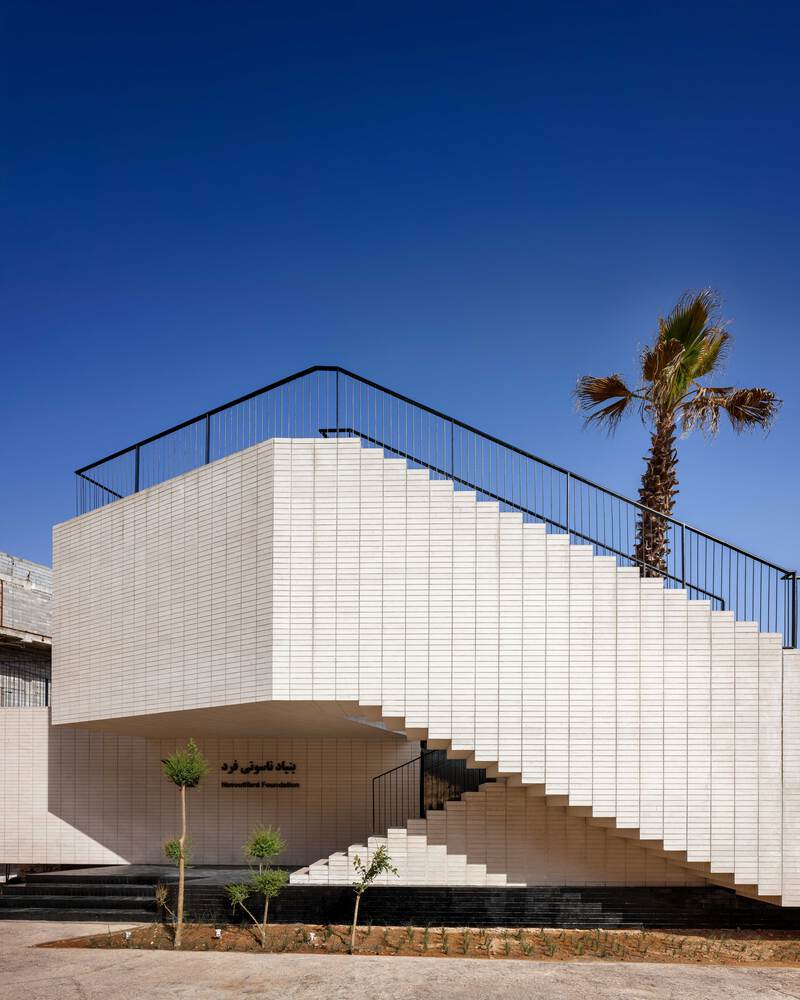
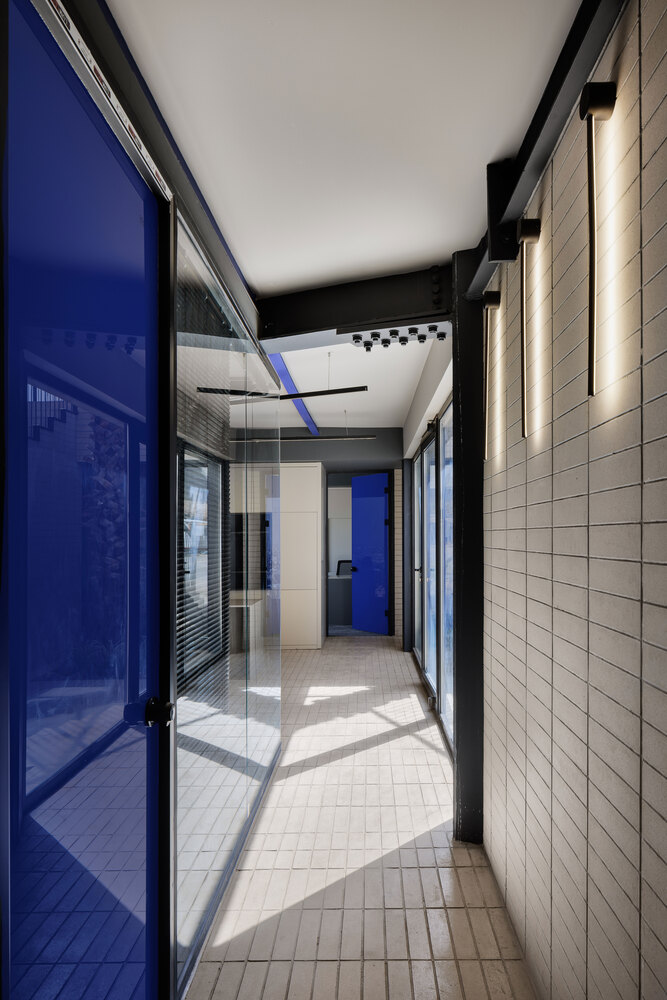
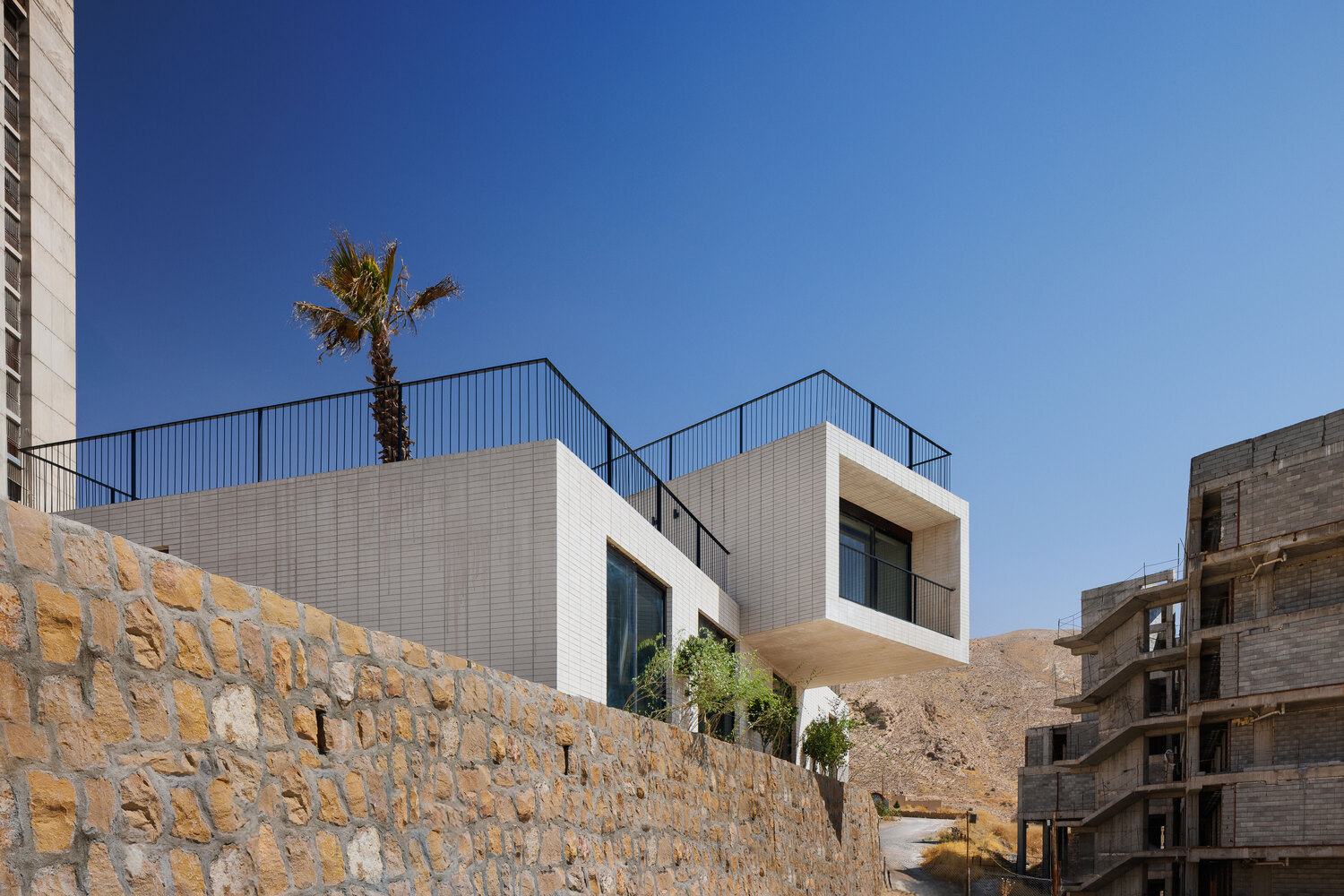
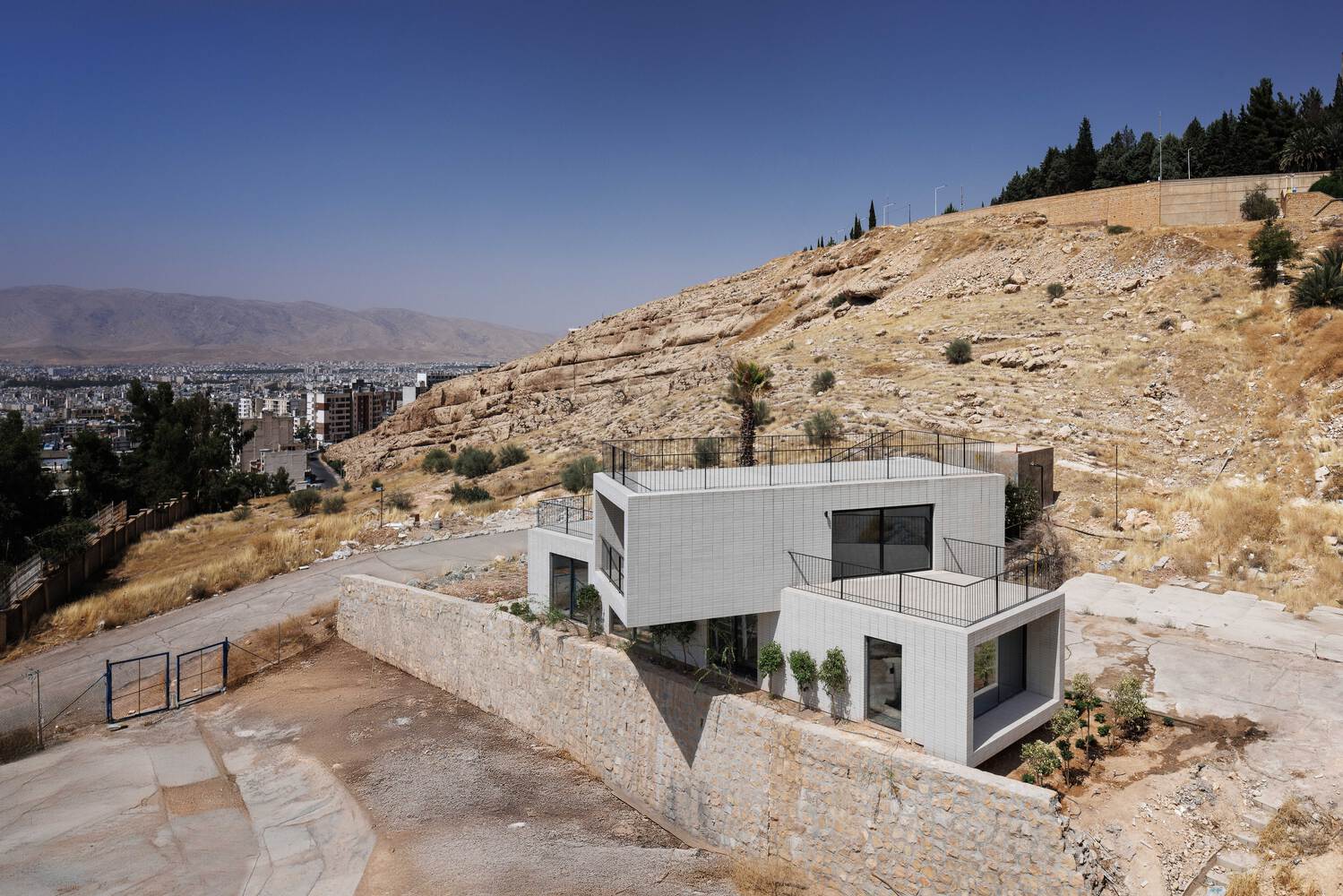
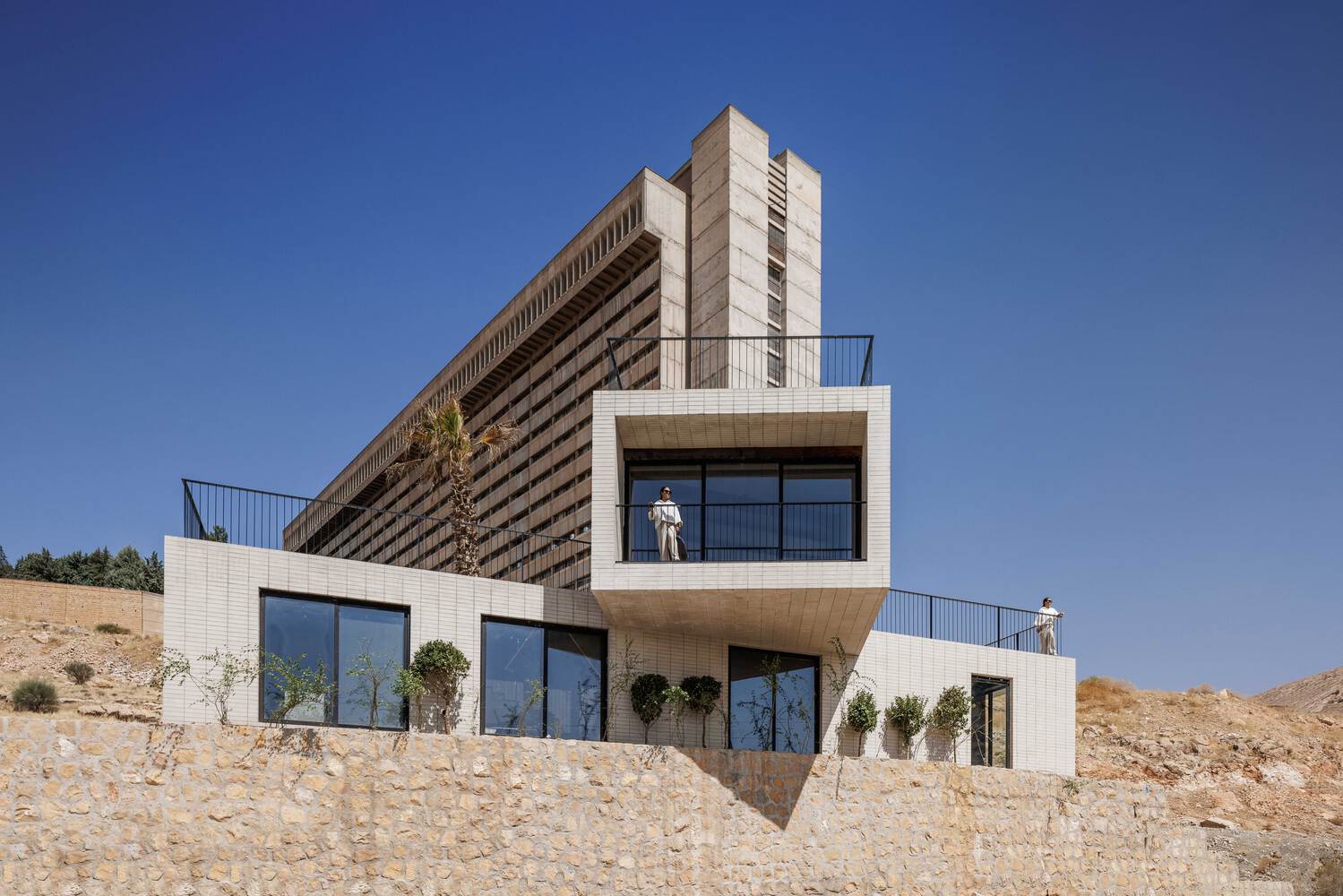
The administration building of Samian Dormitory is located on the elevated grounds of Shiraz University, adjacent to the student residences, overlooking the city and the surrounding mountains.
PROBLEM
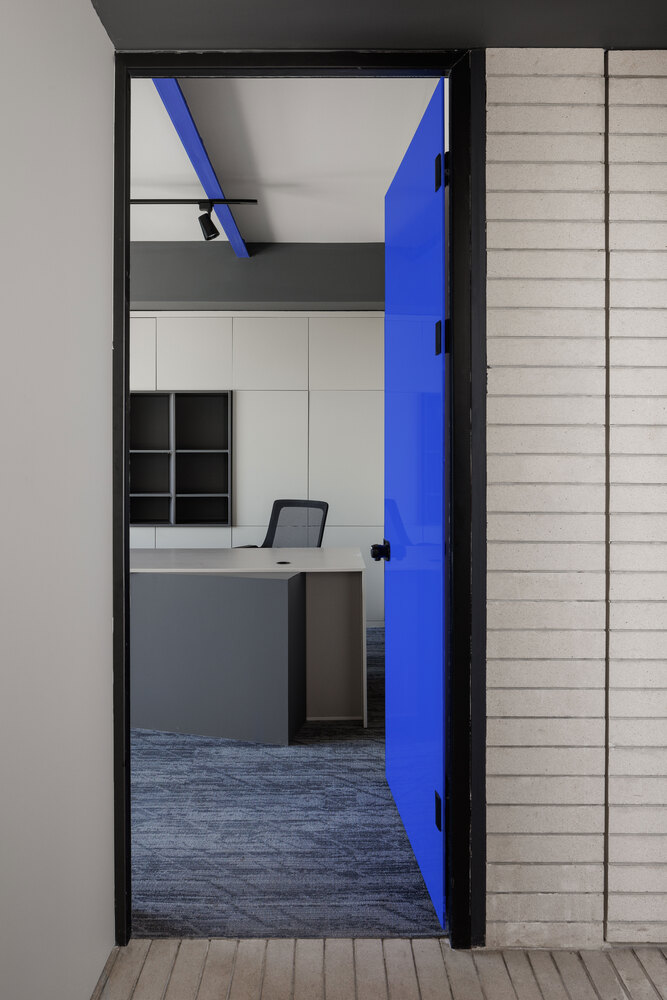
Administrative buildings typically become silent and inactive after working hours.
Within the academic context, this condition is particularly problematic, since precisely at the moment when student life reaches its peak of vitality, a substantial portion of the architectural fabric remains dormant.
A university is not merely an educational center, but rather a domain of collective life, cultural exchange, and the formation of social experiences.
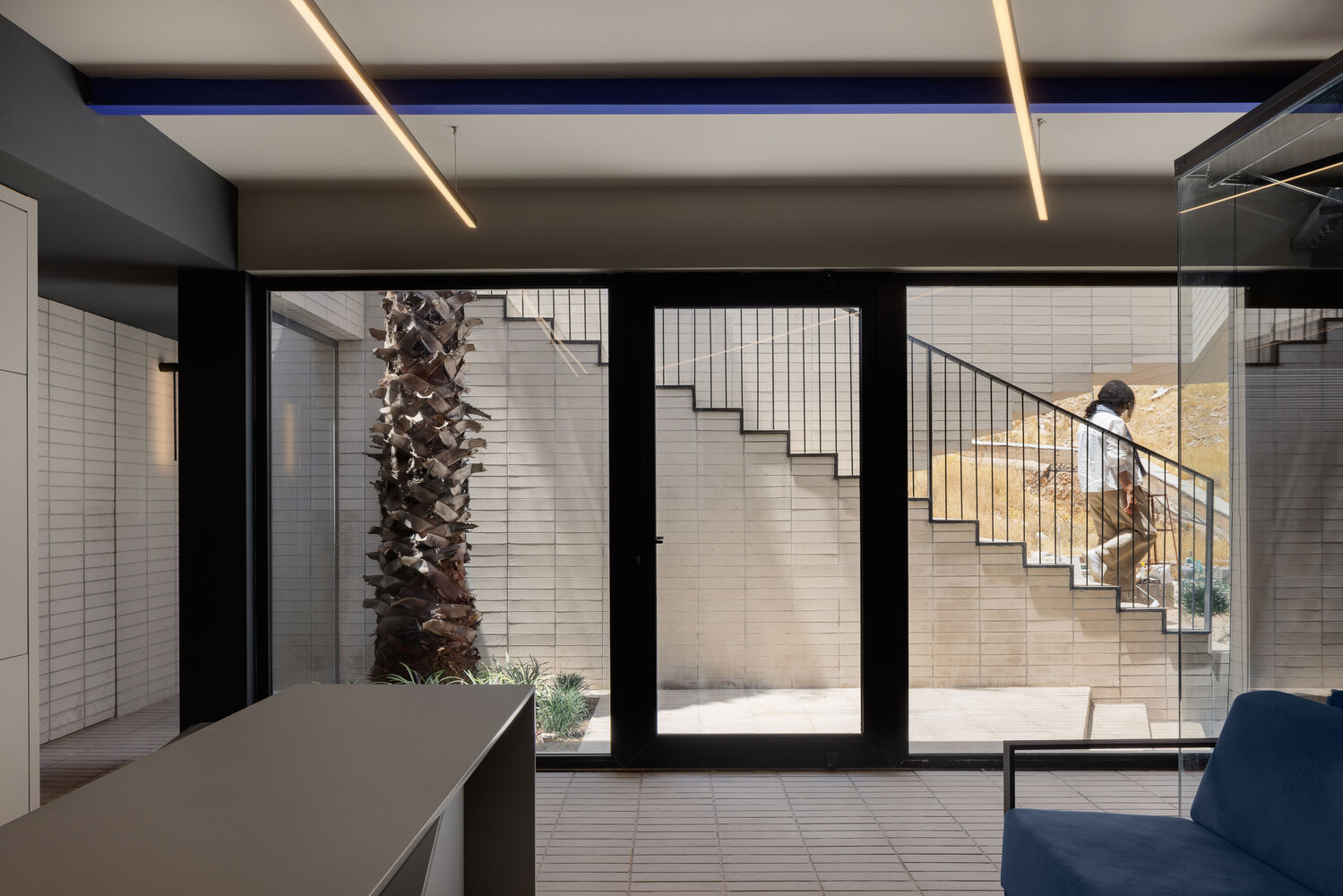
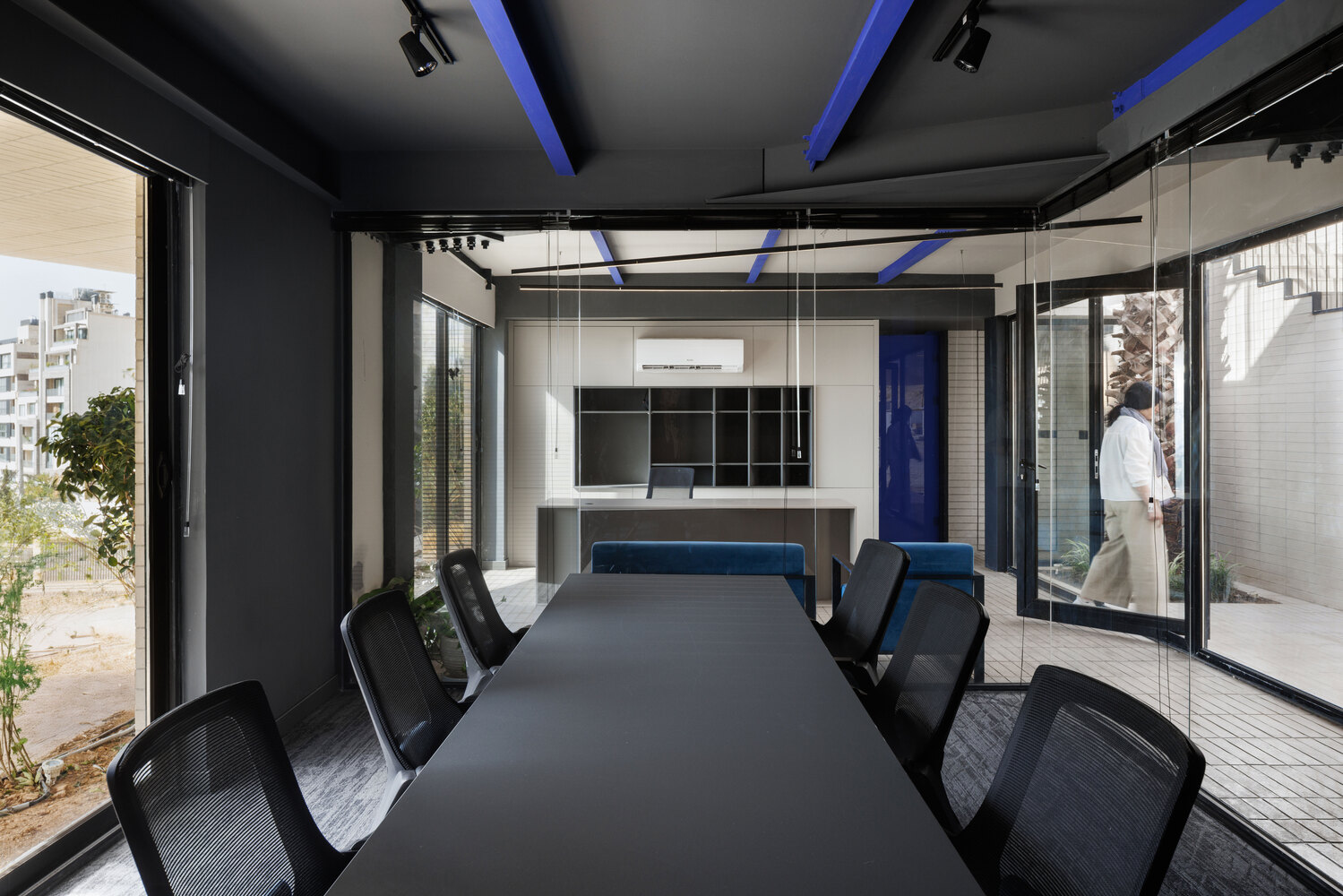
Architecture, therefore, cannot be confined to administrative functions alone; it must provide a framework for sustaining the flow of life throughout the entire day and night.
NECESSITY
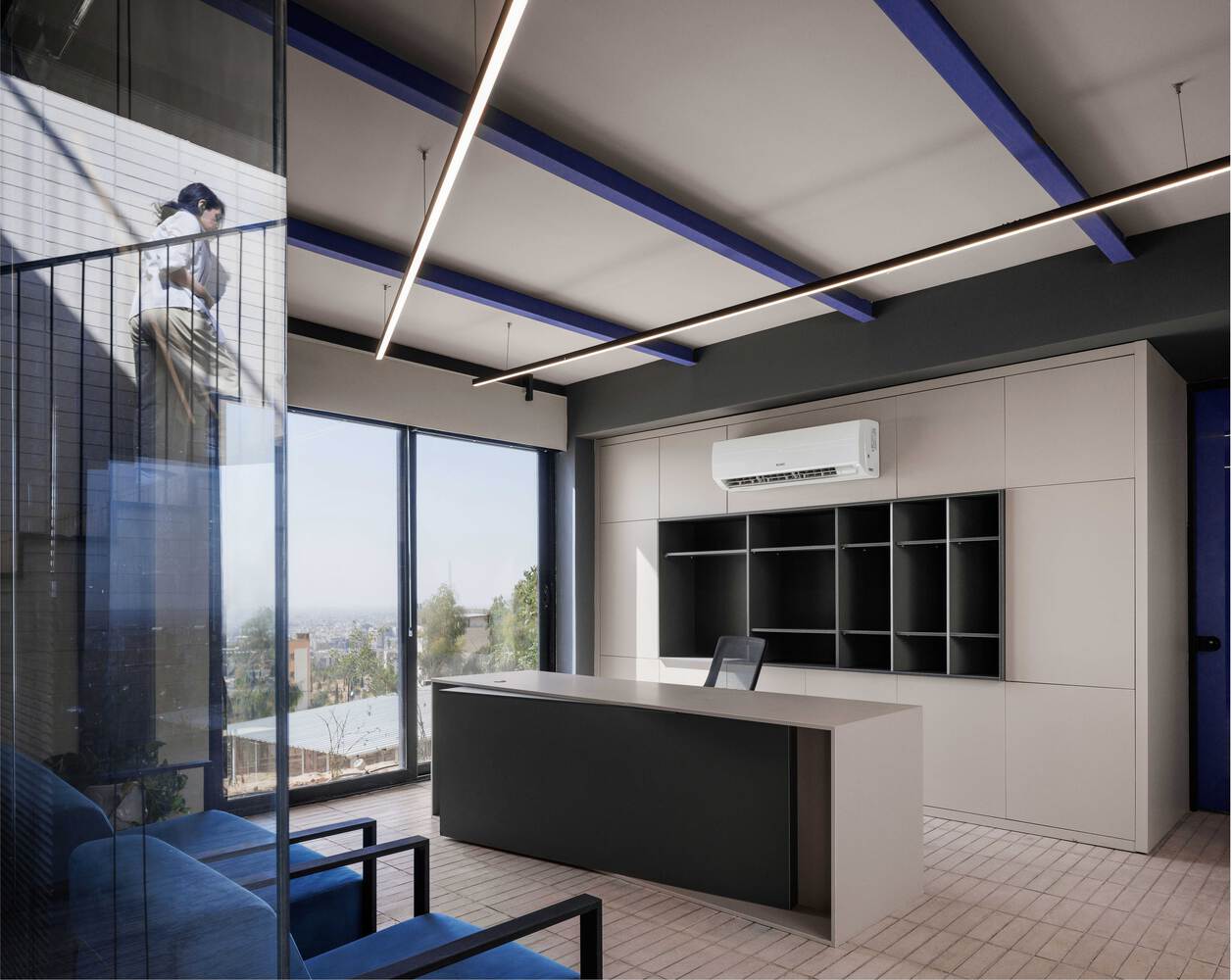
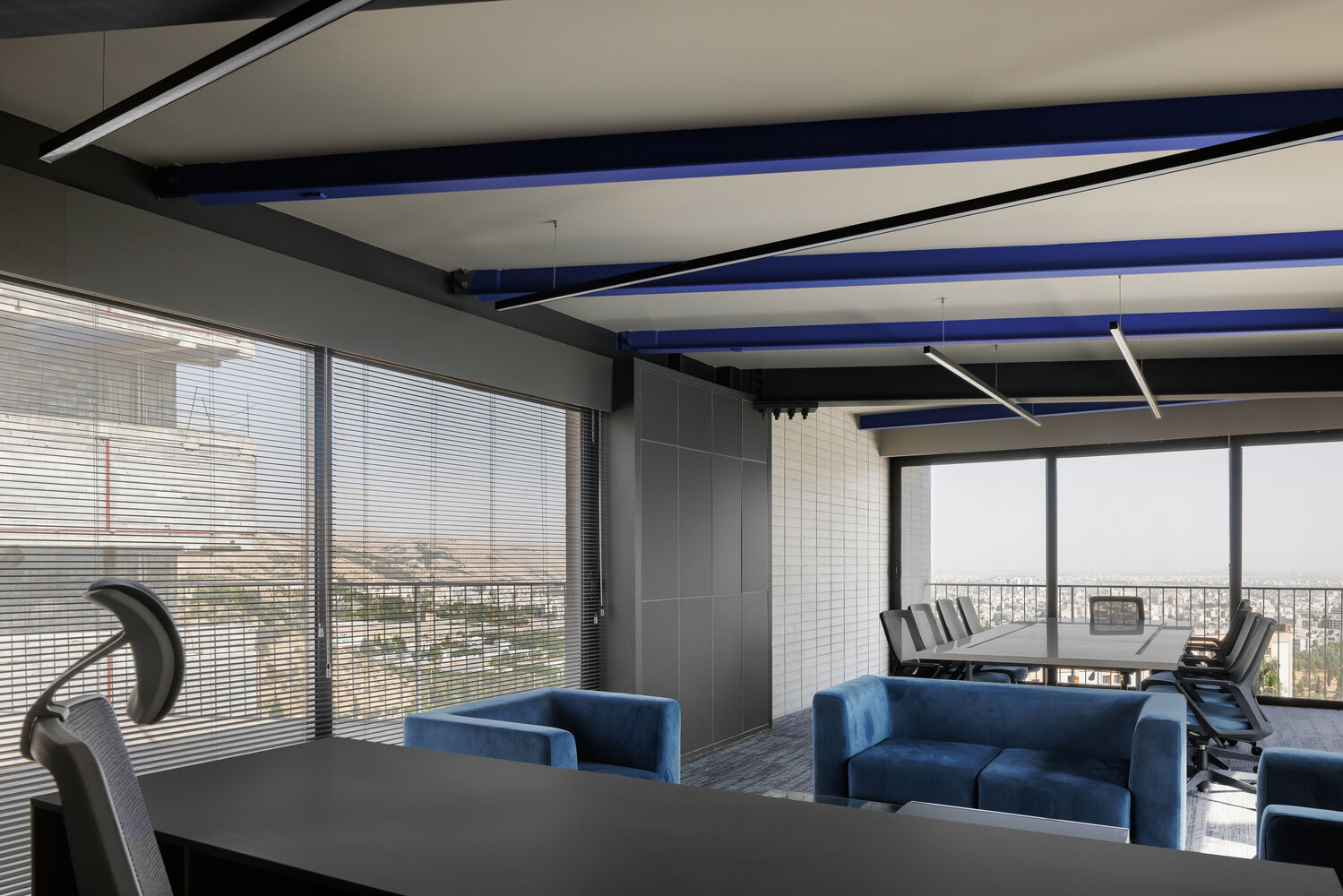
Contemporary universities demand spaces that are flexible and embrace multiplicity—spaces that move beyond single-purpose functions and allow for diverse scenarios to unfold. In this regard, dynamic programming becomes a pressing necessity.
STRATEGY
Our proposal is grounded in re-programming, a design approach that transforms the building from a static object into an event platform.
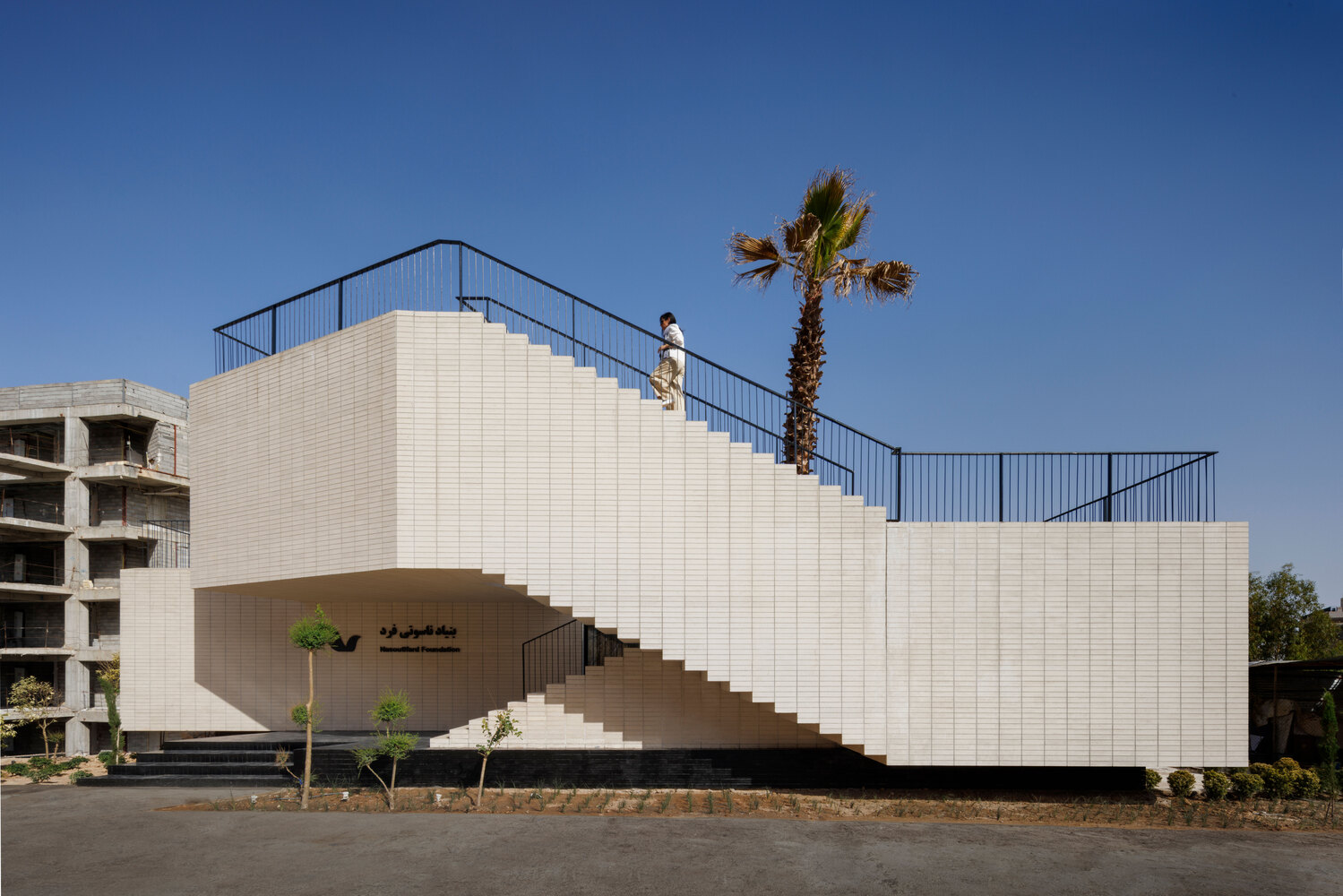
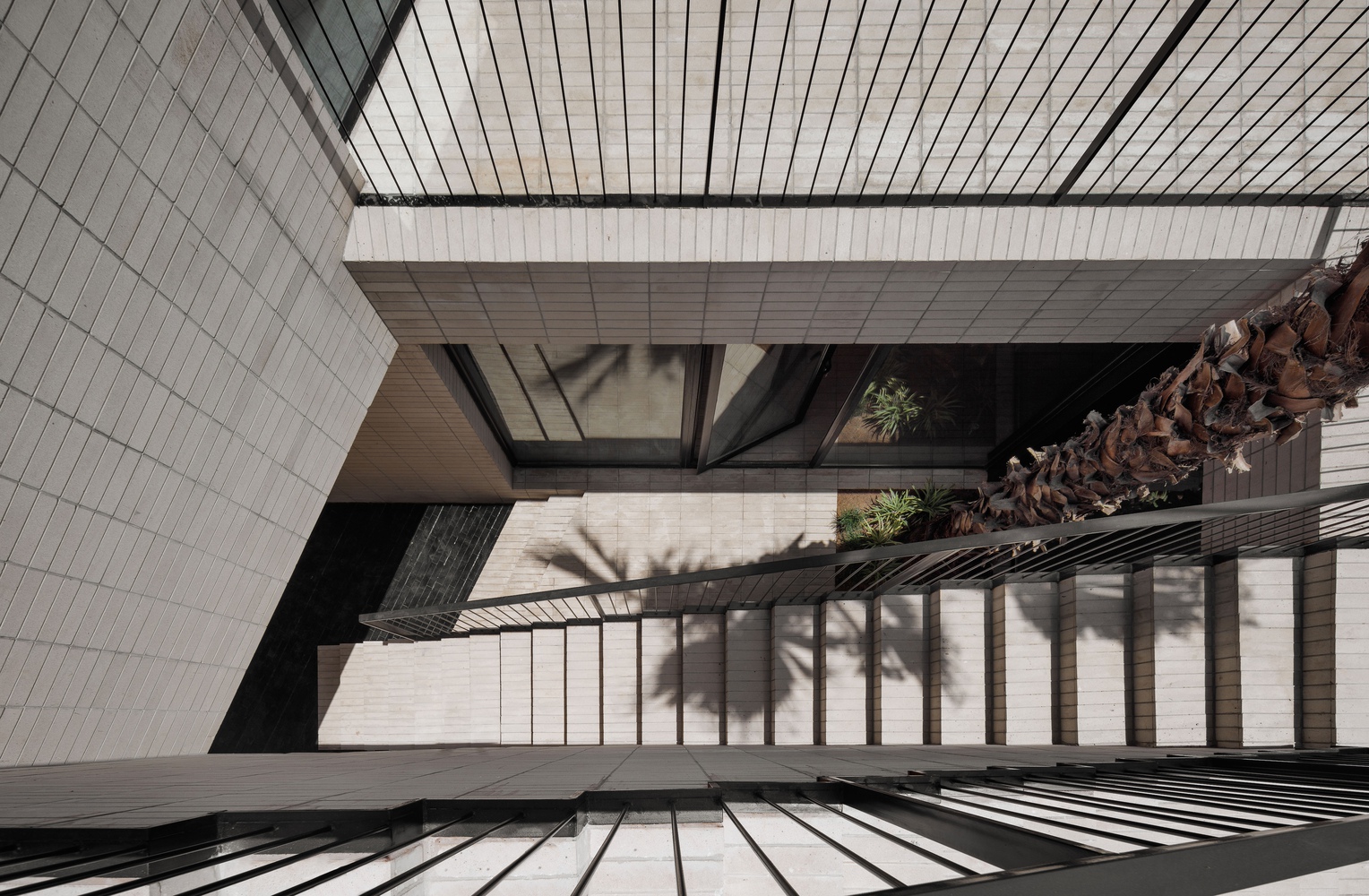
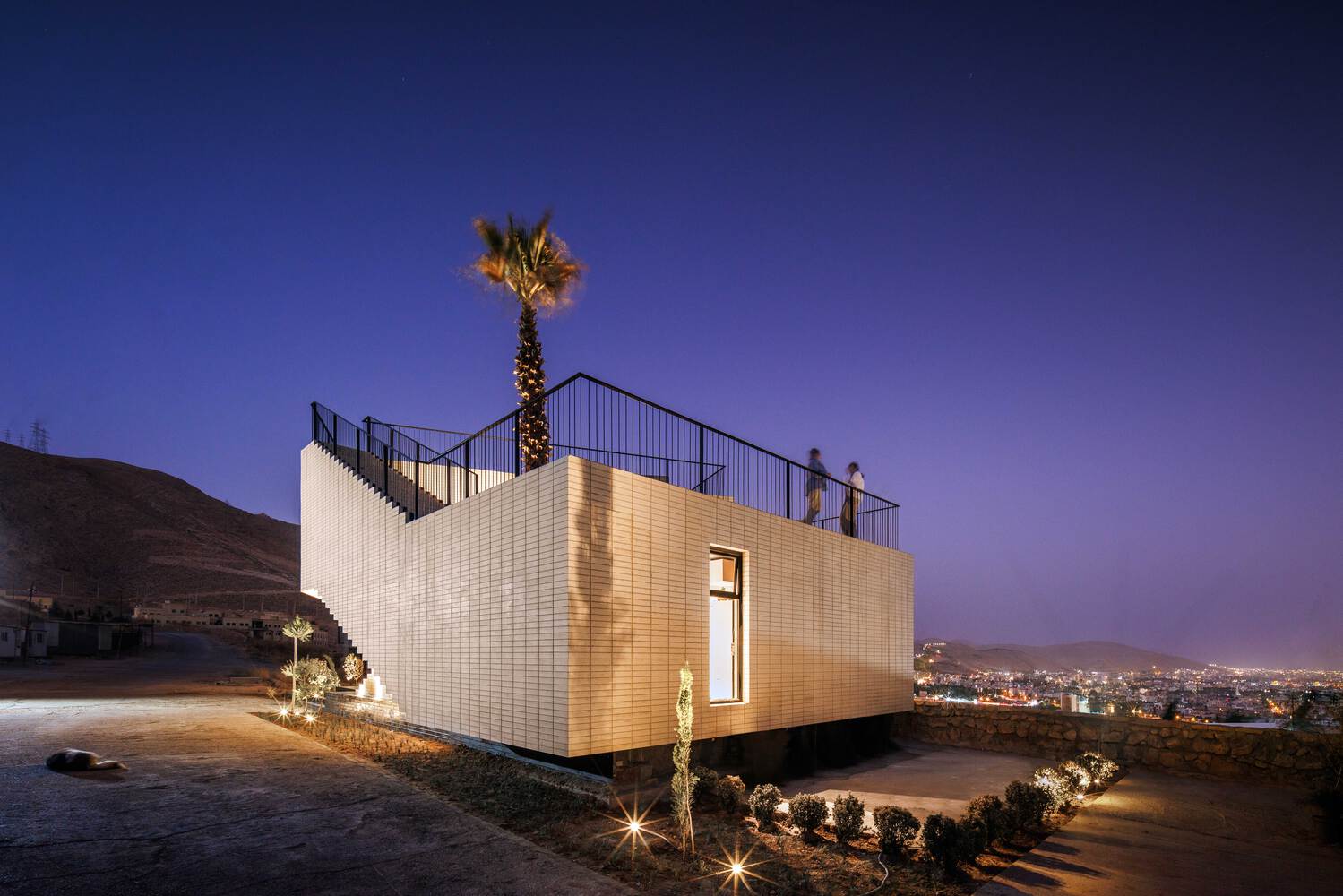
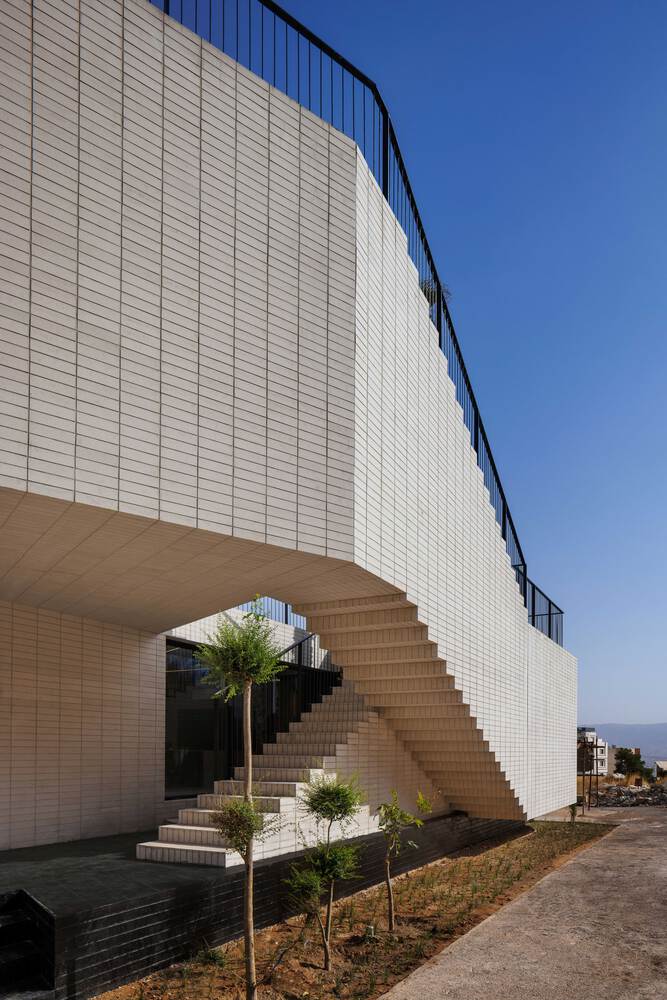
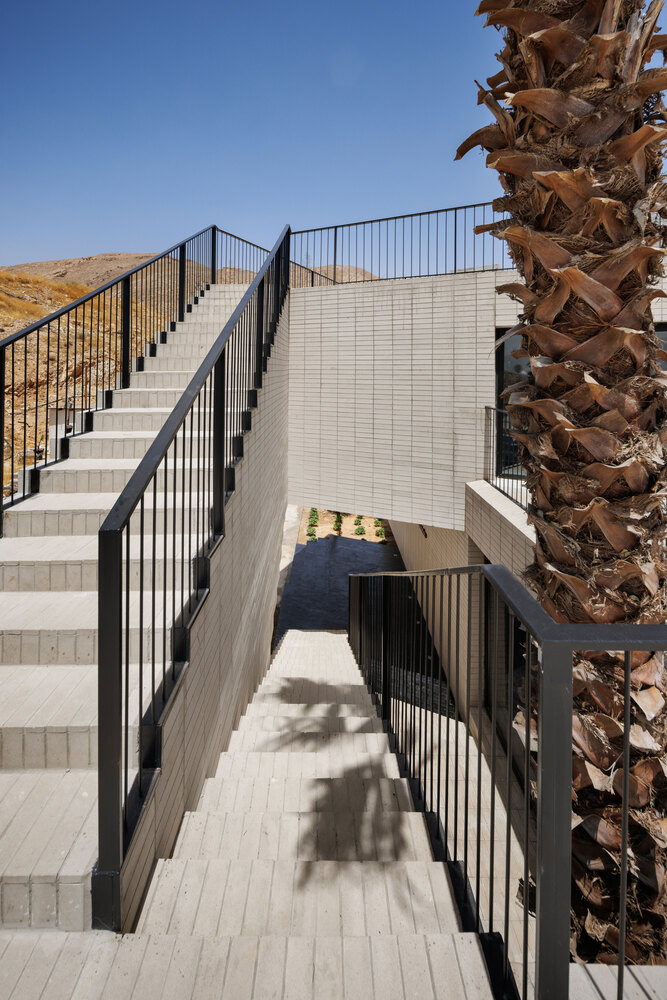
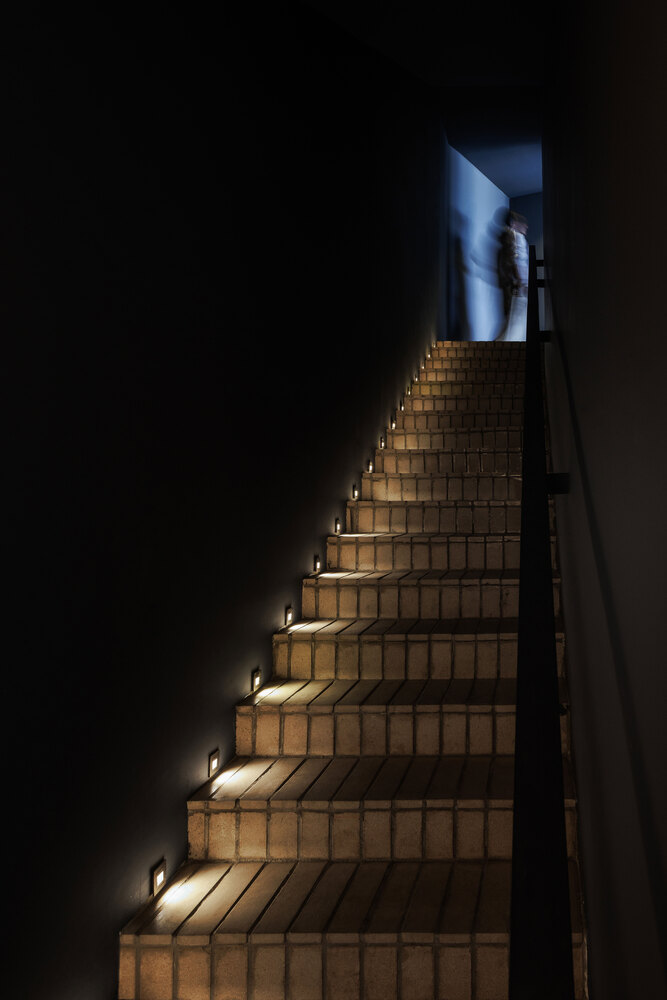
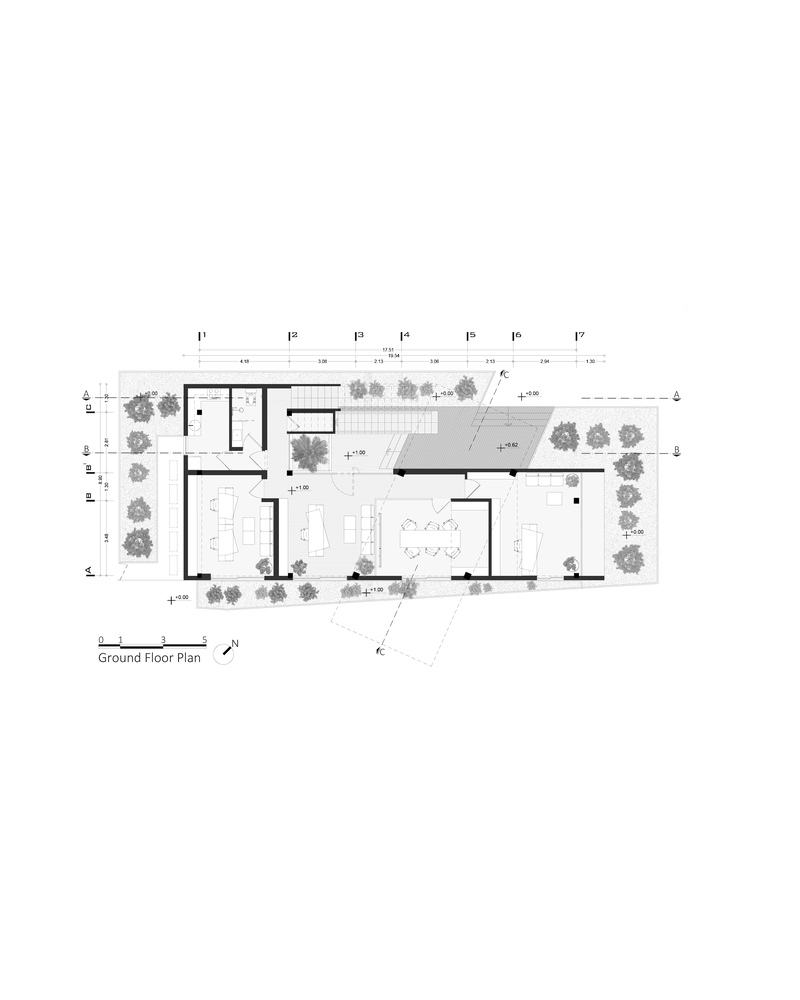
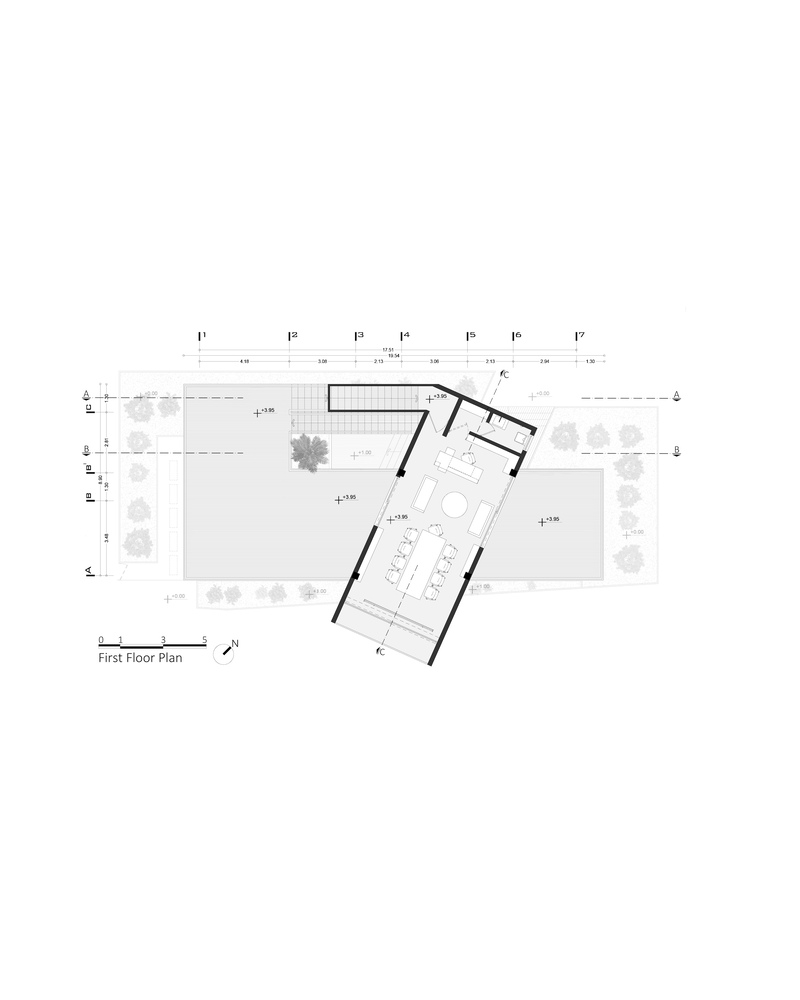
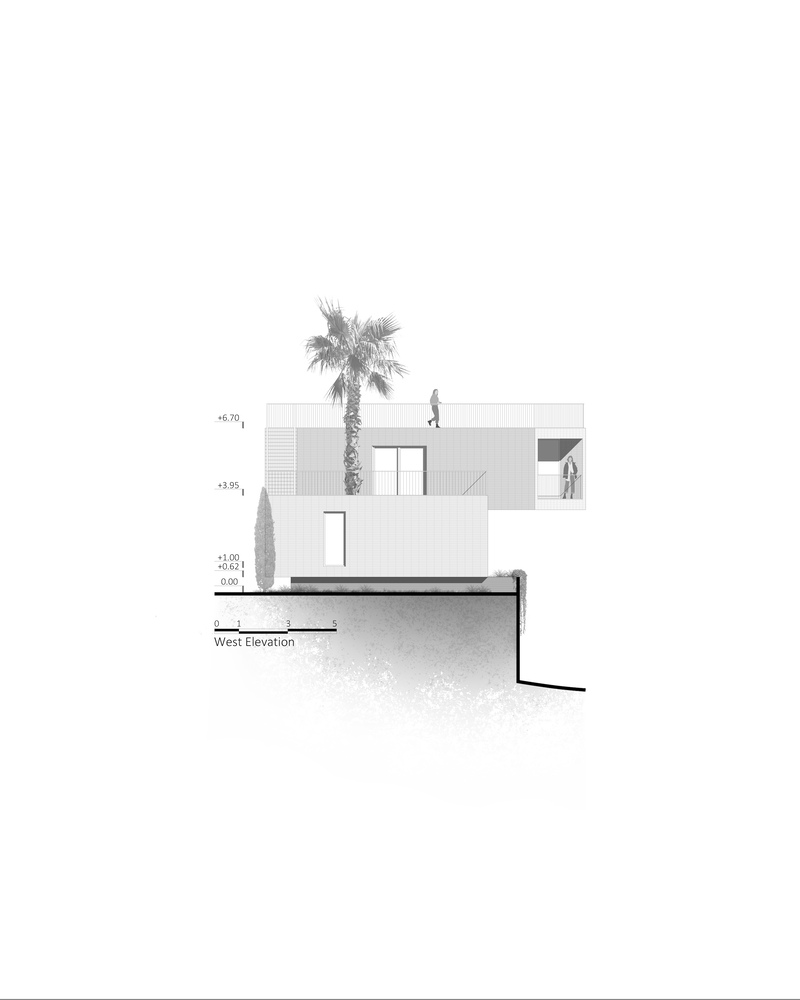
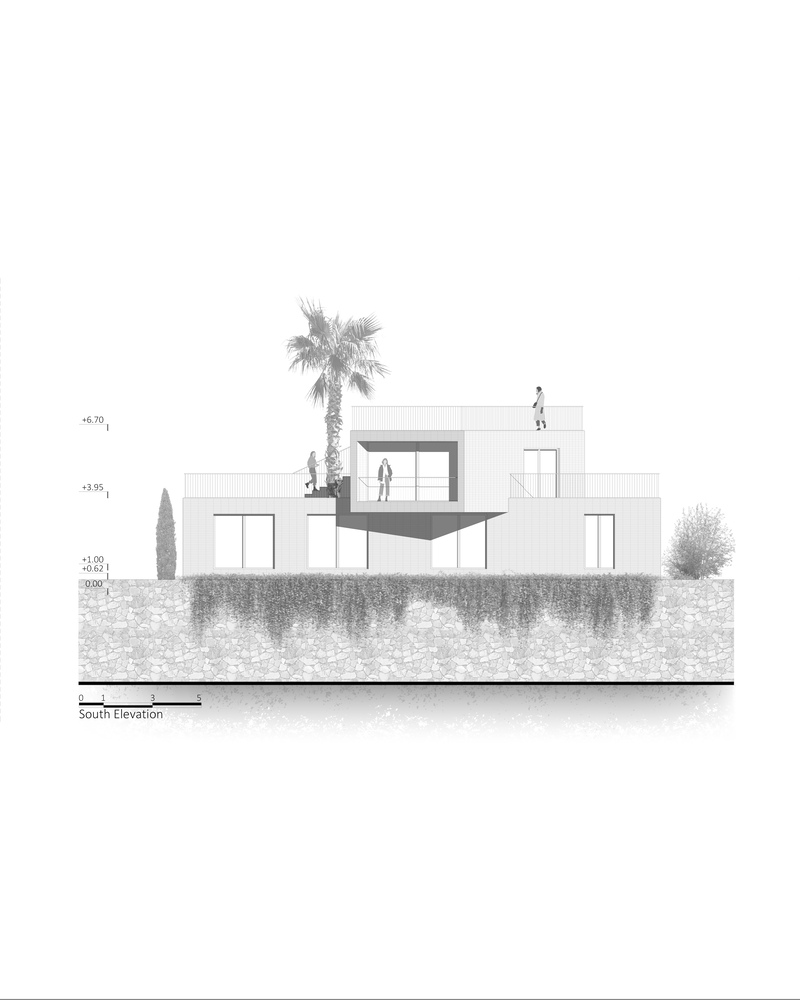
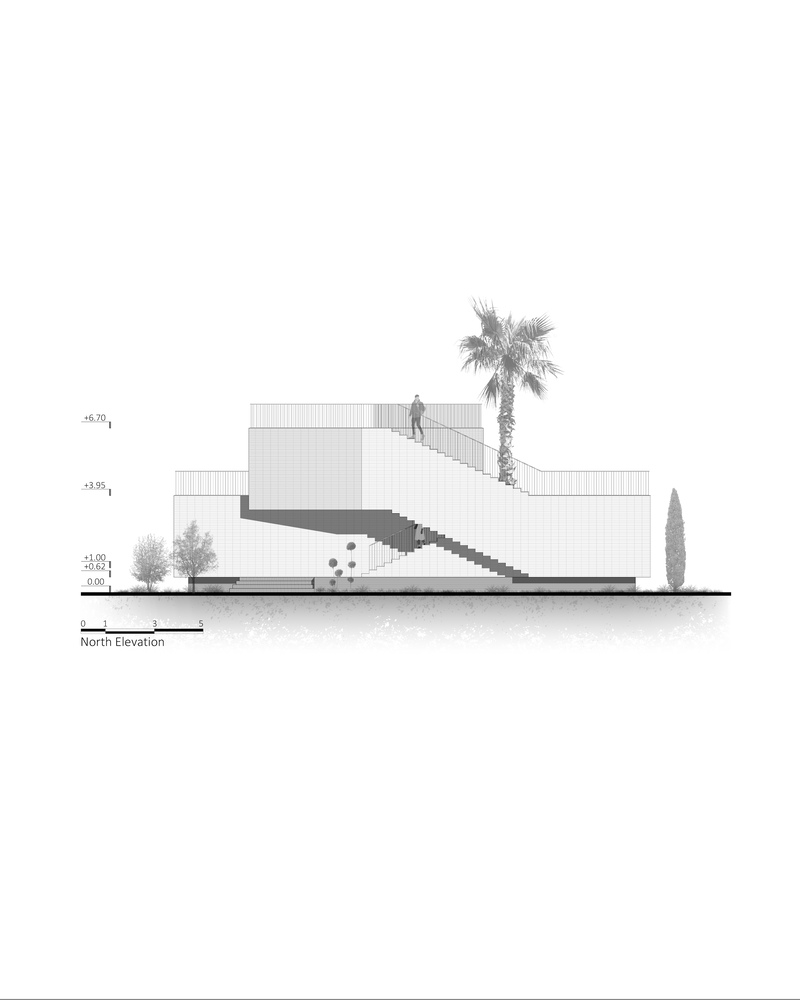
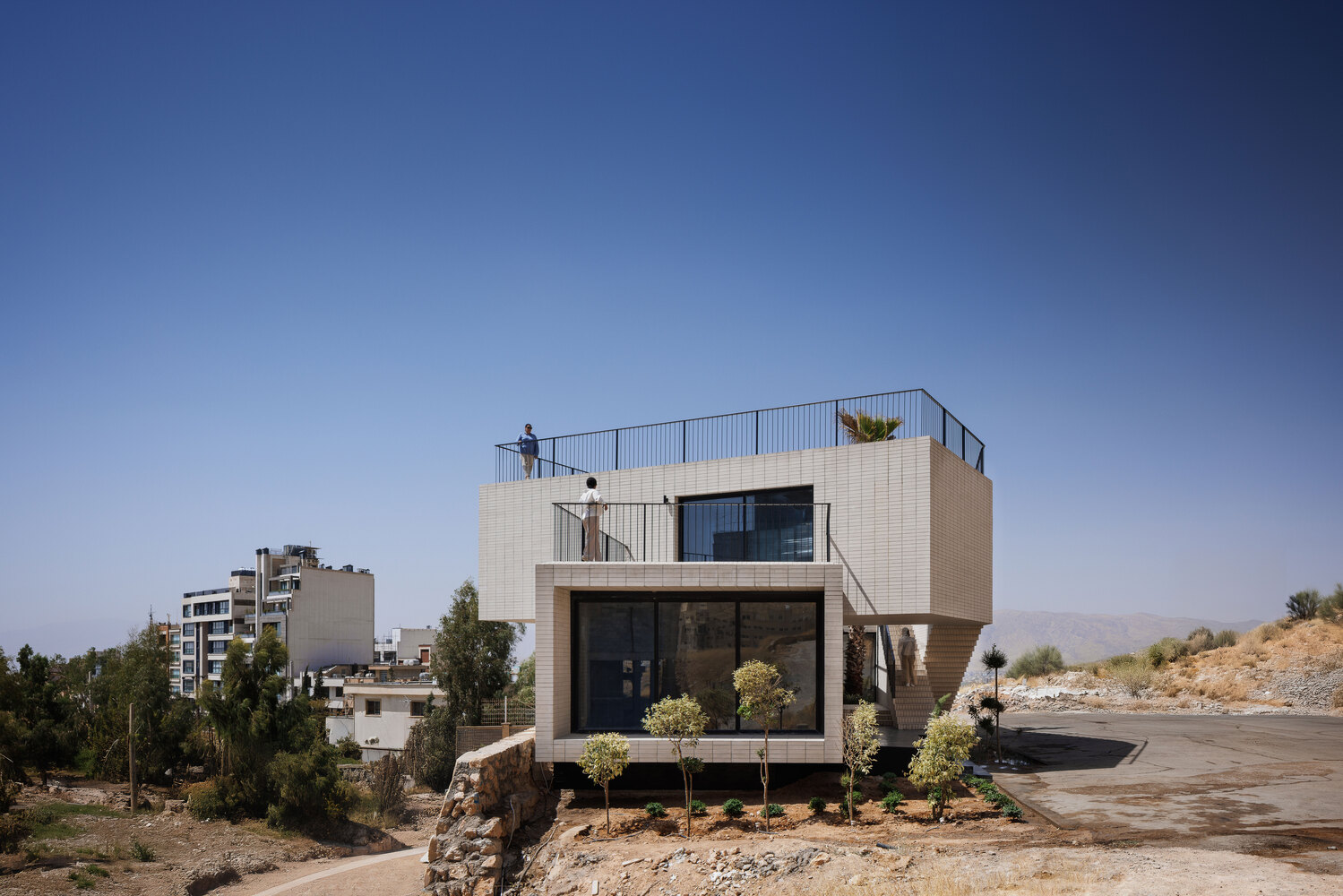
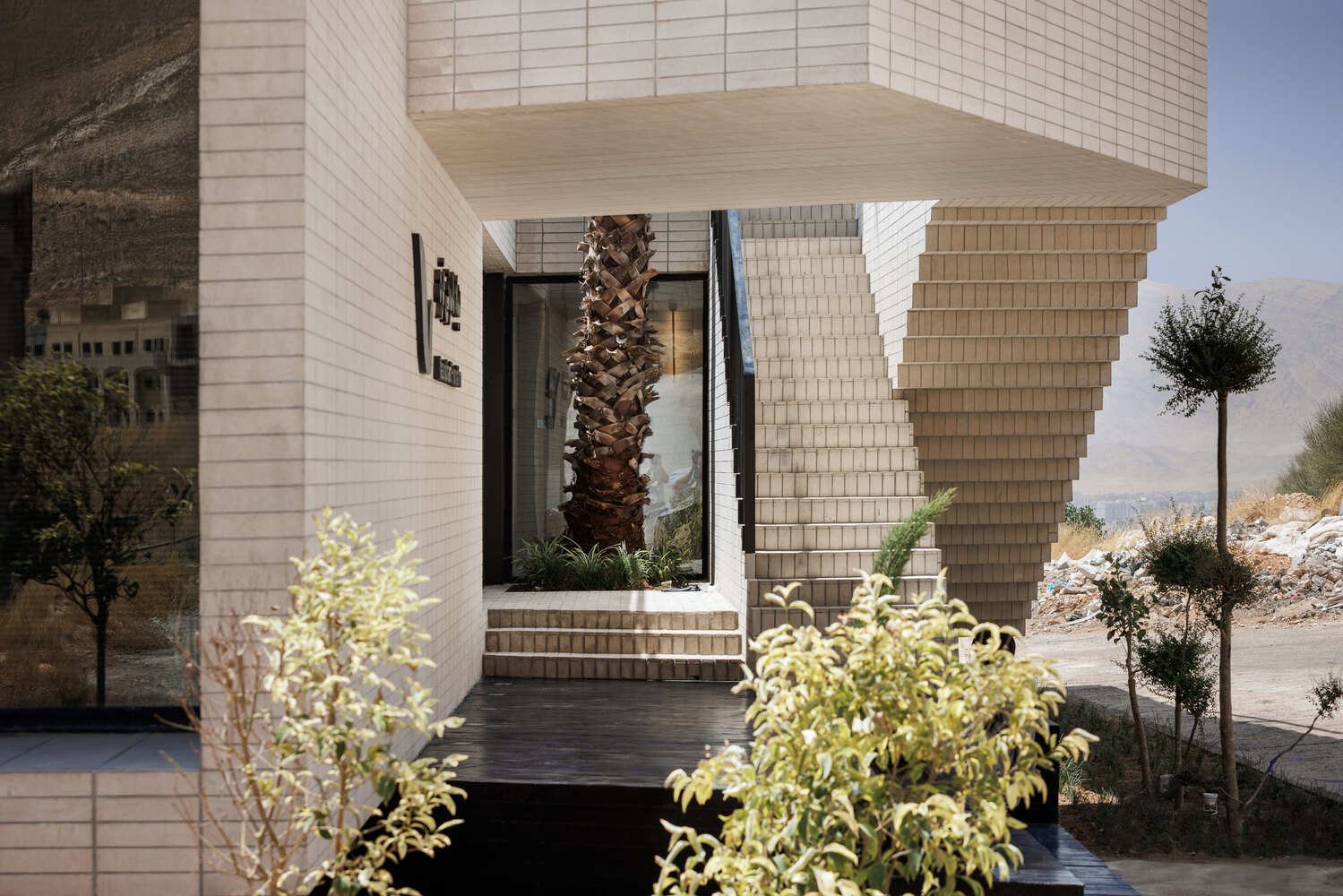
During the day, the building accommodates its managerial and administrative functions; however, after working hours, its plinth, terraces, and roof evolve into a student stage: a setting for study, conversation, gatherings, film screenings, or even collective silence.
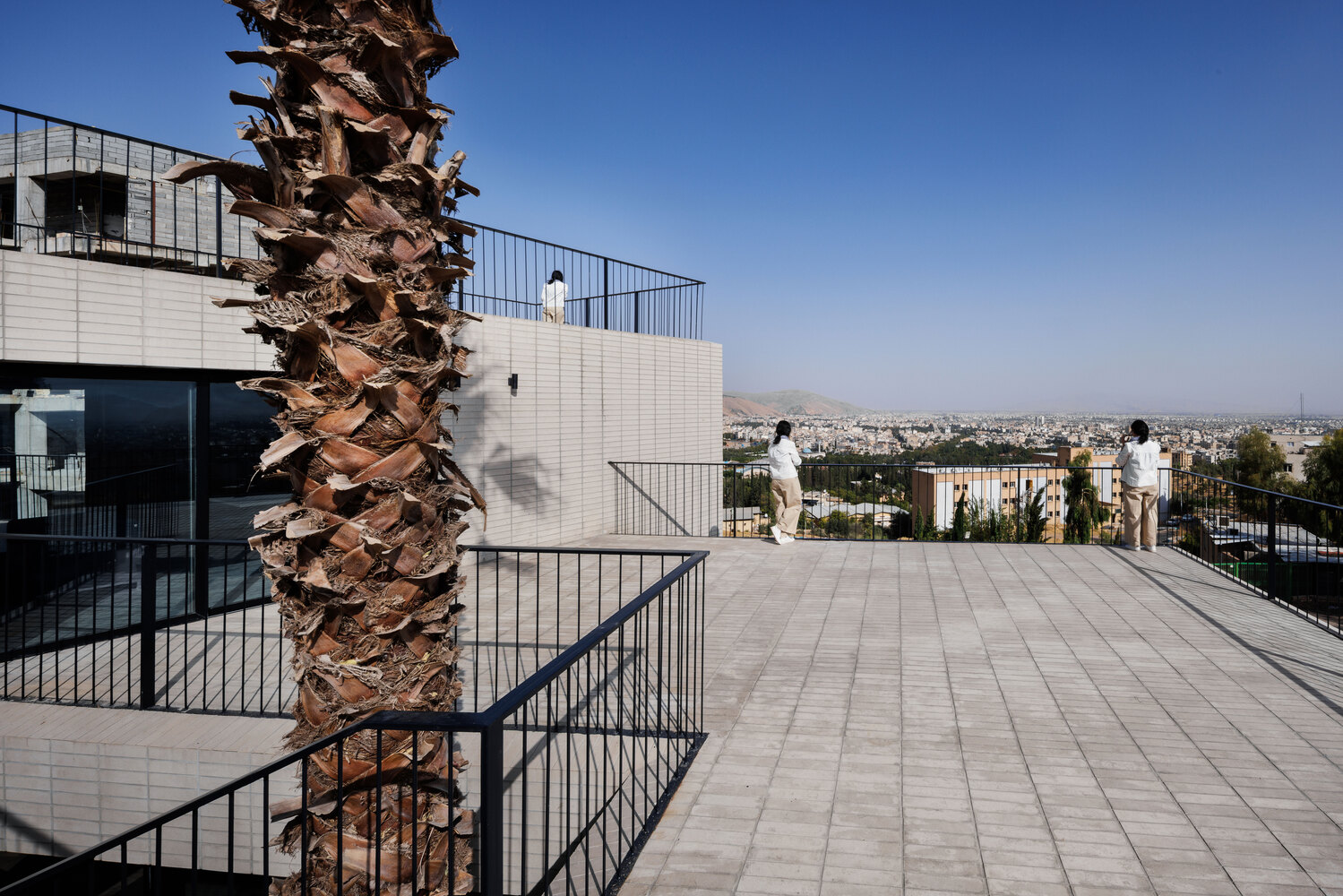
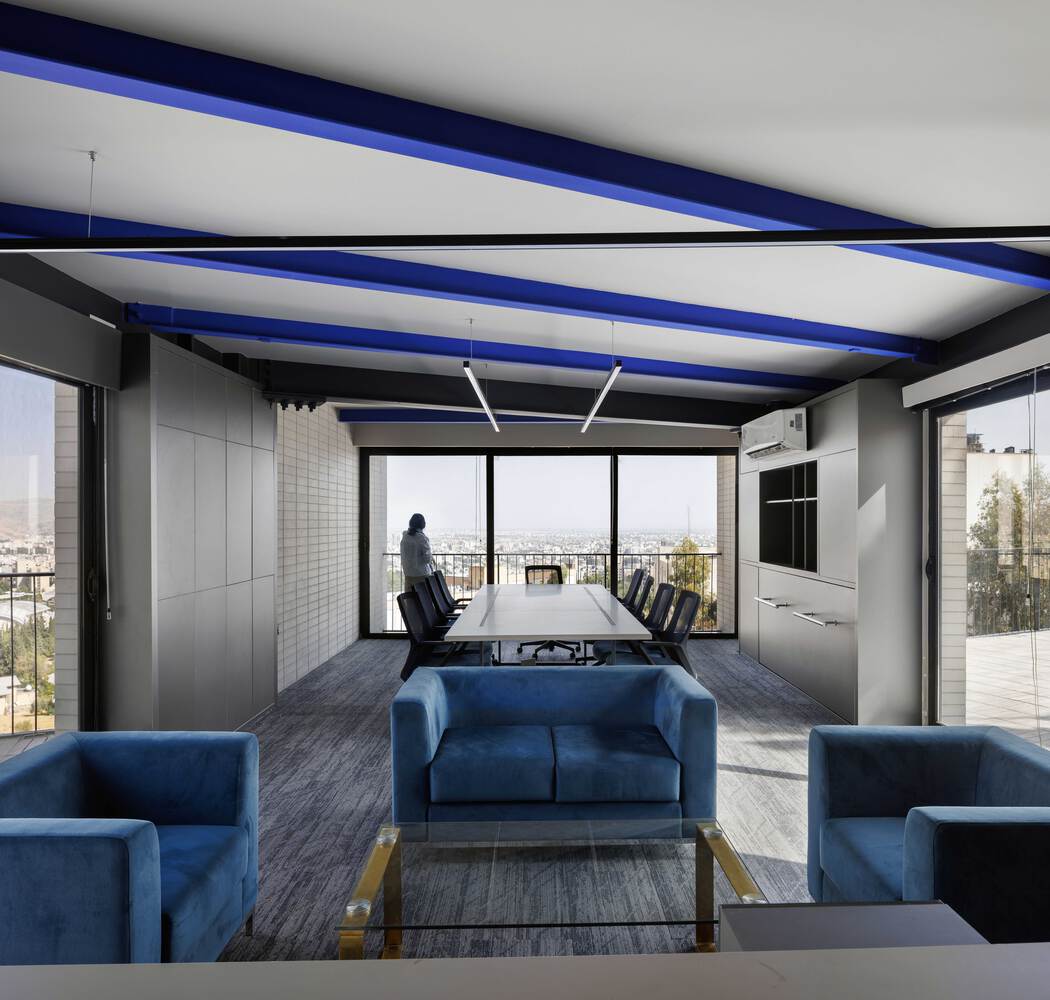
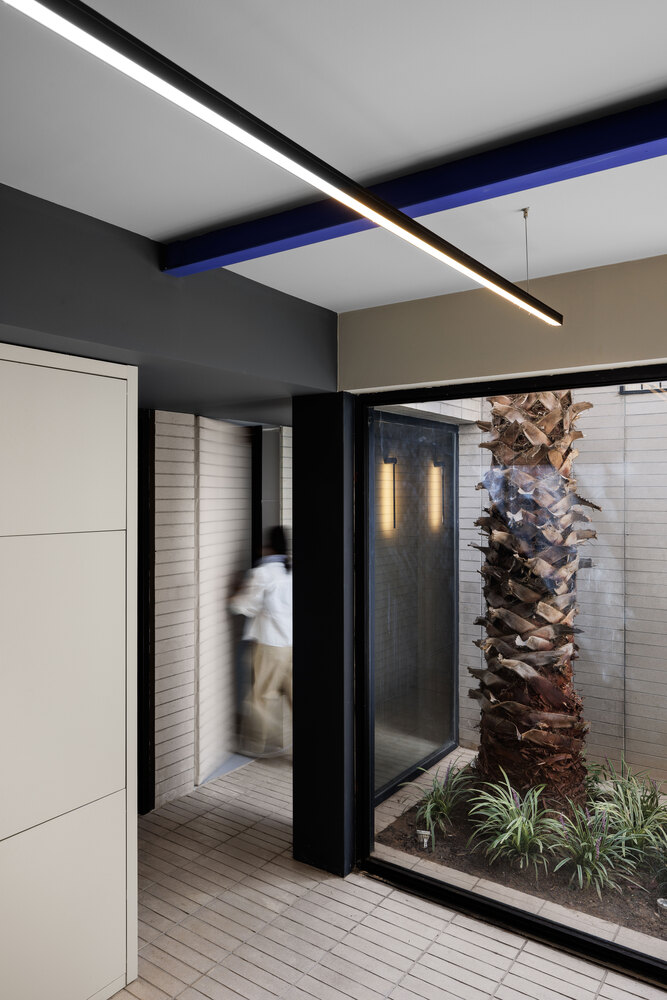
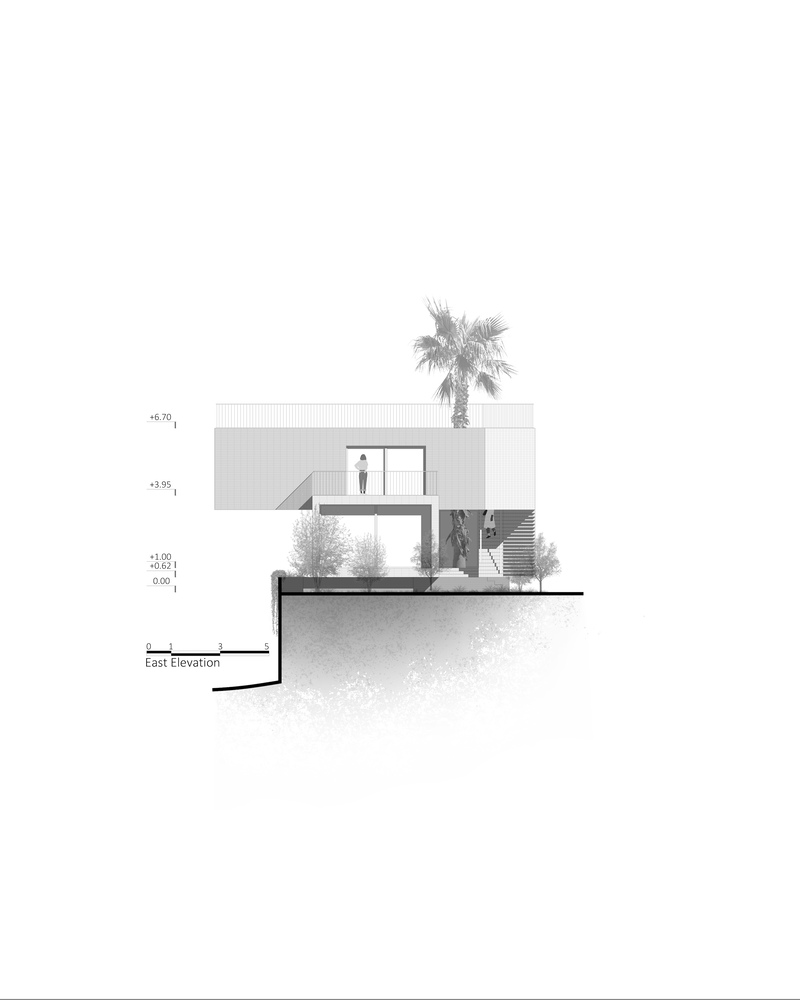
The roof is not merely a physical surface but a platform for collective performance. Terraces and roofs function as in-between spaces, mediating between inside and outside, formal and informal, individual and collective. These thresholds enable overlapping scenarios, foster informal interactions, and cultivate shared experiences of student life, thereby supporting fluidity, creativity, and social cohesion.
FUTURE
Such an architectural approach has the potential to transcend static conditions and transform into a dynamic event within the life of the university, an architecture that not only accommodates management, but also activates the collective vitality of students.