
Zero Emission Data Center Ishikari (Zed Ishikari)
ZERO EMISSION DATA CENTER ISHIKARI (ZED ISHIKARI)
Taisei Design Planners Architects & Engineers
ARCHITECTS
Taisei Design Planners Architects & Engineers
LANDSCAPE DESIGN
Keita Watanabe
MEP ENGINEER
Noriyuki Toyohara, Akira Yamaguchi, Shogo Sato, Koki Iesaka
STRUCTURAL ENGINEER
Shinya Nishimoto, Yuji Isshiki, Kazuma Kano, Kei Sakurai
DESIGN TEAM
Takefumi Doi, Kandai Tanaka, Kento Emori, Kensuke Harada* (*former Affiliation)
MANUFACTURERS
ABC Trading Co., Ltd., Hitachi Global Life Solutions,Inc, KIMURA KOHKI Co., Ltd., ORION MACHINERY CO.,LTD, Sekistone, TOTO LTD., Toli Corporation
CONTRACTOR
Taisei Corporation
PHOTOGRAPHS
Katsumasa Tanaka
AREA
5354 m²
YEAR
2024
LOCATION
Ishikari, Japan
CATEGORY
Industrial Architecture
English description provided by the architects.
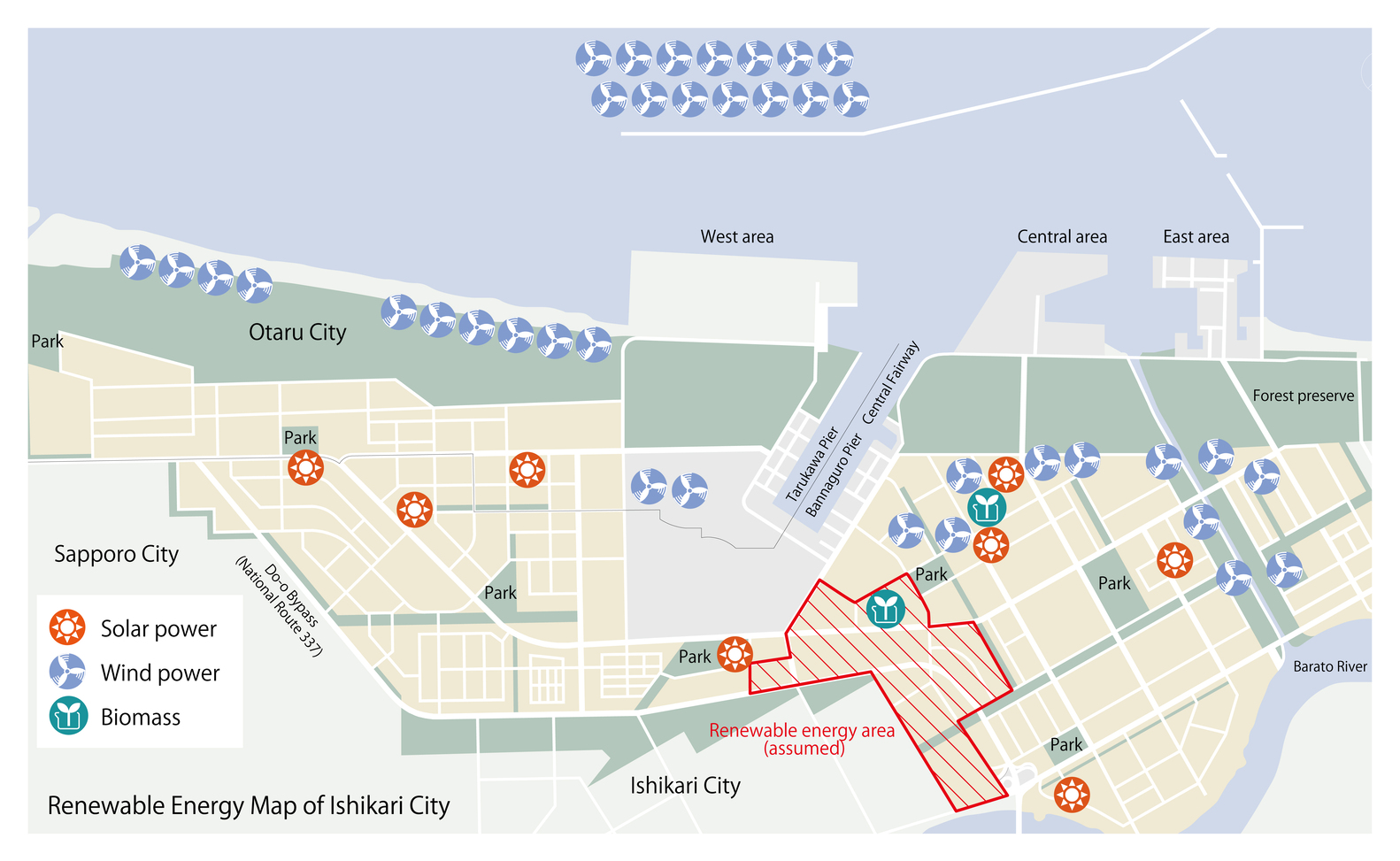
Aiming for architecture that harmoniously coexists with nature – ZED Ishikari is located in a 100% renewable energy area in the industrial zone extending along Ishikari Bay in Hokkaido.
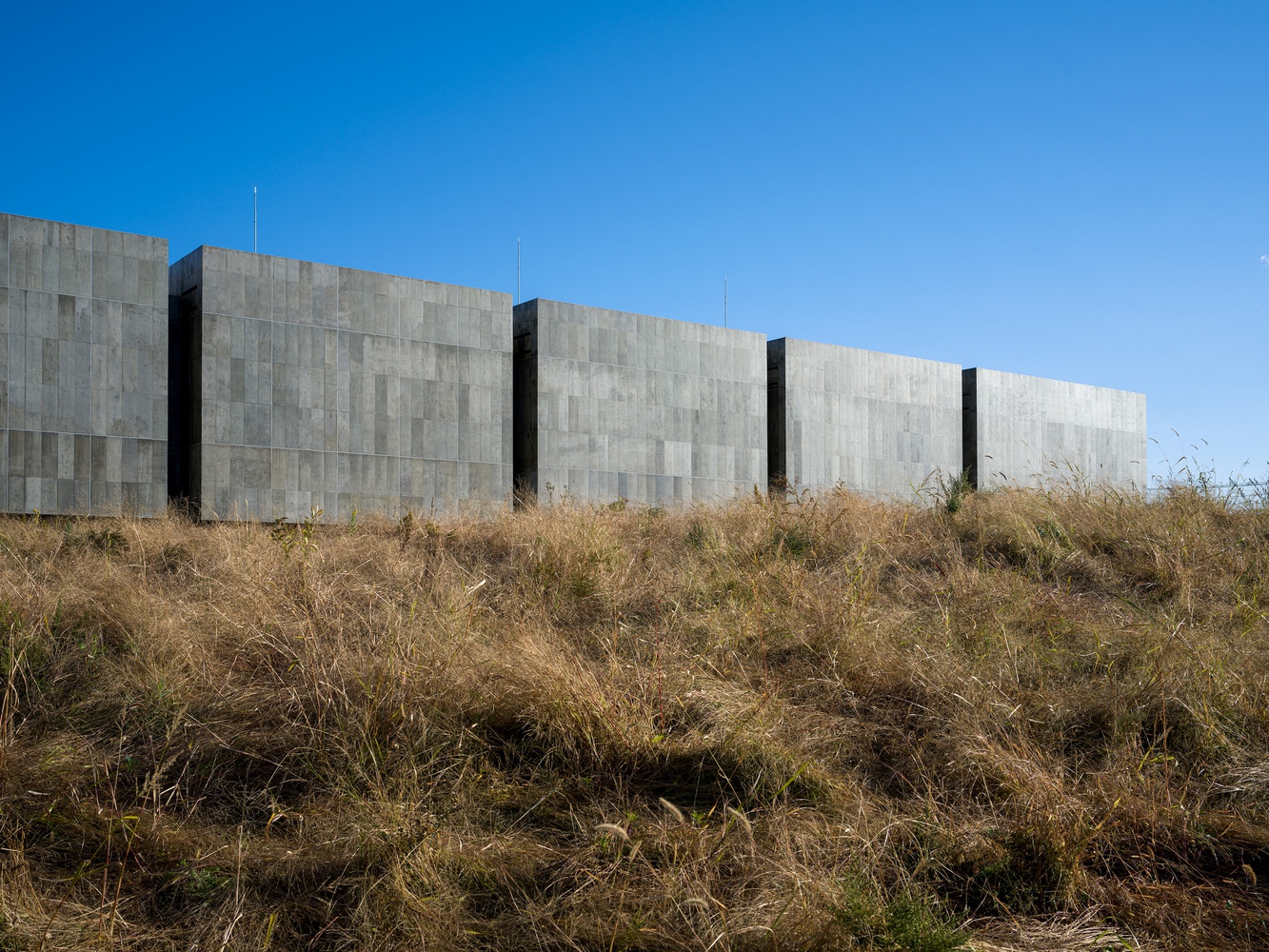
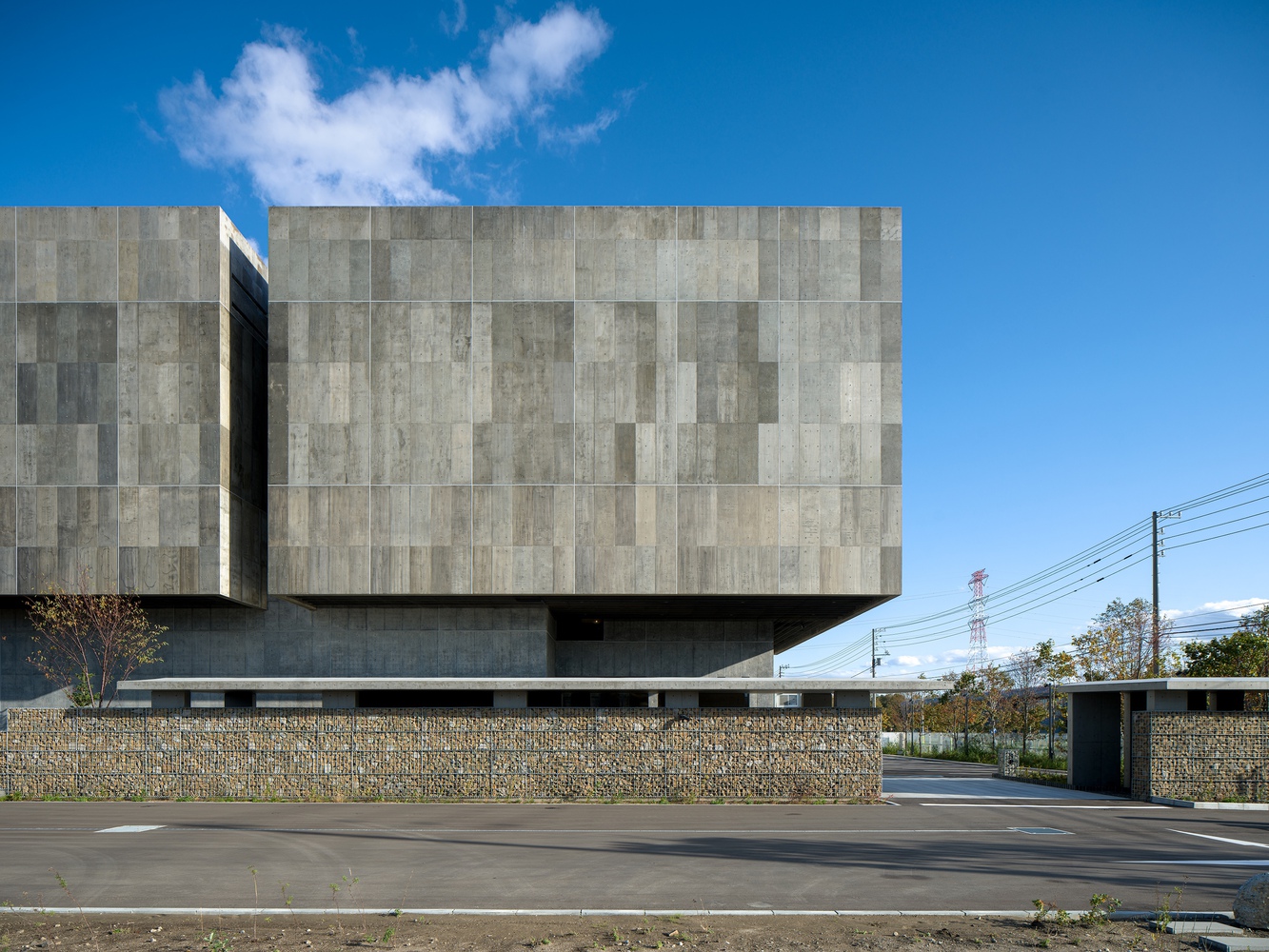
This is a region where people have been exploring ways to adapt to the vagaries of nature, such as inclement climate and the flooding of the Ishikari River.
Human activities associated with settlement and industrial development have had a great impact on the natural environment. The same region, however, has become a place that benefits from natural energy.
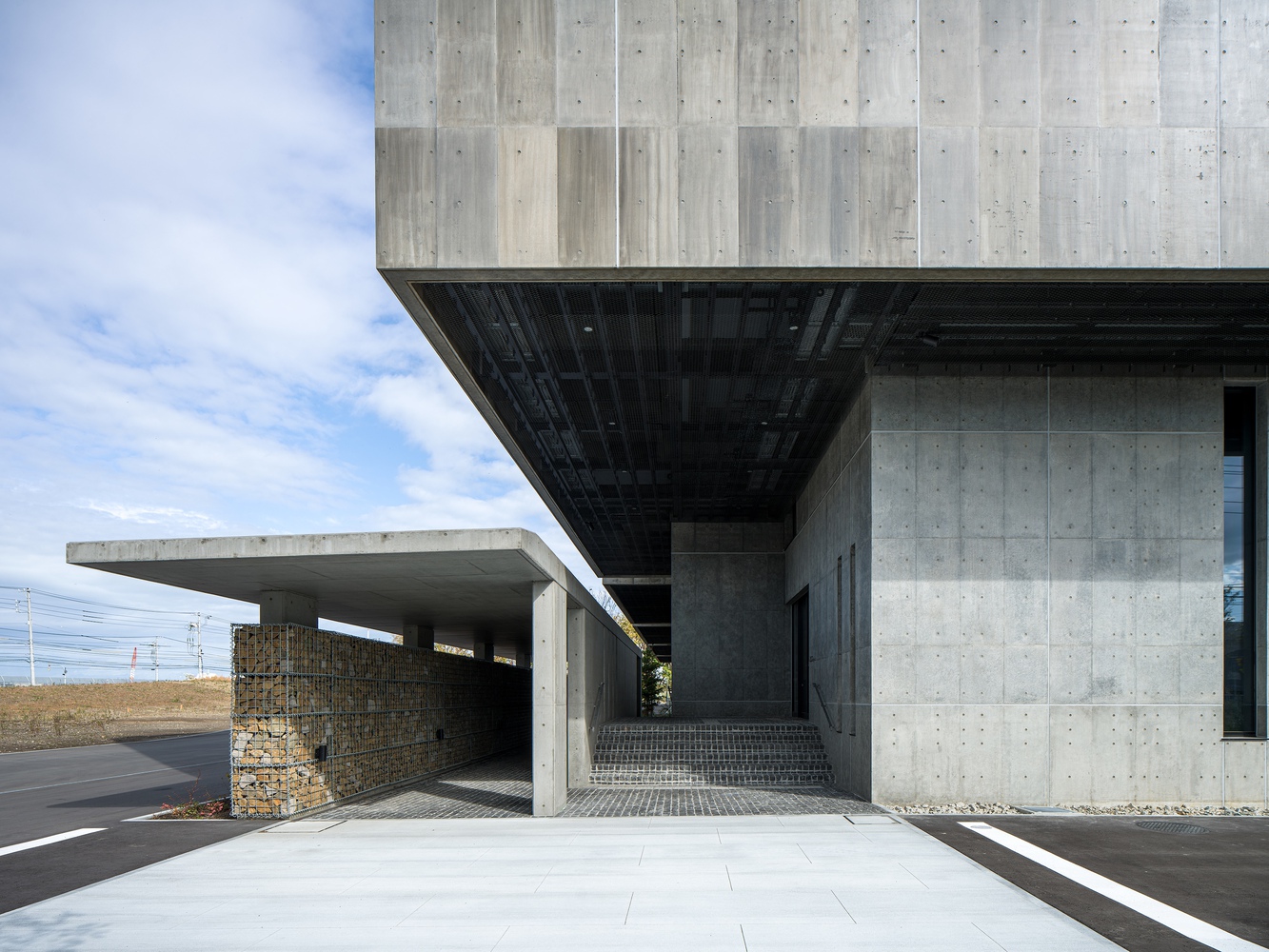
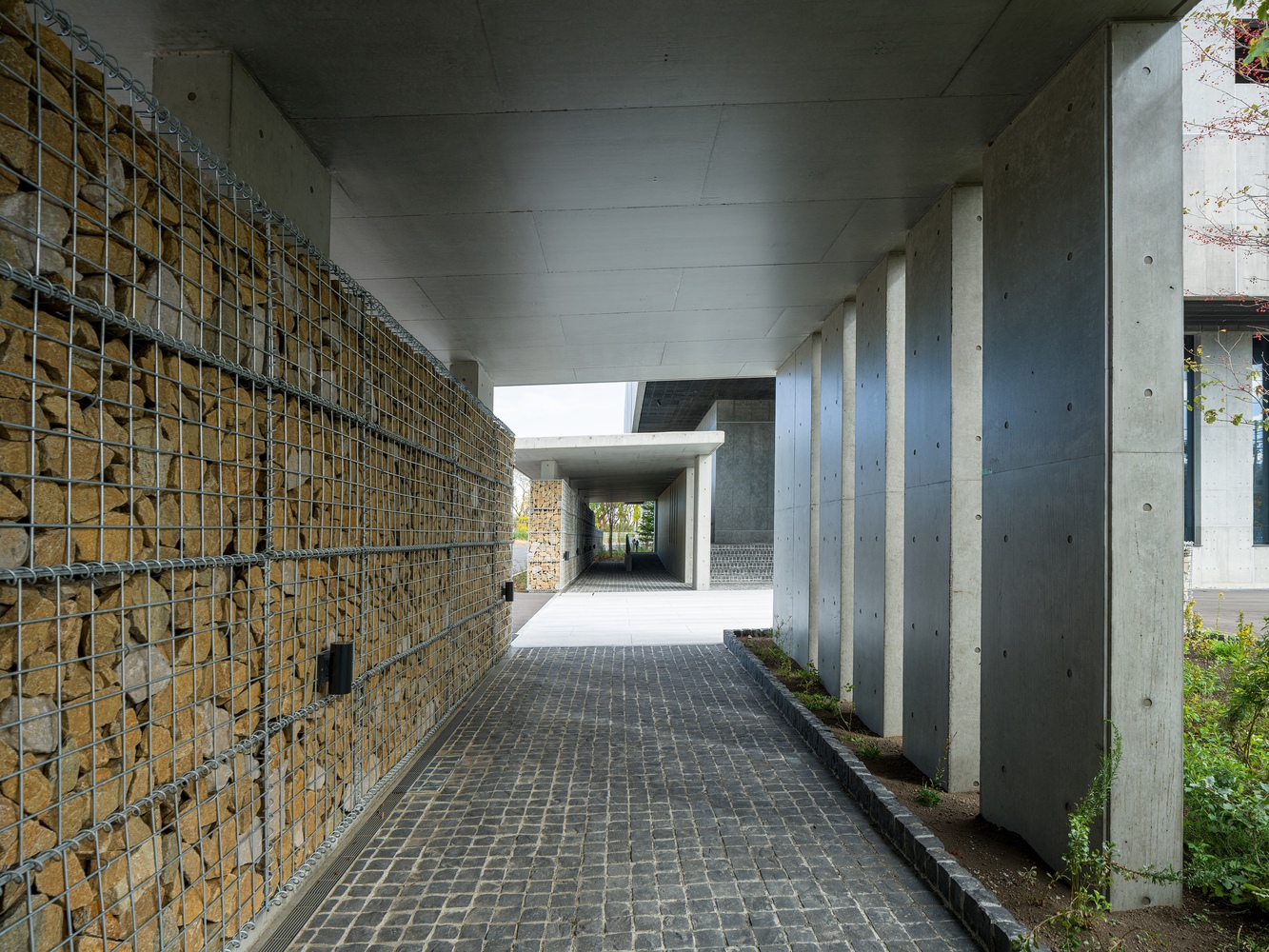
In planning for the construction of Zero Emission Data Center Ishikari (ZED Ishikari), Japan's first zero-emission data center operated entirely on renewable energy at all times, we aimed for architecture that is altruistic, embracing nature as part of its own laws and cycles, centered on the theme of four "cycles," namely, community, energy, materials and living things, instead of trying to achieve coexistence with a dominating attitude.
PROMOTING LOCAL ENERGY CYCLES
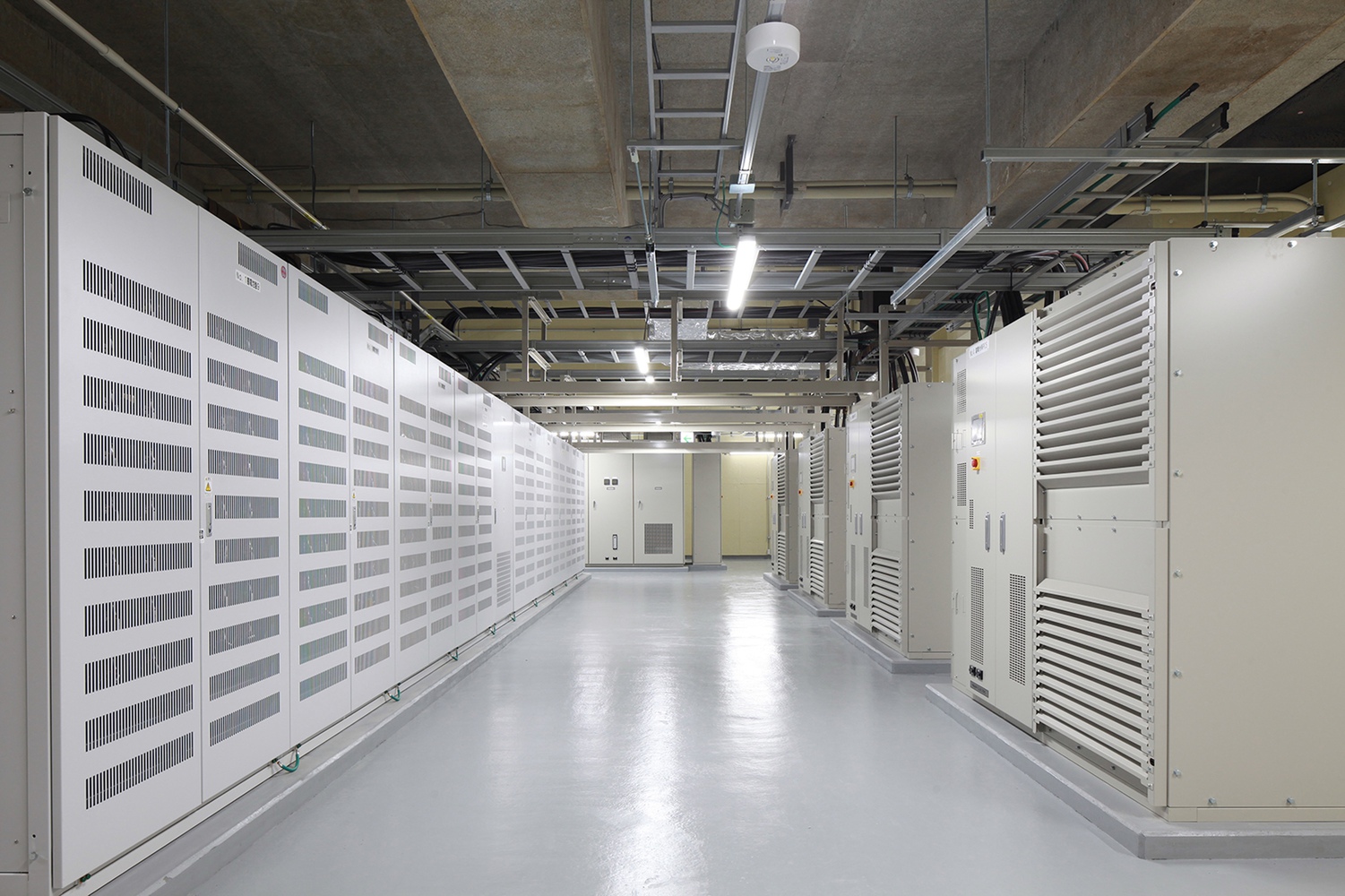
Designed as a data center with a power receiving capacity of 2 to 3 megawatts and equipped with 400 racks, ZED Ishikari receives power from a solar power plant (output 1.8 MW) and an offshore wind power plant in Ishikari Bay and ensures a stable supply of renewable energy by using a battery power of 6 MWh and AI technology for power demand and supply control.
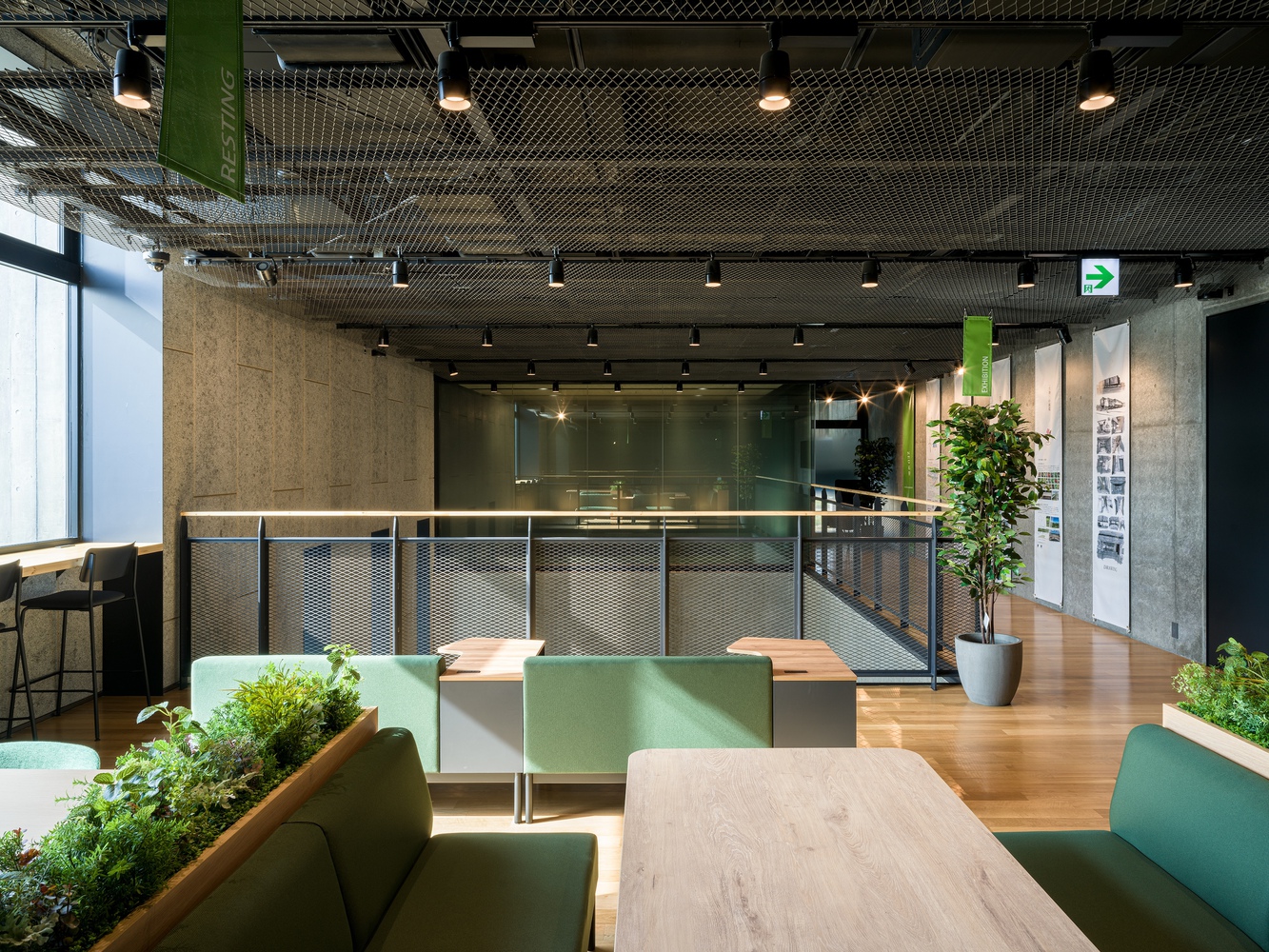
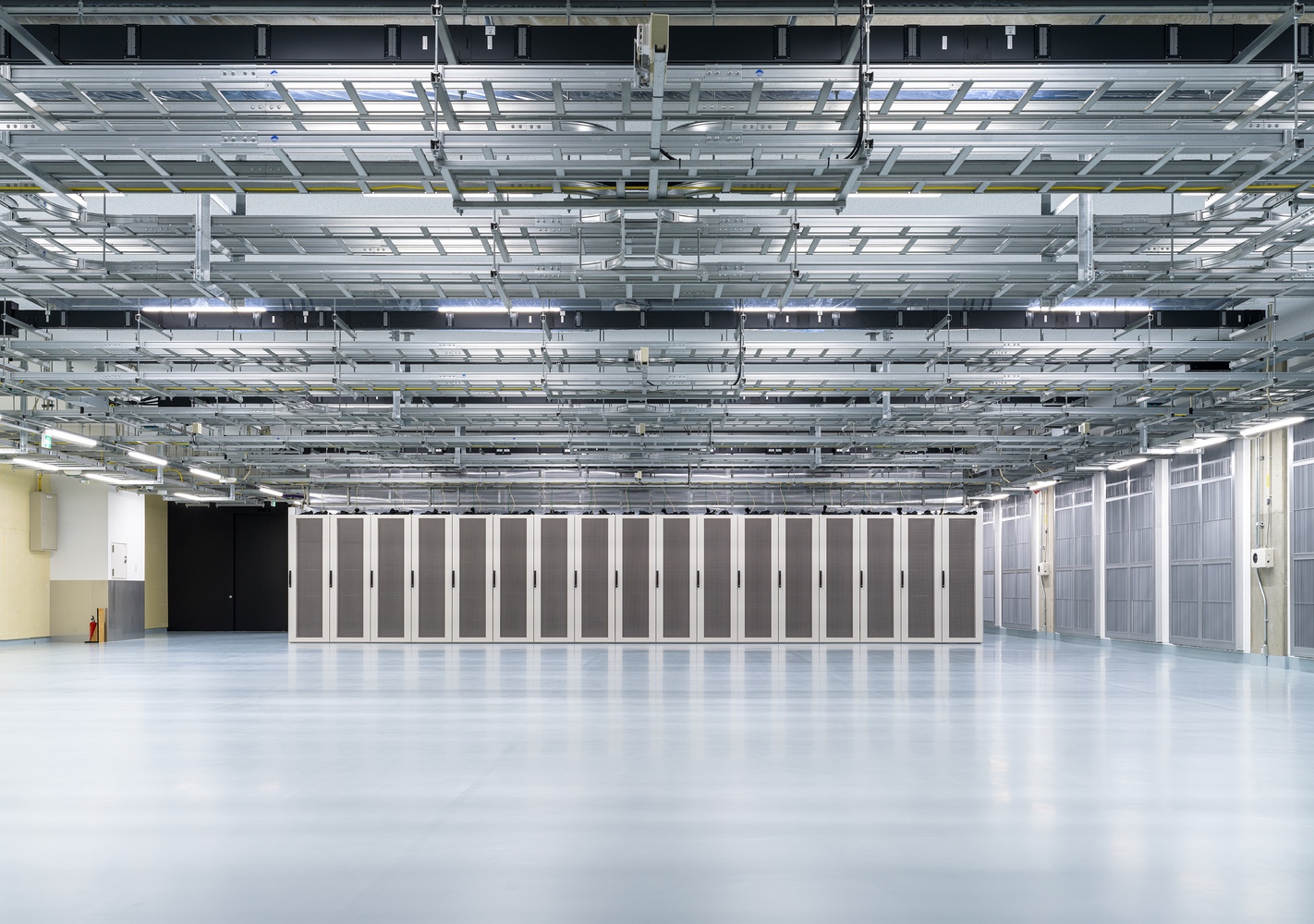
This enables around-the-clock, year-round operation powered entirely by renewable energy, contributing to local energy production and consumption and promoting the recycling of locally produced energy.
CYCLIC USE OF ENERGY
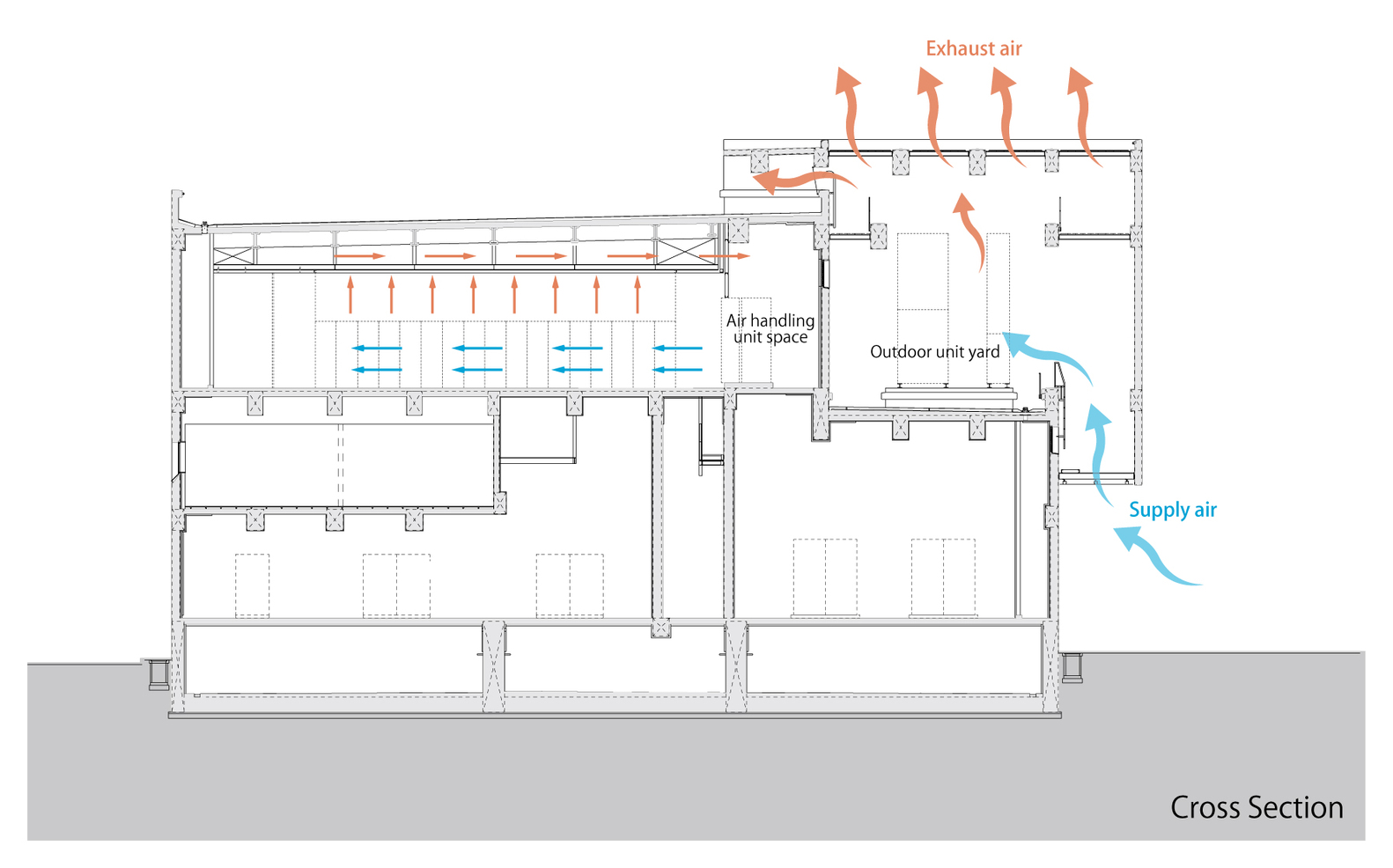
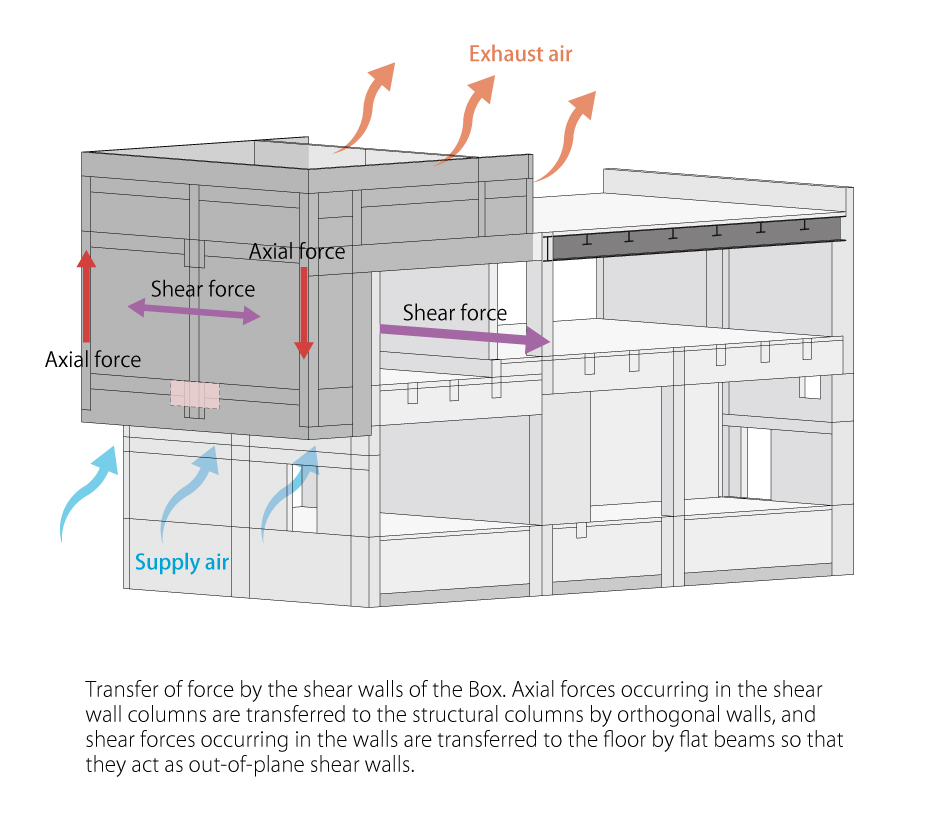
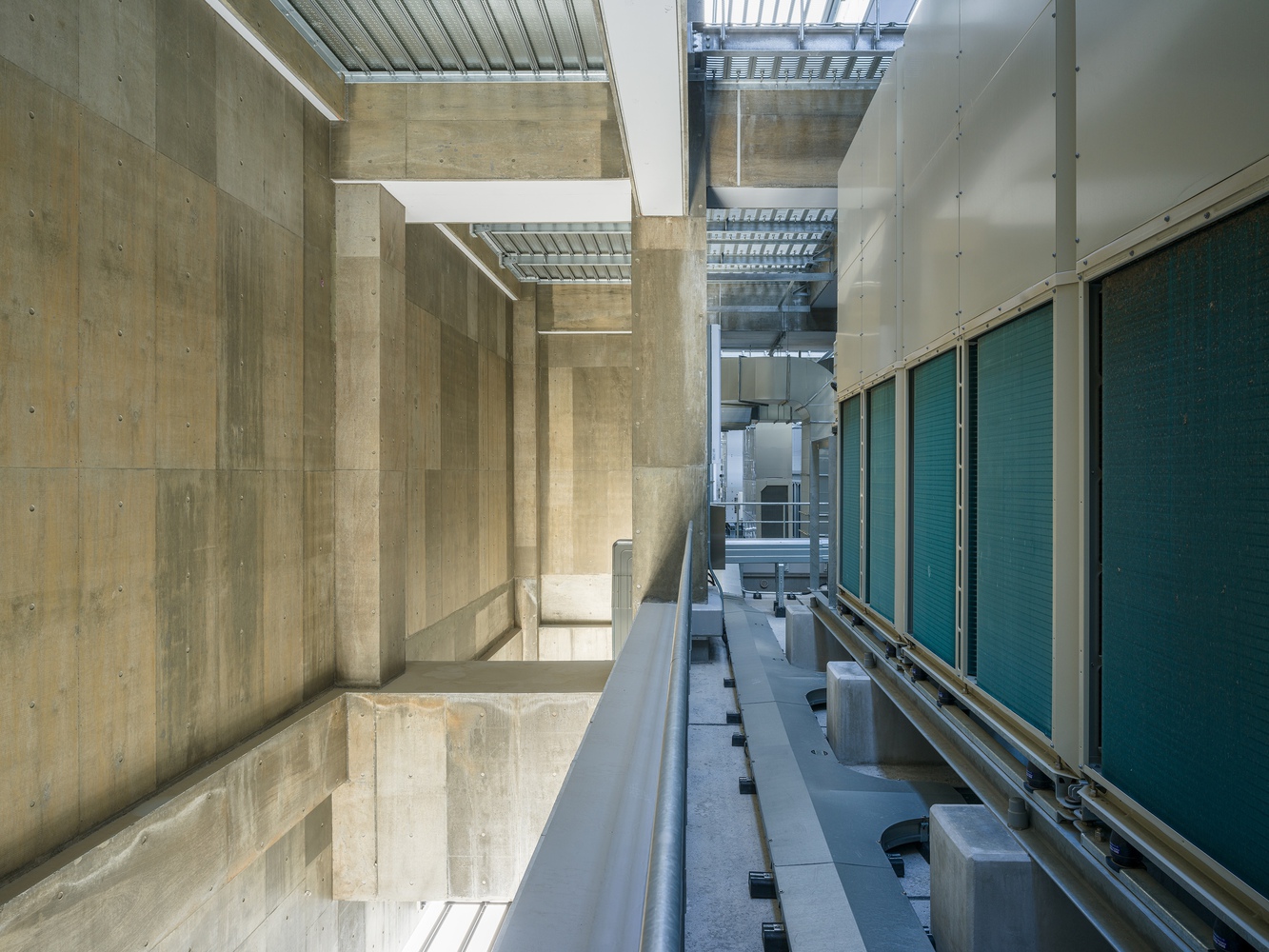
By taking advantage of the cold climate with an average summer temperature of 20°C, we adopted the air conditioning method of taking in the cool outdoor air into the building to reduce the cooling load (indirect outdoor air cooling).
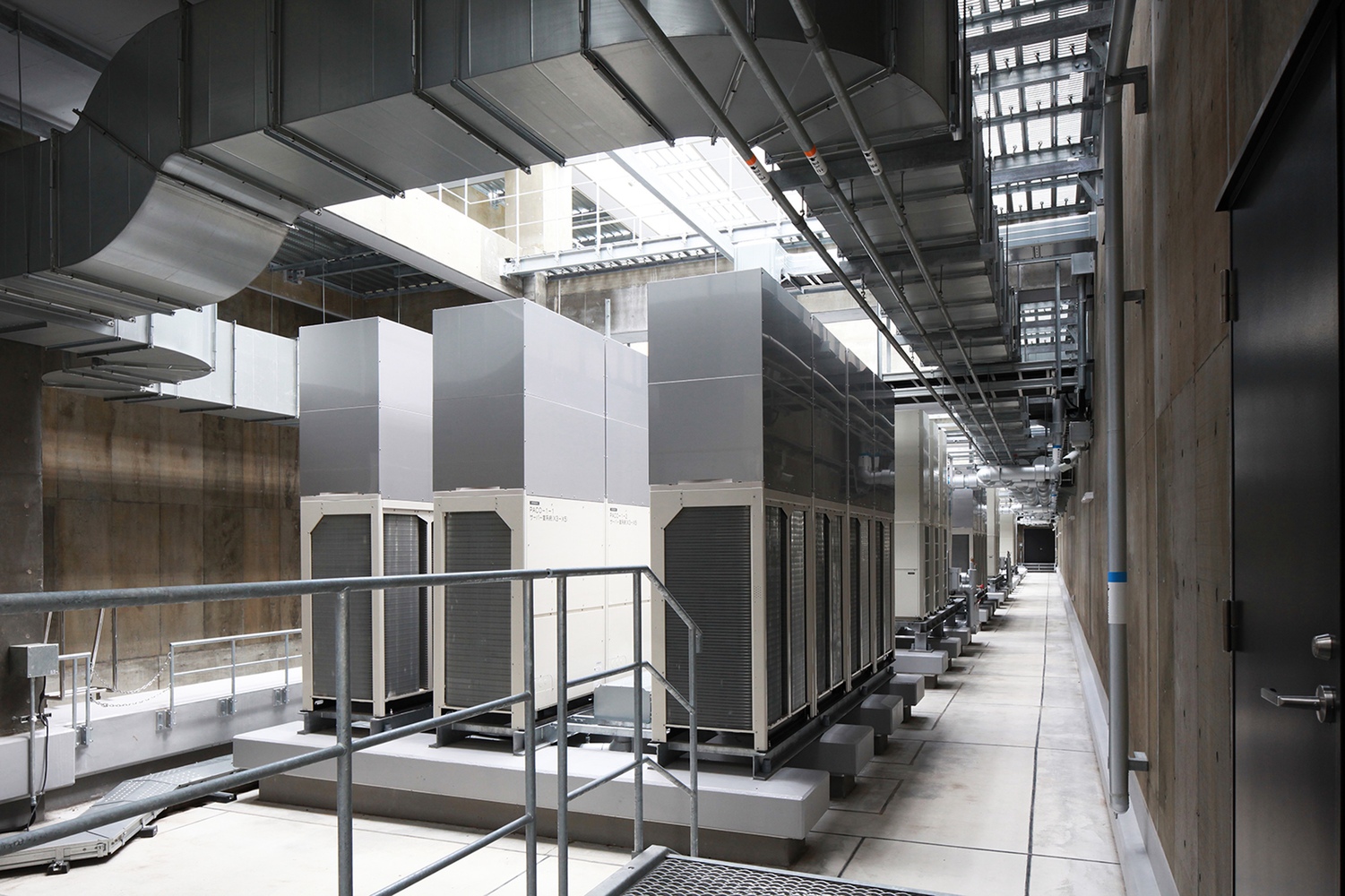
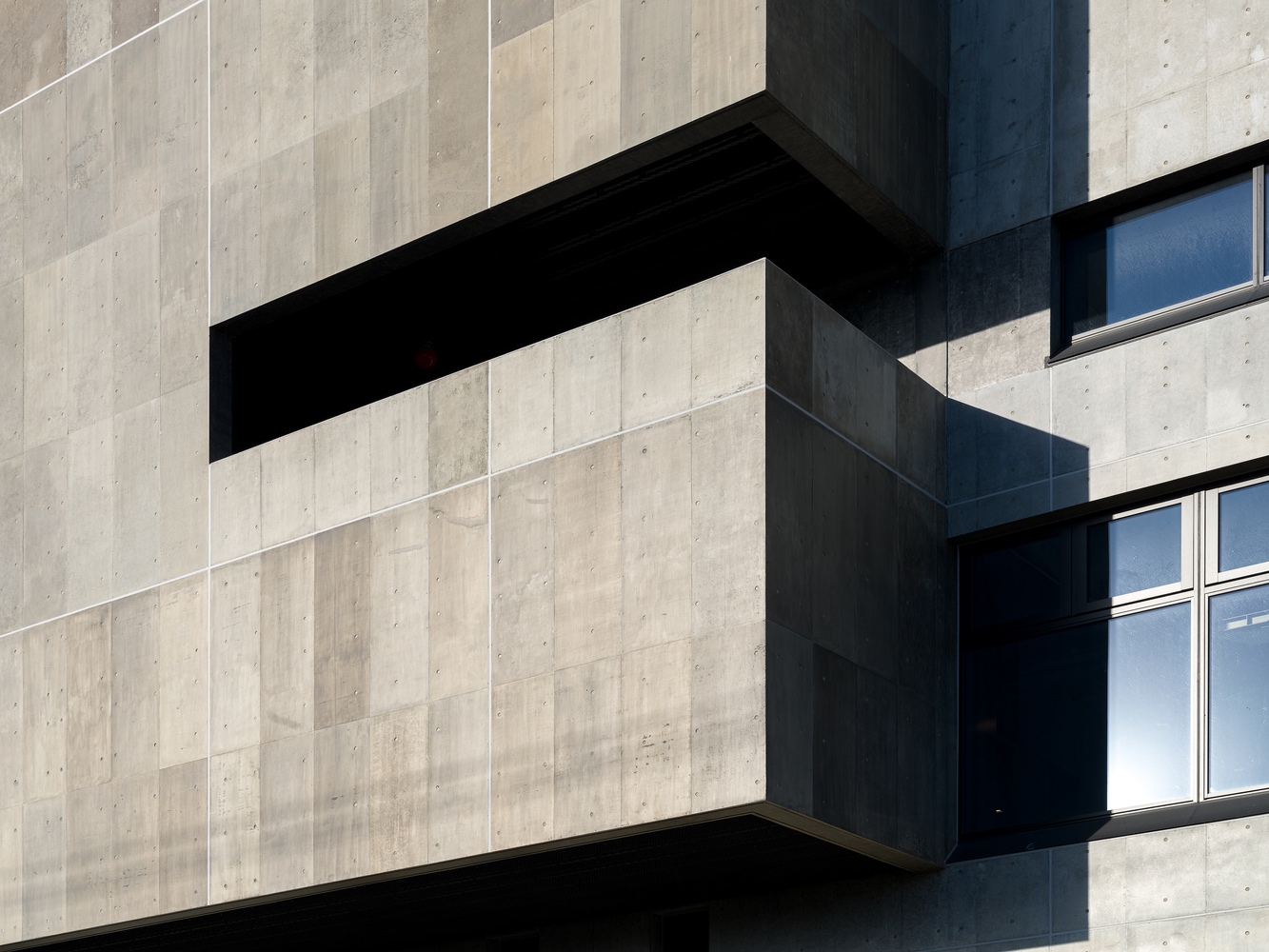
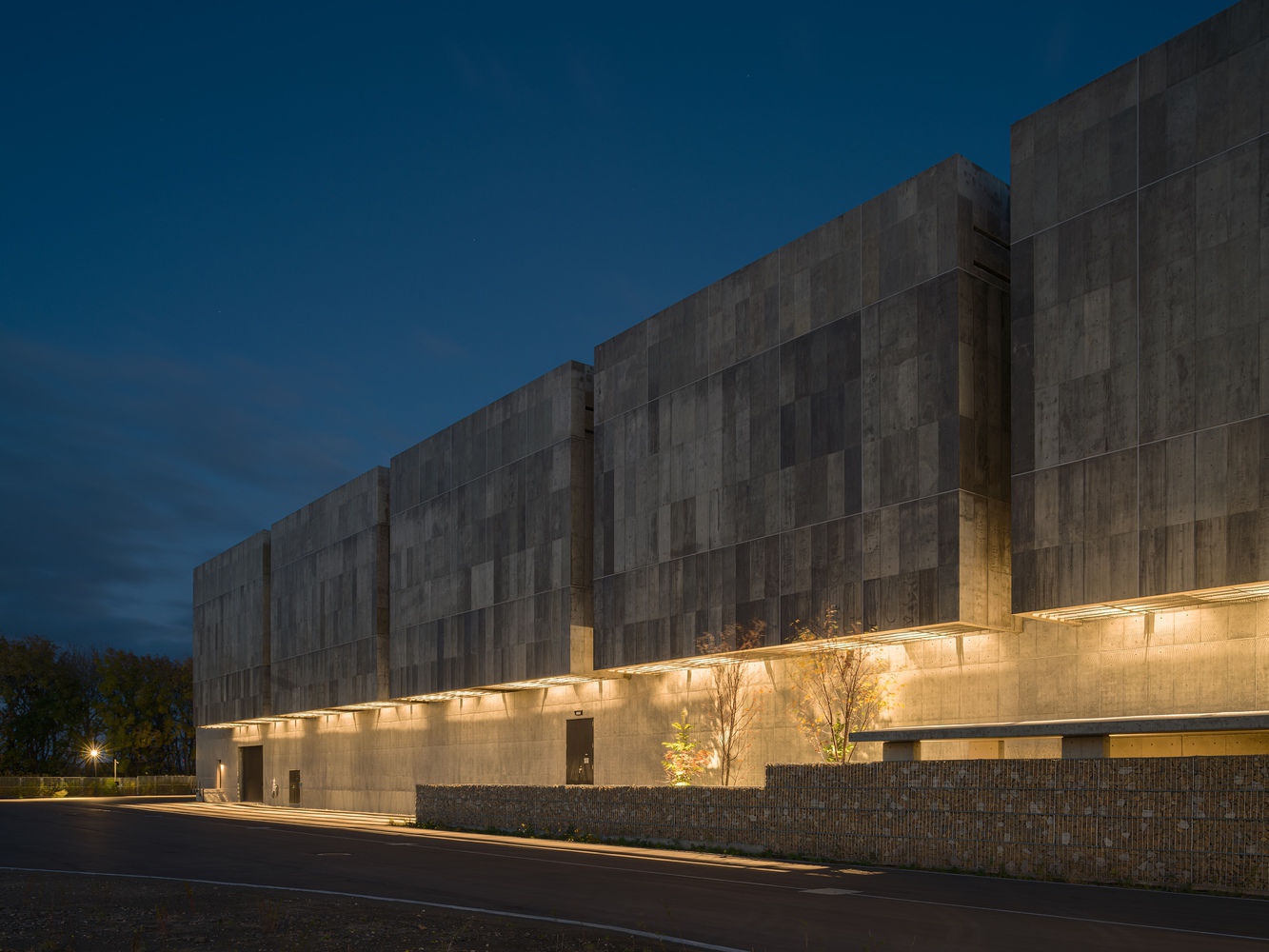
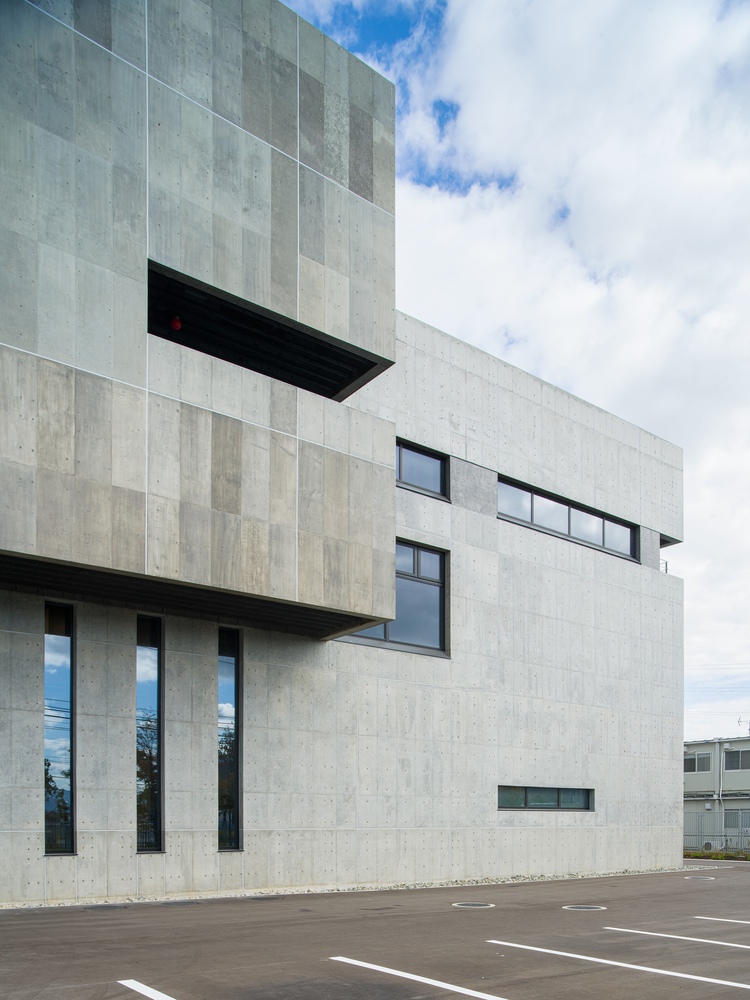
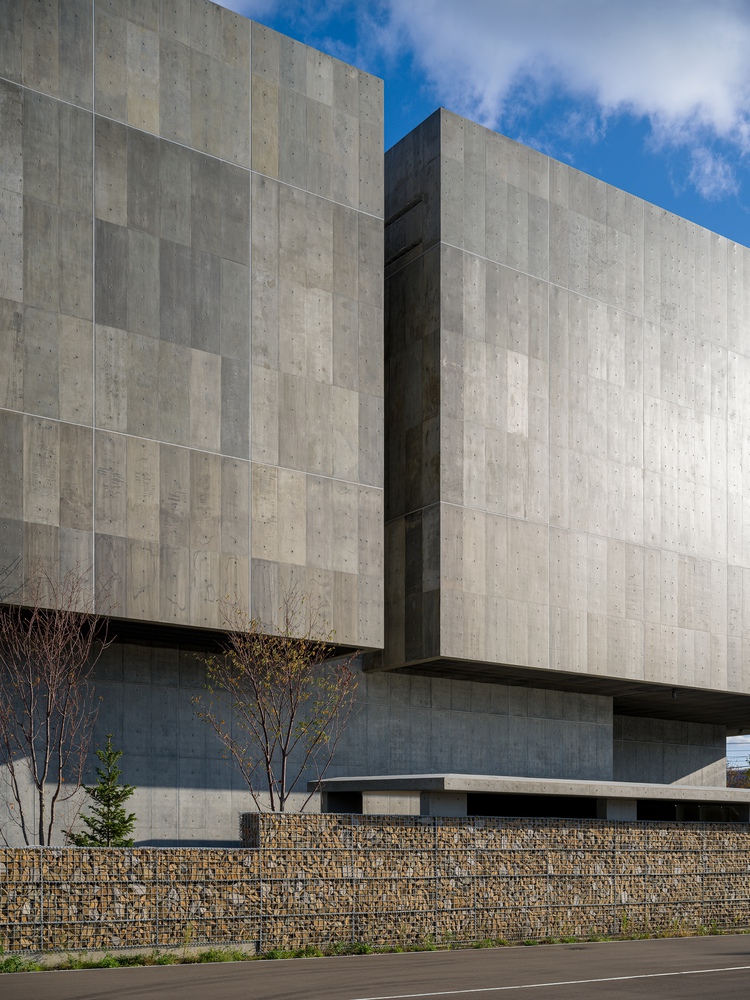
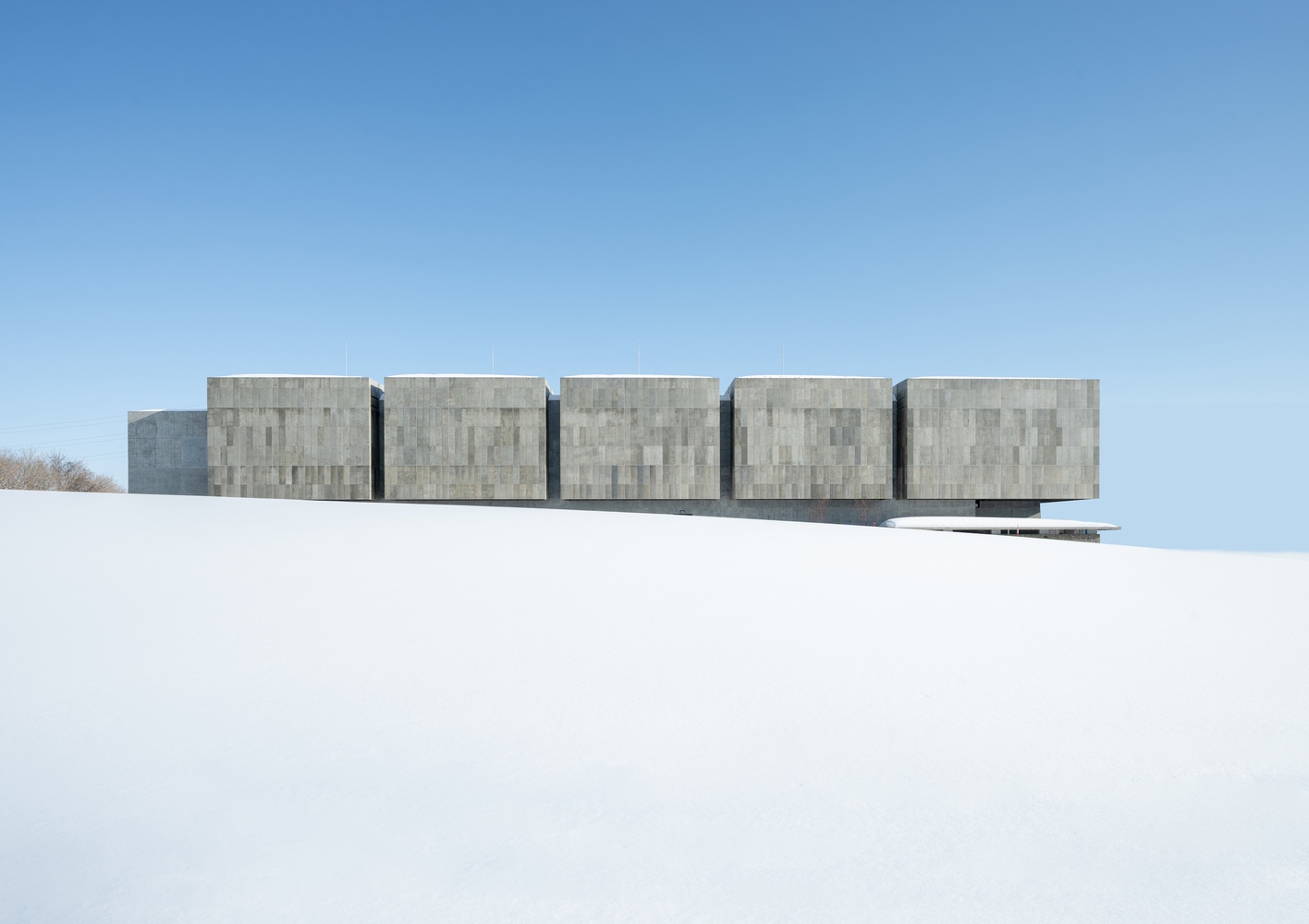
The five characteristic "Boxes" serve also as shear walls and visualize the air flows involving supply air from under the Boxes to the outdoor air conditioning unit yard and exhaust air from over the Boxes.
Waste heat from the server rooms is utilized for underfloor air conditioning and road heating so that energy can be circulated and reused within the building.
CYCLIC USE OF RESOURCES
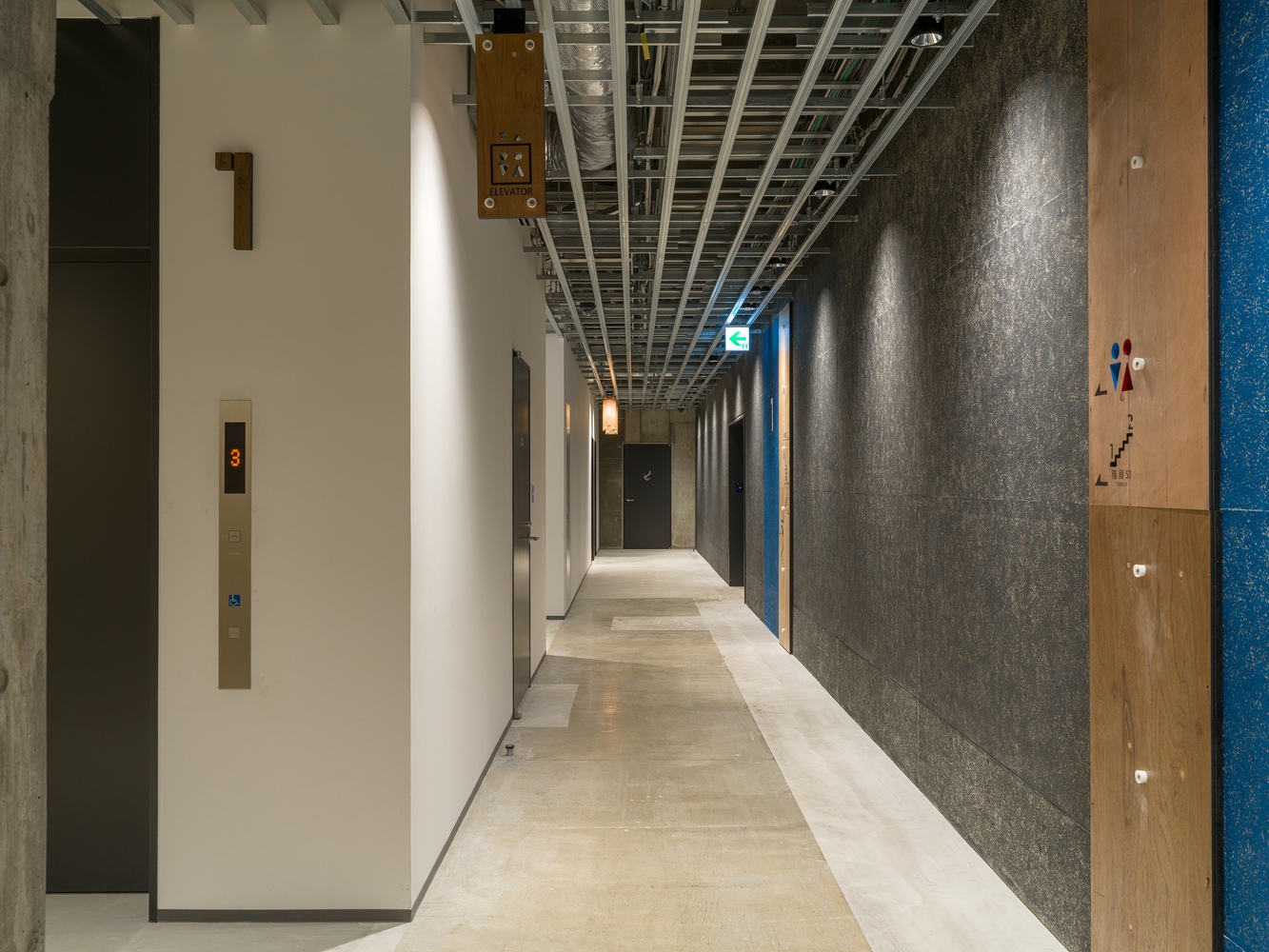
During the construction of ZED Ishikari, careful consideration was given to environmental impact by reducing waste materials through the reuse of construction materials left after the construction process.
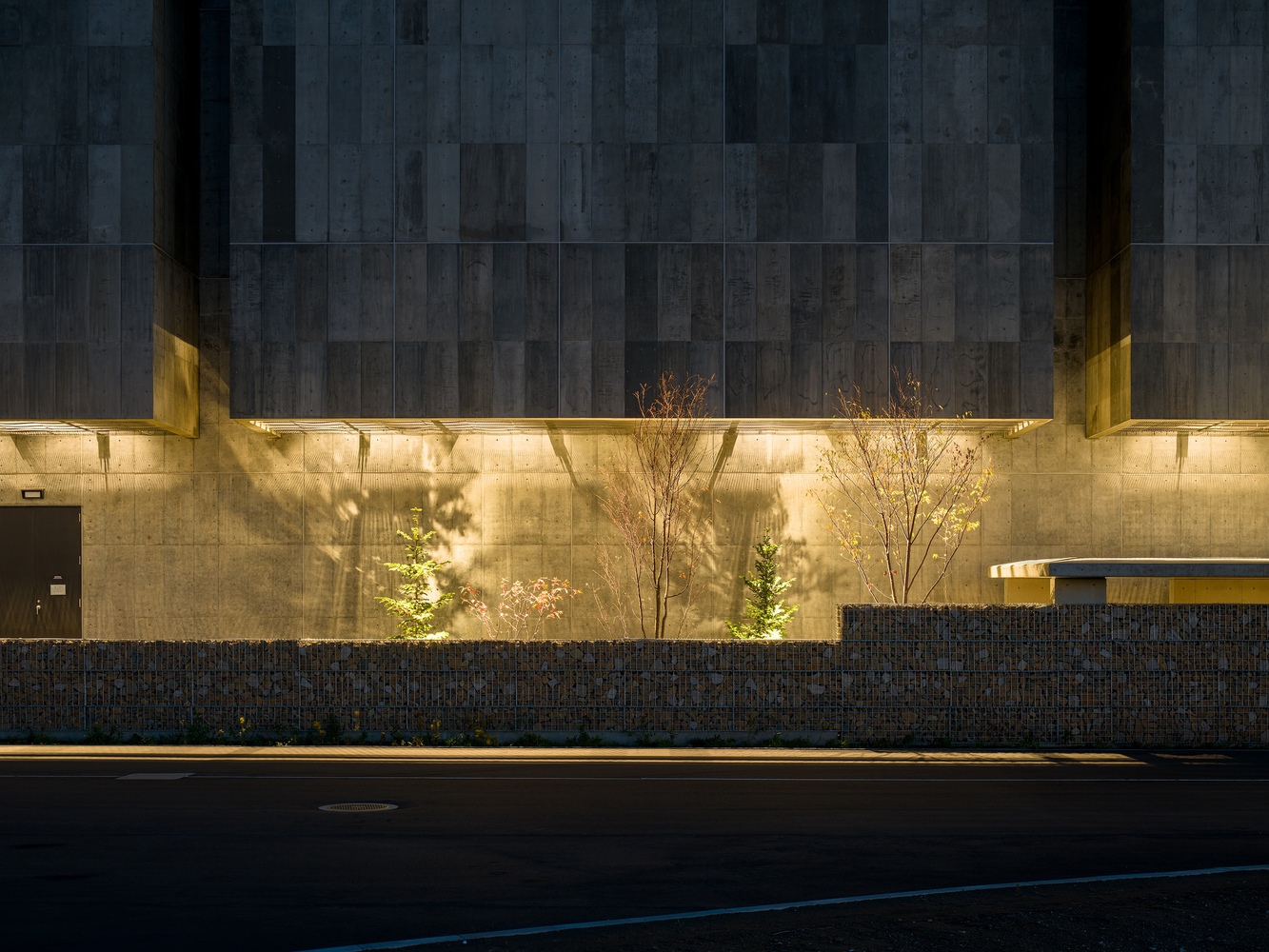
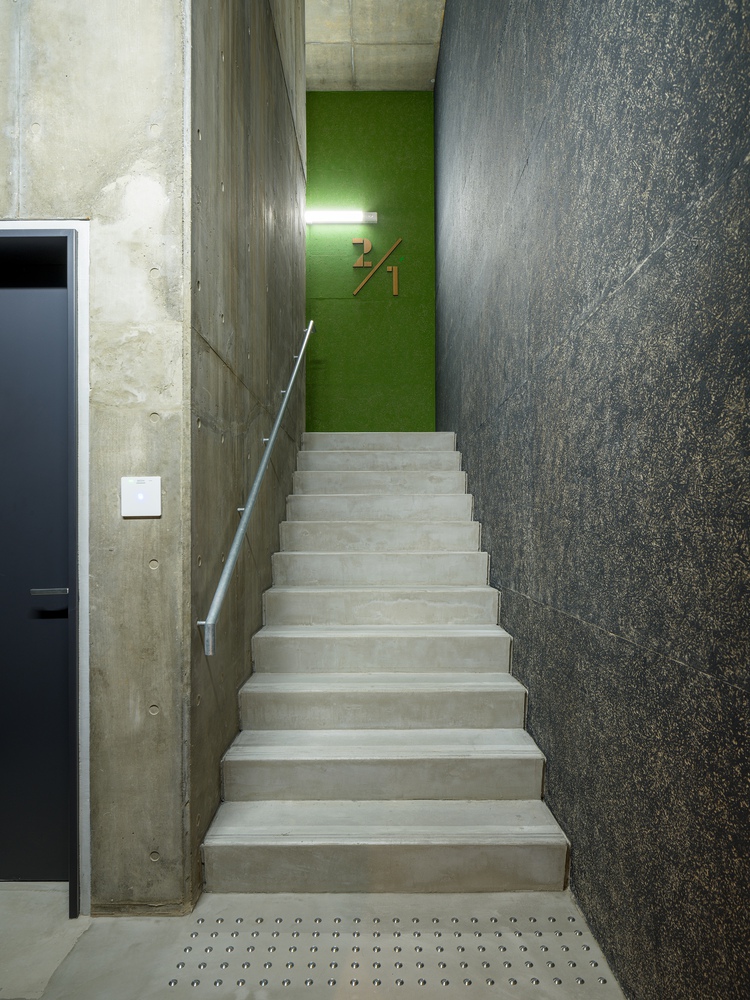
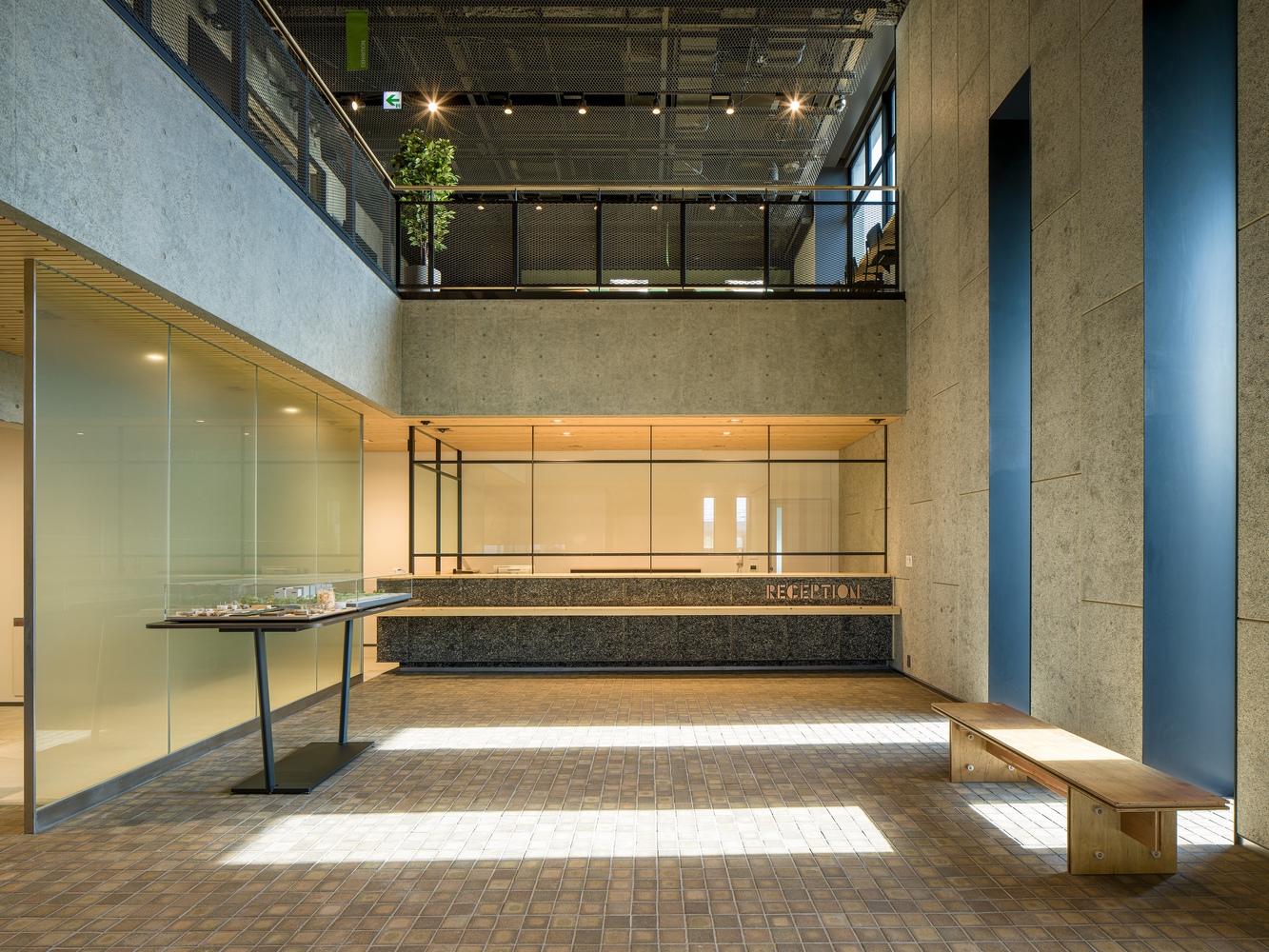
Carbon dioxide emissions are reduced through the recycling of locally produced materials by using wood wool cement formwork as finishing material, and making effective use of locally produced materials.
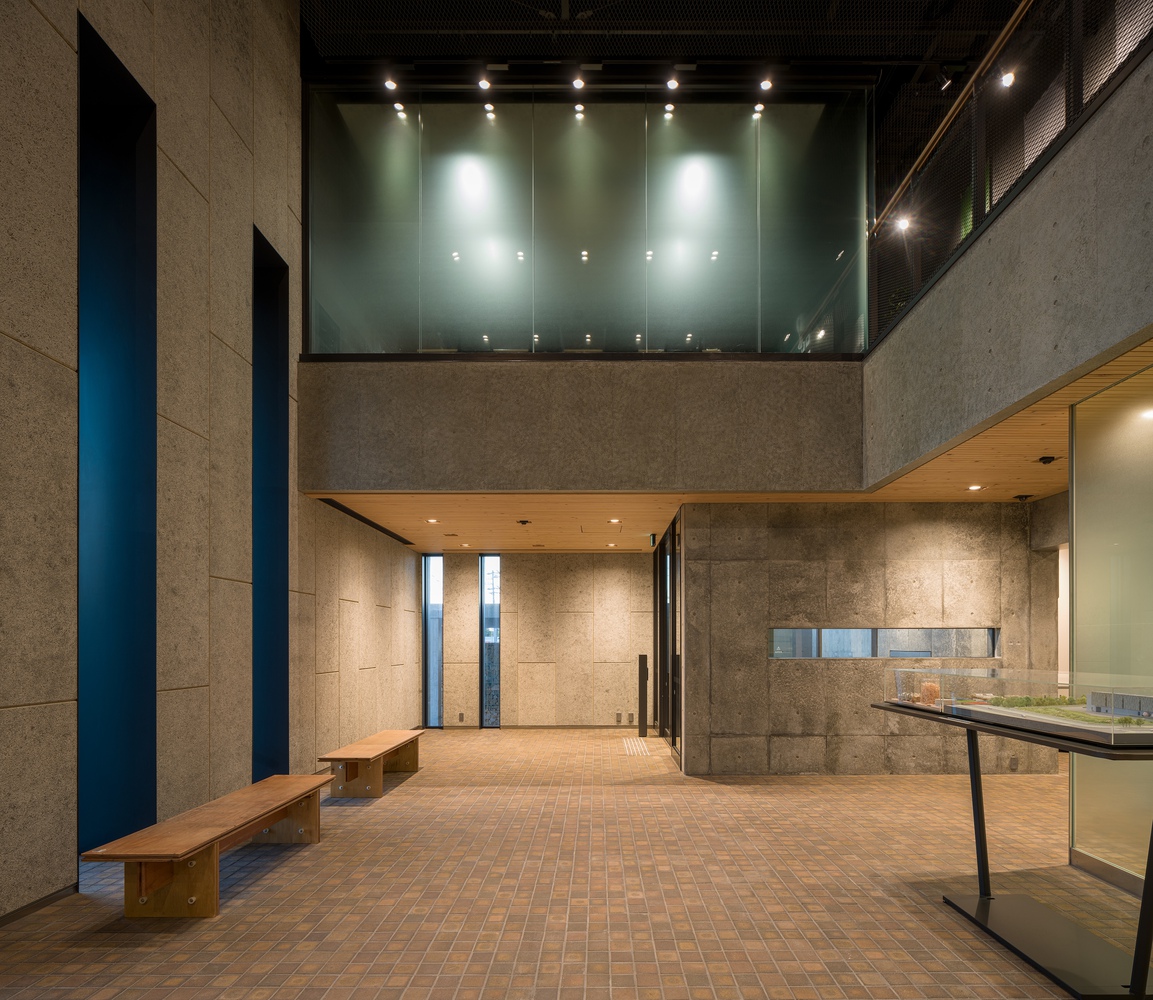
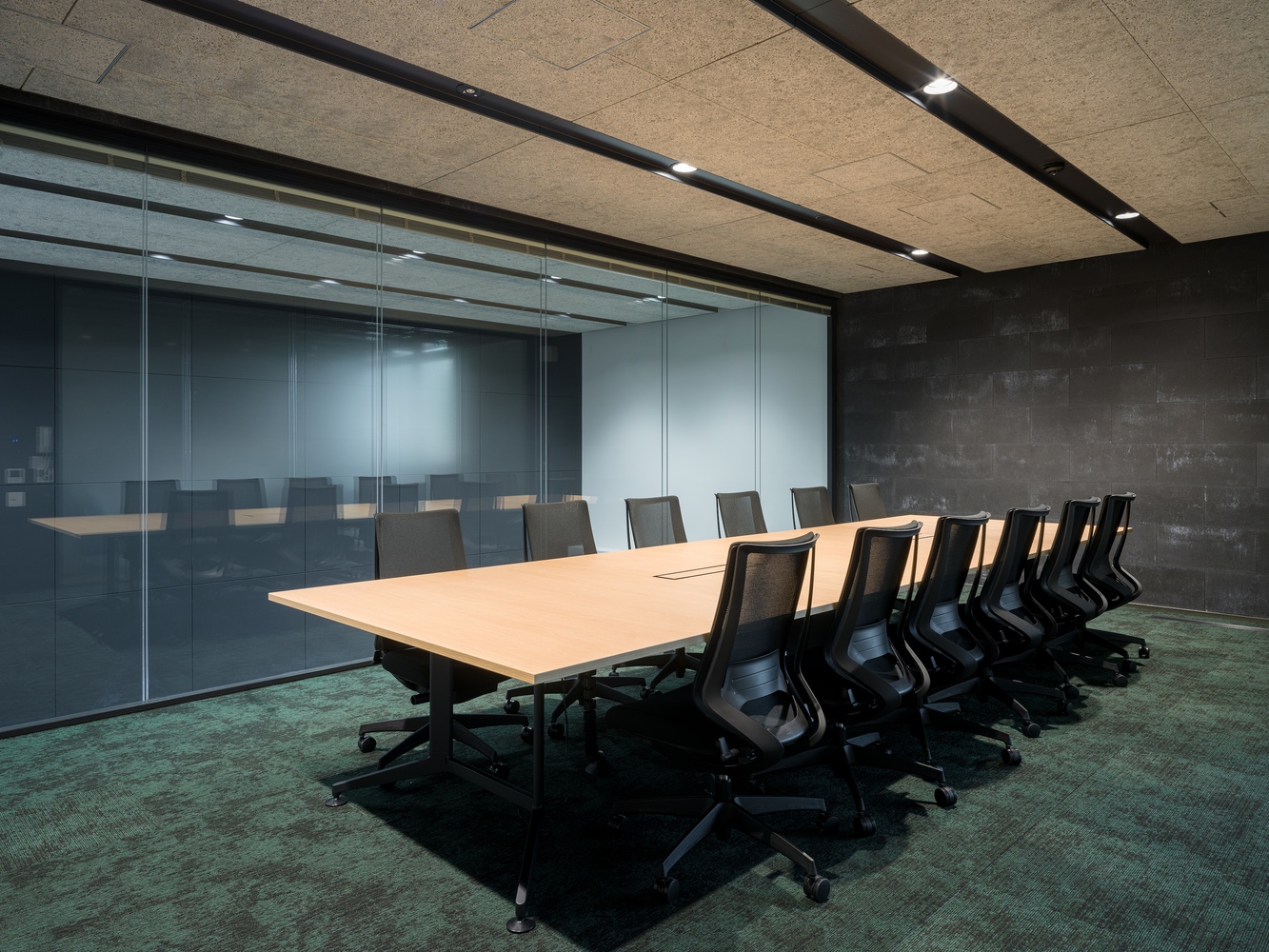
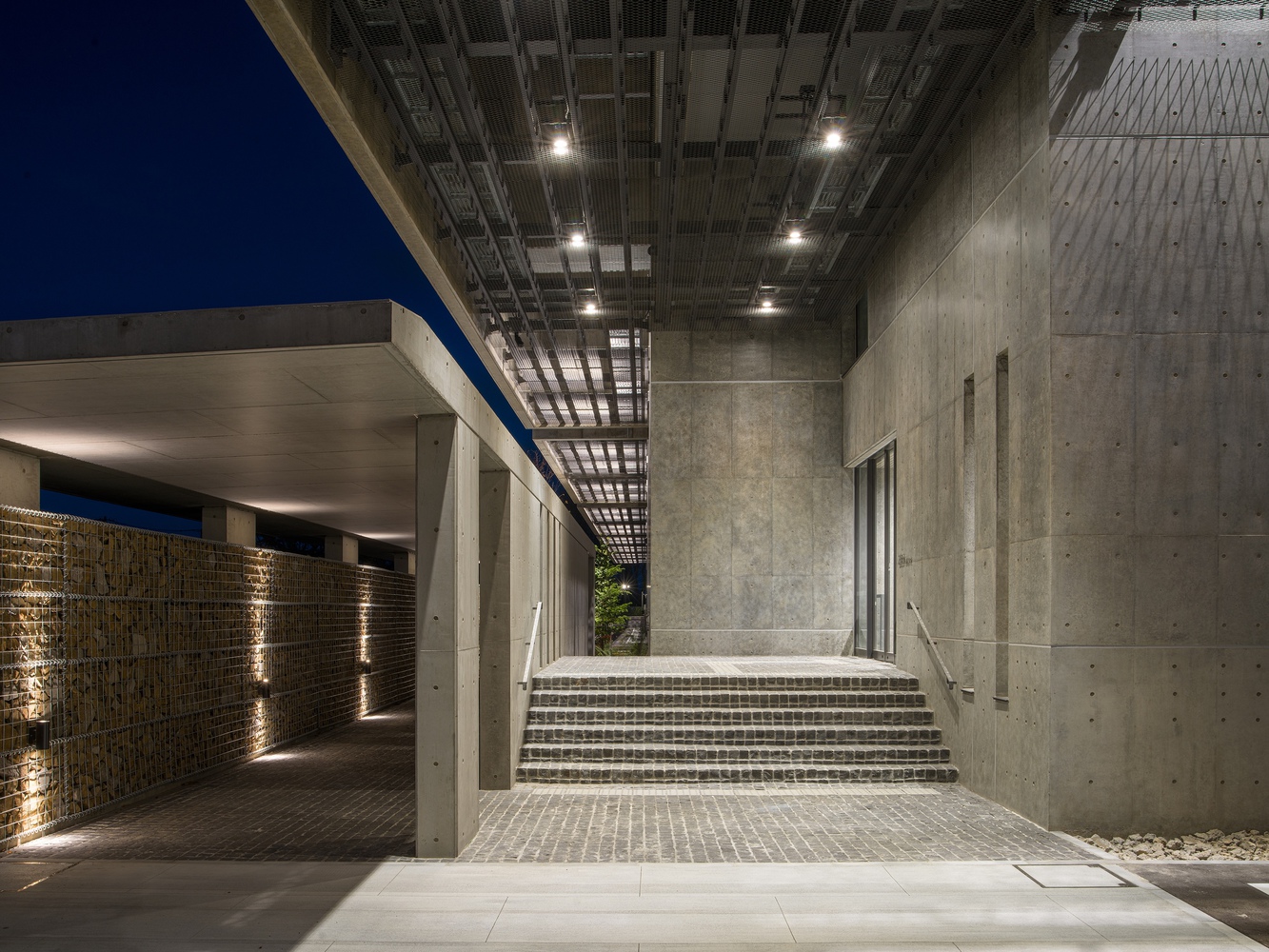
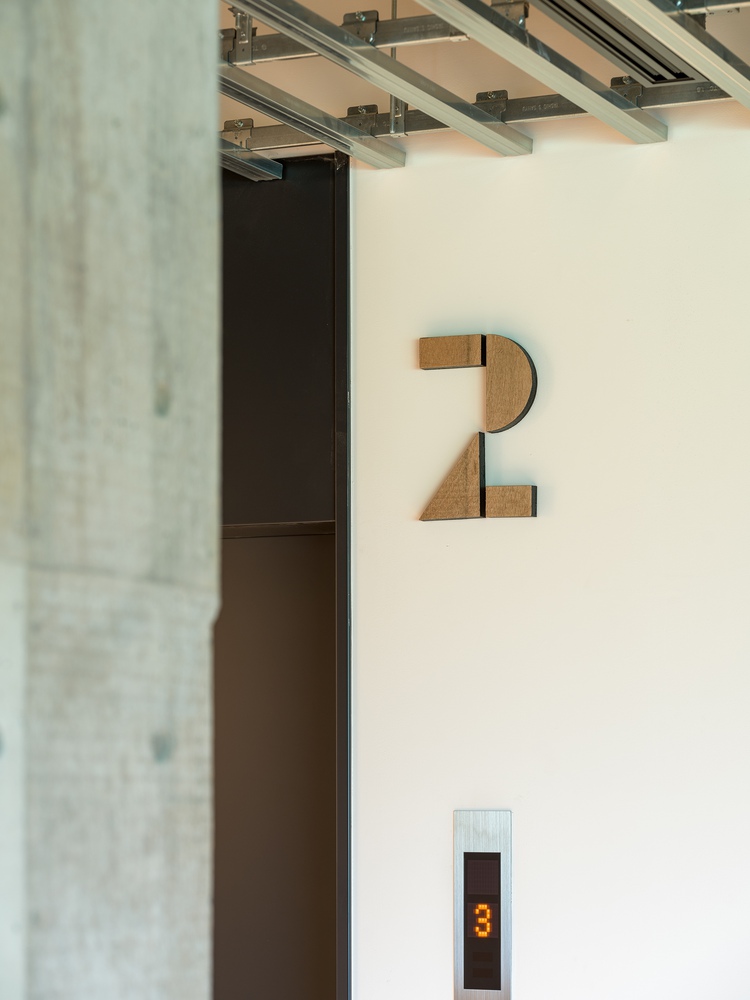
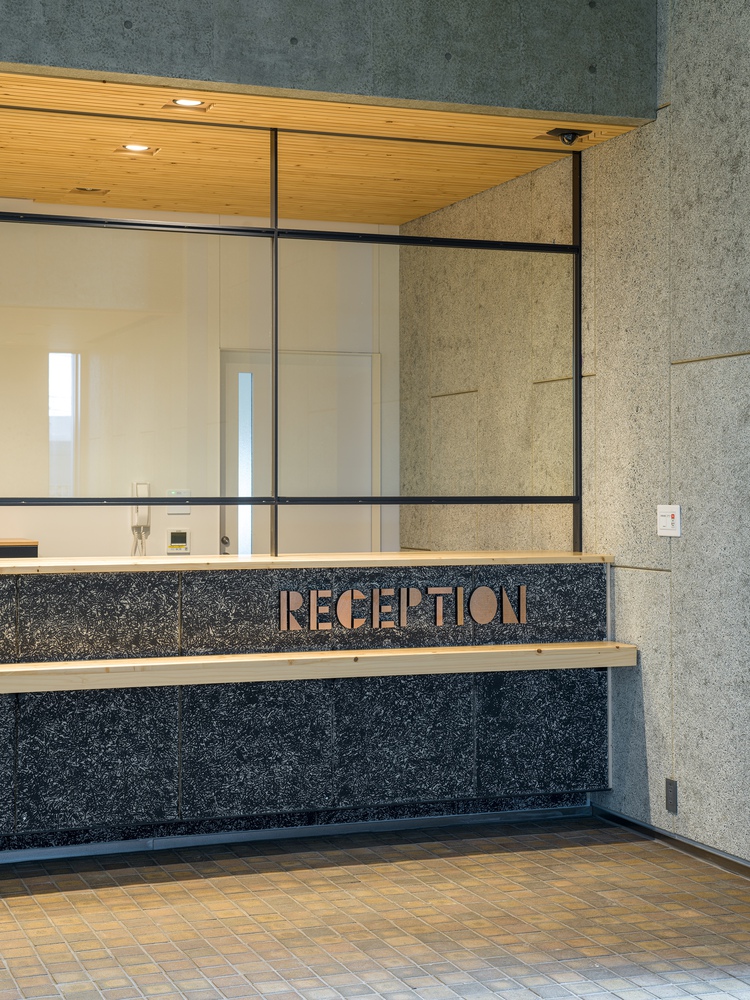
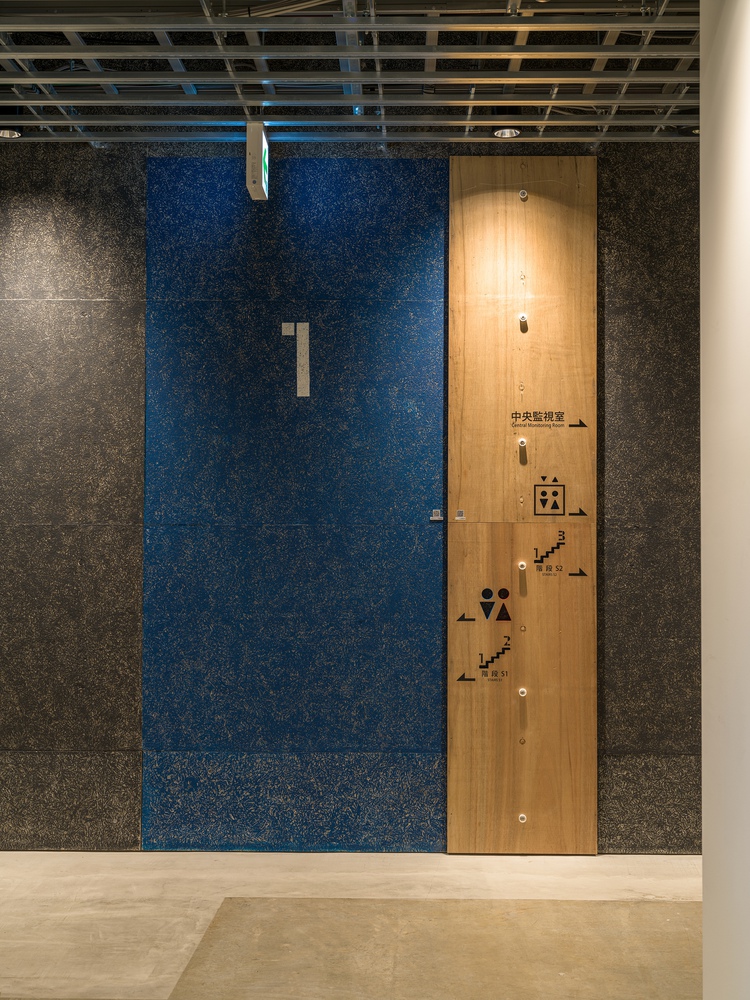
Furthermore, overall recycling of facility materials has been made possible by recycling waste formwork components and underground obstacles as signage and furniture materials.
BIOLOGICAL AND LANDSCAPE CYCLES
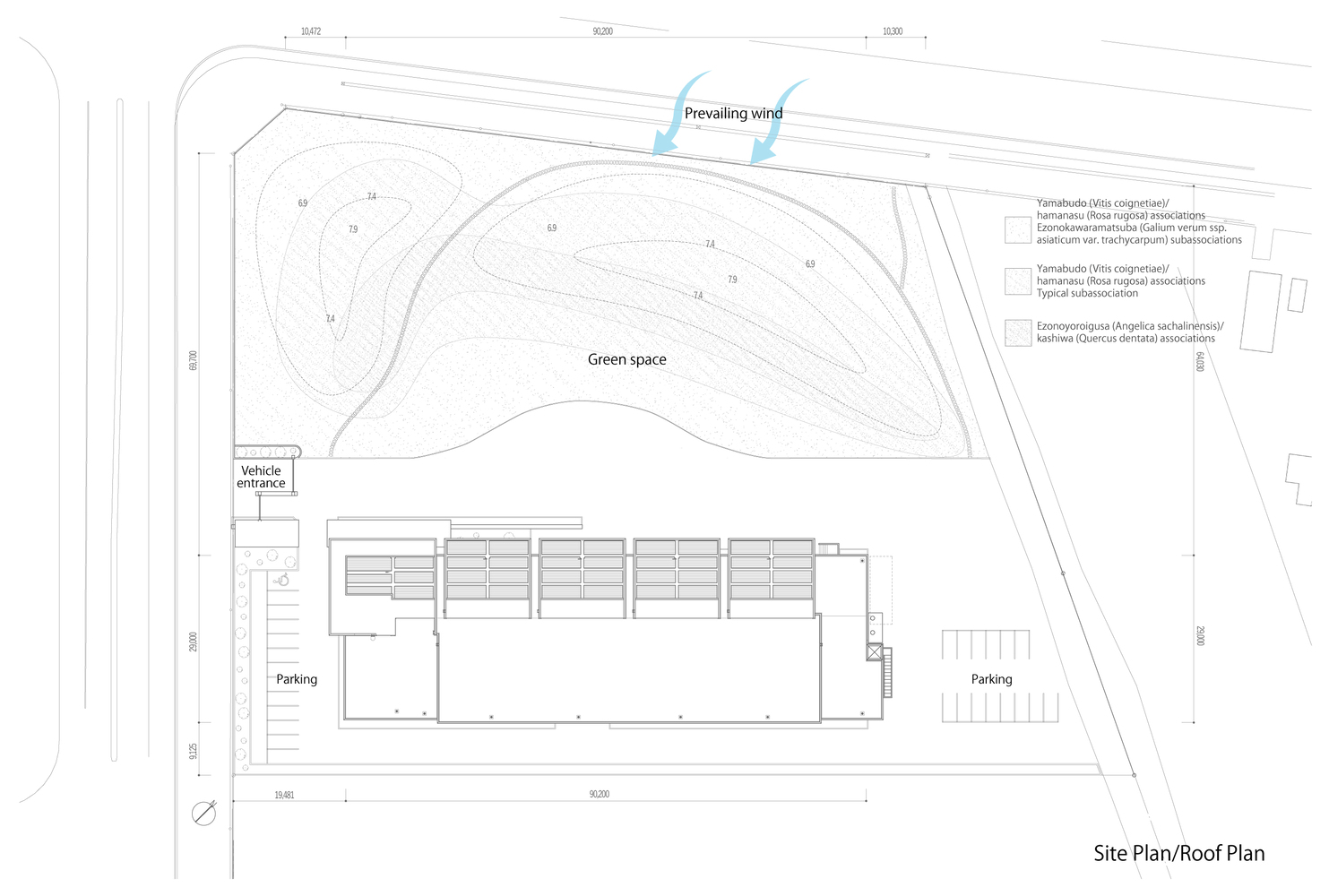
As part of the landscaping scheme, surplus soil left after construction work was used to build a hill to reproduce the coastal vegetation and microtopography unique to Ishikari and stabilize the green landform through natural forces.
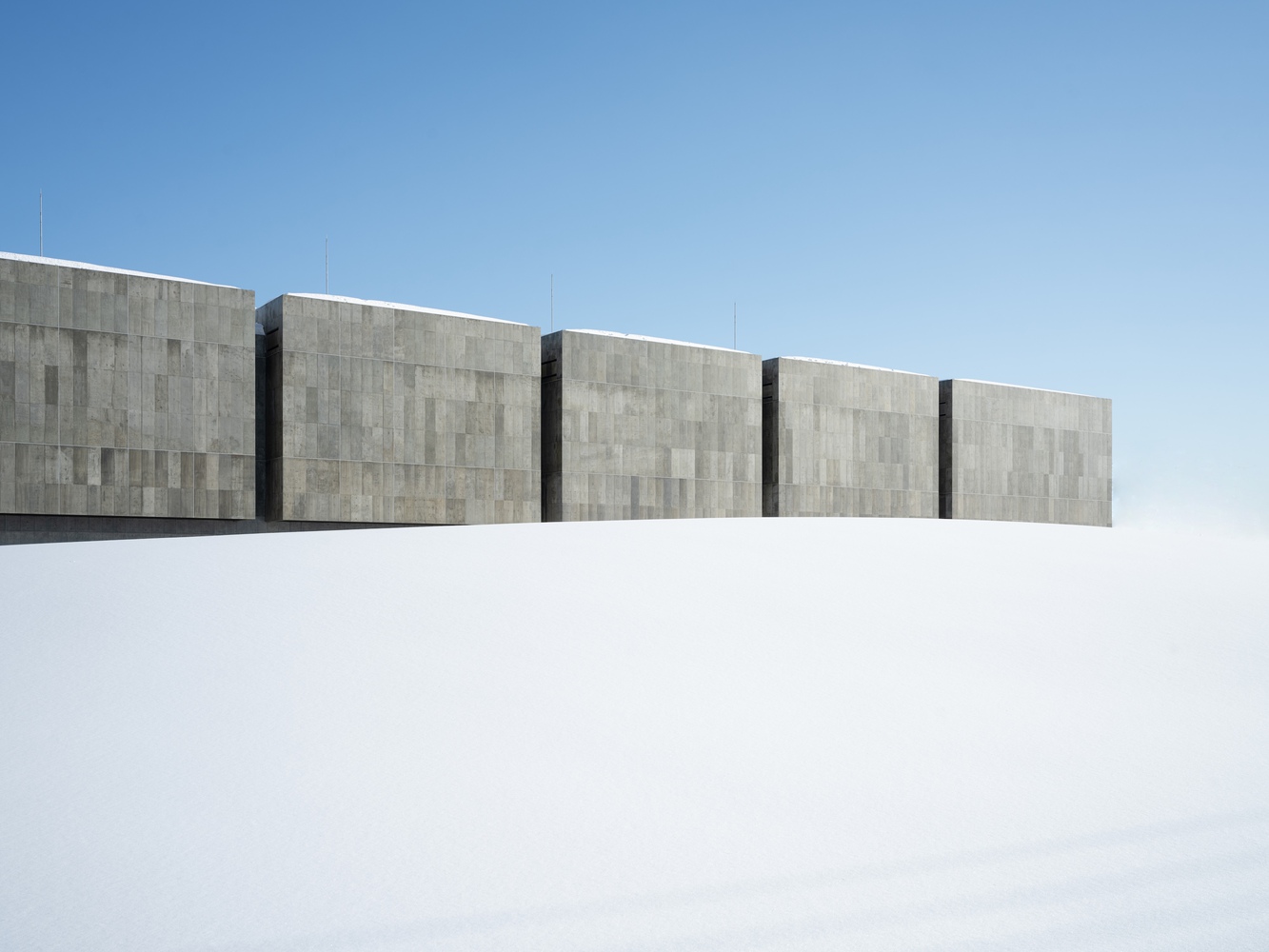
The site was also vegetated so as to create a natural transition following the topography, from windward to leeward, from coastal grassland through hamanasu (Rosa rugosa) communities to kashiwa (Quercus dentata) communities.
By so doing, natural cycles created by wind were reproduced to conserve Ishikari's ecosystem and environment and create a new townscape.