
La Cité Internationale Université de Toulouse
La Cité Internationale Université de Toulouse
Taillandier Architectes Associés
ARCHITECTS
Taillandier Architectes Associés
LEAD ARCHITECT
Marinell Van Wyk
LANDSCAPE DESIGN
ATP
INTERIOR DESIGN
Marco & BAERTICH
ASSISTANT ARCHITECTS
Madalina Spiridon, Silvia Mulas
ASSOCIATED ARCHITECTS
Atelier Méridional Joël Nissou
CLIENT
La Cité Jardins for the Federal University of Toulouse Midi-Pyrénées
BET
OTEIS, GCC, Demathieu & Bard
PHOTOGRAPHS
Roland Halbe, Sofiane Bensizera
AREA
12863 m²
YEAR
2023
LOCATION
Toulouse, France
CATEGORY
University
English description provided by the architects.
The Cité Internationale Université de Toulouse is located on a historic site in one of Toulouse's emblematic science districts, between the neighborhoods of Busca and Saint-Michel.
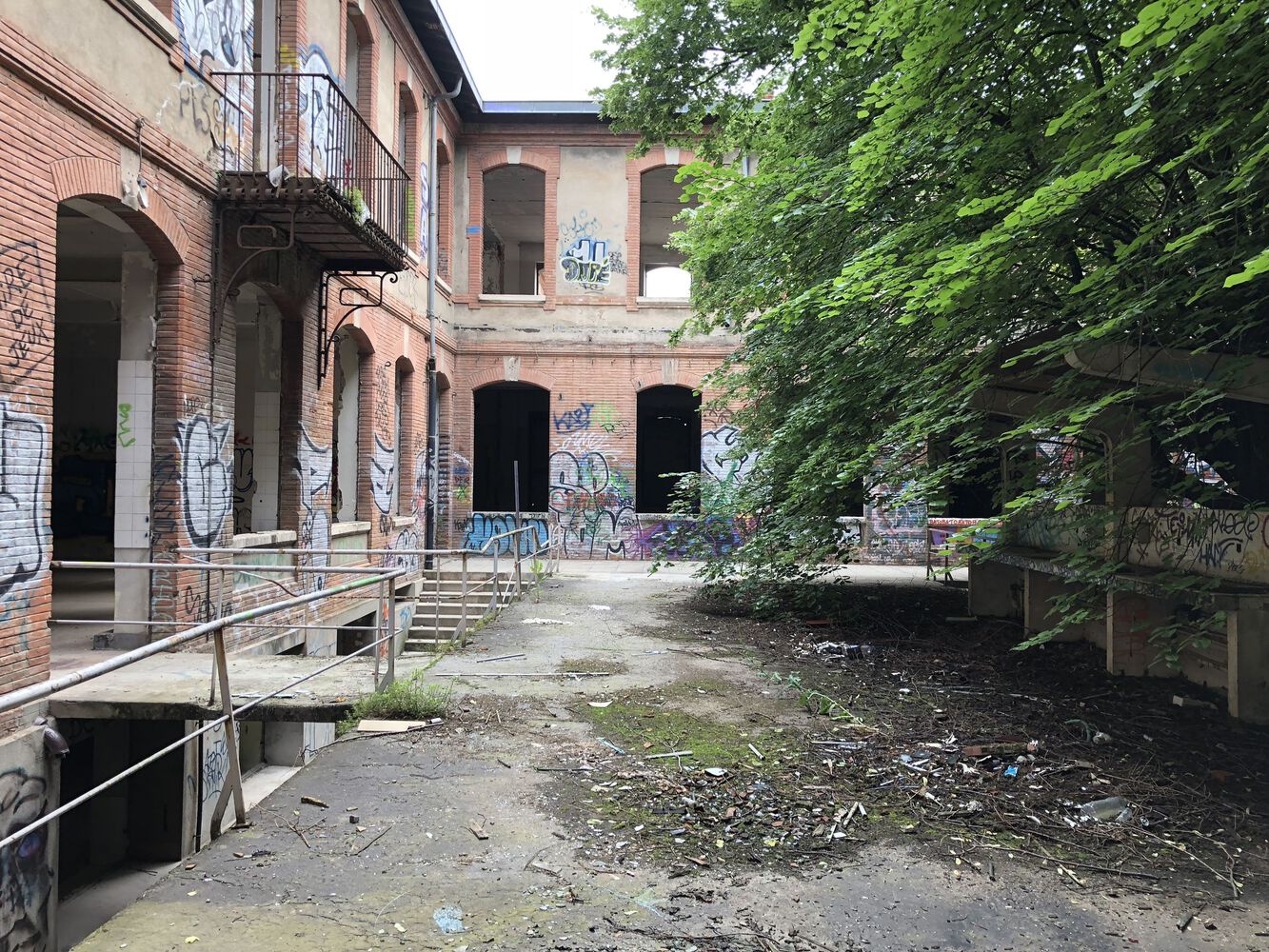
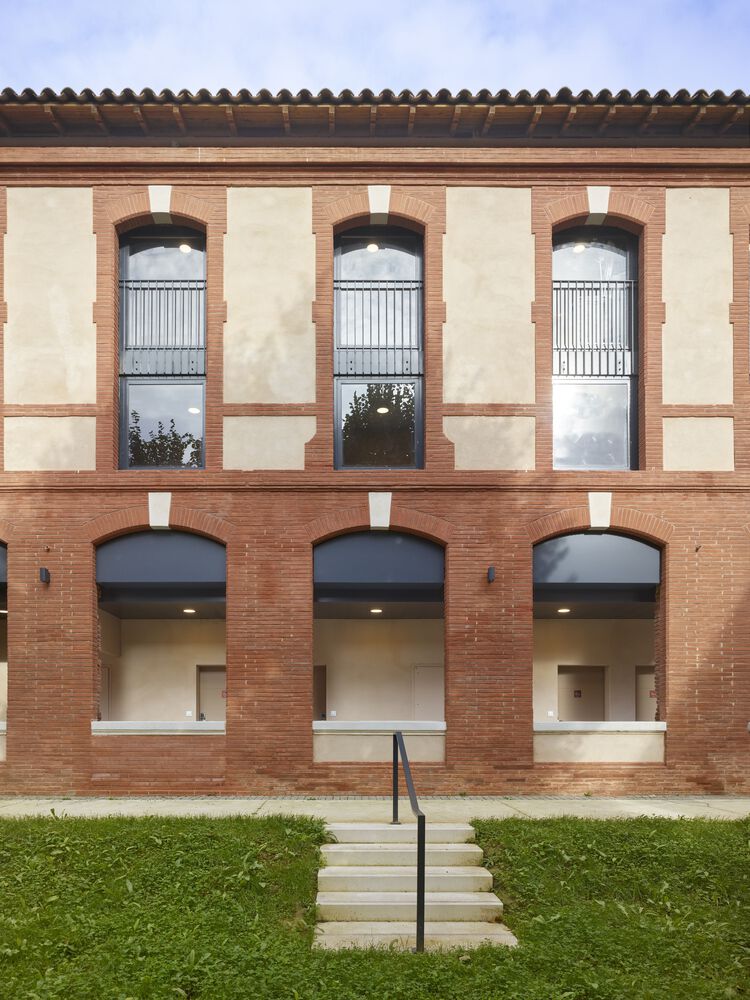
The so-called "H" building was constructed in the early 20th century by architect Joseph Thillet, who also designed the buildings at 39–41 Allées Jules Guesde.
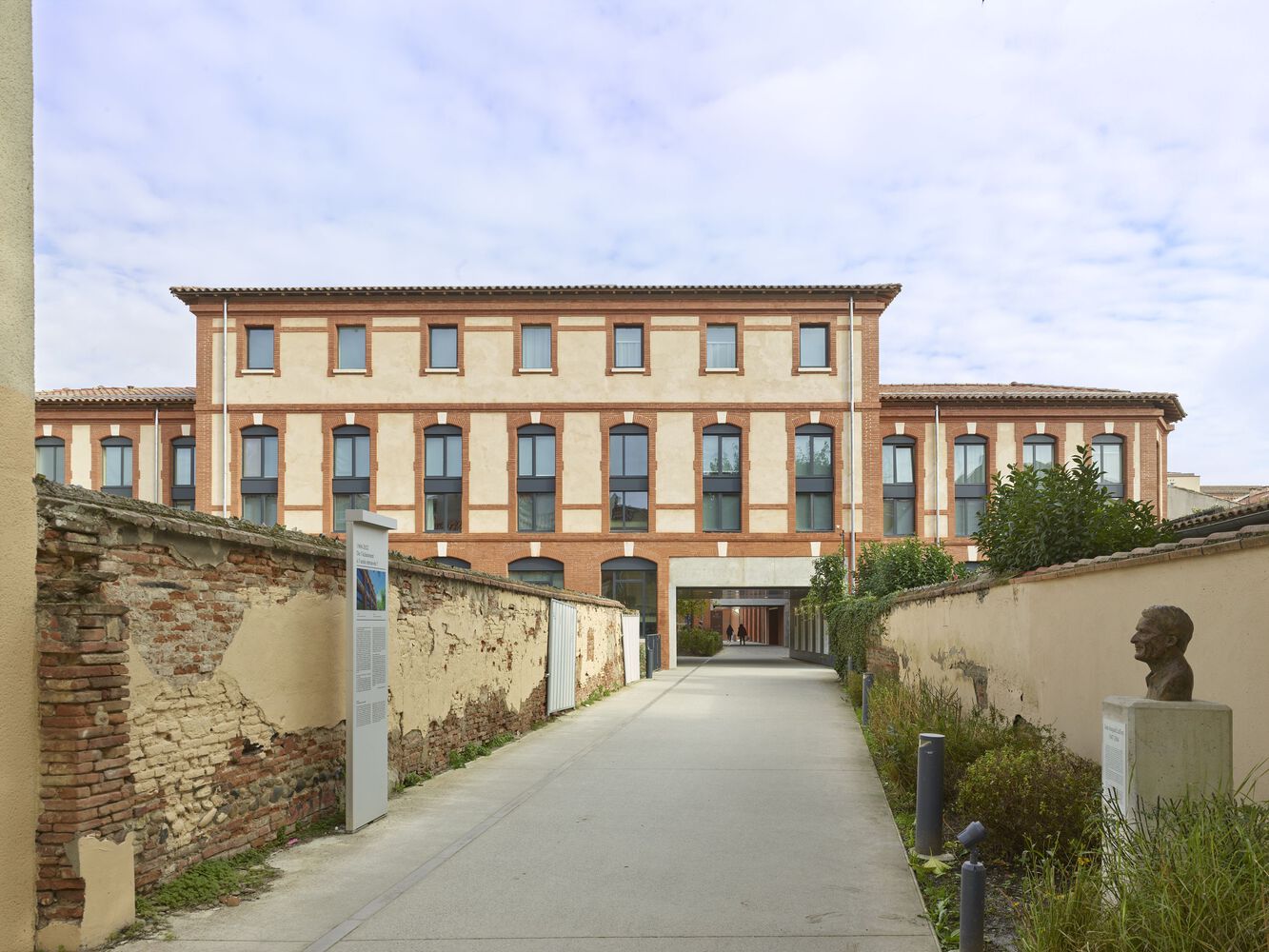
It was funded by Paul Sabatier using the prize money from his 1912 Nobel Prize in Chemistry to establish the first research laboratory for the Faculty of Science in Toulouse.
Construction of the "H" building was completed in 1916, making it the first structure to be erected on the site. However, it was immediately requisitioned for use as a military hospital during World War I.
It was not until 1919 that Paul Sabatier was finally able to install the chemistry laboratories there. Prior to that, the laboratories had been located at the Faculty of Science on the Allées Jules Guesde, in the buildings that now house the Quai des Savoirs.
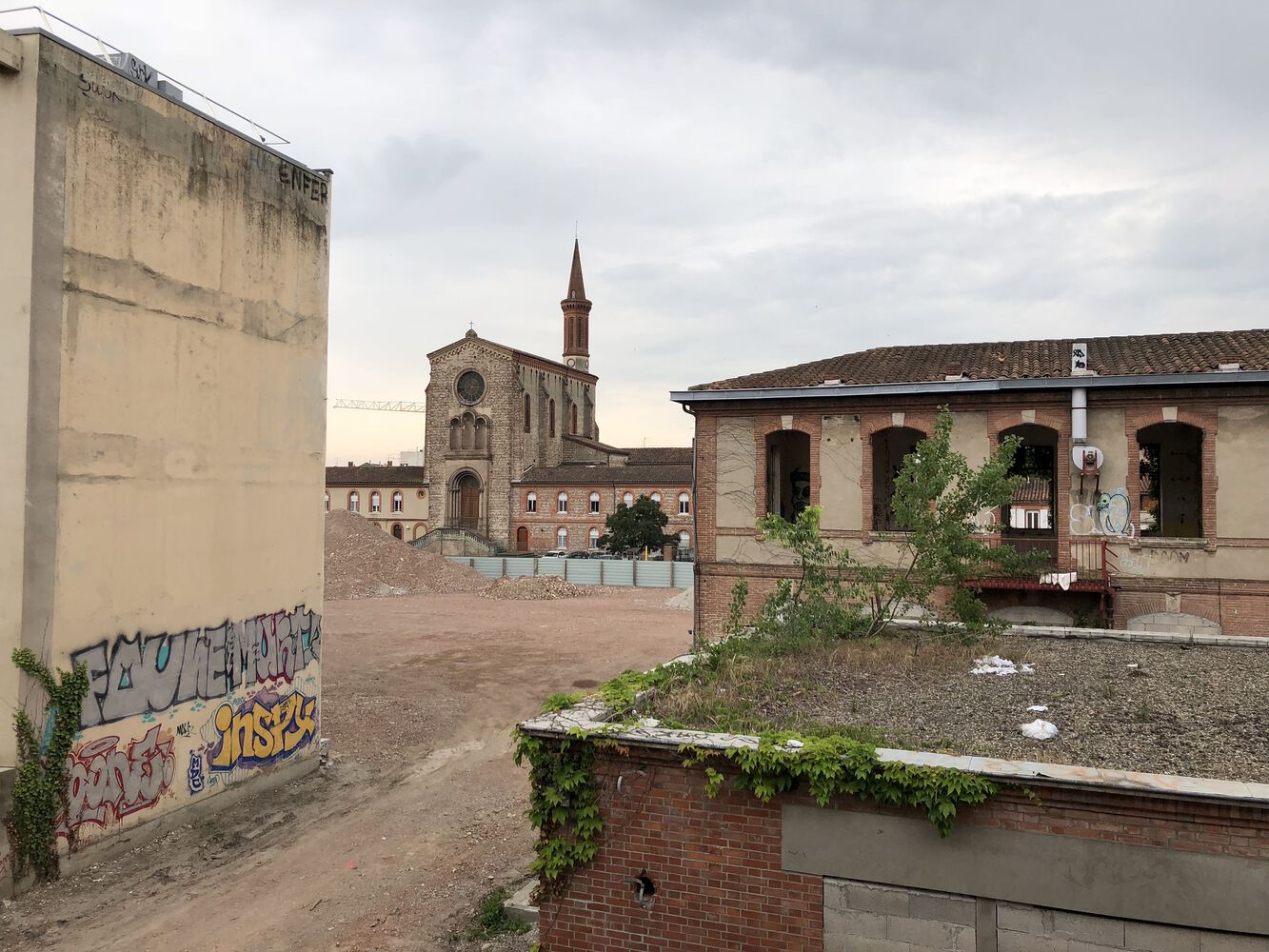
The neighborhood and urban fabric surrounding the project site conceal a built and landscaped heritage of genuine interest, often unknown to the public.
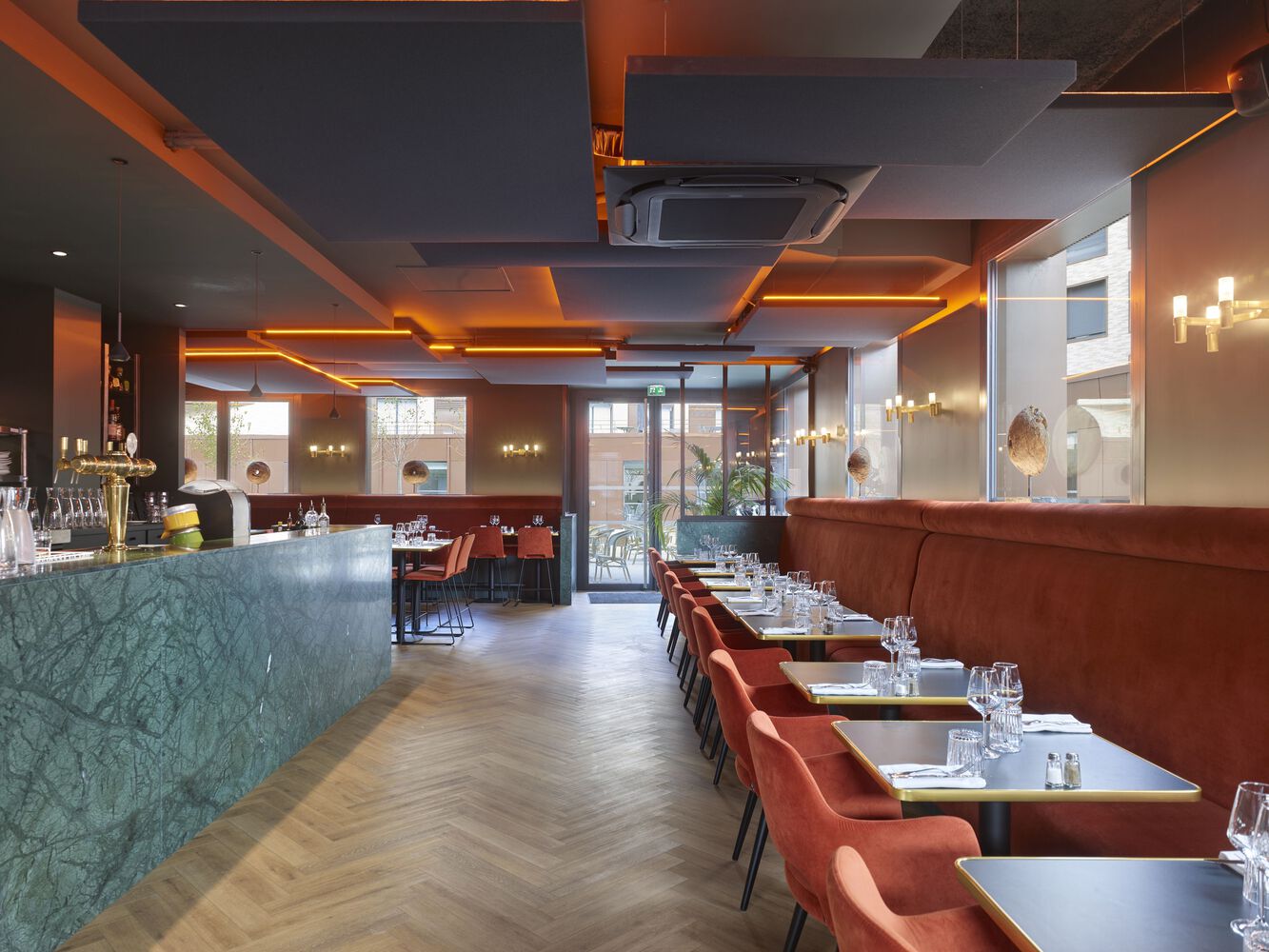
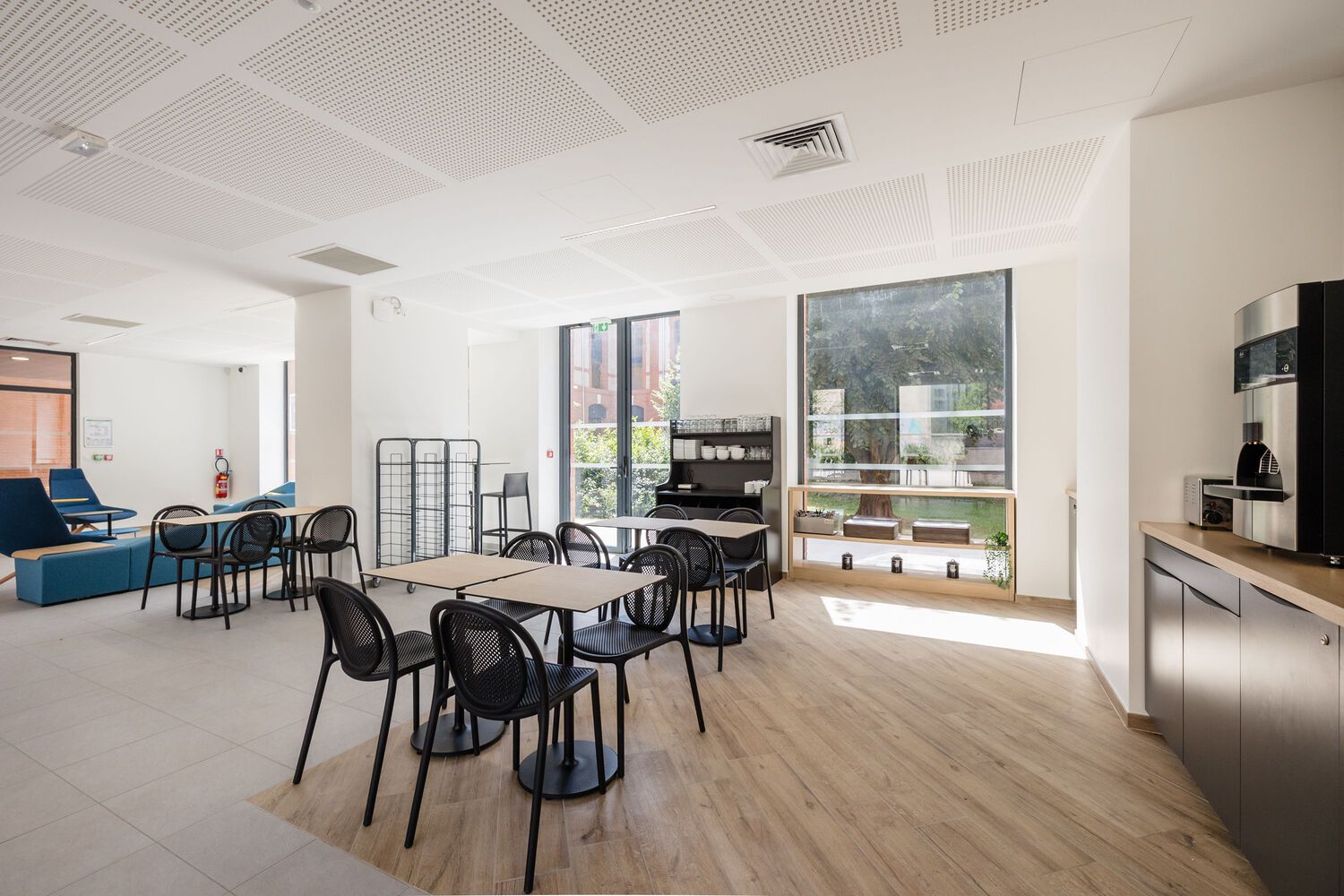
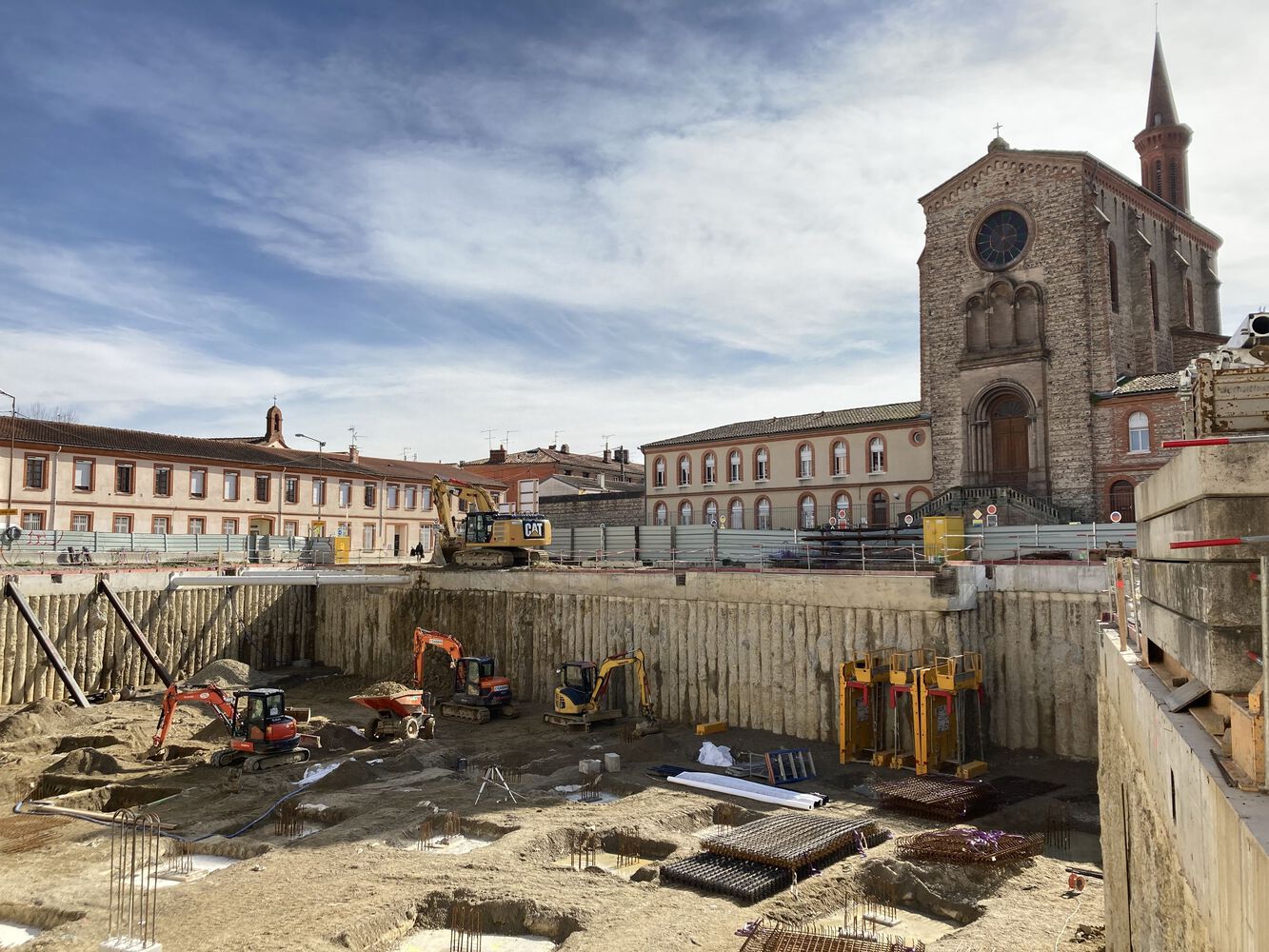
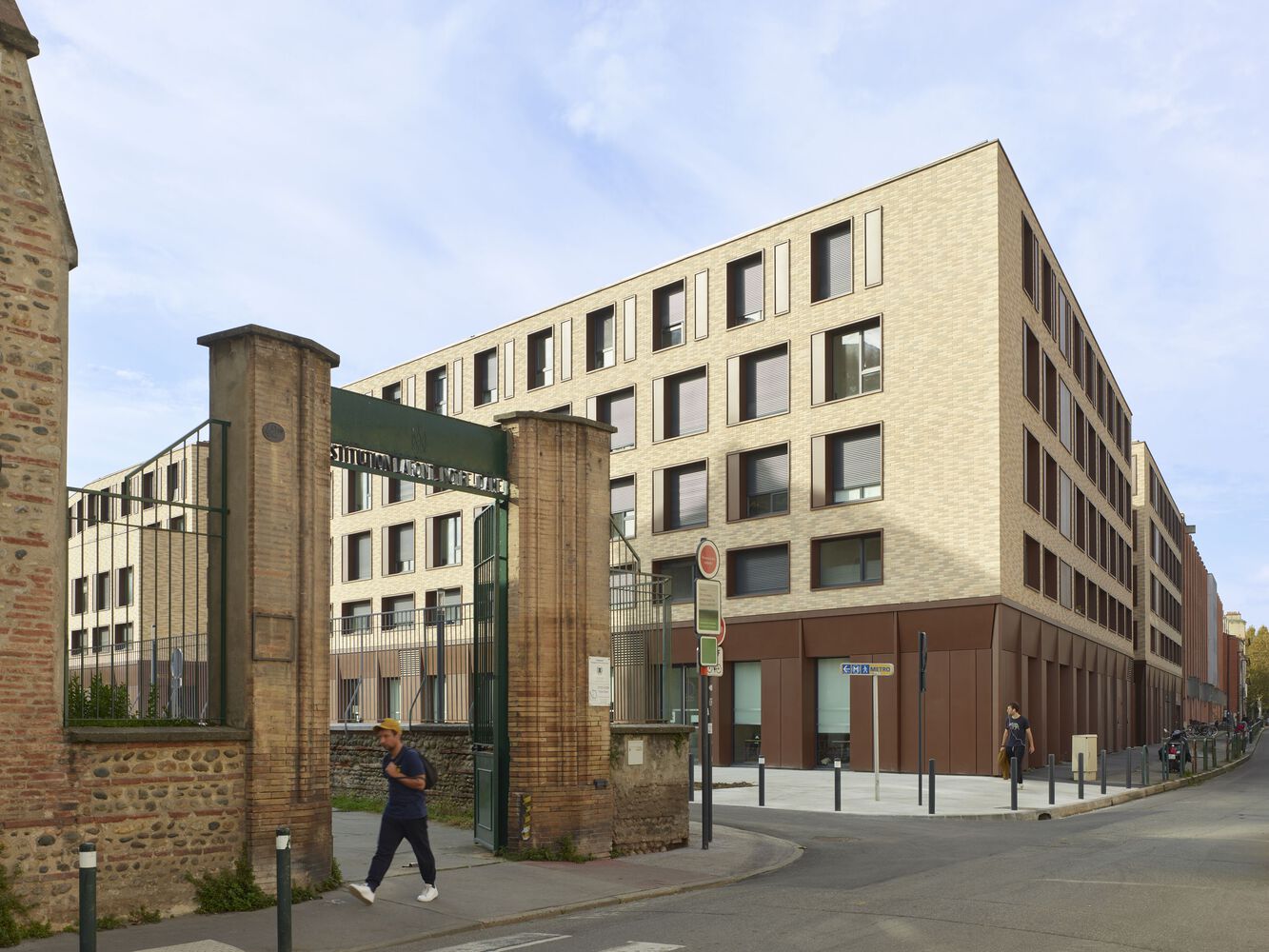
The chapel of the Notre-Dame school, the bell tower of the La Présentation residence, and its façades along Rue des Trente-Six Ponts, as well as the relatively hidden "H" building, are examples of heritage elements that deserve to be brought to light.This lack of visibility is further exacerbated by the sometimes aging condition of the façades.
As the redevelopment of Grande Rue Saint-Michel was still pending at the time of the project's design, the Cité Internationale Université de Toulouse represented a key opportunity to revitalize this urban fabric and to create a new connection between the Busca and Saint-Michel neighborhoods.
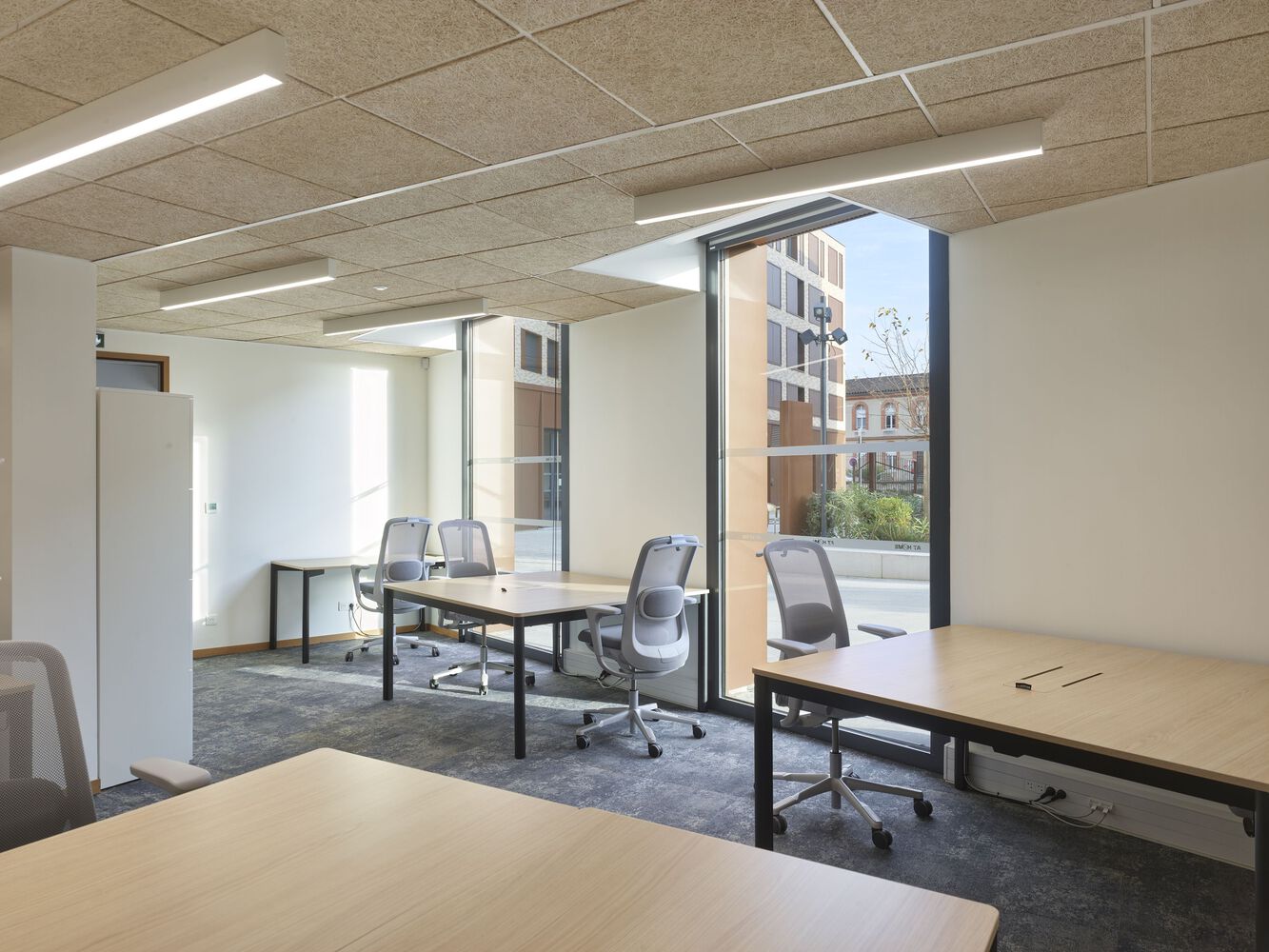
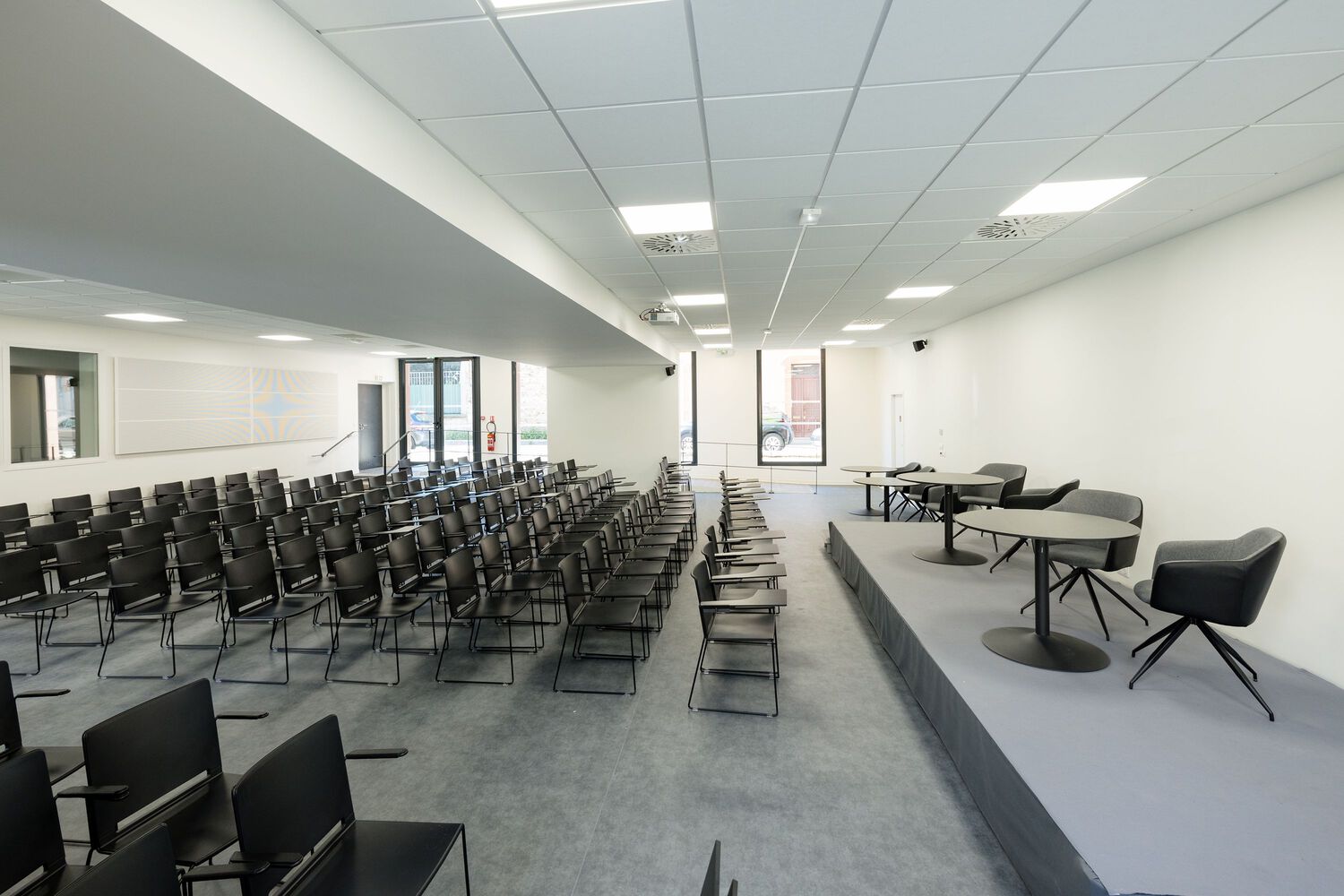
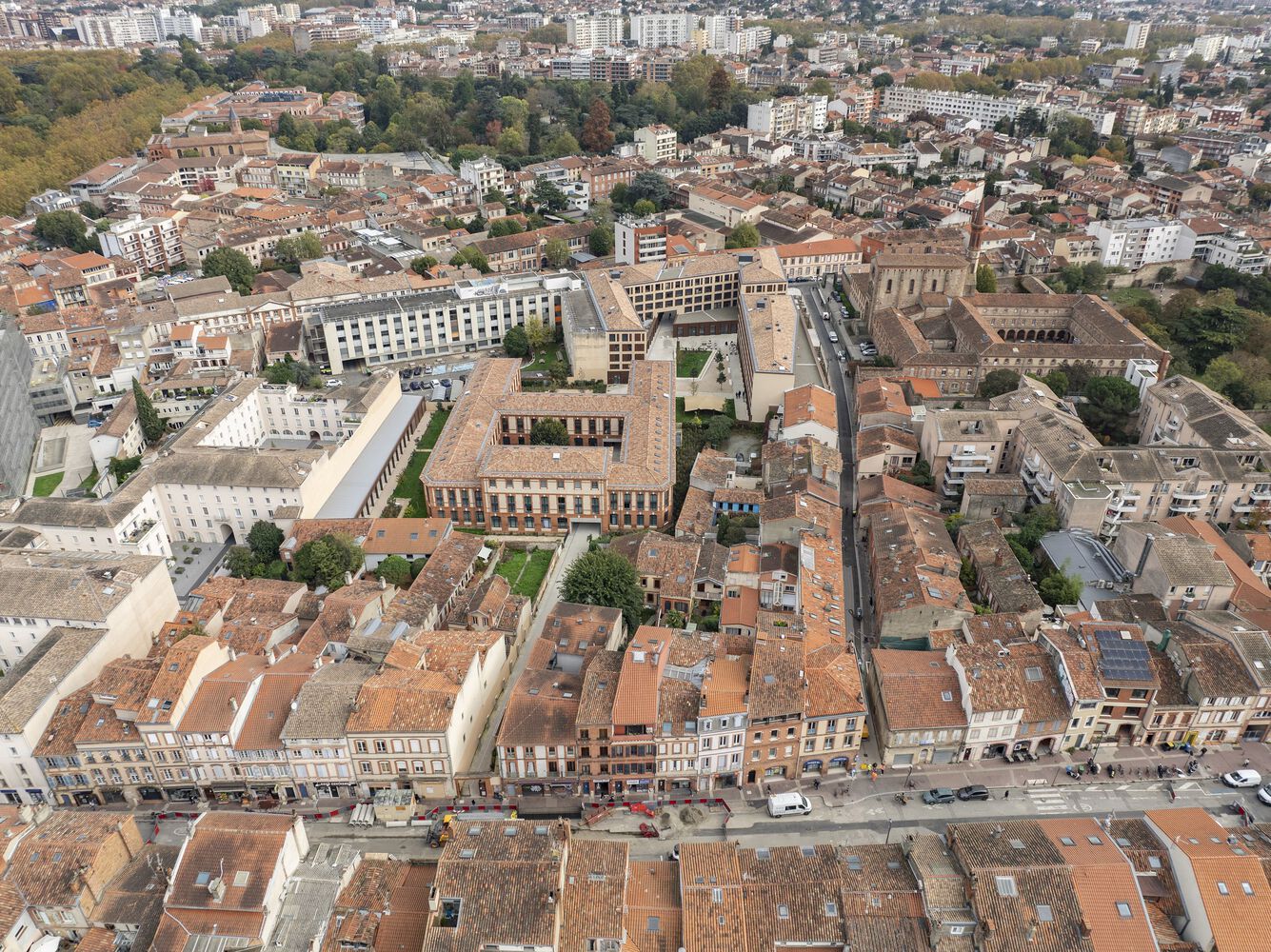
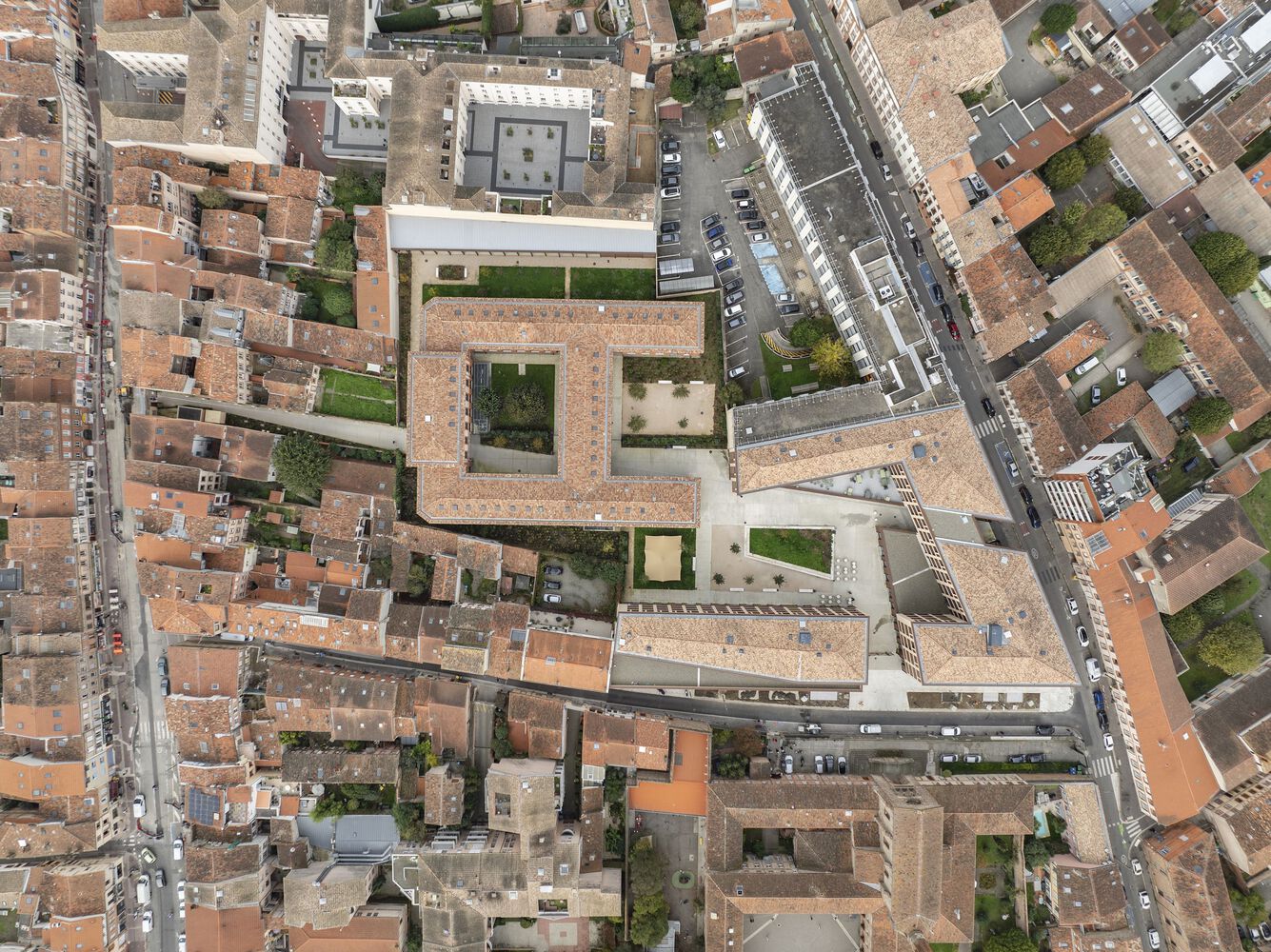
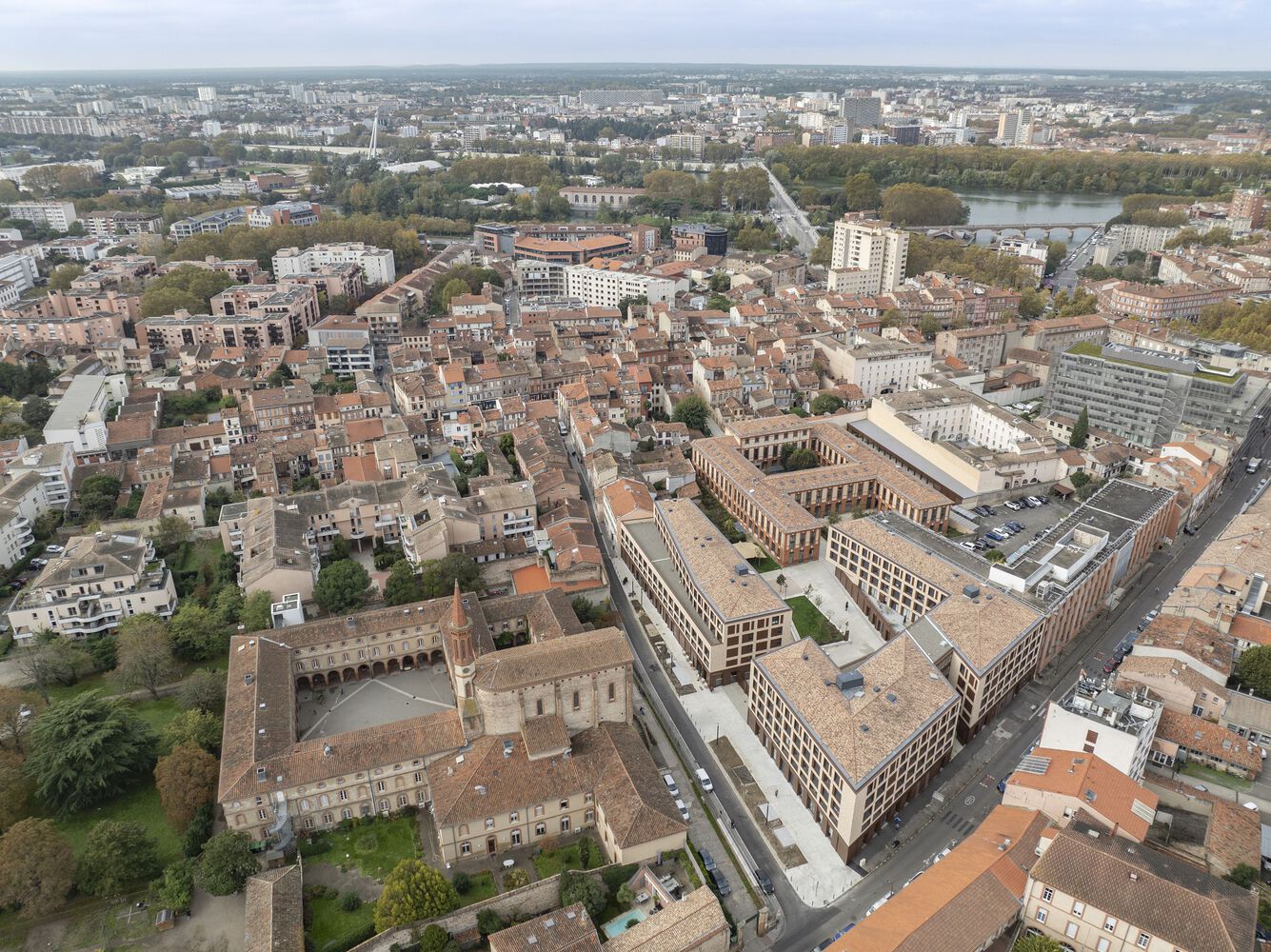
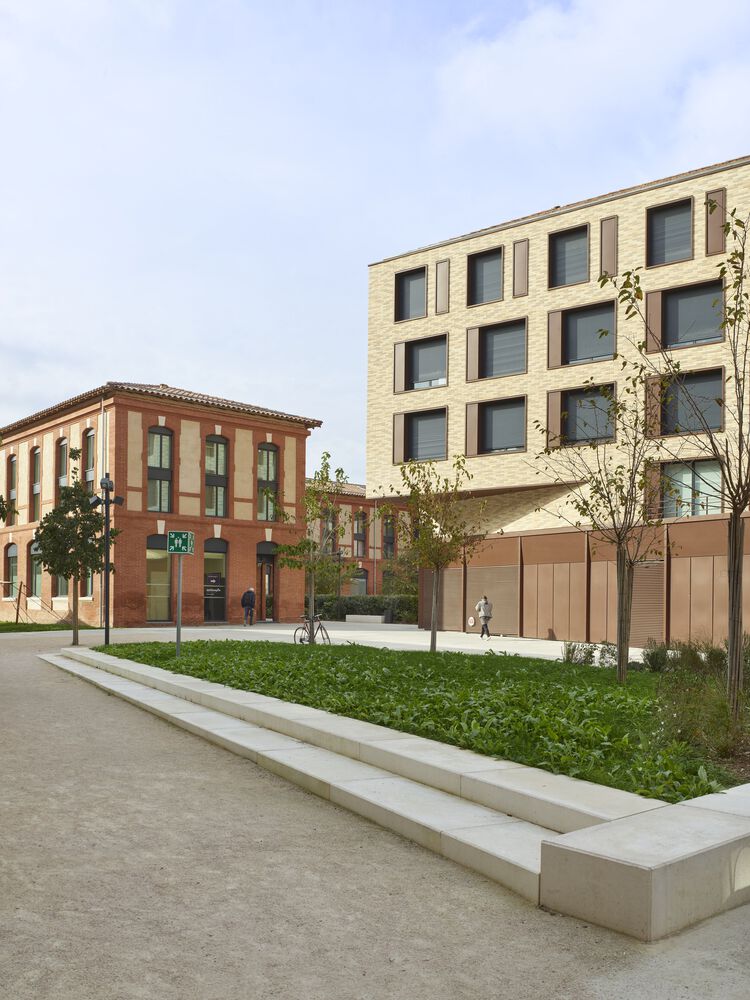
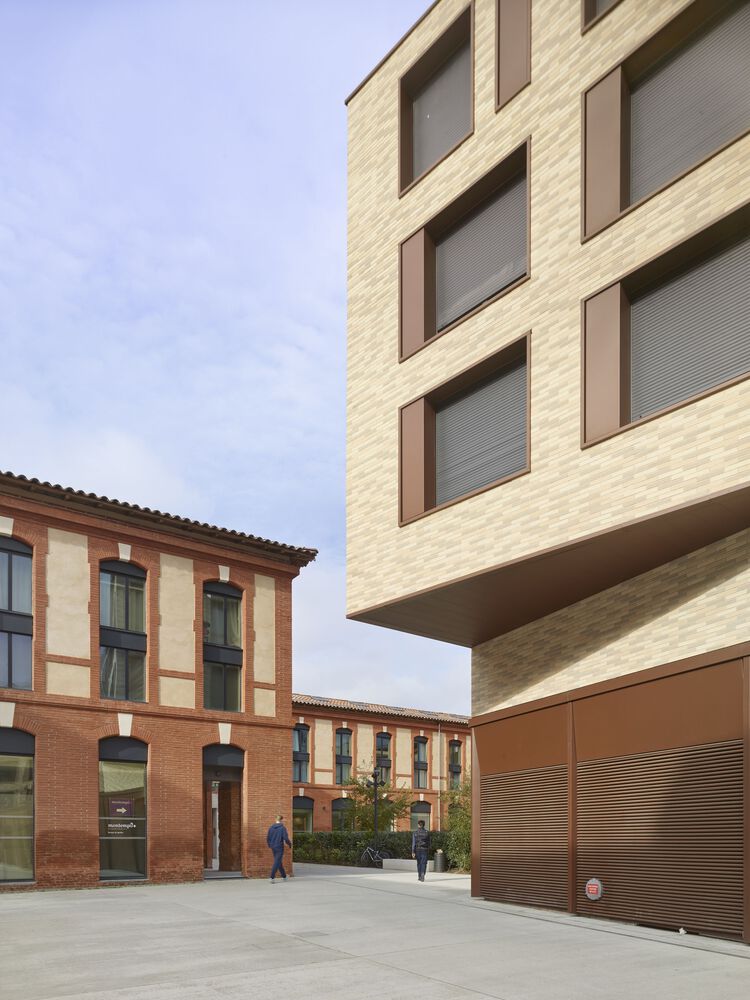
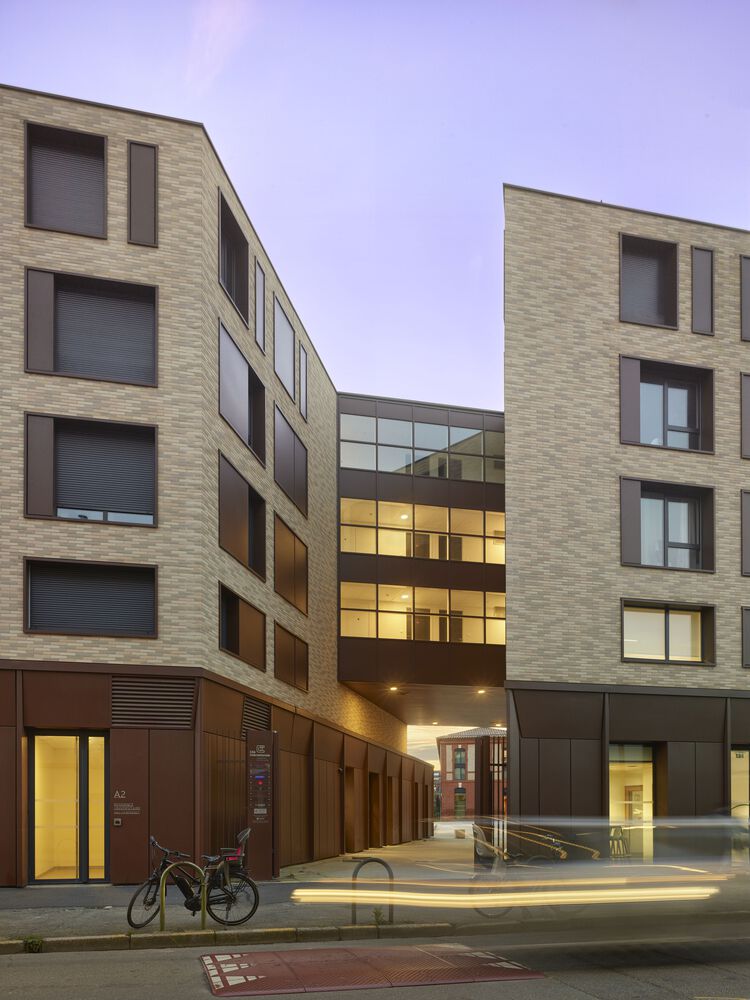
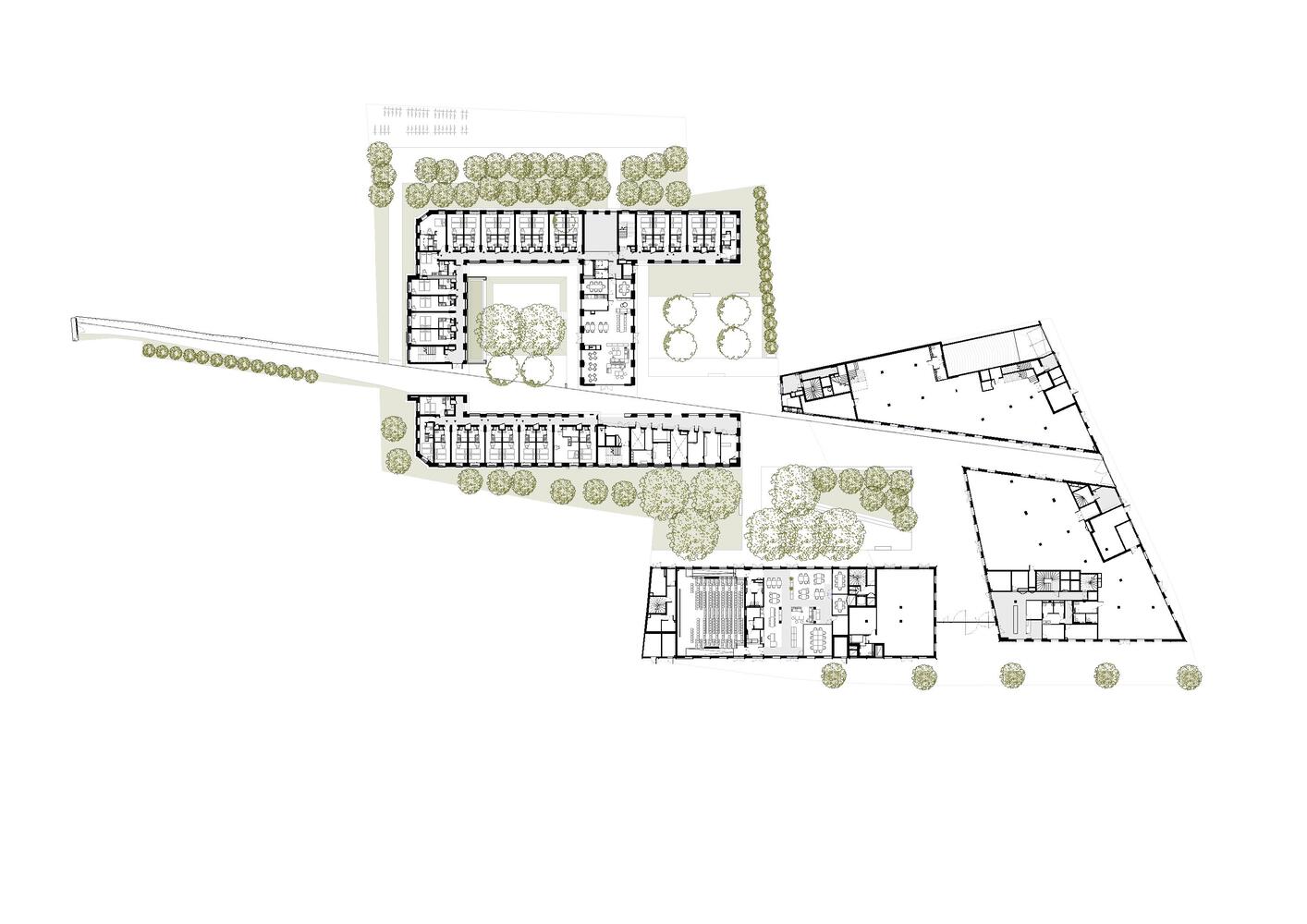
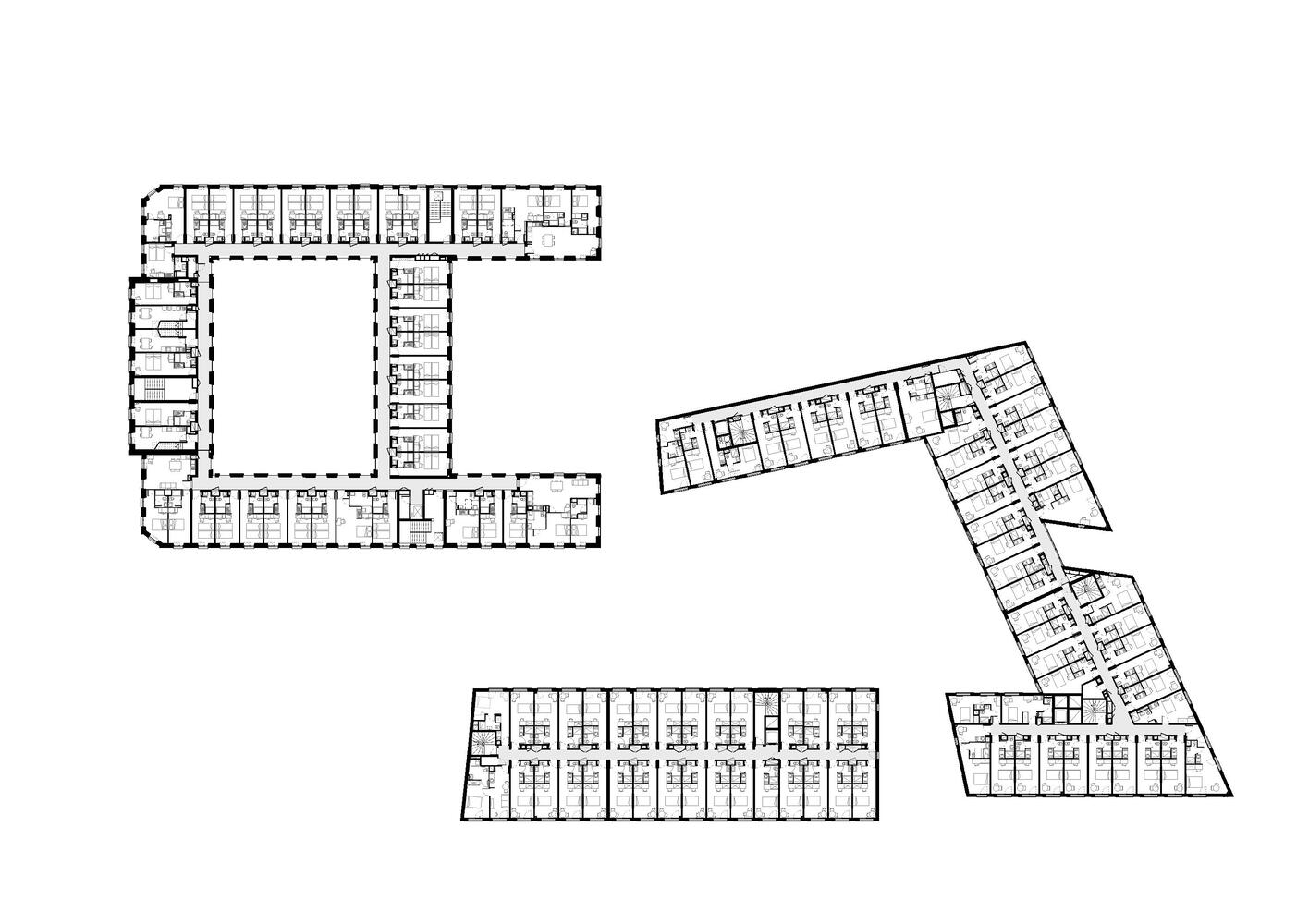
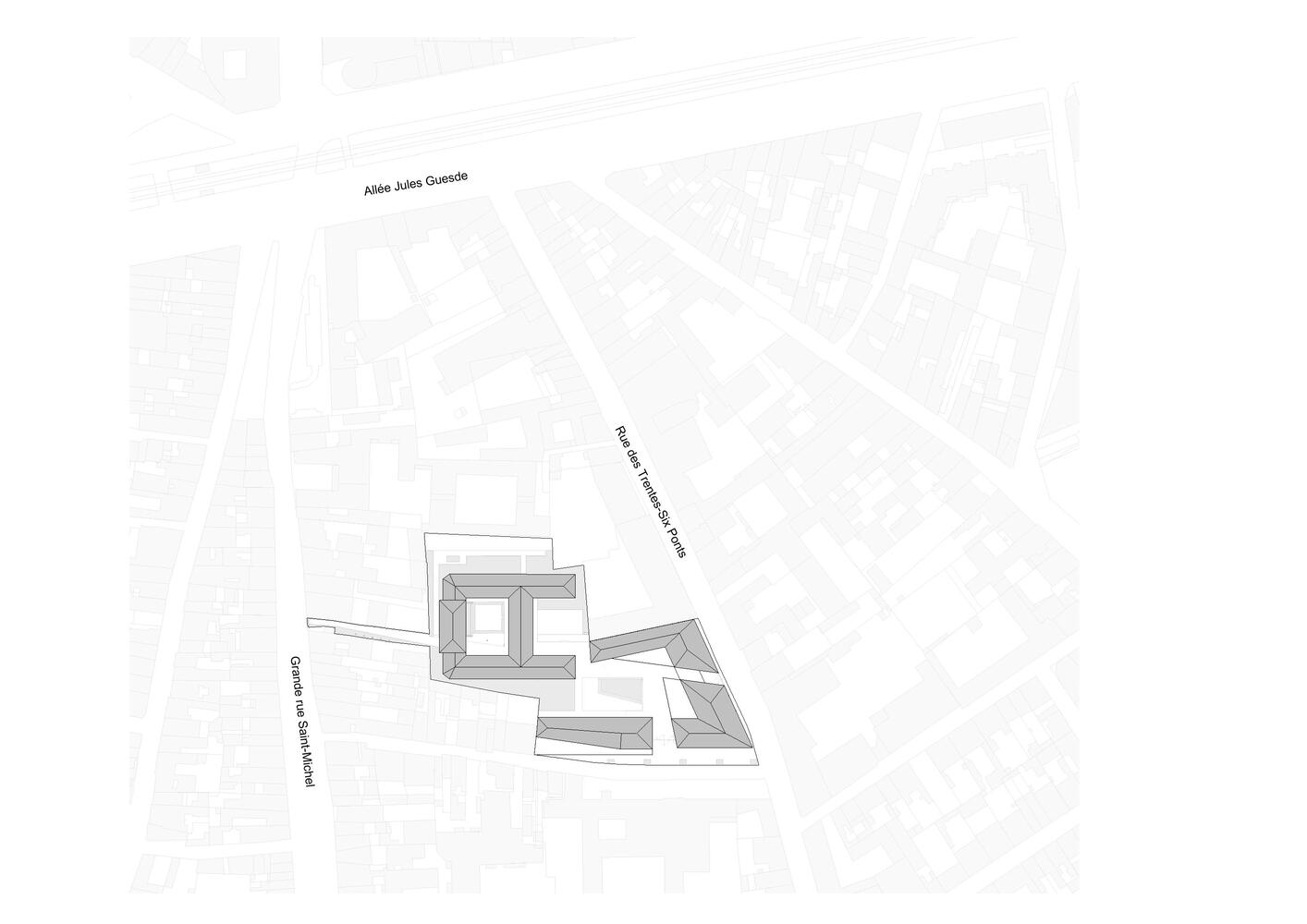
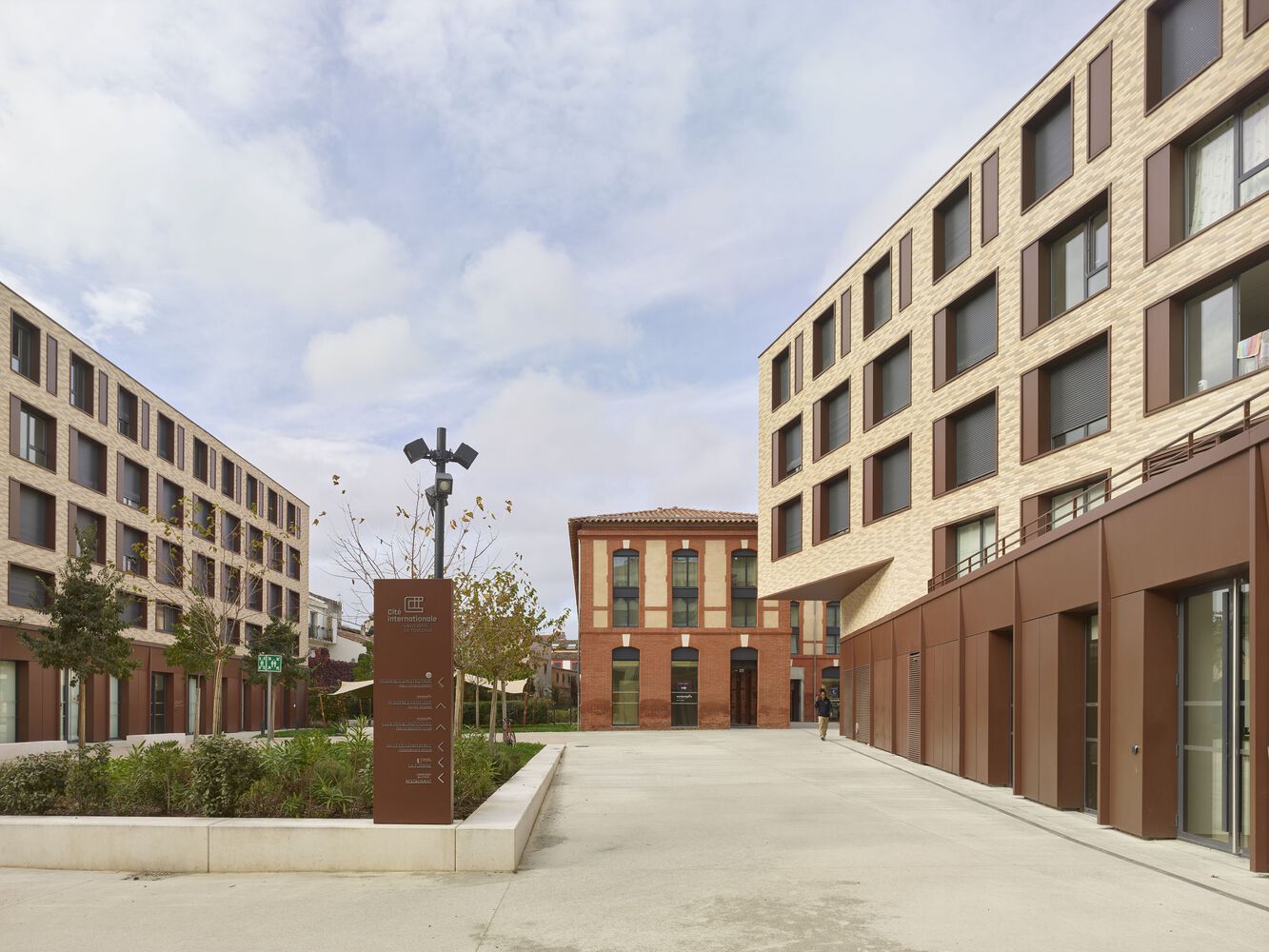
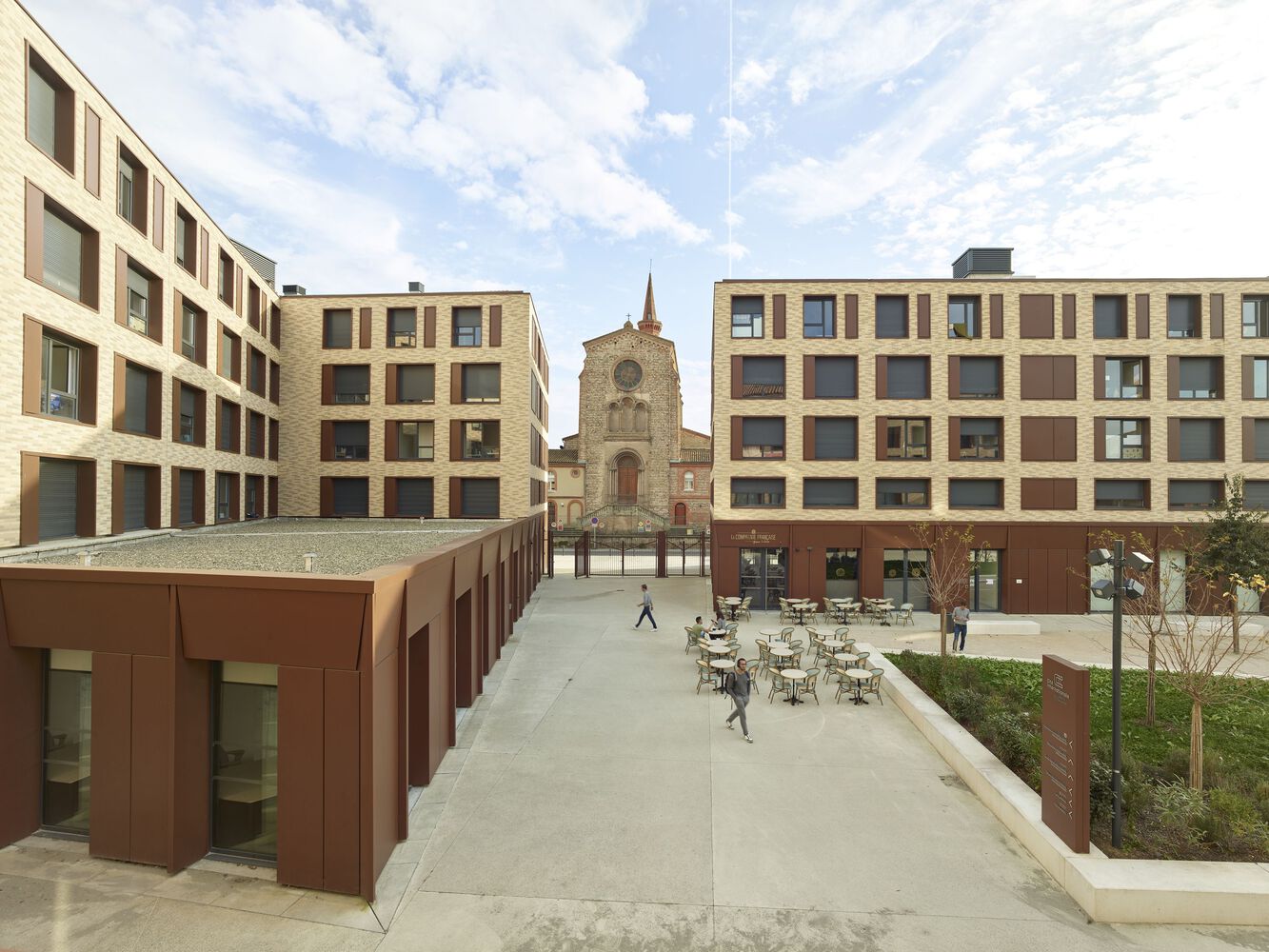
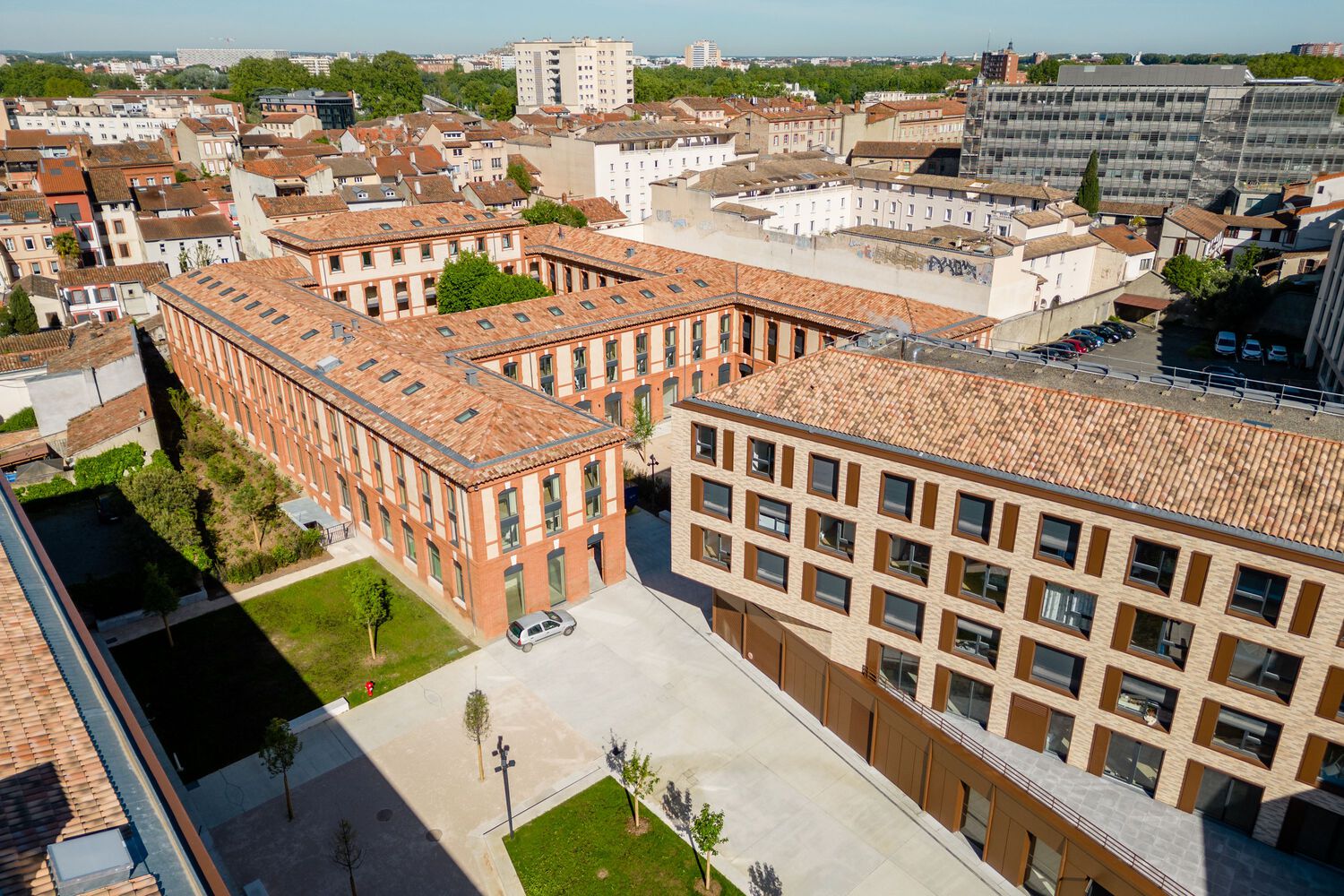
The volumetric composition of our project reveals the interweaving of three systems: *The historic "H Building" by Paul Sabatier, which forms a built ensemble that, through its design around a closed patio and an open courtyard, leaves a lasting mark on the neighborhood.
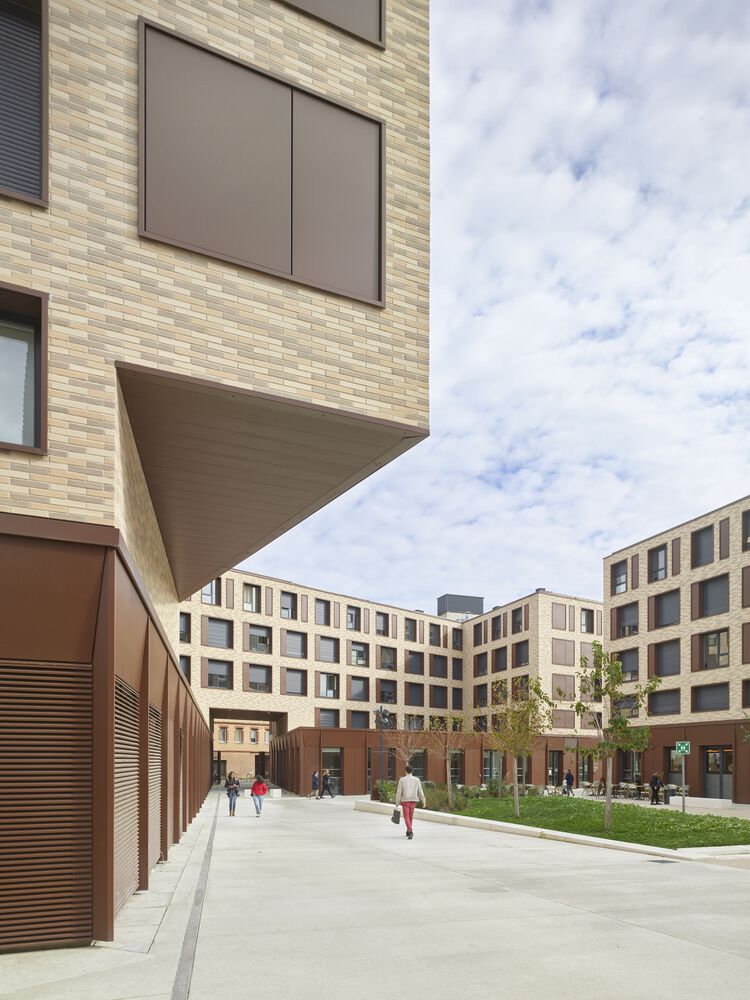
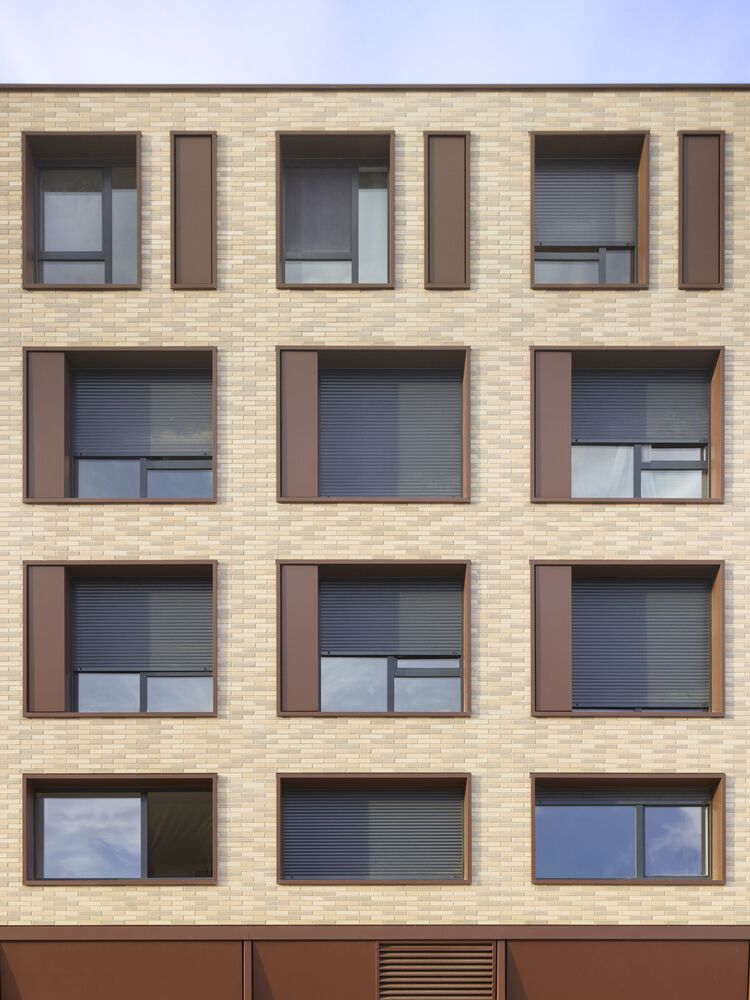
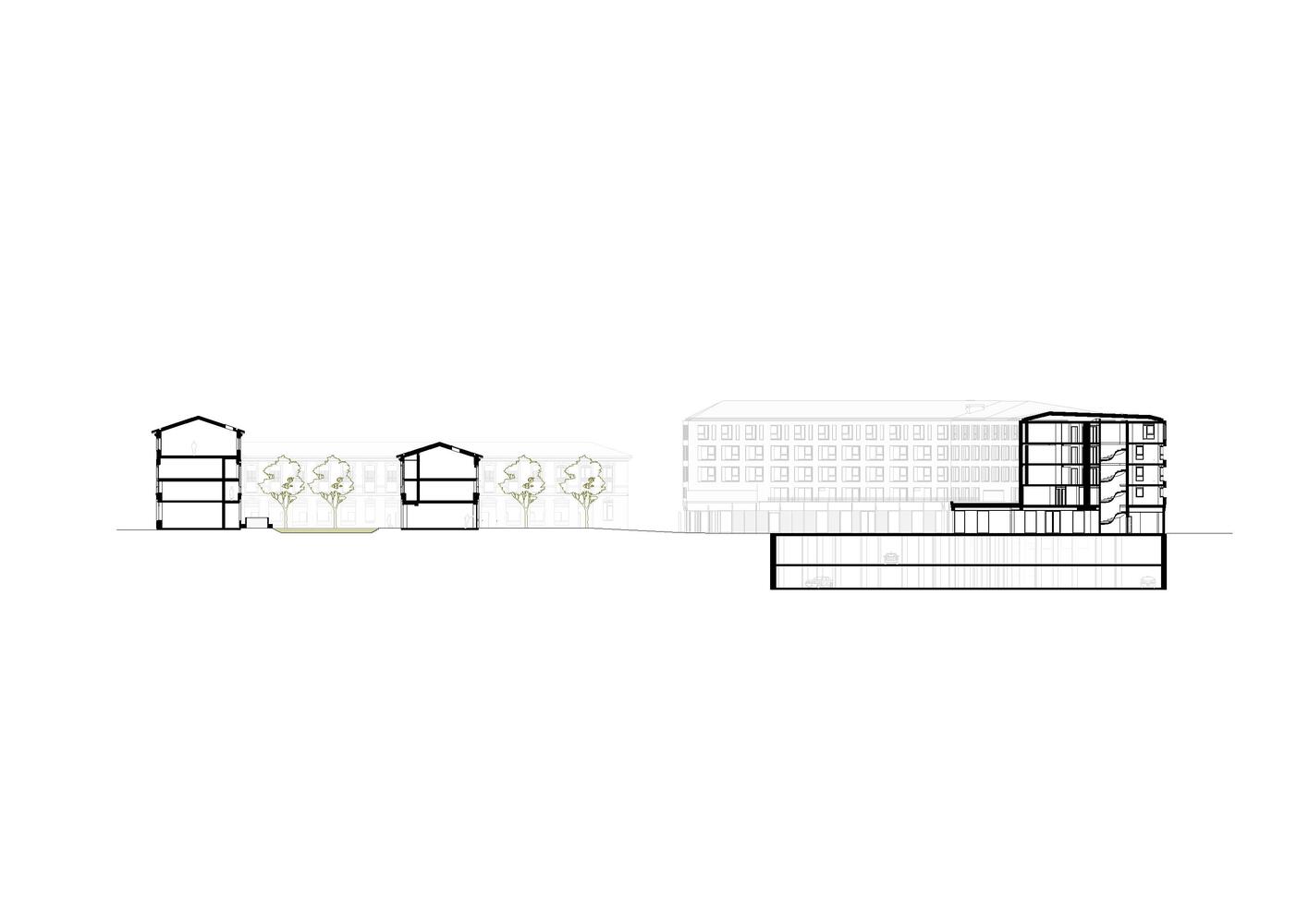
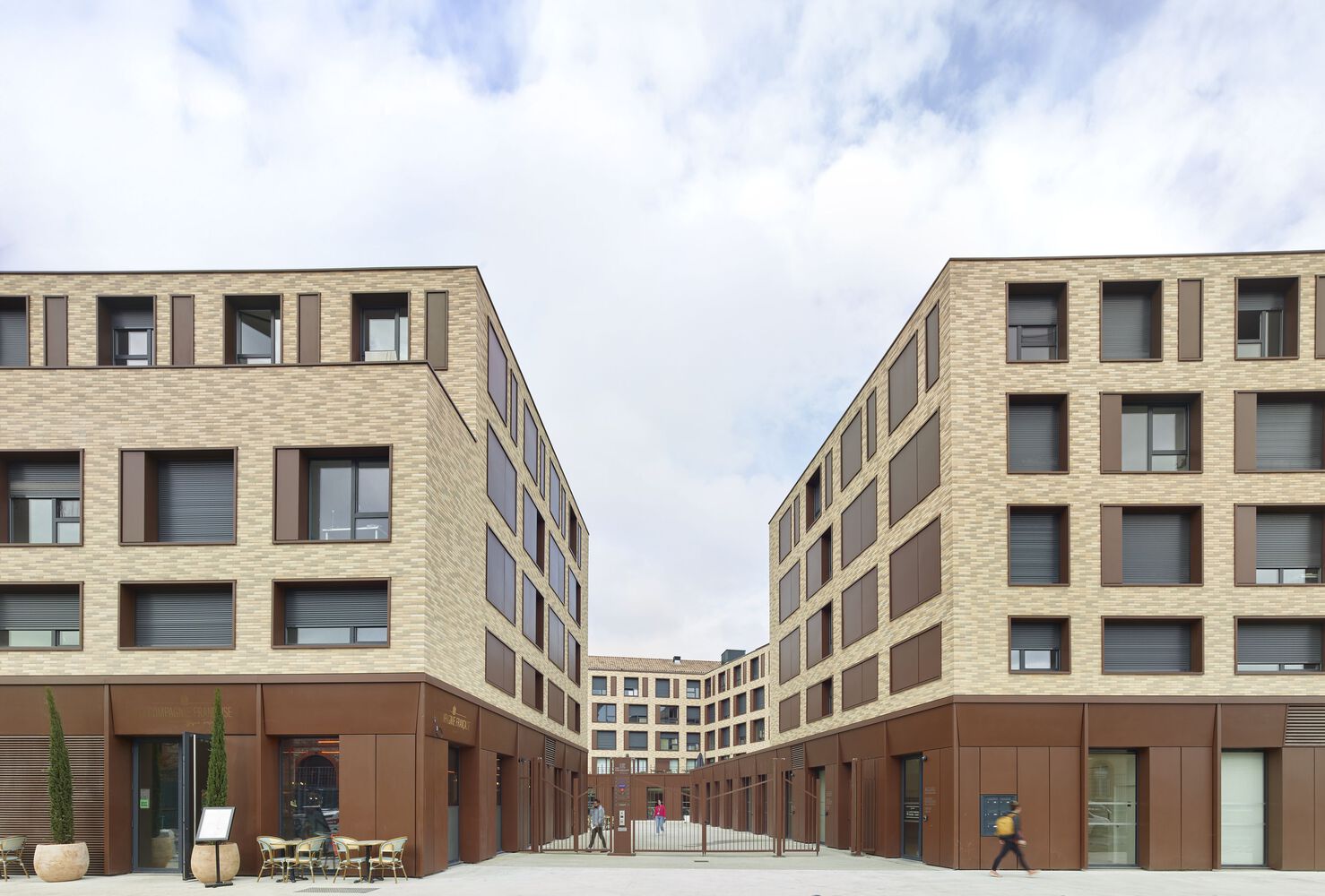
*Two new buildings aligned with the surrounding streets, integrated into an open composition facing the heart of the block. *A pedestrian walkway that serves as the backbone of the site, around which the various programs of the Cité Internationale Université de Toulouse are organized within a shared ground level.
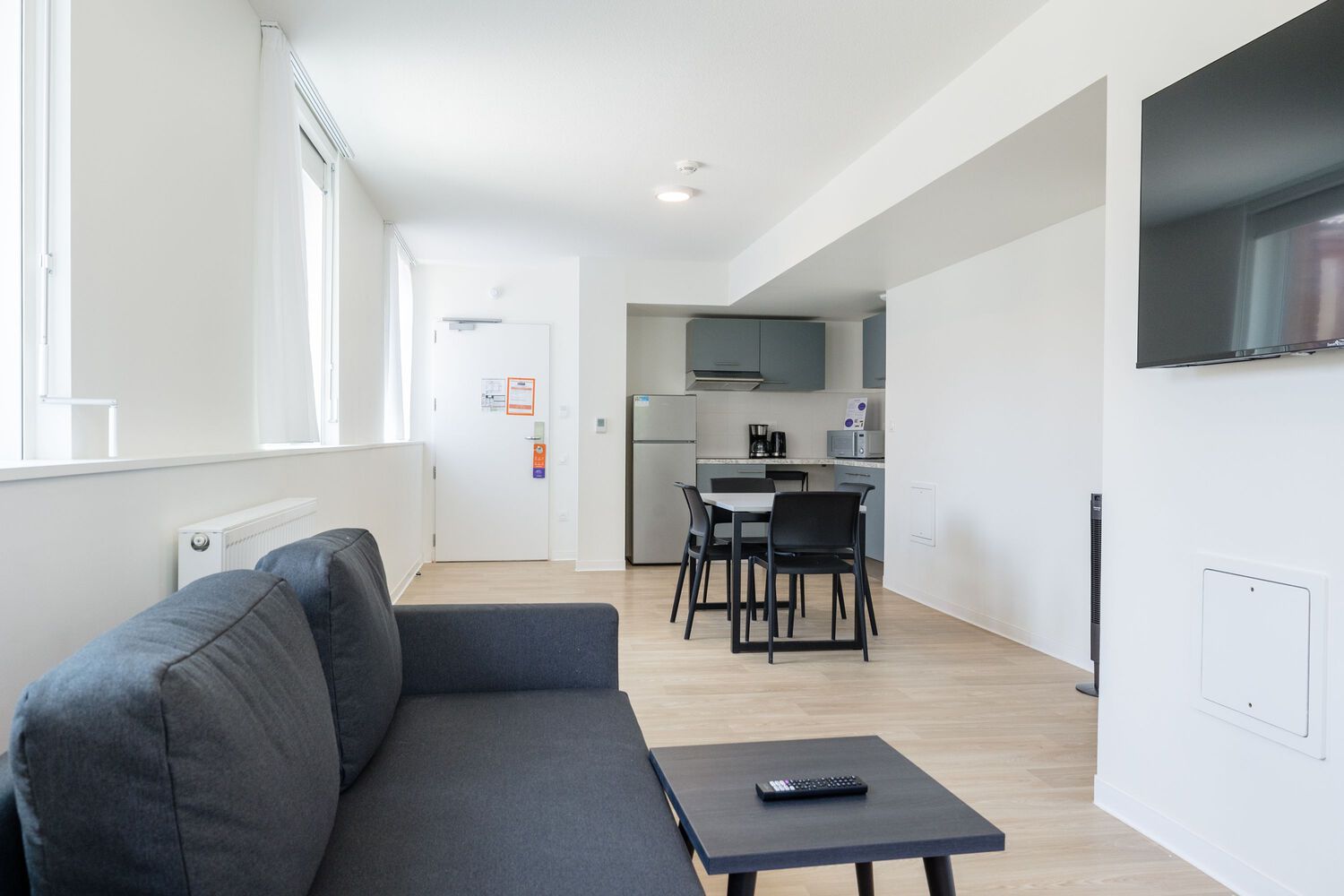
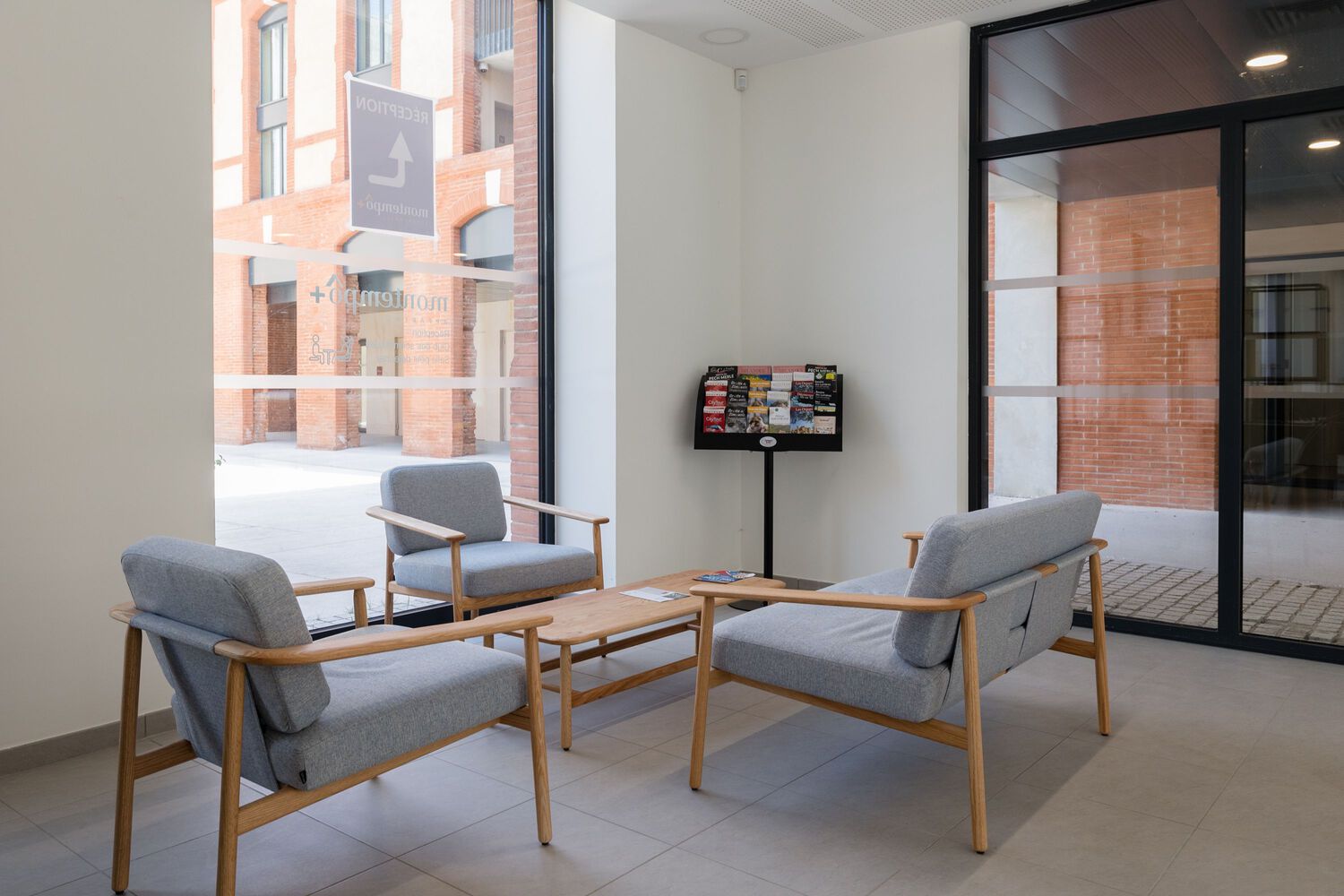
*This interplay between old and new buildings, each forming open U-shapes, creates an interior space that acts as the central link within the overall system. The layout of our project follows the continuity of the surrounding urban fabric.
On and around the site, we observe emblematic architectural elements that leave a strong imprint within this dense urban context, such as the "H" building and the private Notre-Dame school. These buildings stand out from the surrounding fabric due to their scale and parallel orientation.
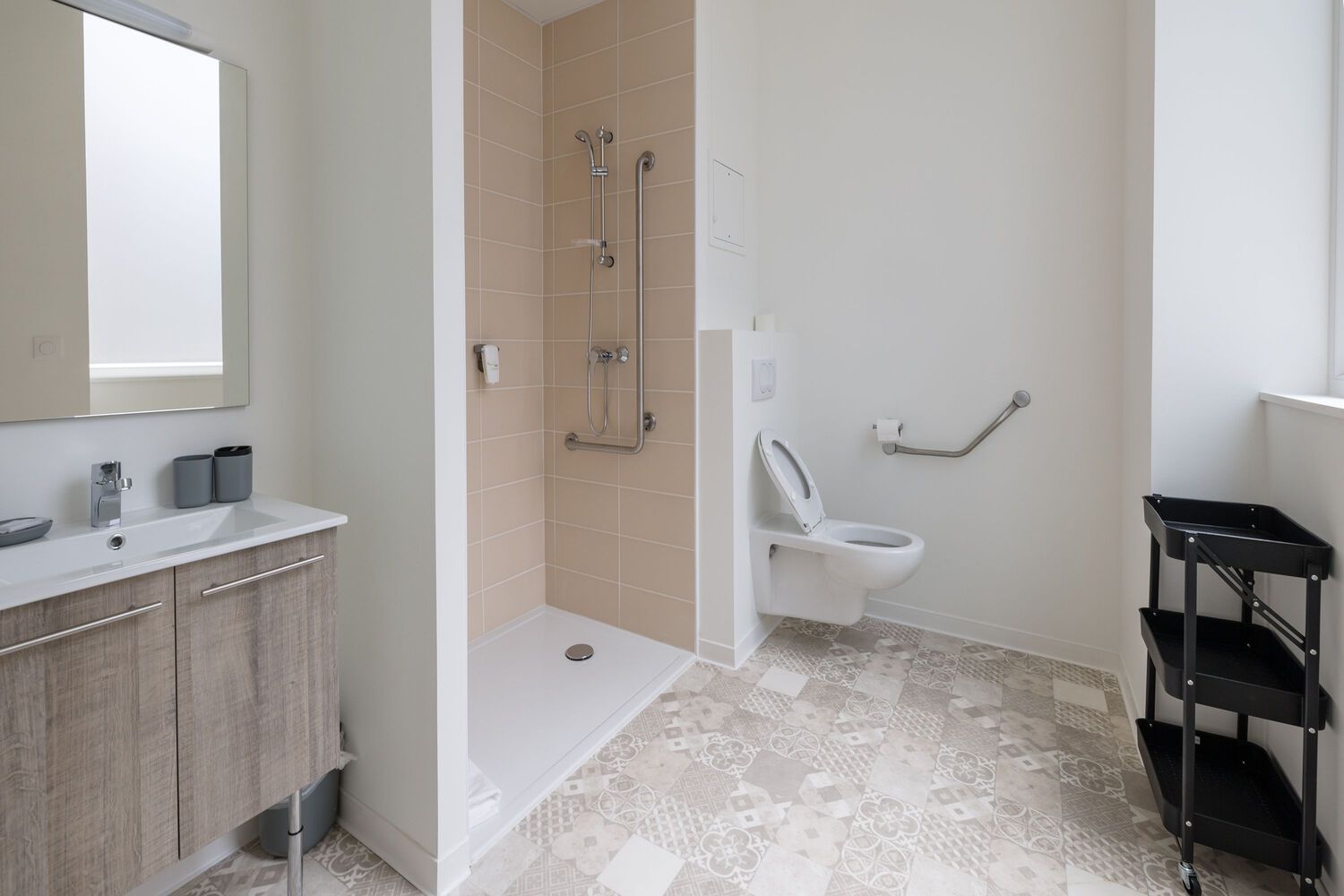
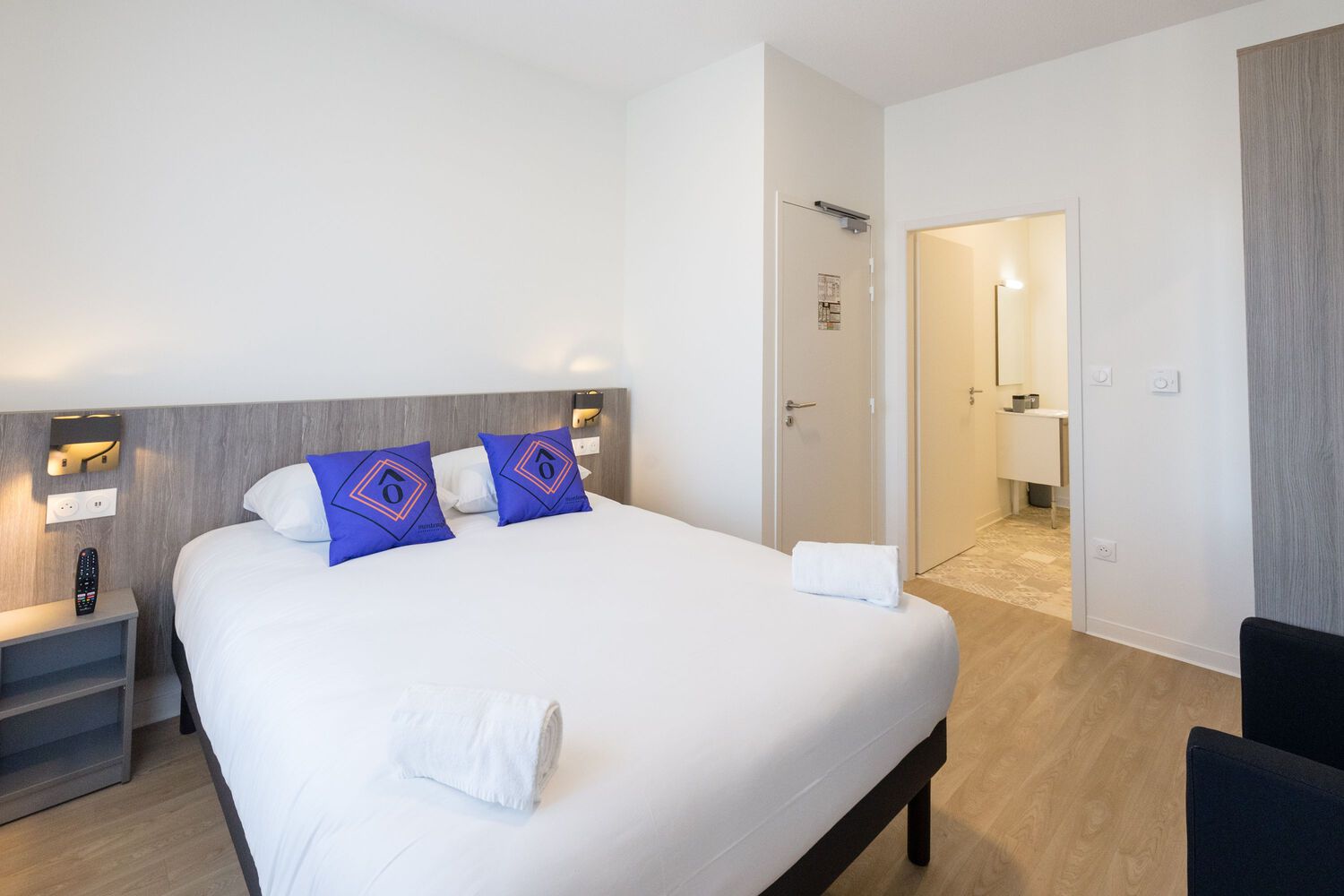
Our project seeks to highlight these structures and their footprint within the urban landscape by extending this existing alignment.
This approach creates a series of successive spatial sequences that guide entry into the site, while also opening up spaces along Rue Sainte-Catherine.
The resulting perspectives are revealed gradually, suggesting rather than imposing, and allowing the site to be discovered progressively.
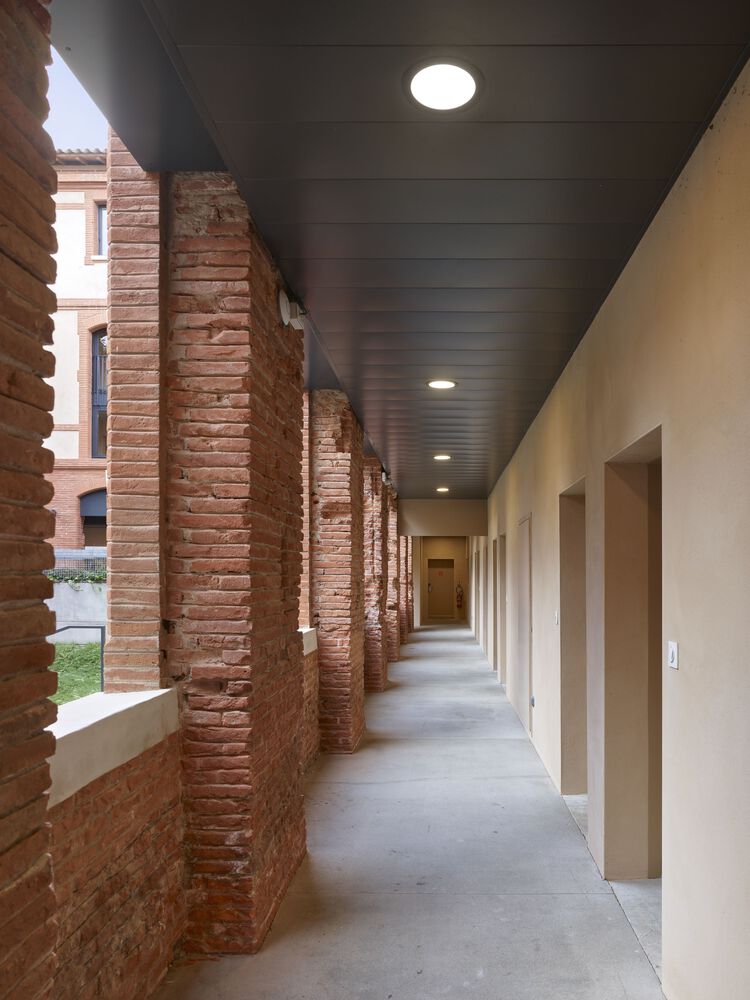
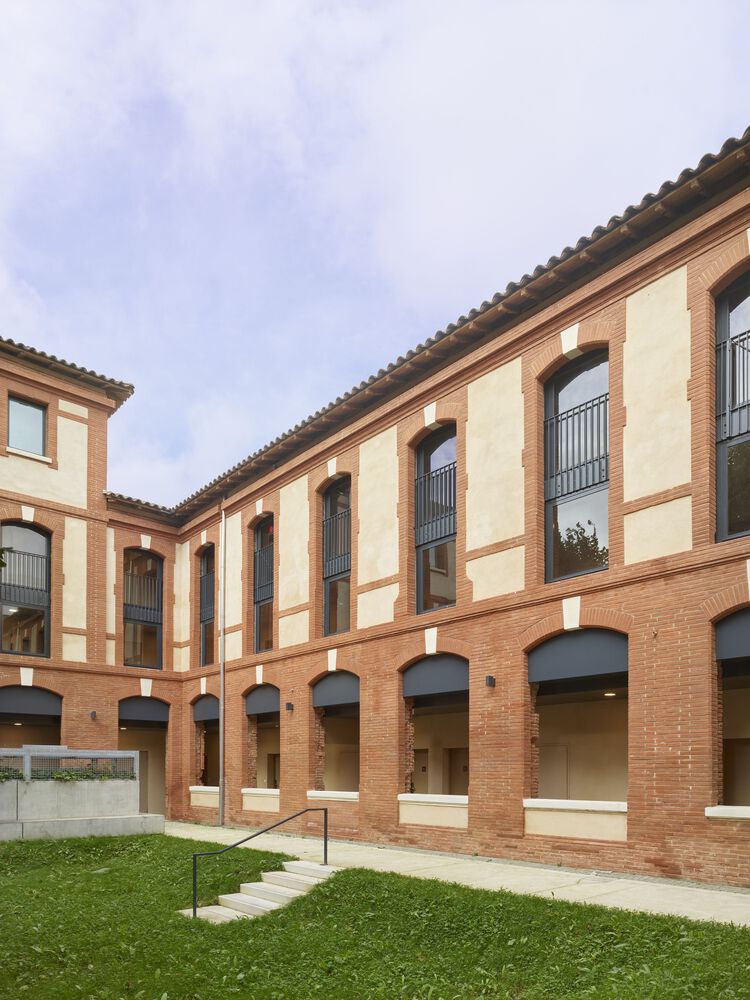
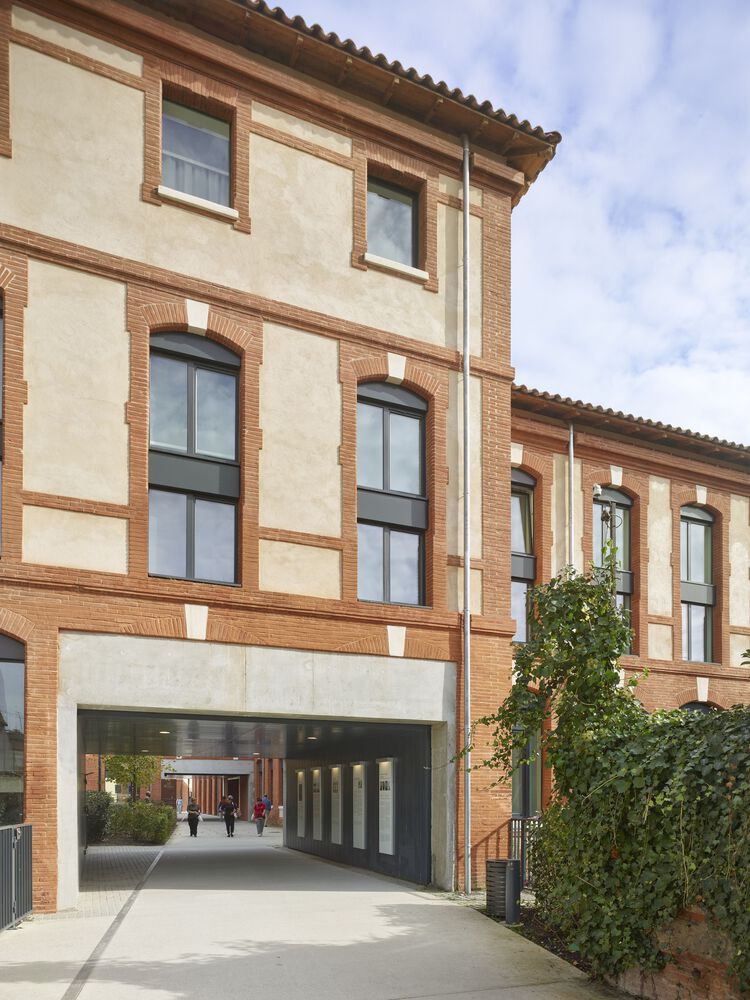
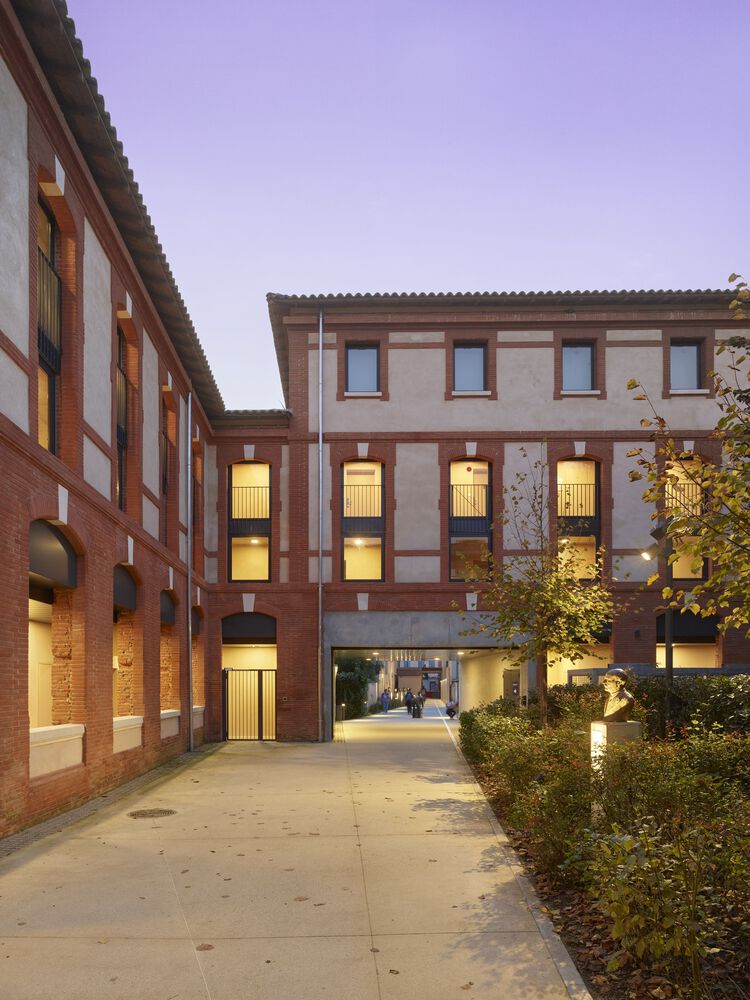
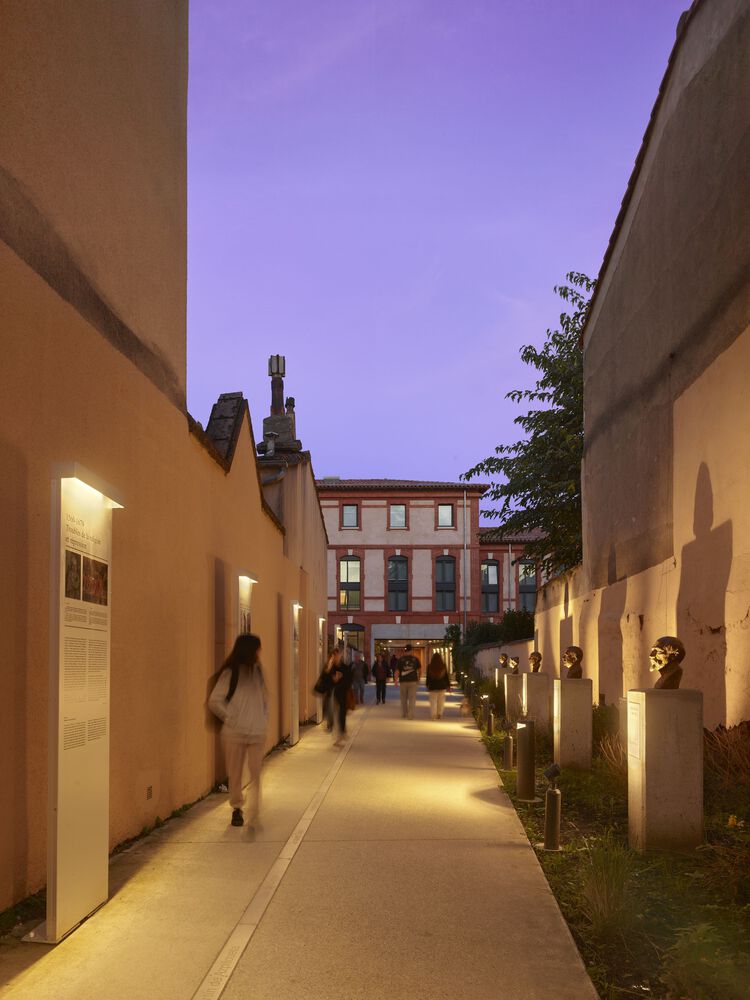
The project is structured around a pedestrian pathway that connects Grande Rue Saint-Michel to Rue des Trente-Six Ponts.
This cross-axis allows visitors to discover the Cité Internationale Université de Toulouse and its complementary programs, creating a publicly accessible route that reveals Paul Sabatier's laboratories—an architectural landmark symbolizing Toulouse's scientific development, whose presence had long gone unnoticed.
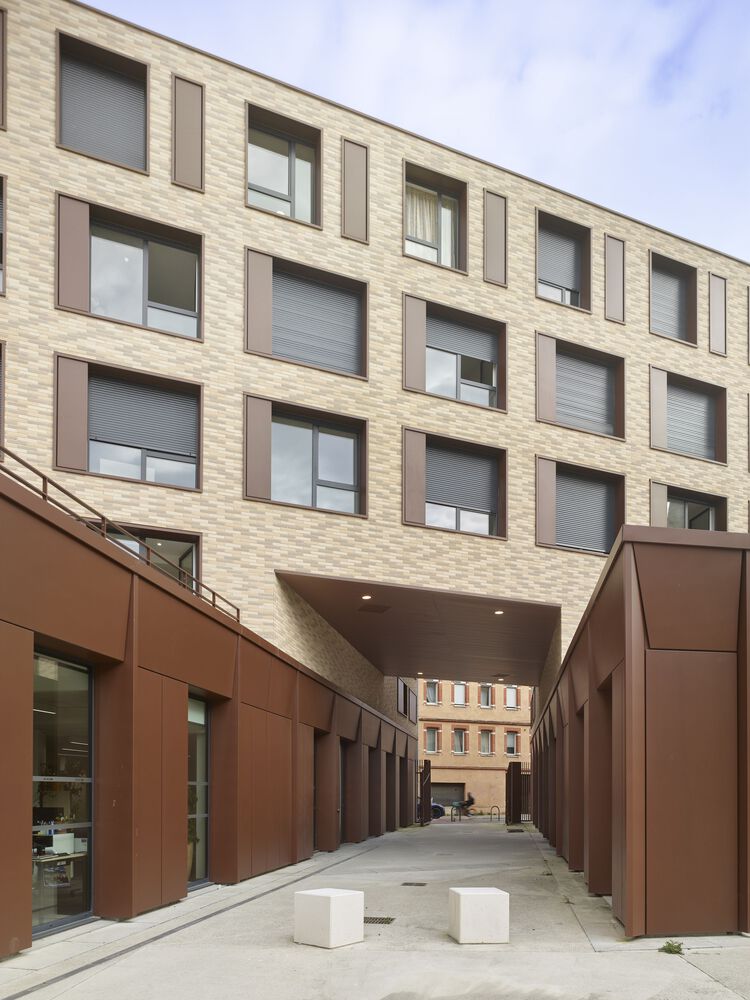
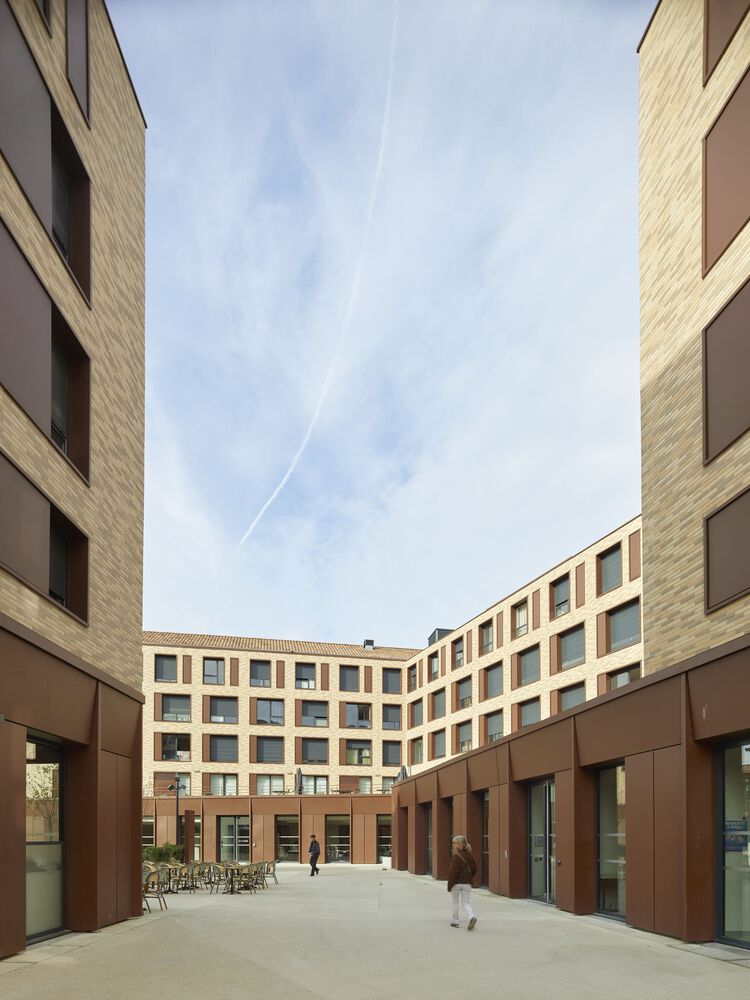
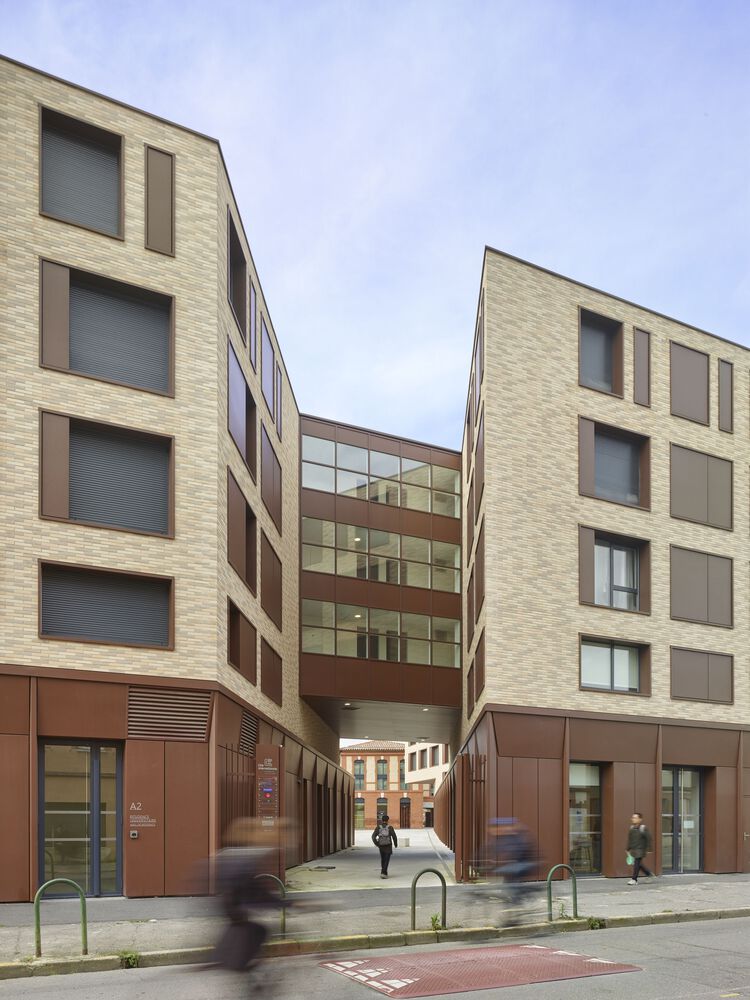
Our design is built around this pathway; it nourishes the site's various uses and forges a connection with the surrounding neighborhood.
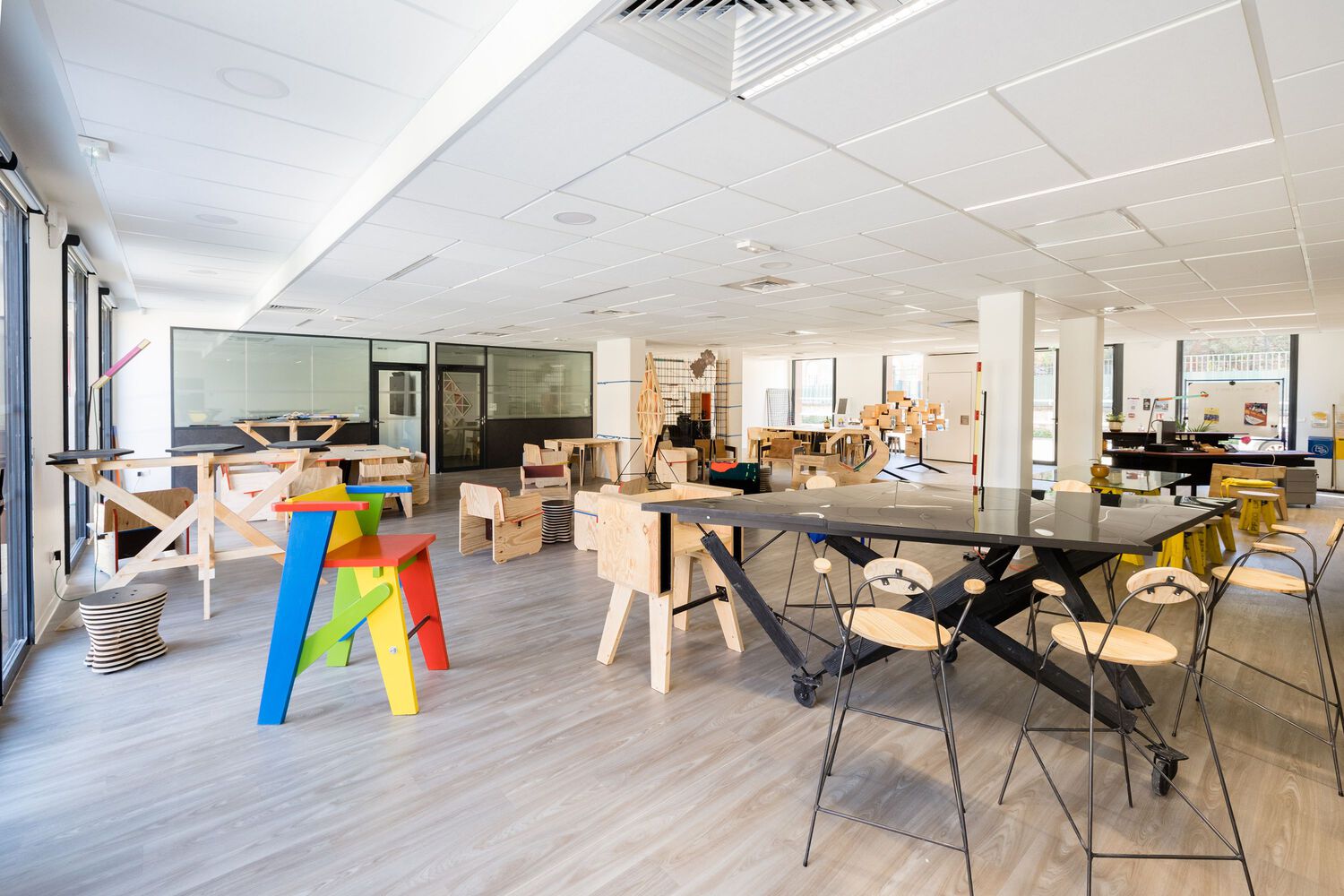
It offers visitors a showcase of Toulouse's academic and scientific life while also providing access to local amenities and welcoming, sheltered gathering spaces.
Along this pedestrian axis, a series of open spaces, patios, gardens, and small squares take shape, forming the spine of the project.
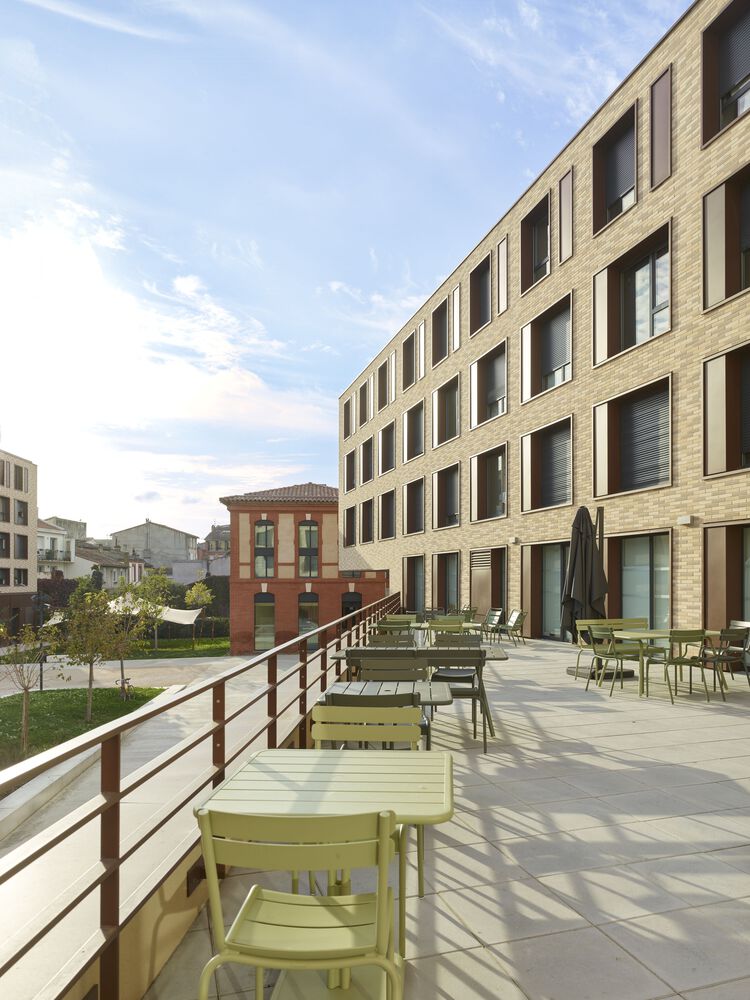
This central path links all the programs together and activates the outdoor spaces, which remain accessible to local residents. The route is conceived as a museum-like experience, accompanied by a scenographic narrative that highlights the site's history and the legacy of Paul Sabatier.