BROM Residence
BROM Residence
Atelier Carle
ARCHITECTS
Atelier Carle
FOUNDING ARCHITECT
Alain Carle
PROJECT ARCHITECT
Isaniel Lévesque
LANDSCAPE ARCHITECT
Oscar Hacche
ARCHITECTS
Baptiste Balbrick, James Jabbour
TECHNOLOGIST
Sarah Mei Mousseau
STYLING
Camille Denis
GENERAL CONTRACTOR
BBD Construction
EXPOSED RECLAIMED WOOD STRUCTURE
Taylor Lukian
STRUCTURAL ENGINEER
VCMa
MECHANICAL ENGINEER
Antoine Assaf ing
MASONRY
Maçonnerie Sutton
WINDOWS
Gaulhofer
CABINETMAKER
La Clef de Voûte
FLOORS
Unik Parquet
LIGHTING DESIGN
Sistemalux & Lumenpulse
FLOORING
Atelier B
CUSTOM FURNITURE
Élément bois
PHOTOGRAPHS
Alex Lesage
AREA
692 m²
YEAR
2024
LOCATION
Canada
CATEGORY
Houses
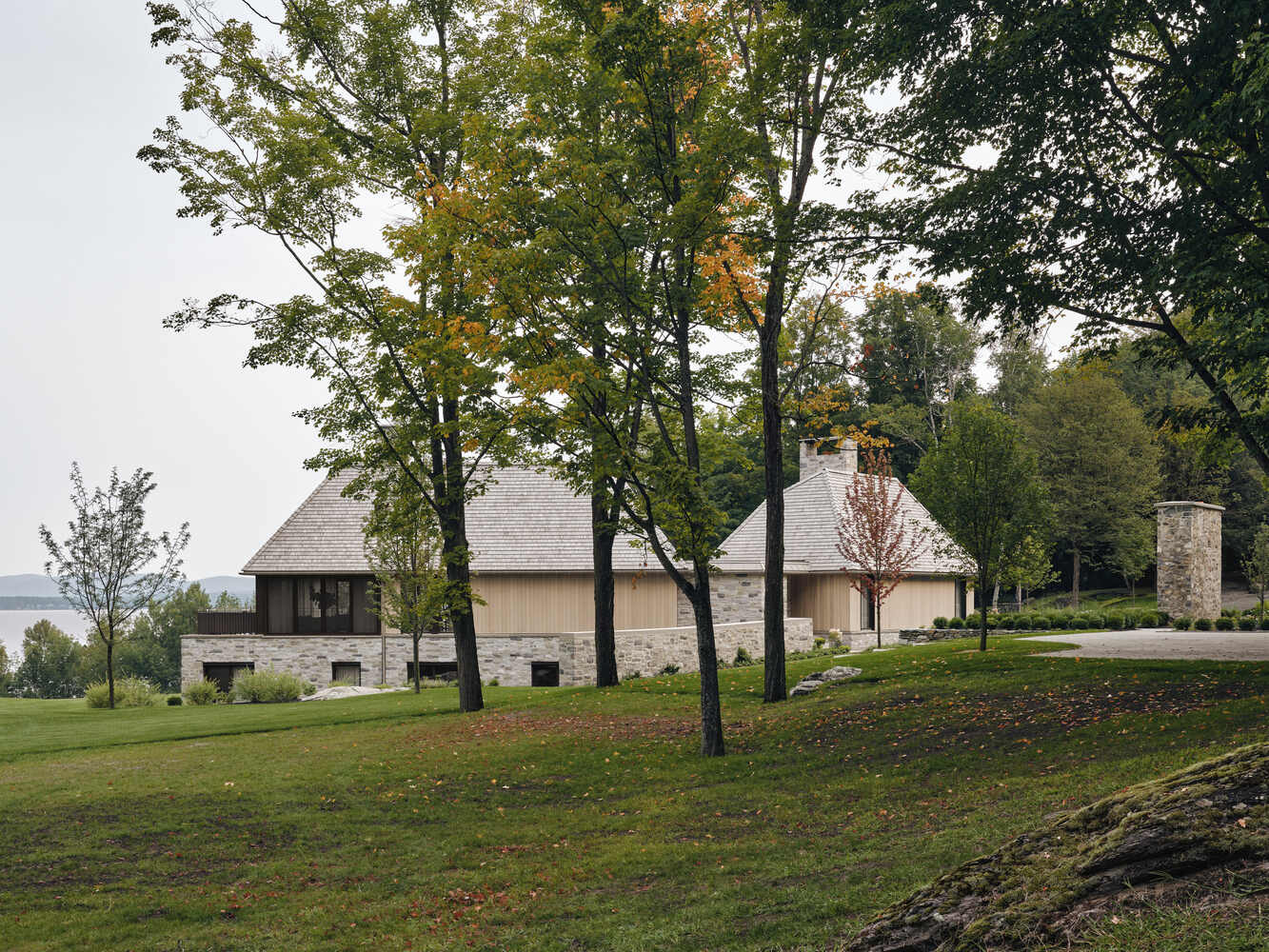
English description provided by the architects.
This project is grounded in a critical approach to sustainability issues related to residential architecture in rural areas.
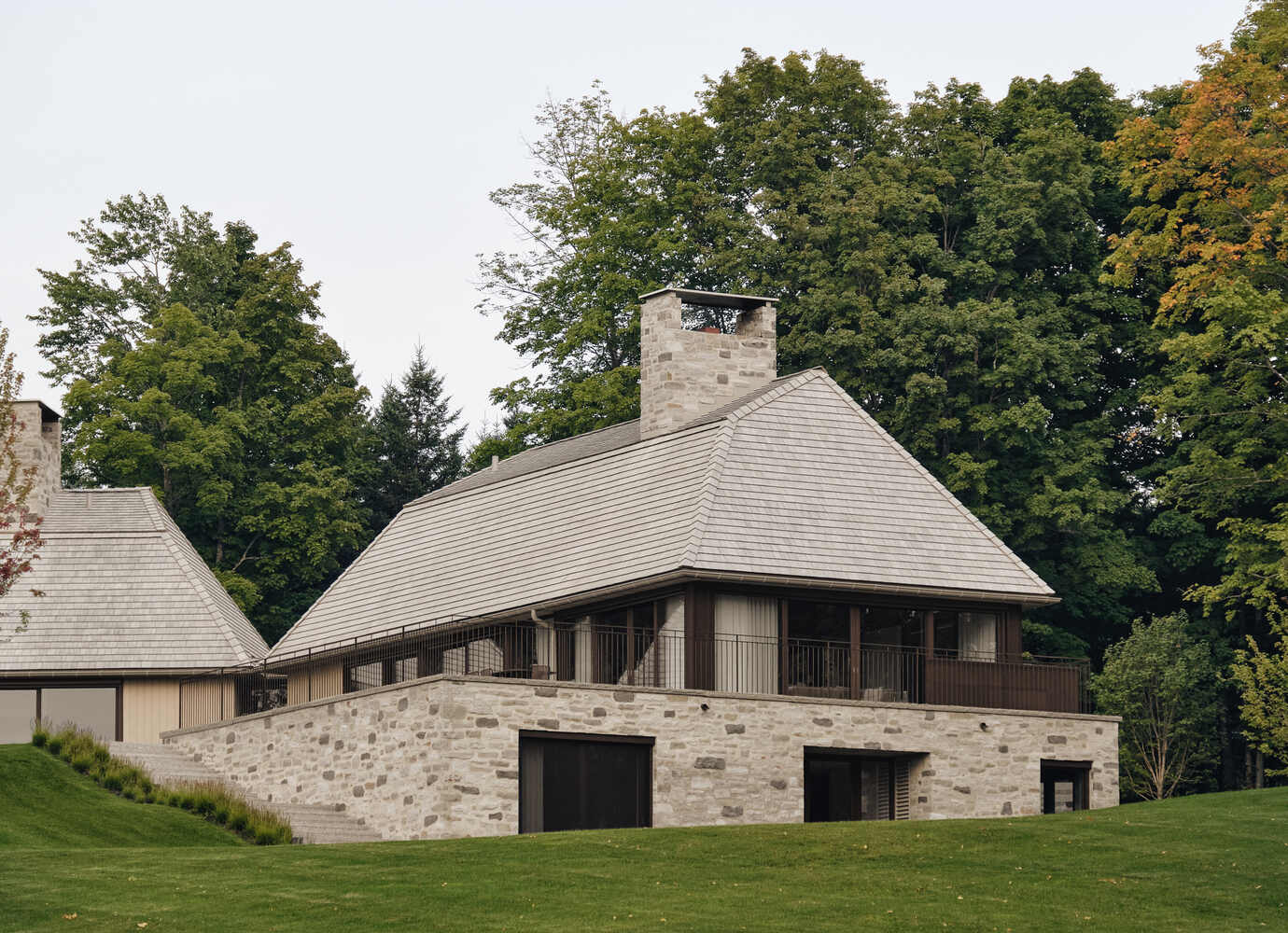
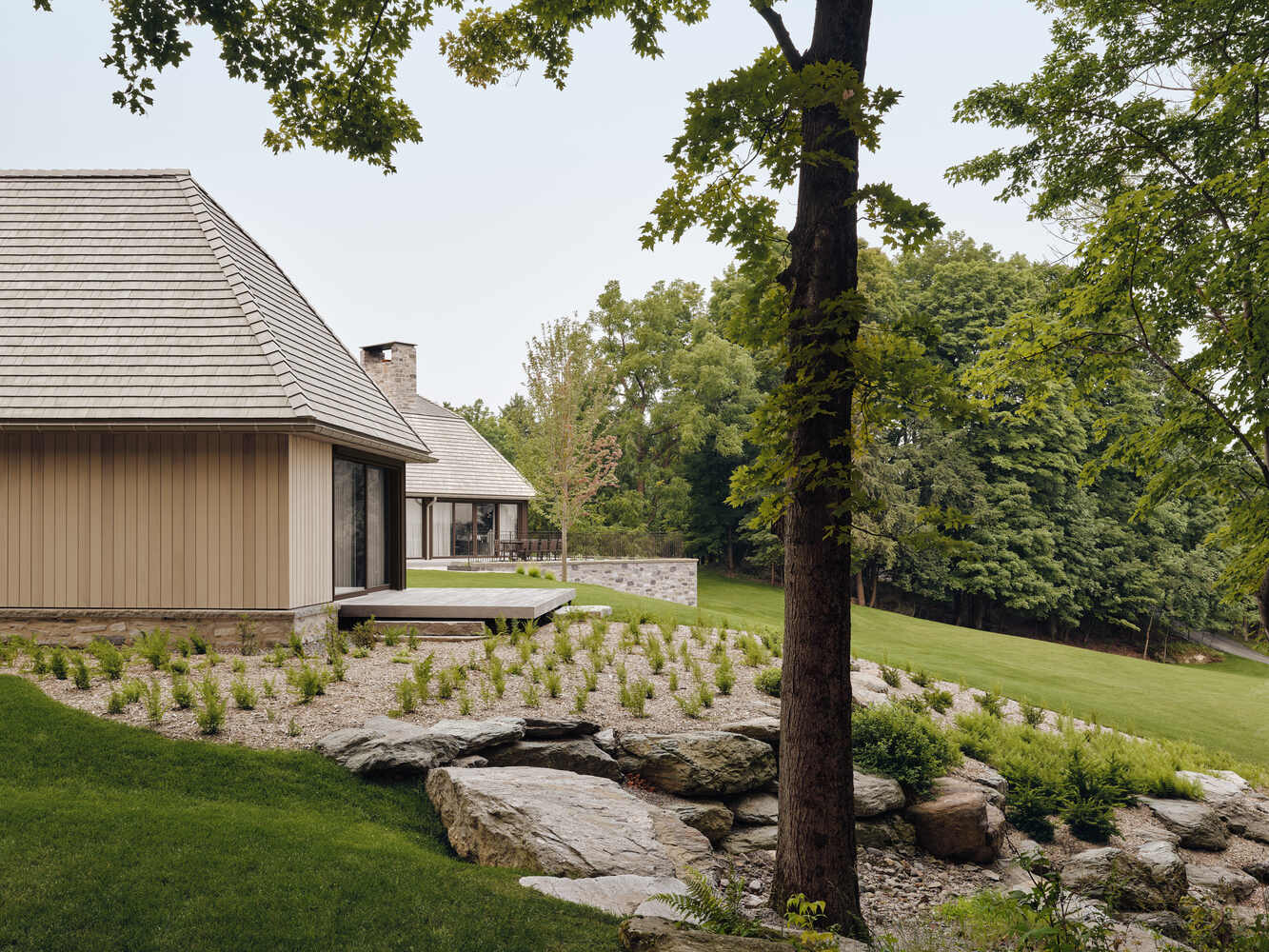
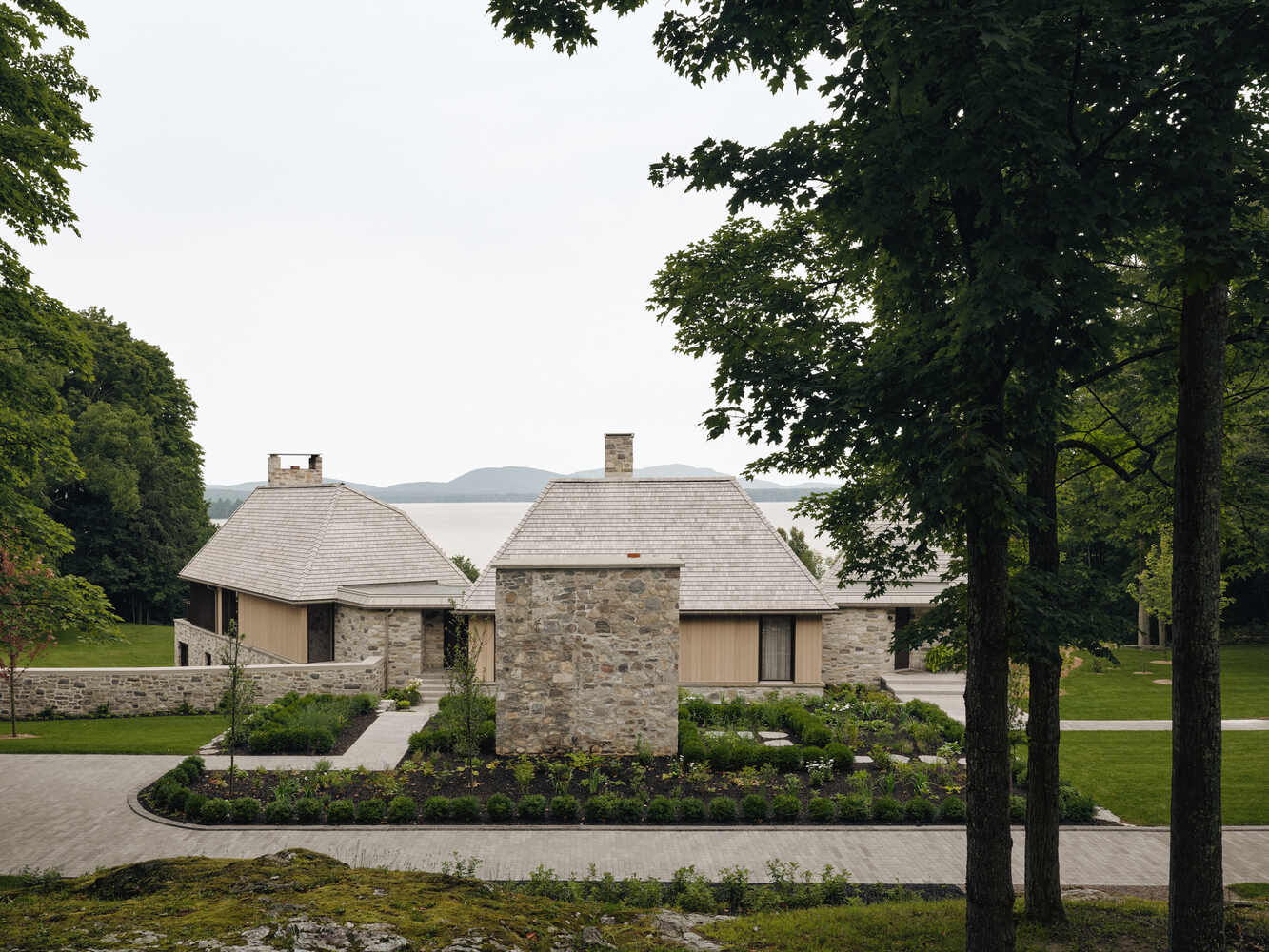
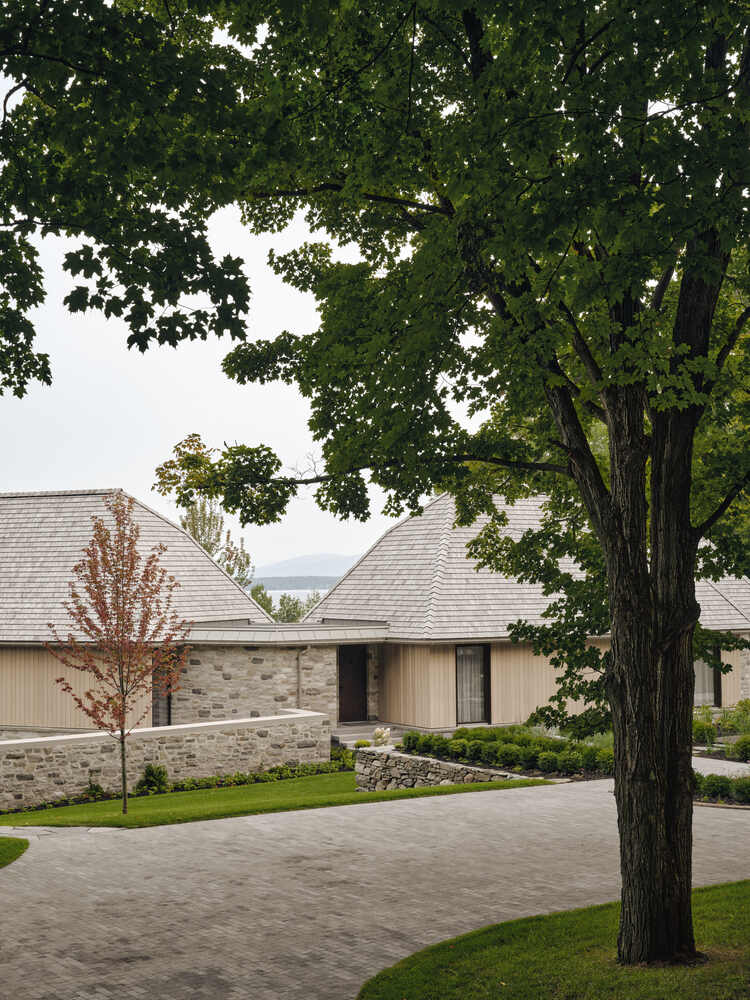
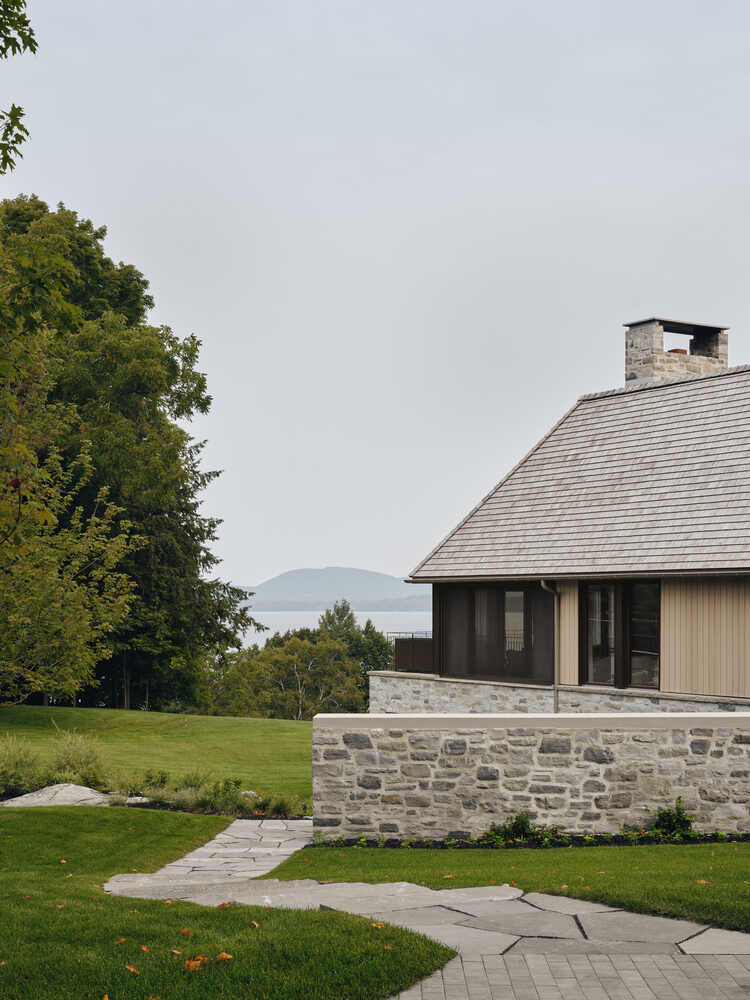
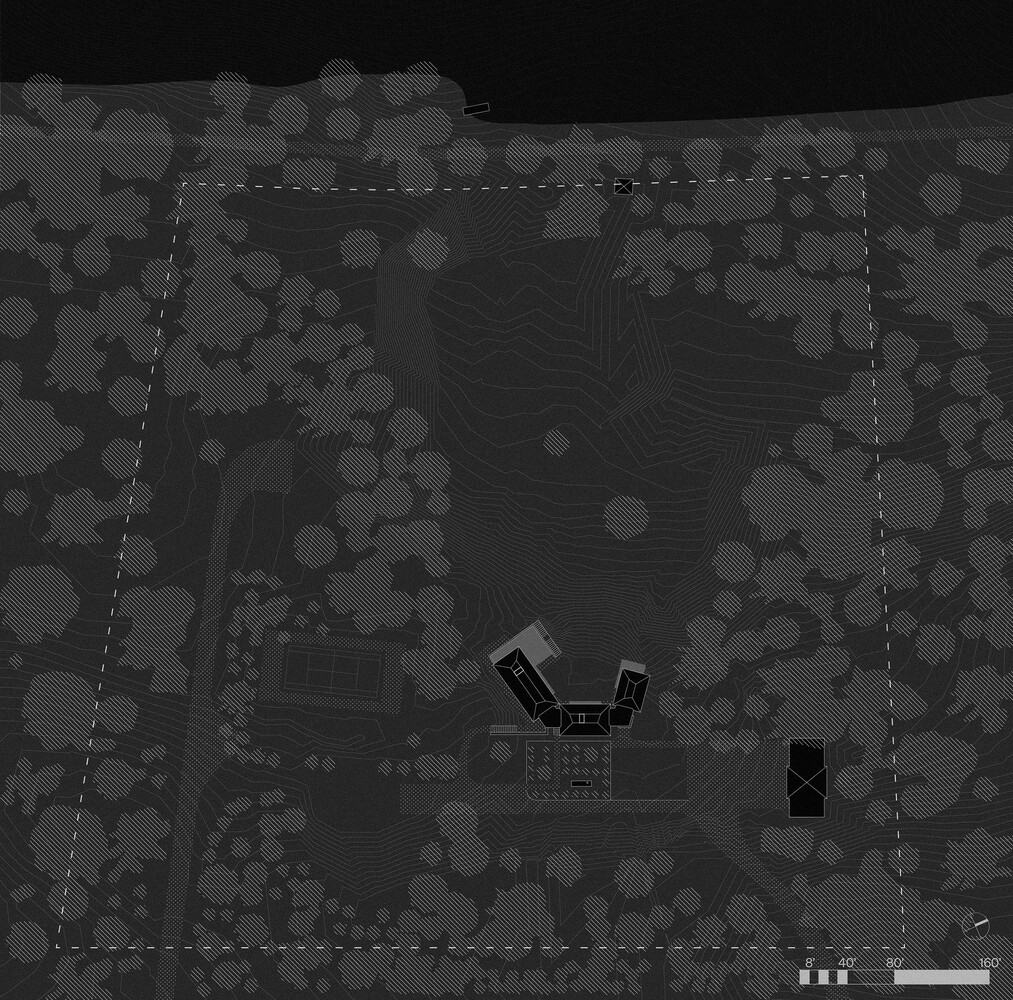
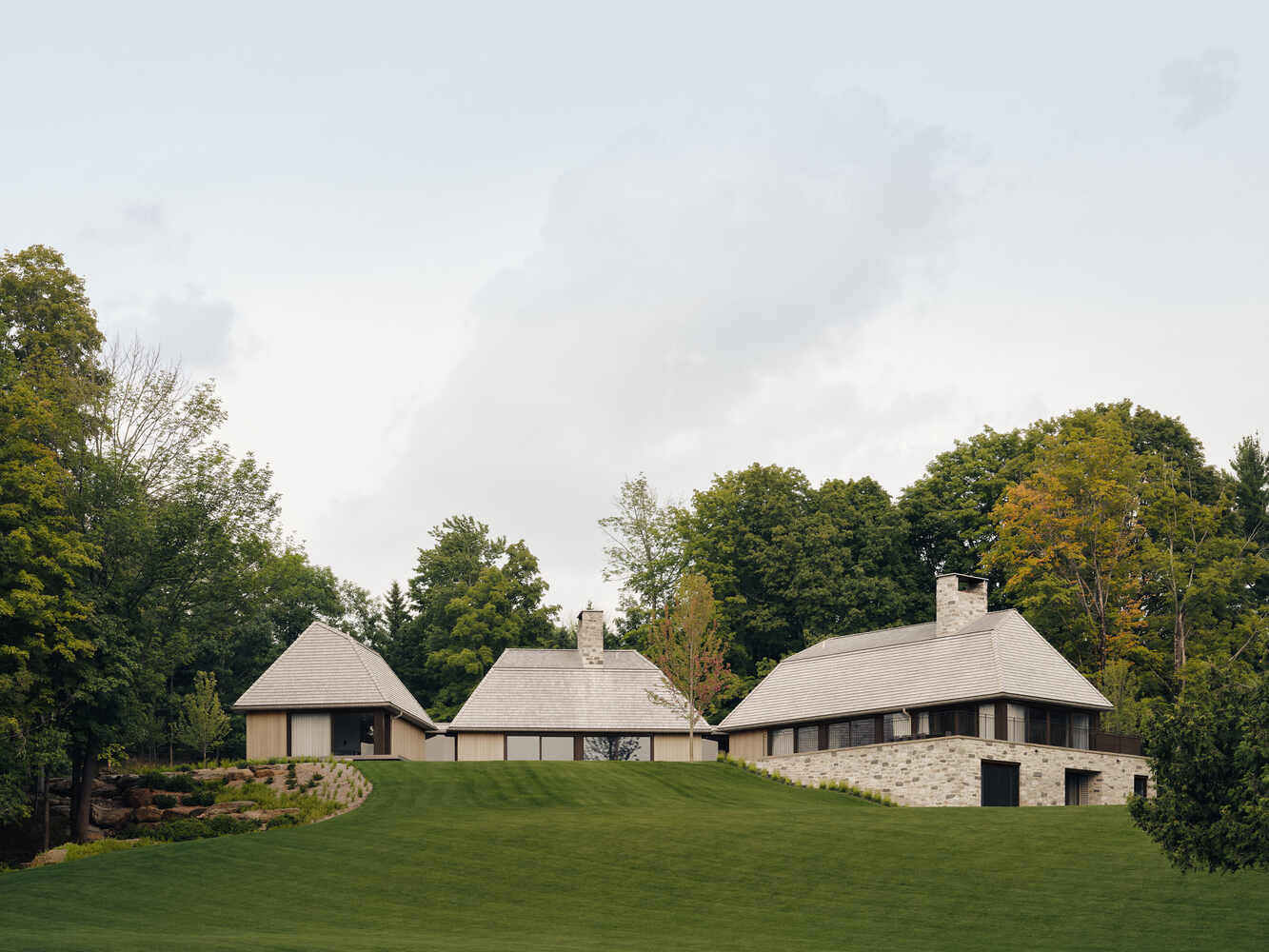
This approach is embedded in the site's context: a prestigious estate that had been occupied by the same family for nearly a century, located on the shores of a lake in the Eastern Townships region.
Given the constant transition of the rural landscape in Quebec, it is important to uphold a critical reflection on aesthetic approach, in the philosophical sense, in order to reposition contemporary architecture, not solely in relation to universal environmental concerns, but in relation to what is considered a product specific to our culture, our shared body of work.
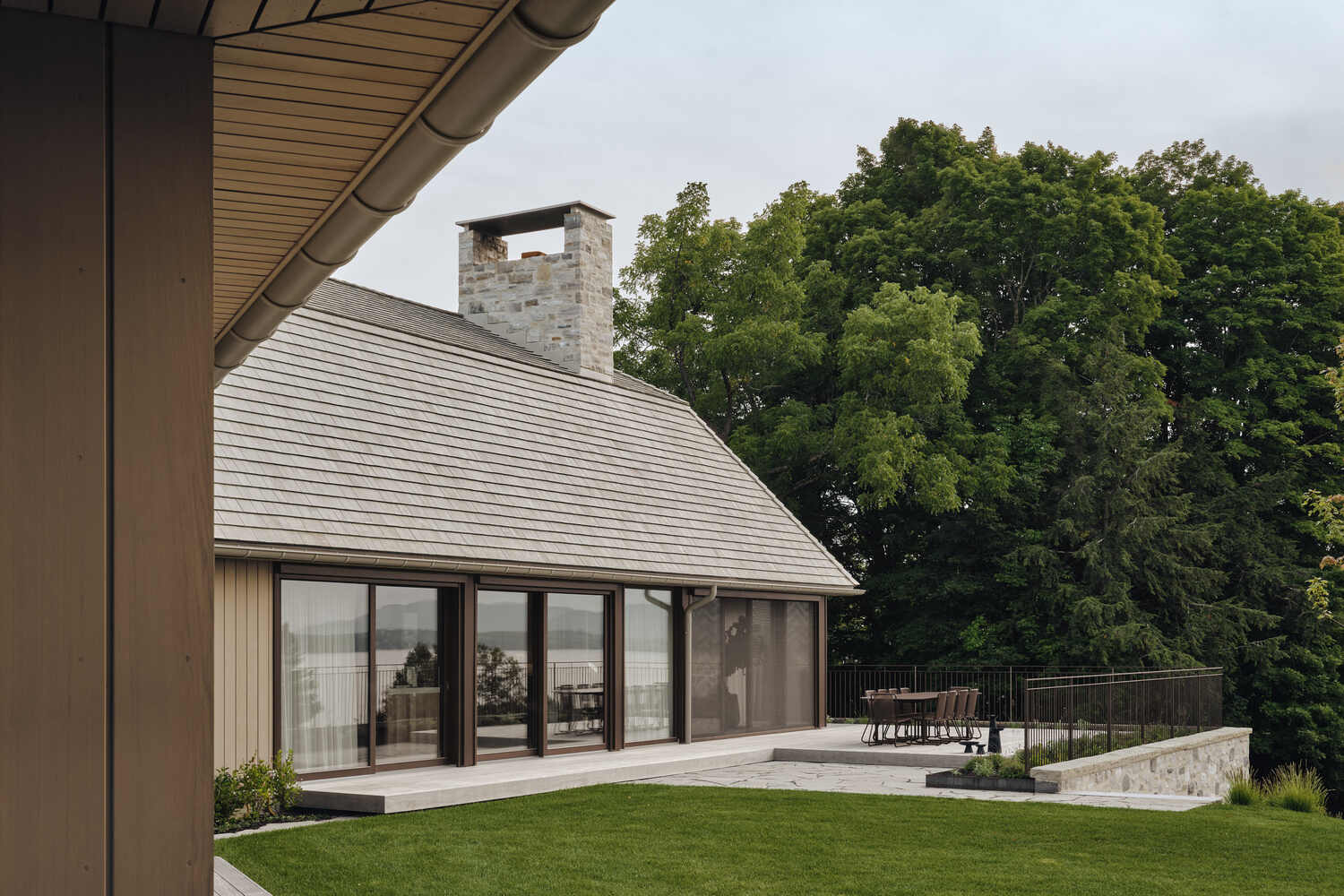
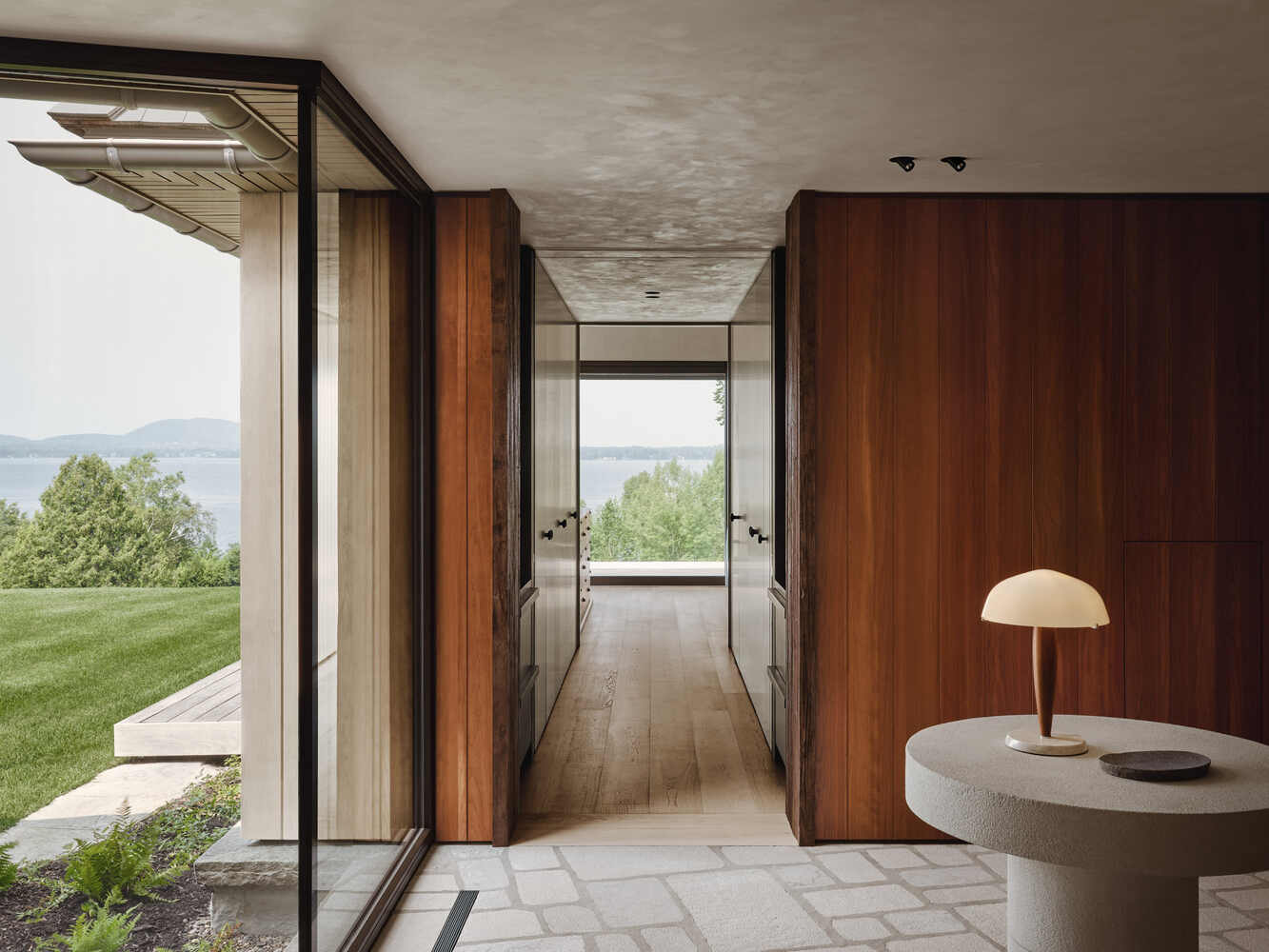
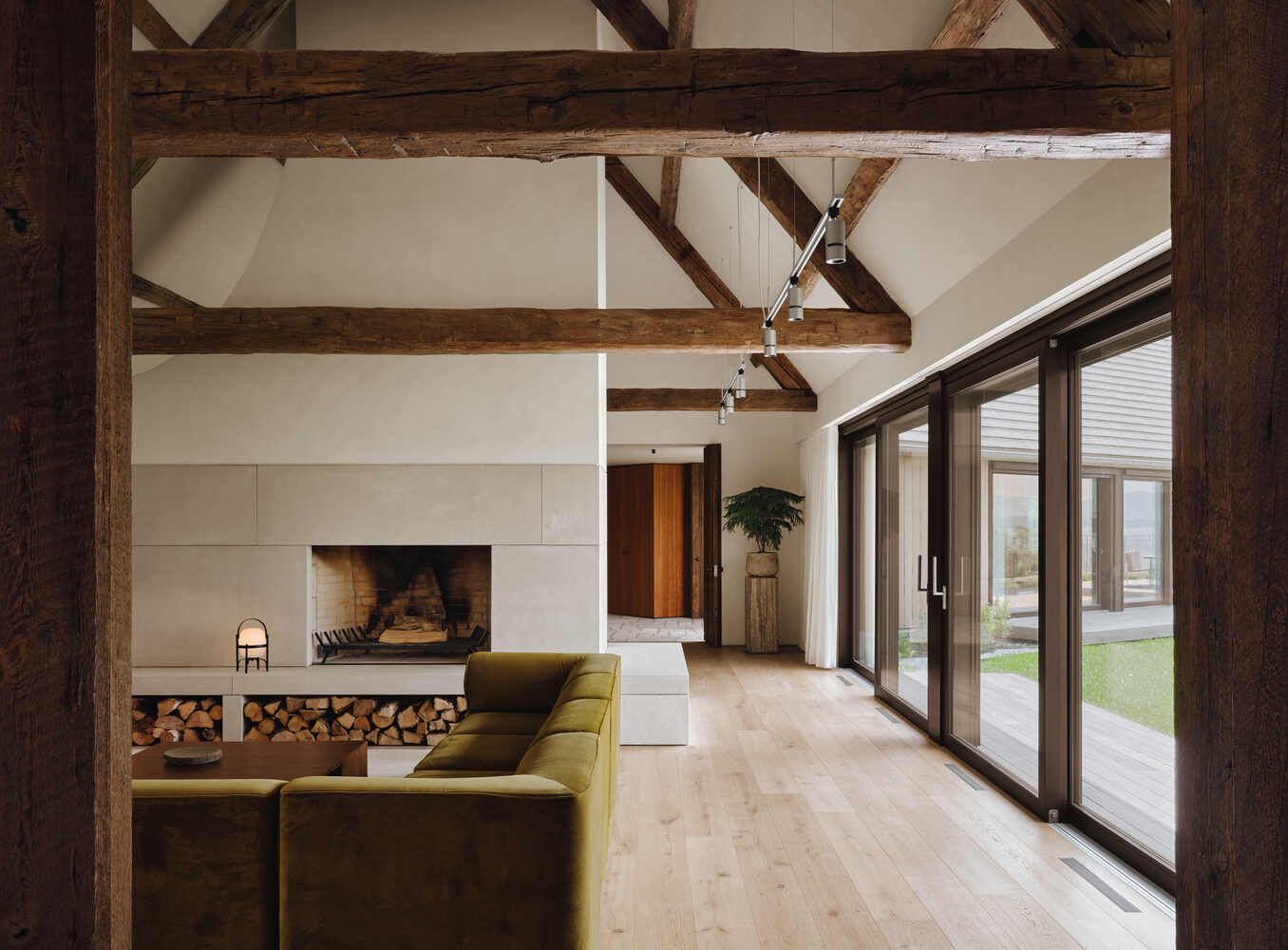
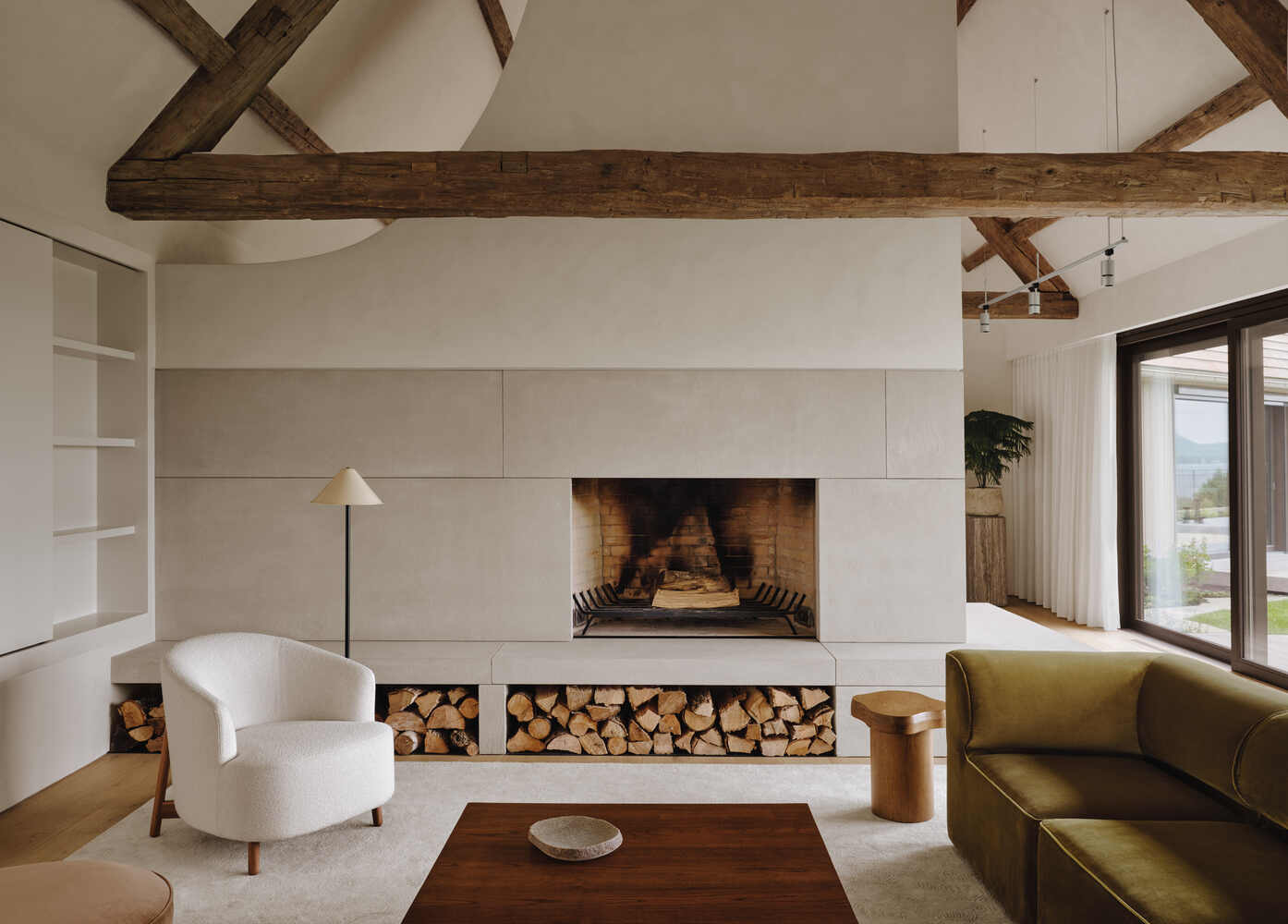
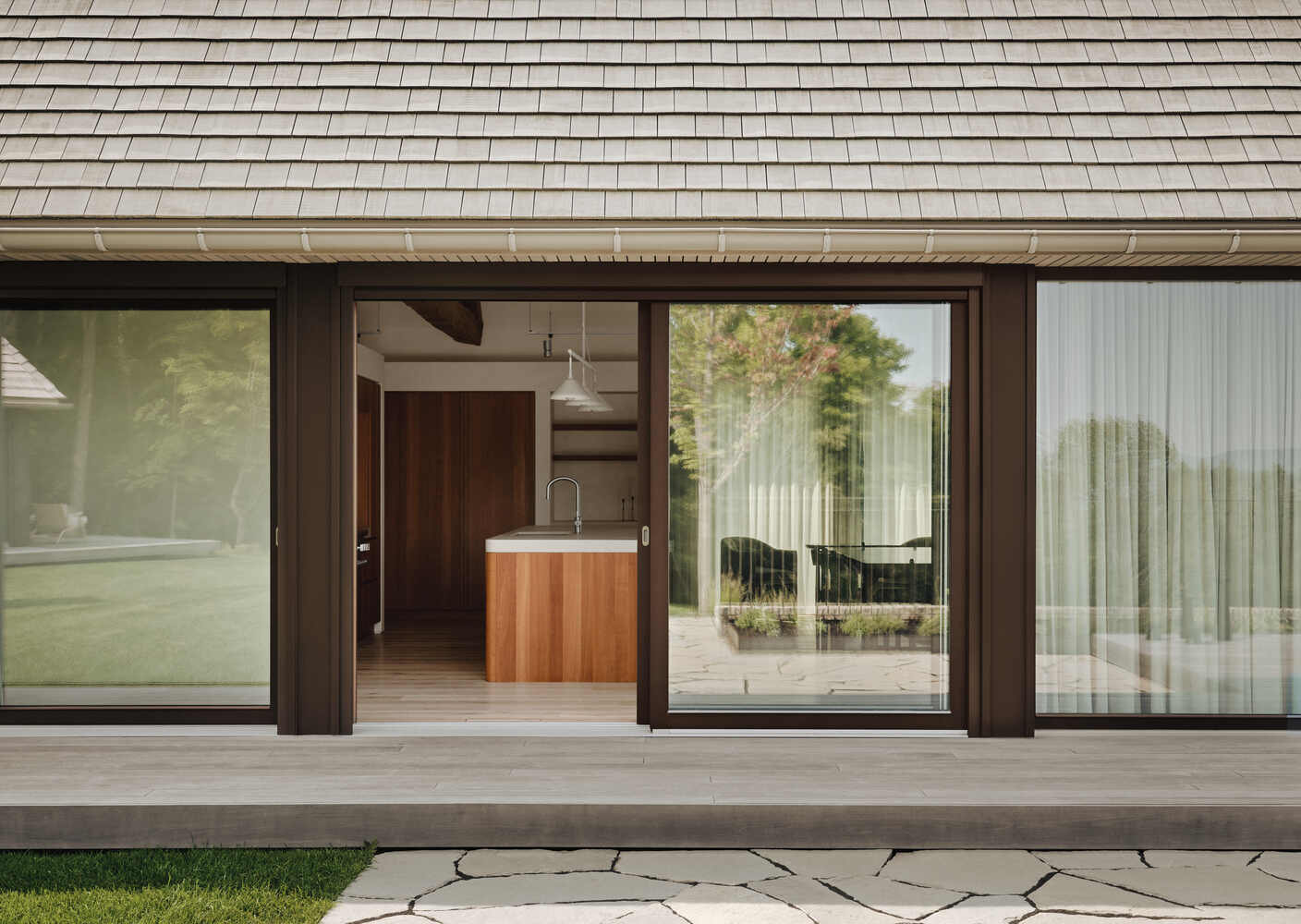
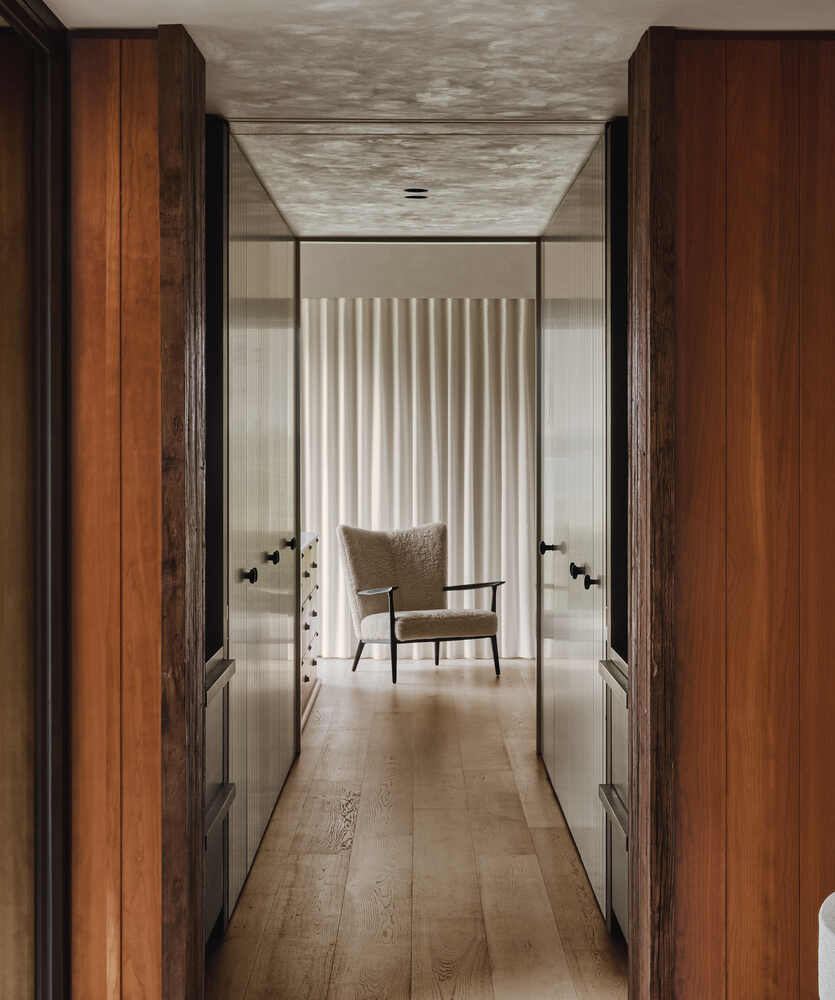
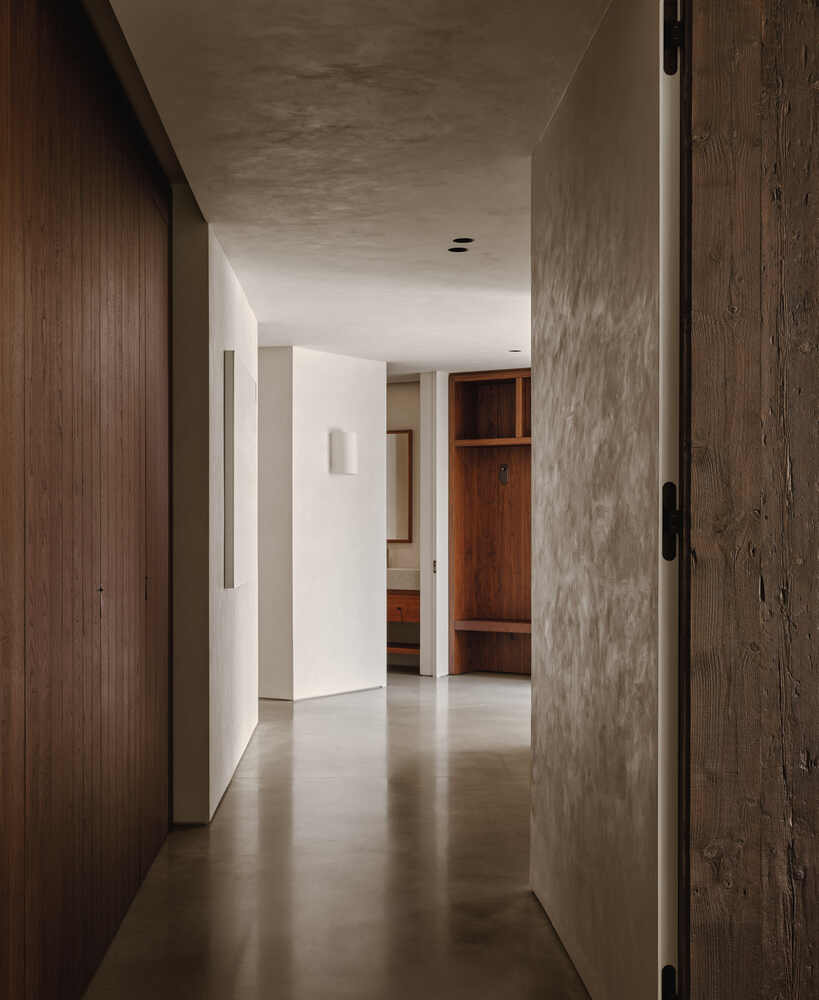
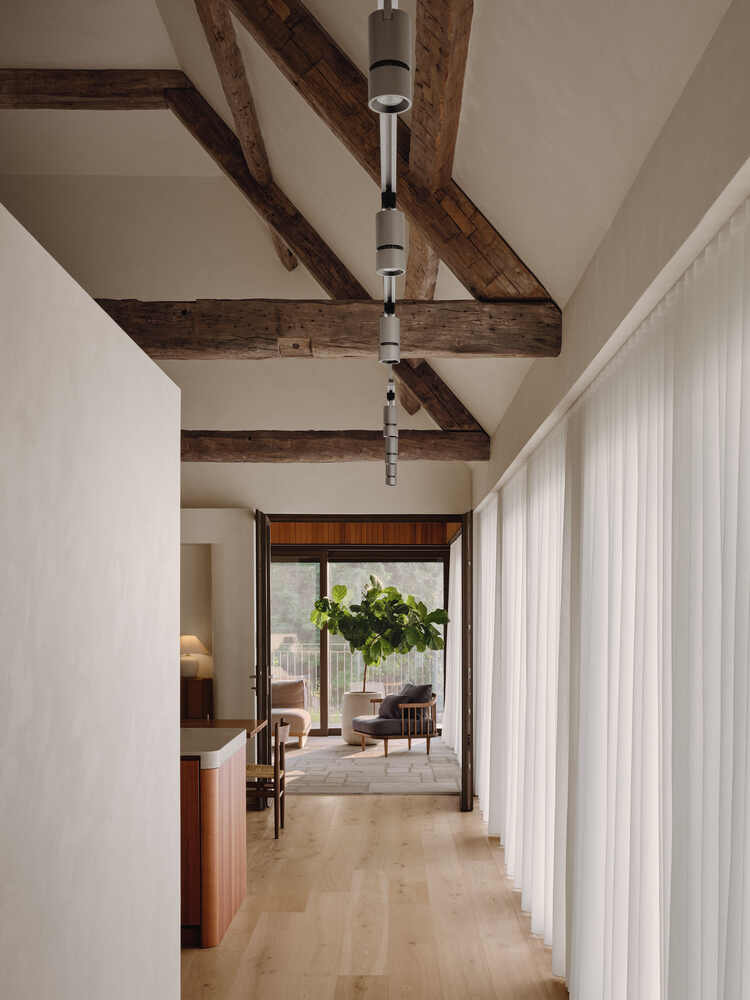
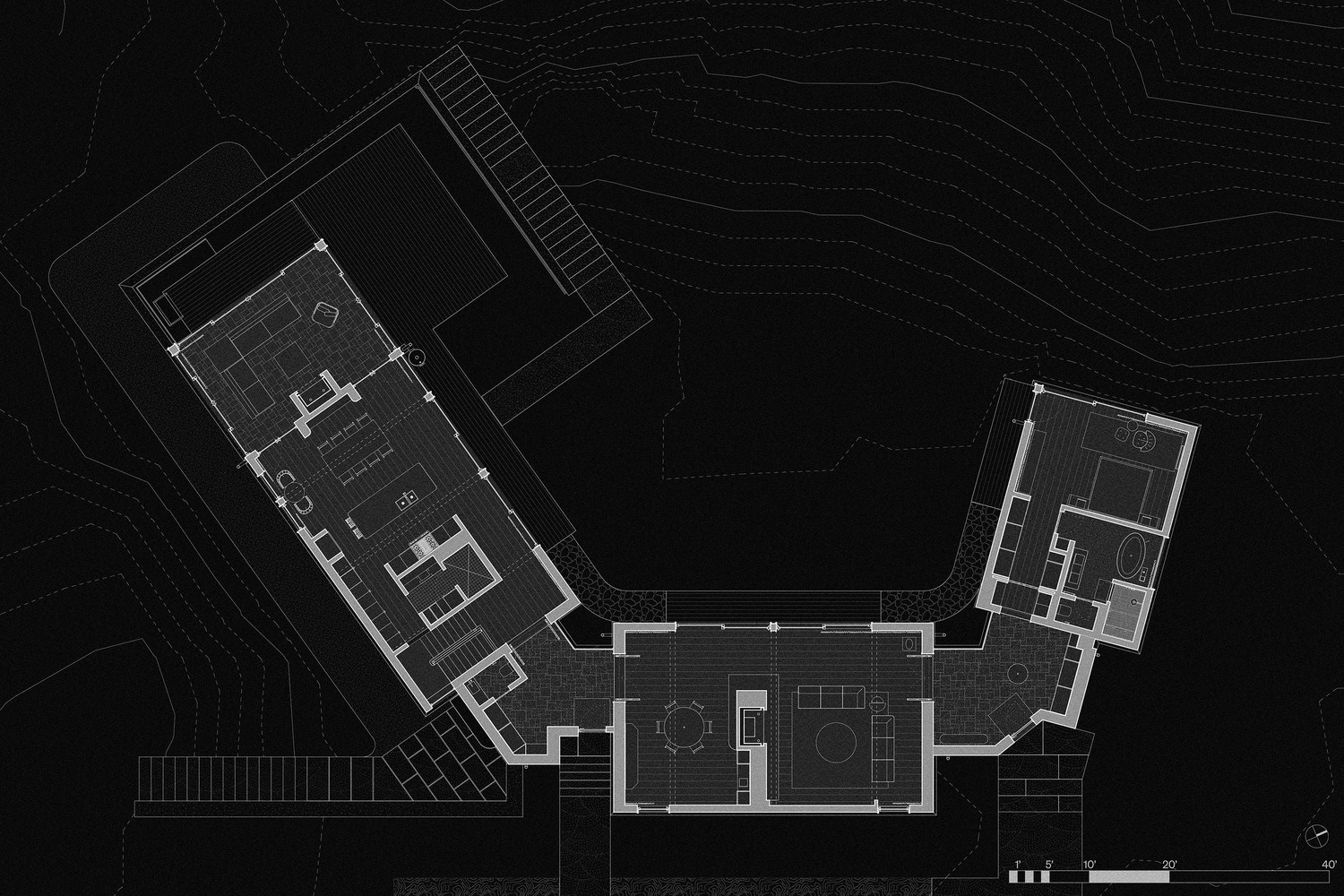
The scale of the occupancy program desired by the client, combined with the deterioration of the existing building (a wooden structure from the early 20th century with rubble stone walls), necessitated moving away from the preconception of total conservation to instead adopt a renewed conceptual approach, one more specifically rooted in the site.
The existing elements thus became the foundation for architectural development, prompting a reflection on what truly constitutes durability.
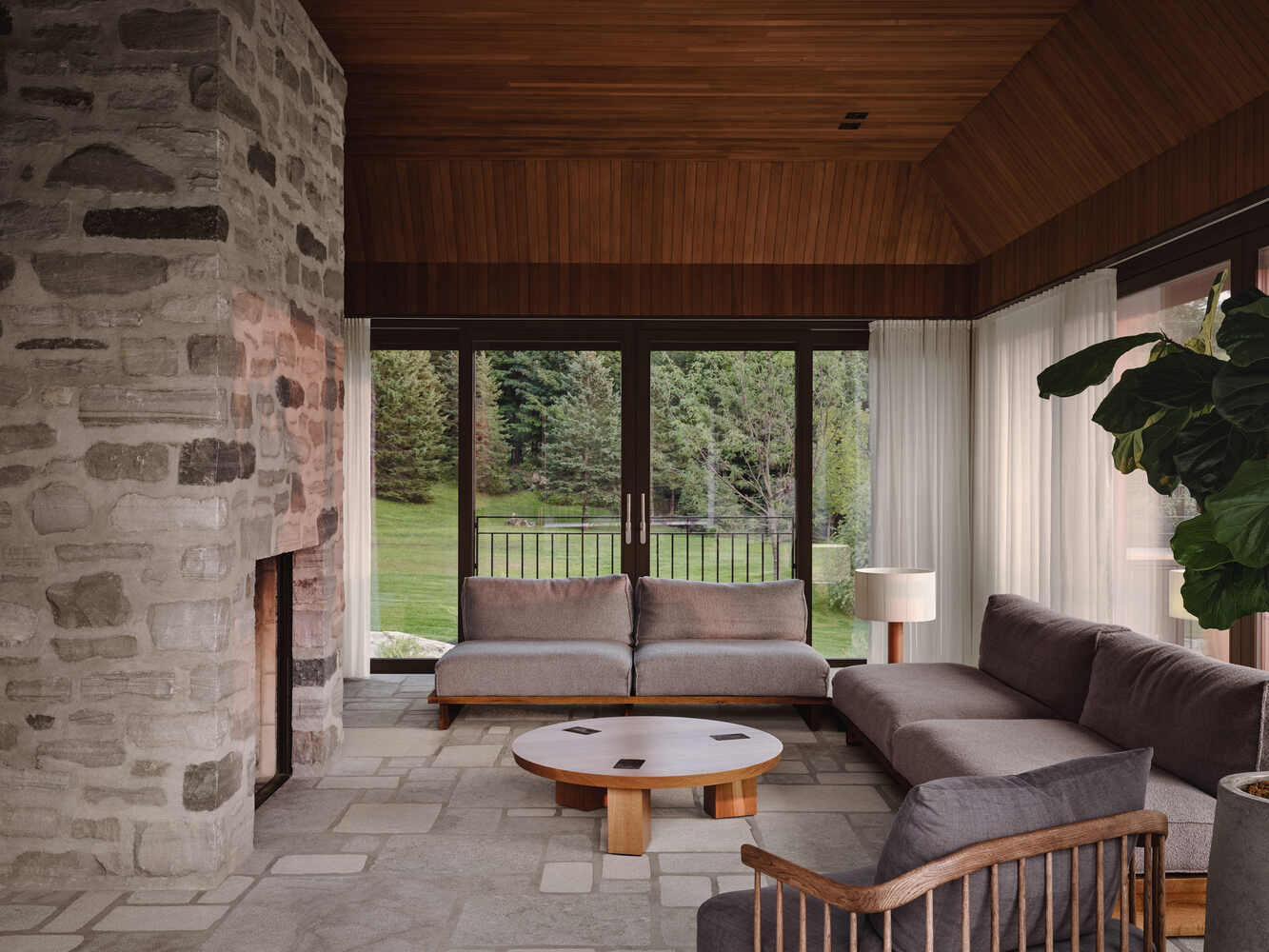
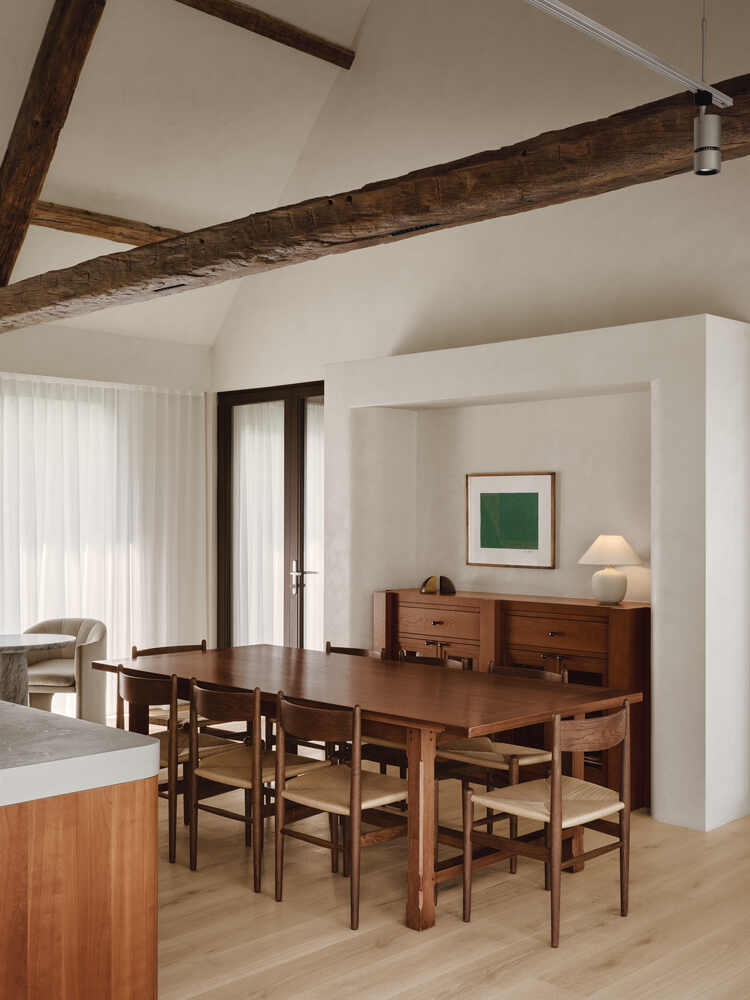
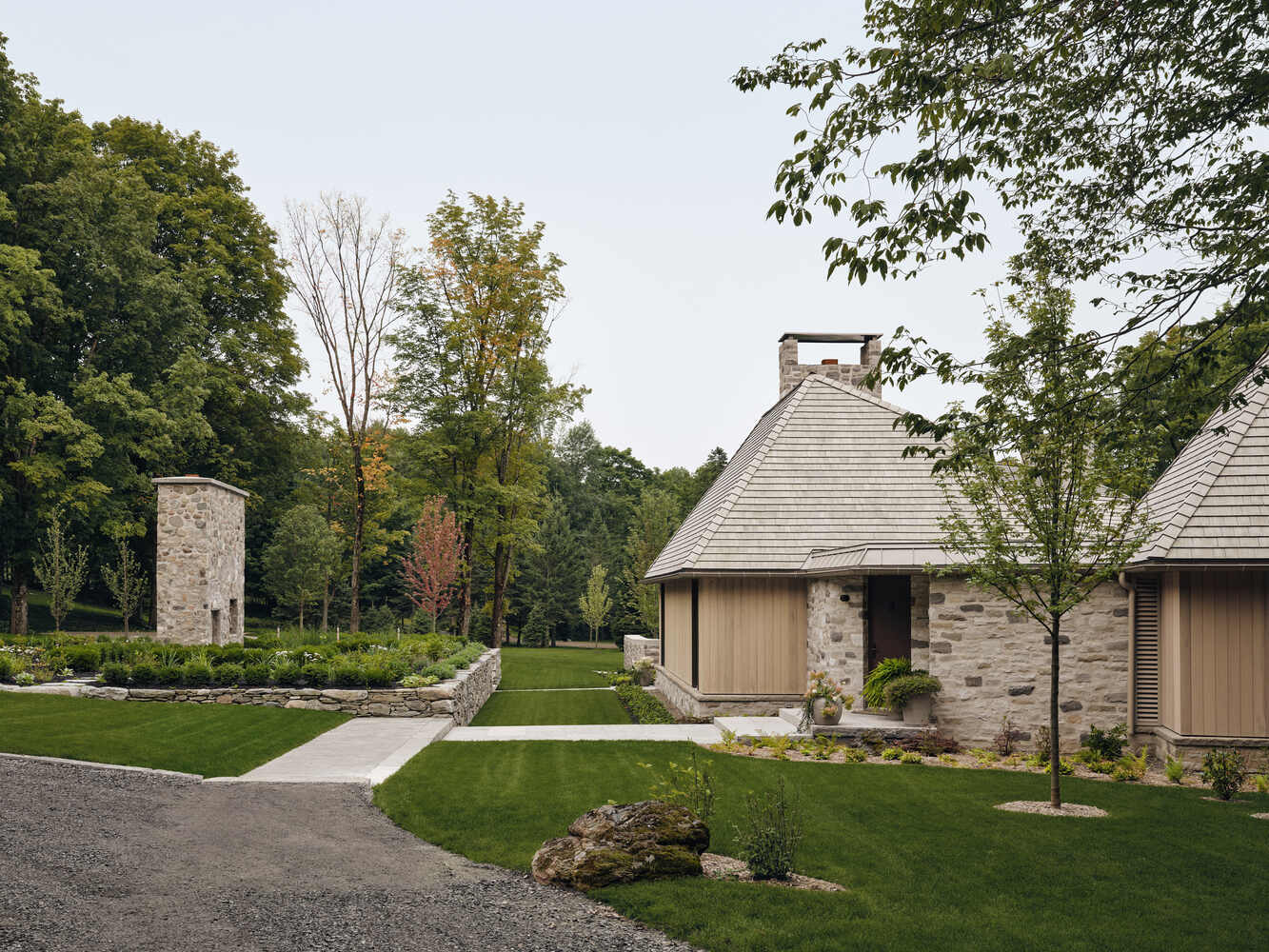
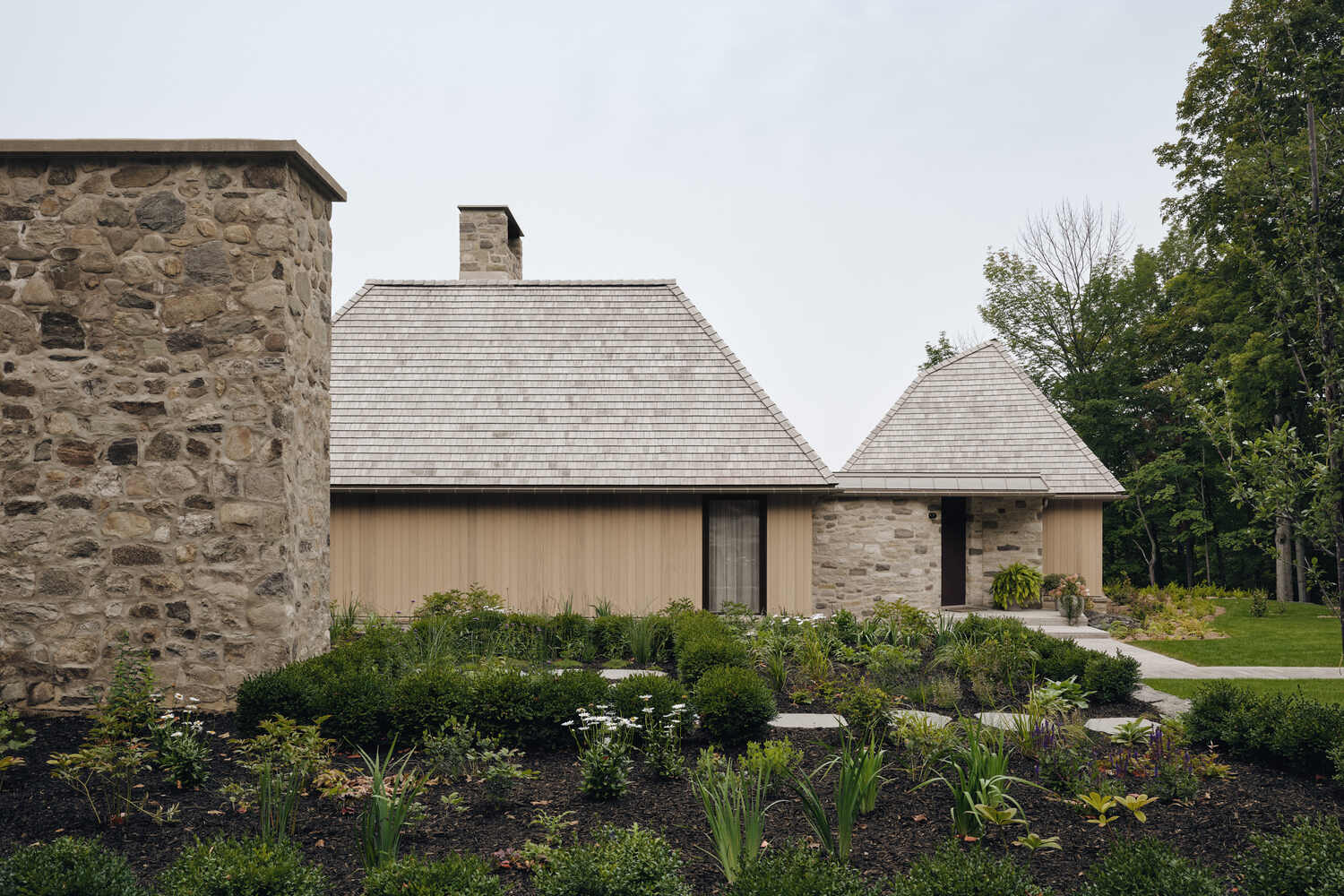
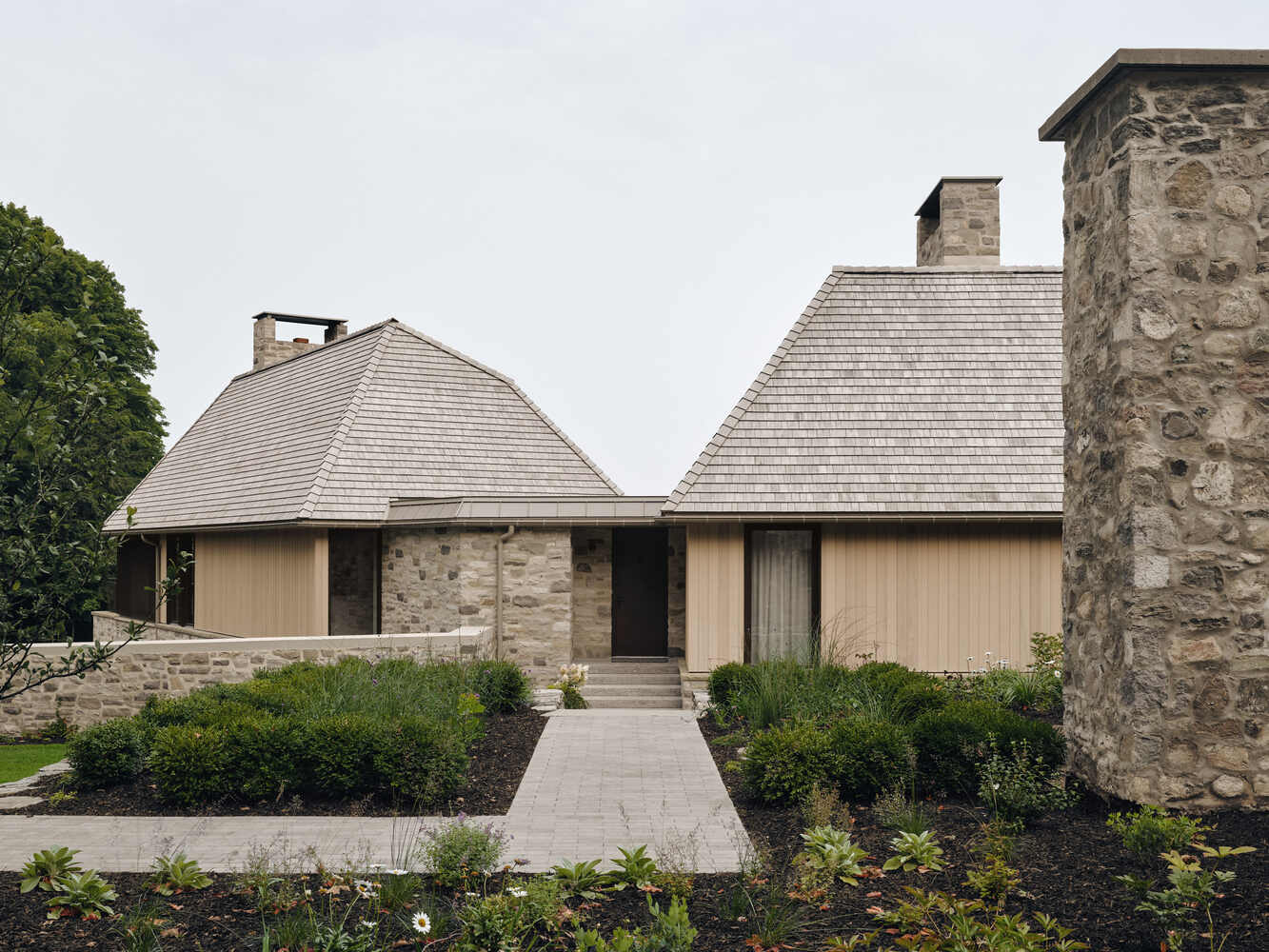
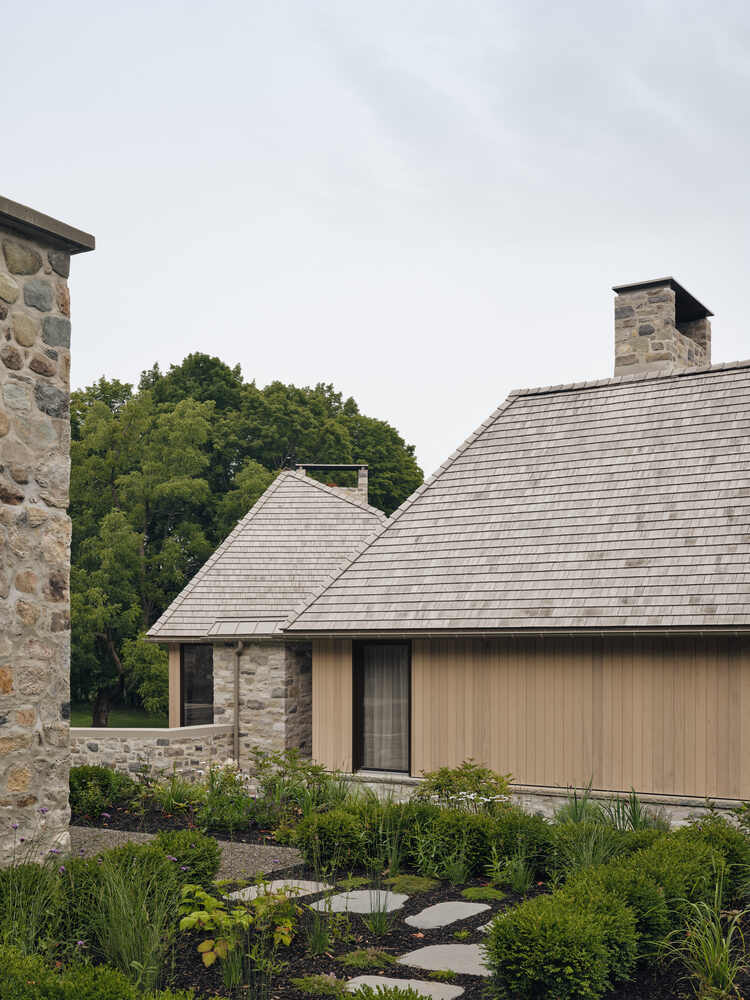
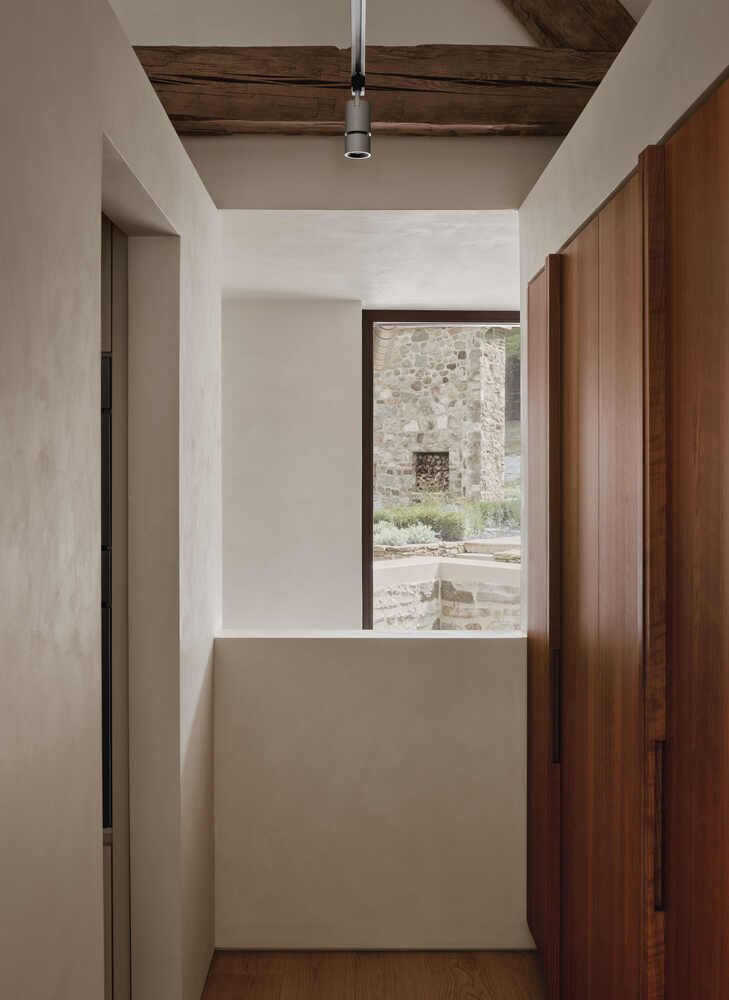
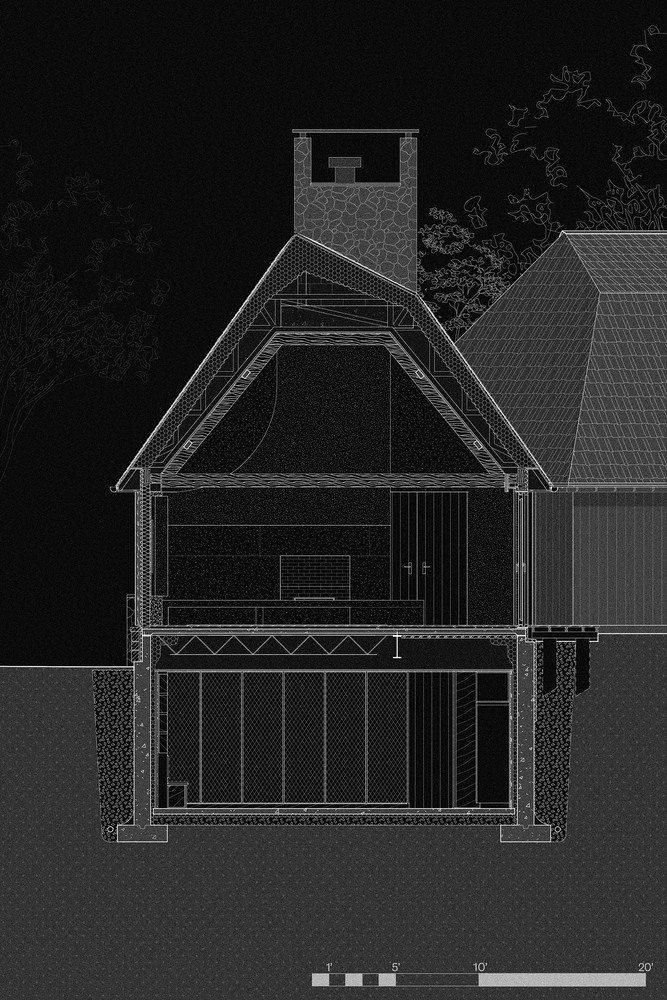
The foundations and masonry chimney of the former residence were retained and integrated into a new site access pathway.
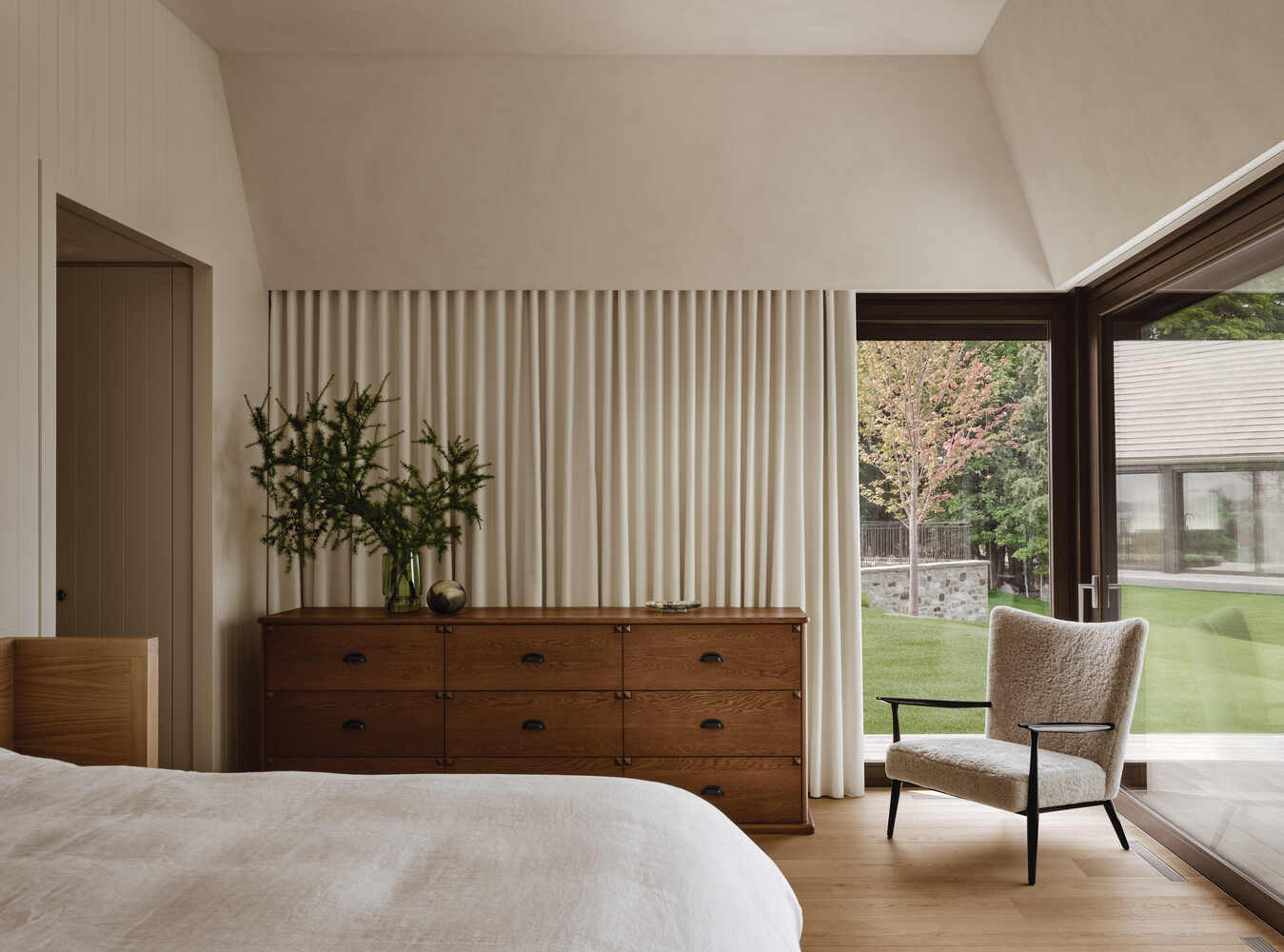
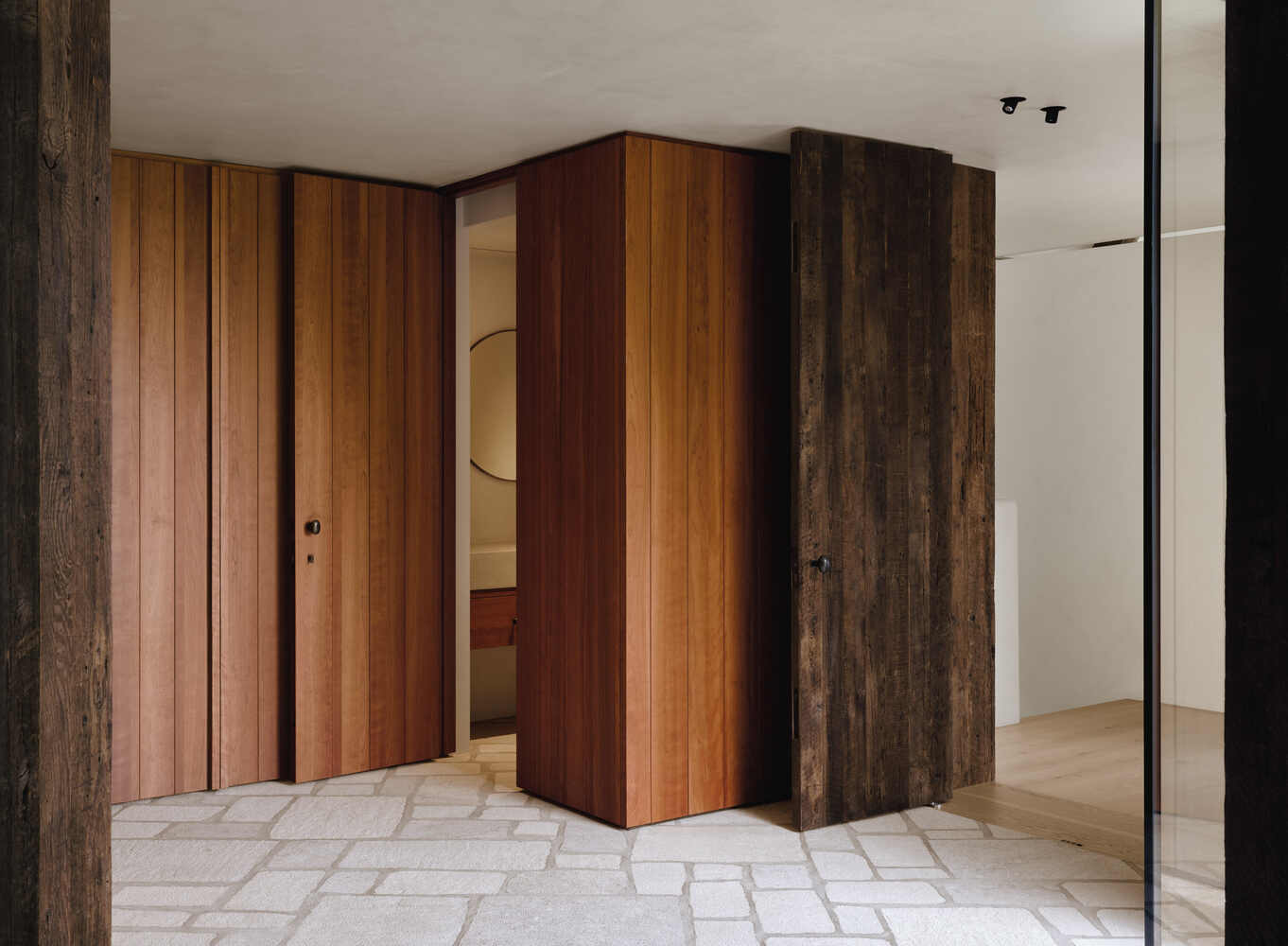
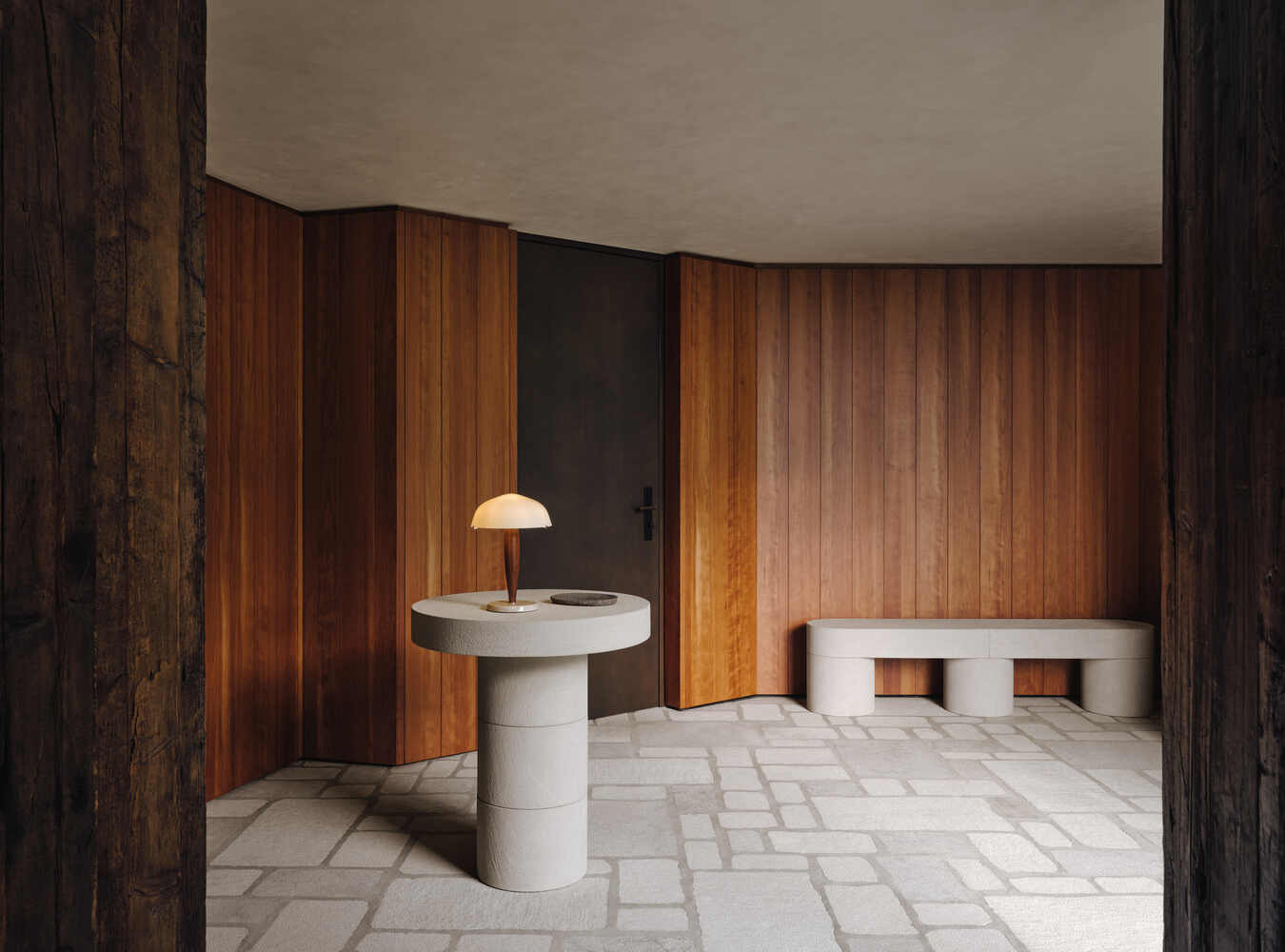
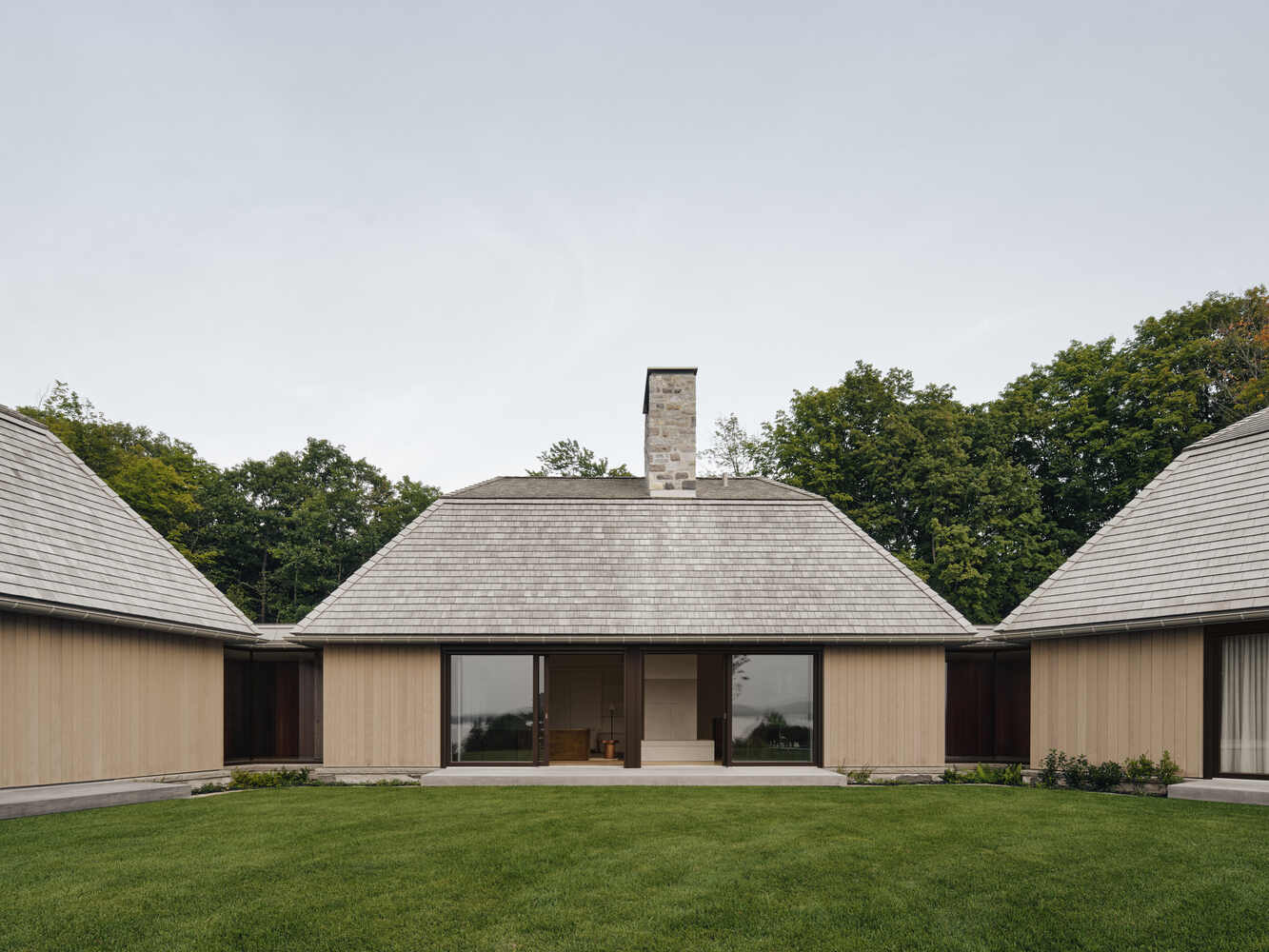
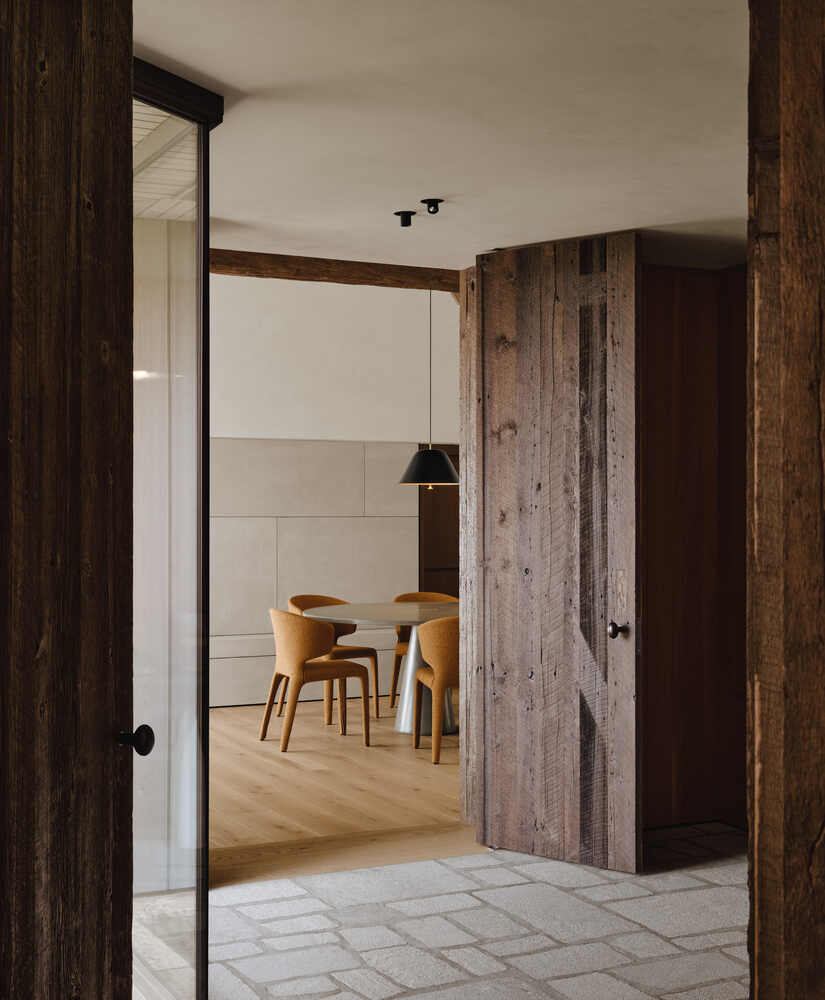
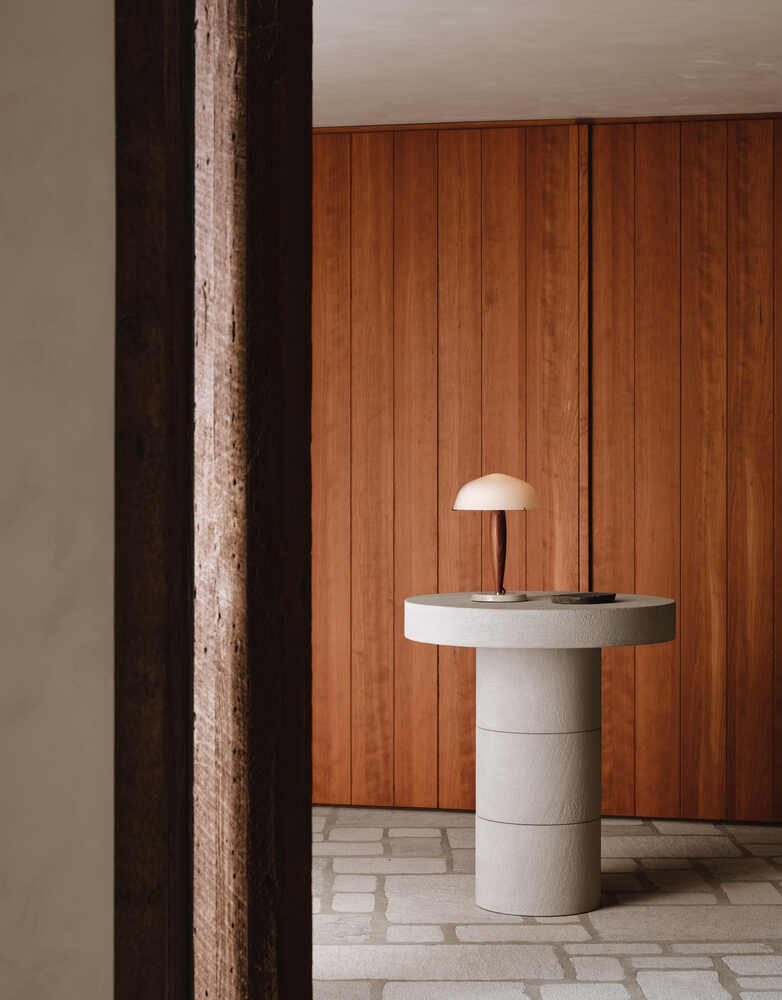
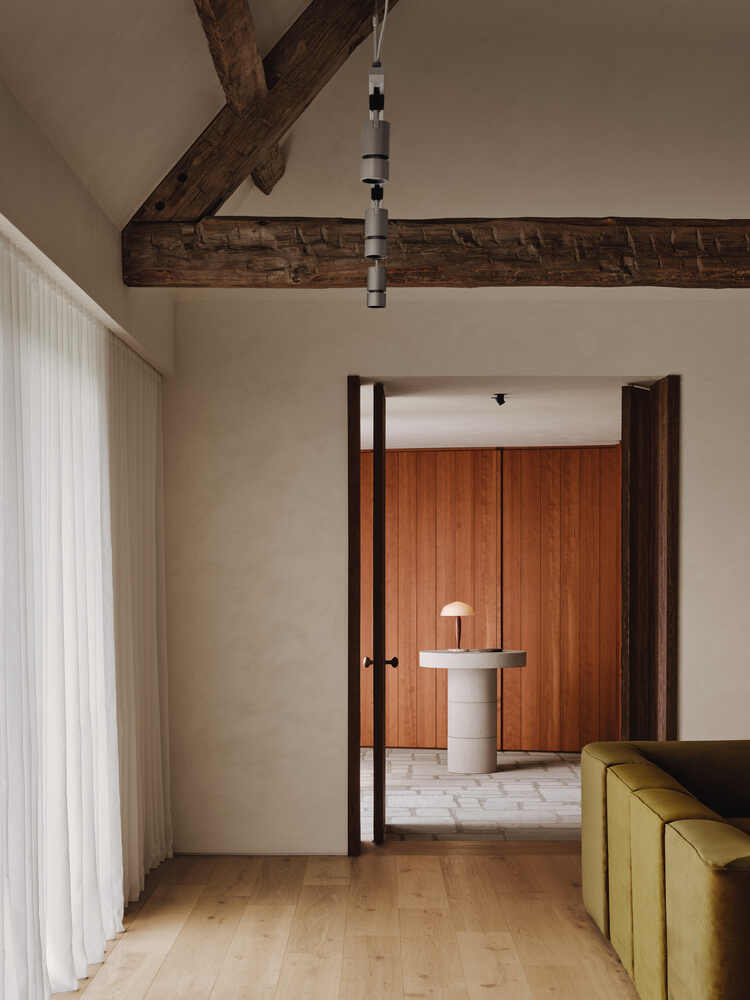
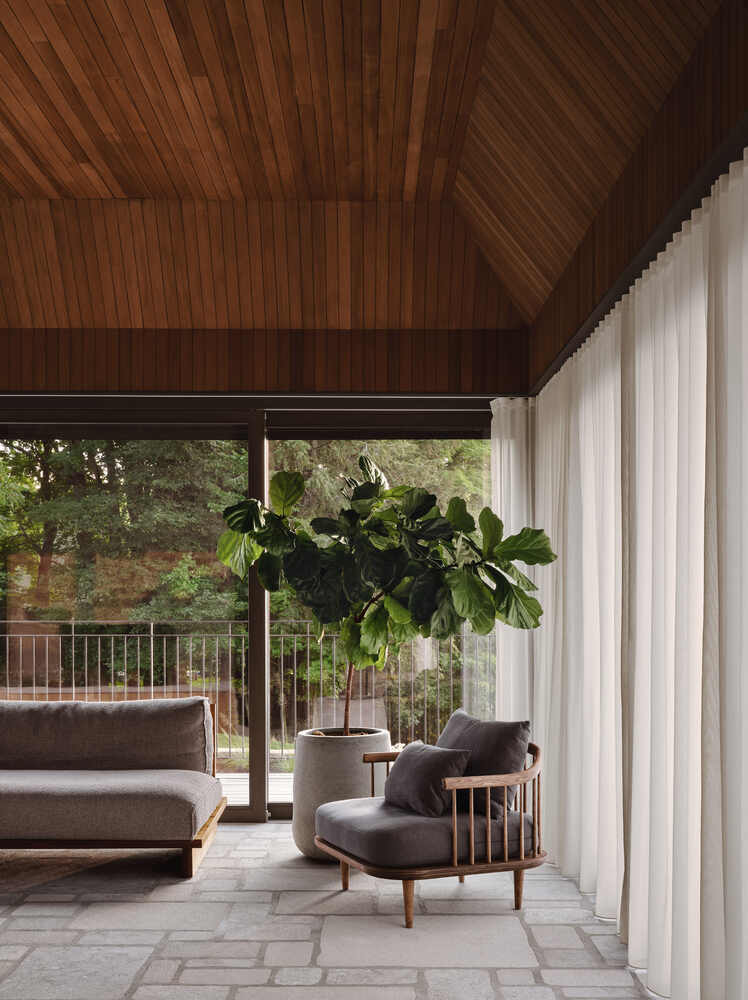
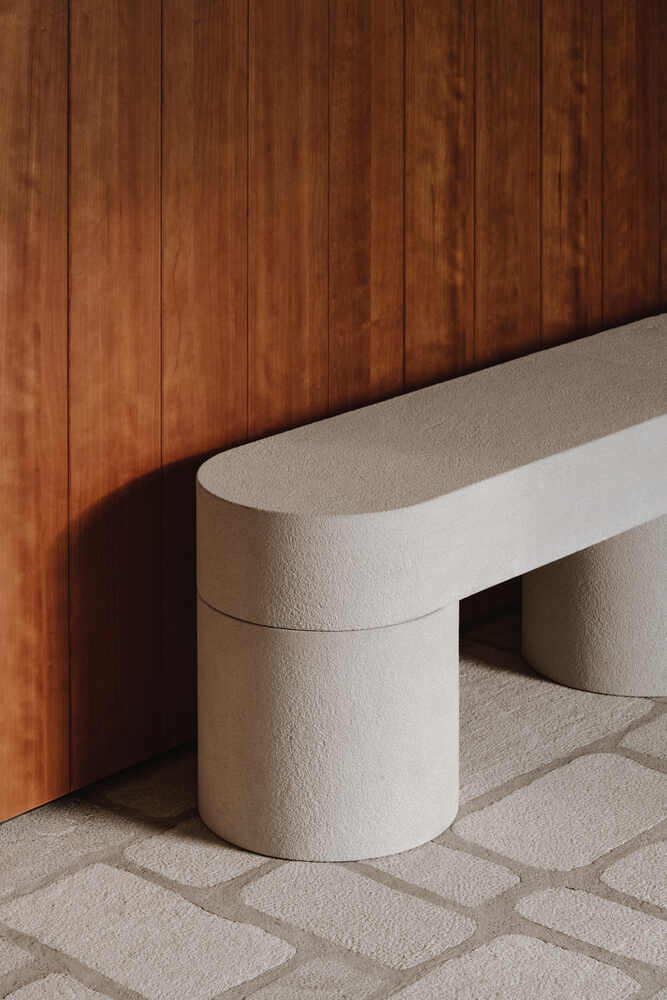
The use of masonry for the floors and foundations of the new intervention conceptually establishes a dialogue between the new and the disappeared.
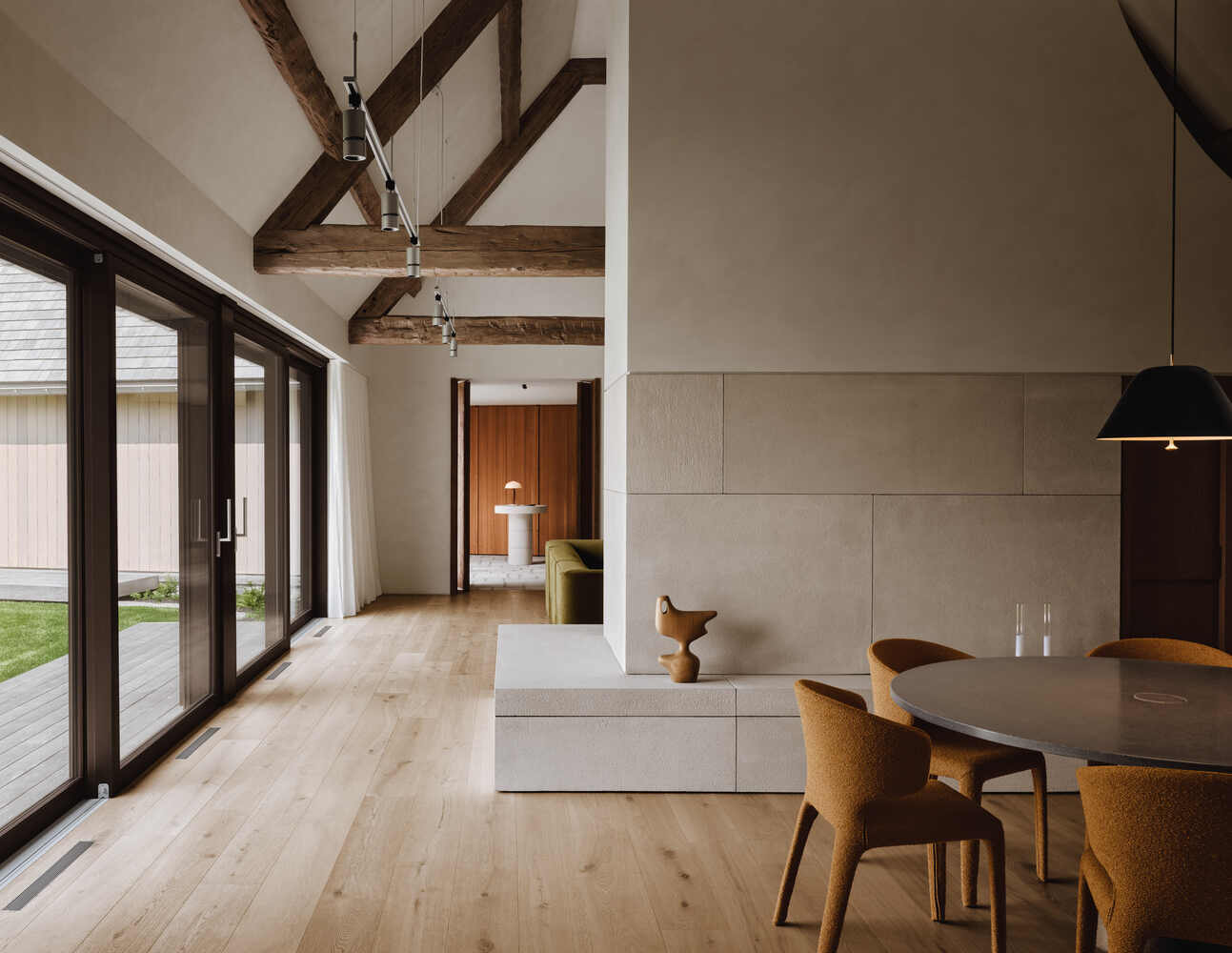
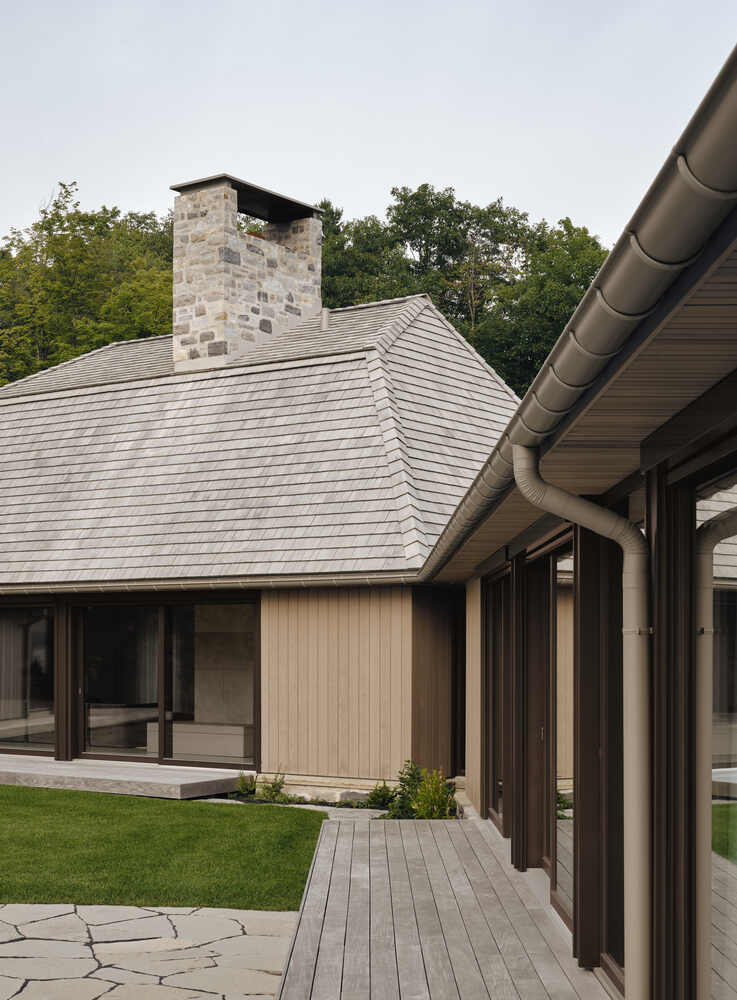
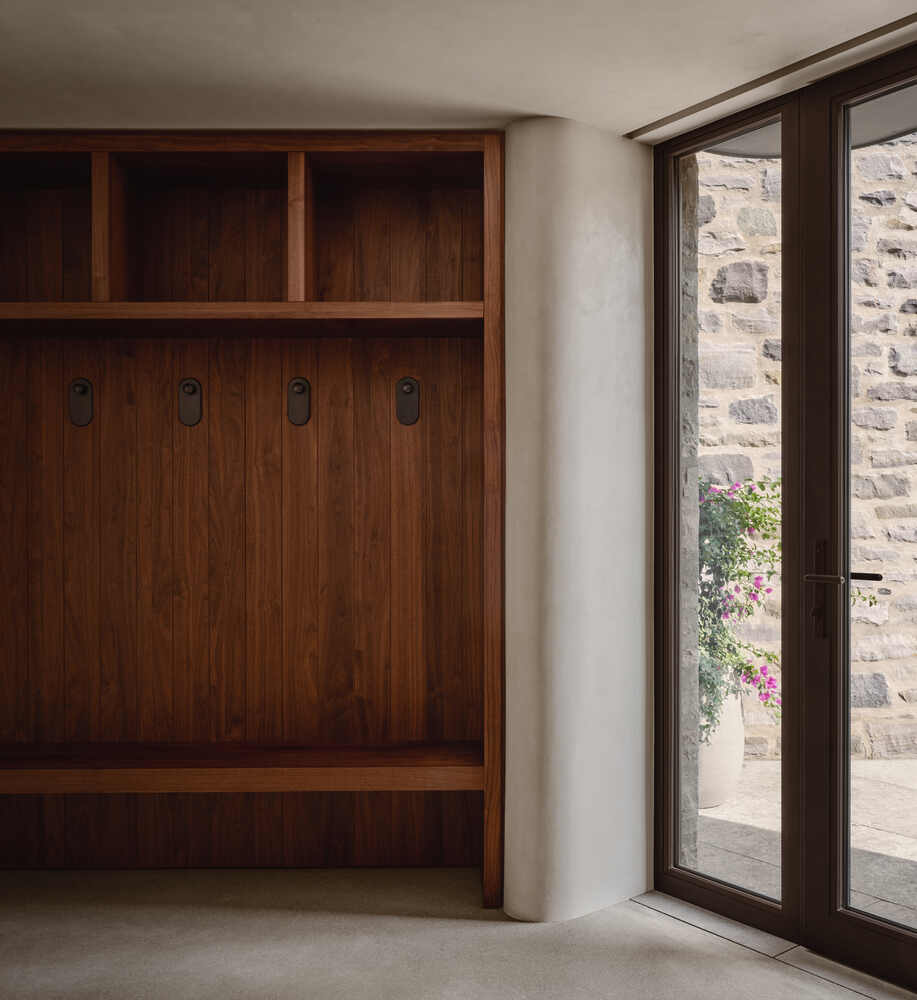
Stone, enduring in contrast to the ephemeral nature of the wooden frameworks of rural architecture, anchors the spaces within the site and extends the material traces of the fragile history of this township's property.
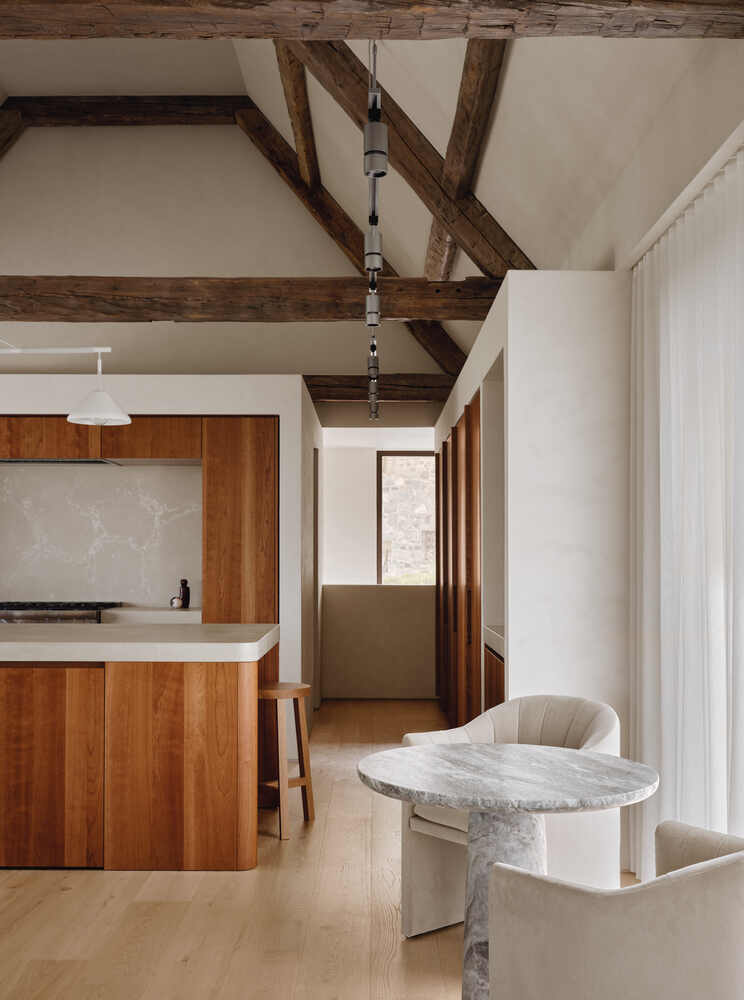
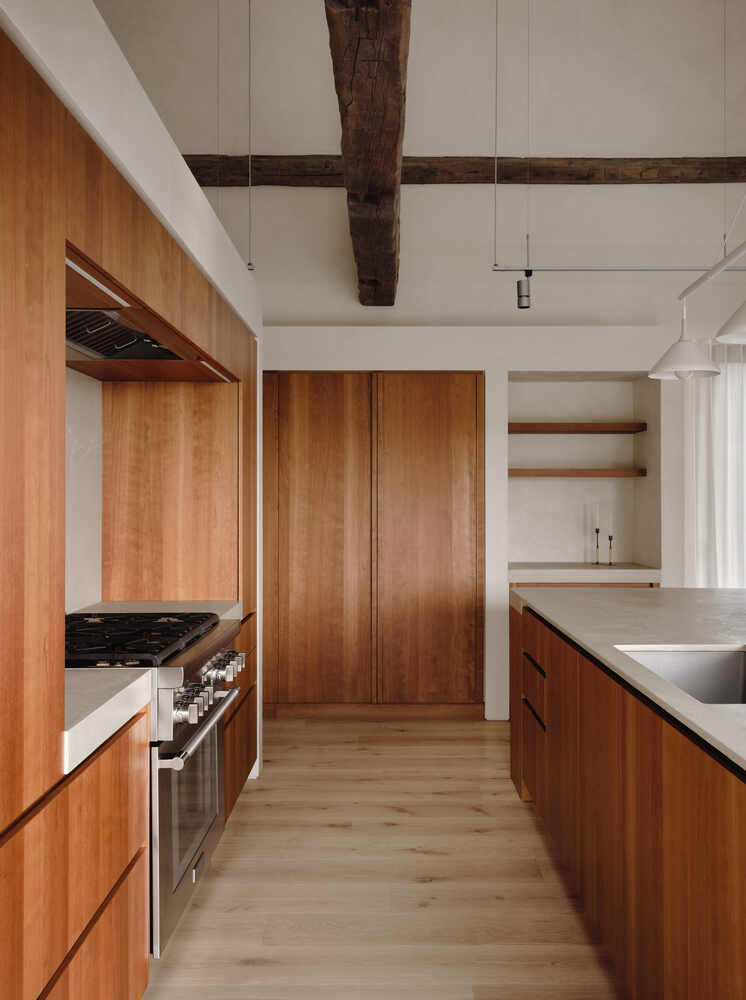
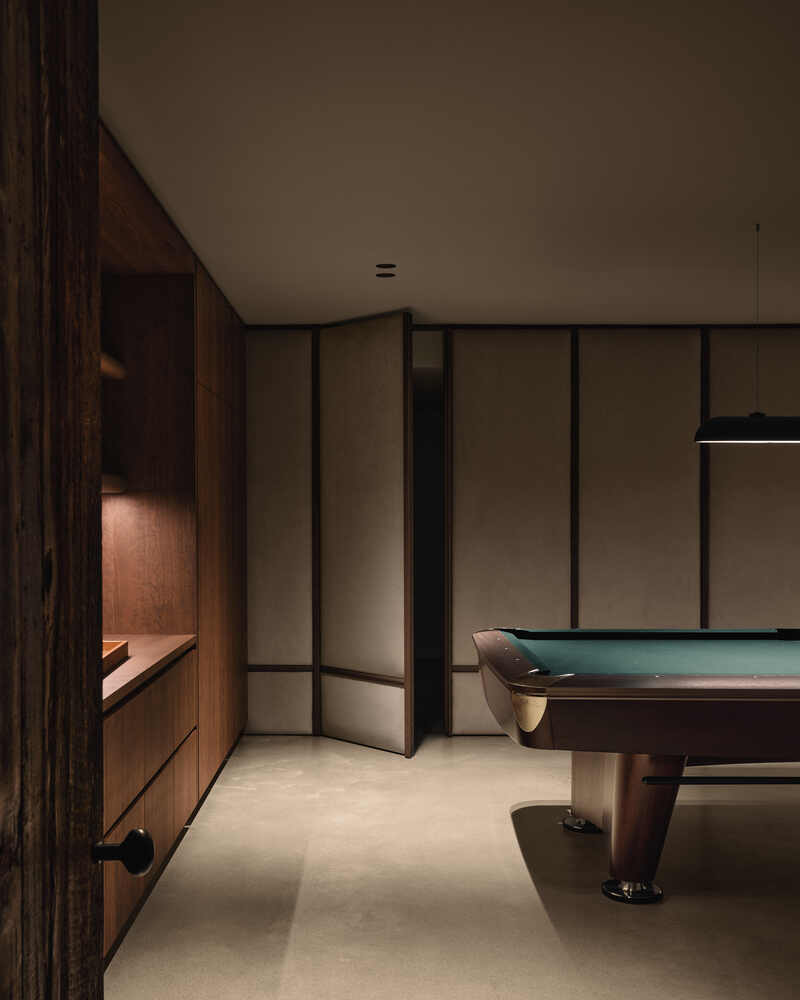
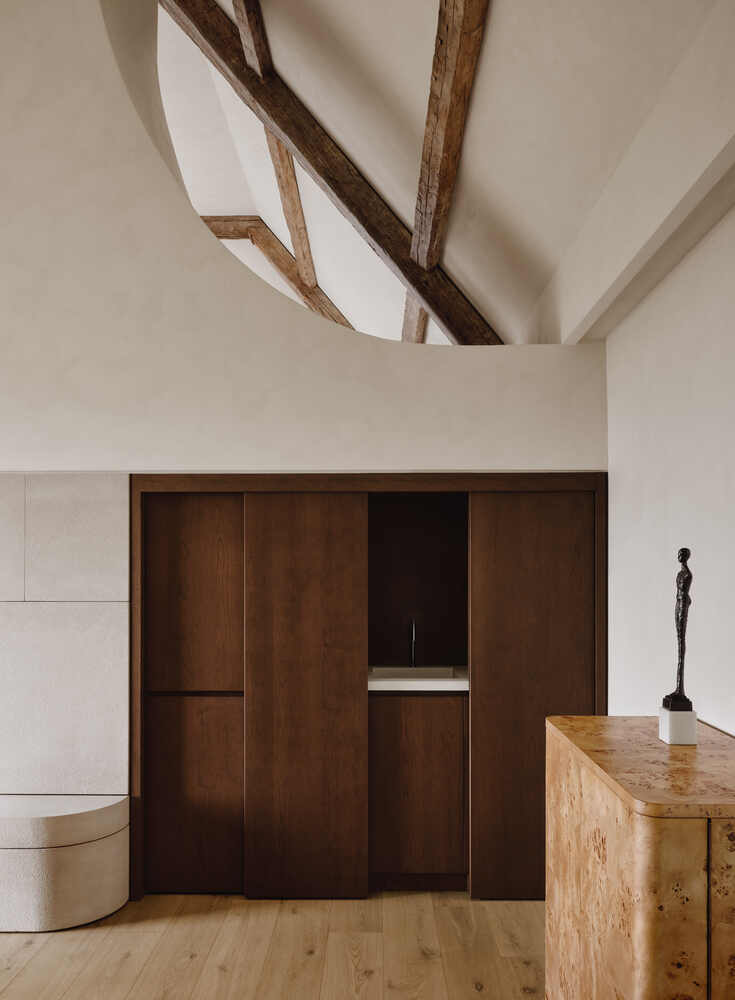
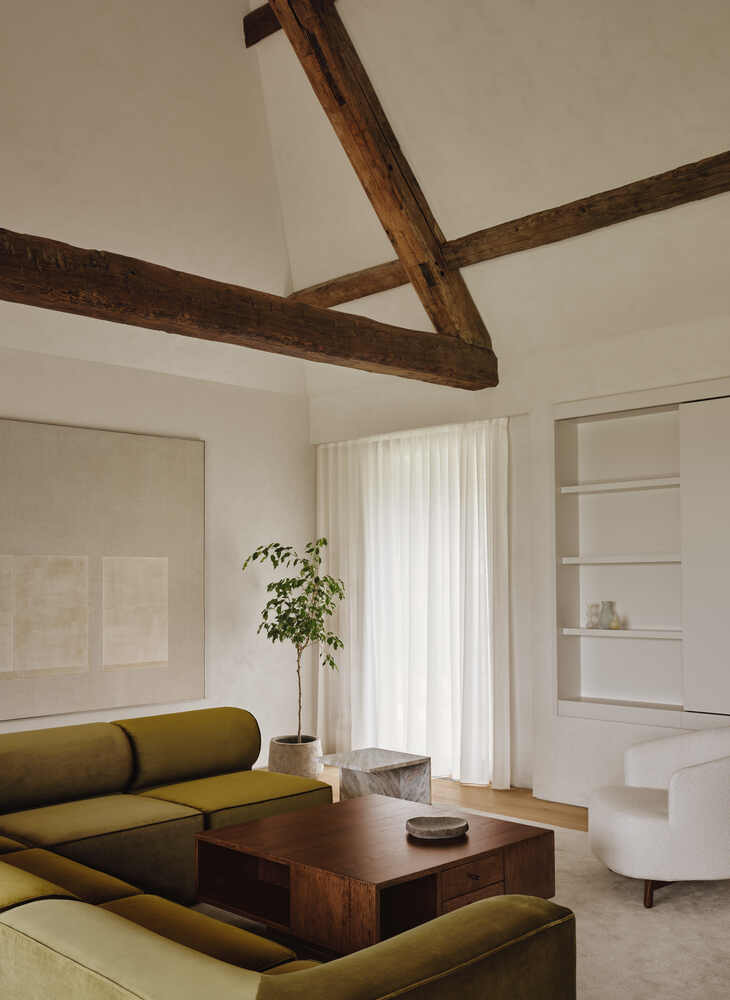
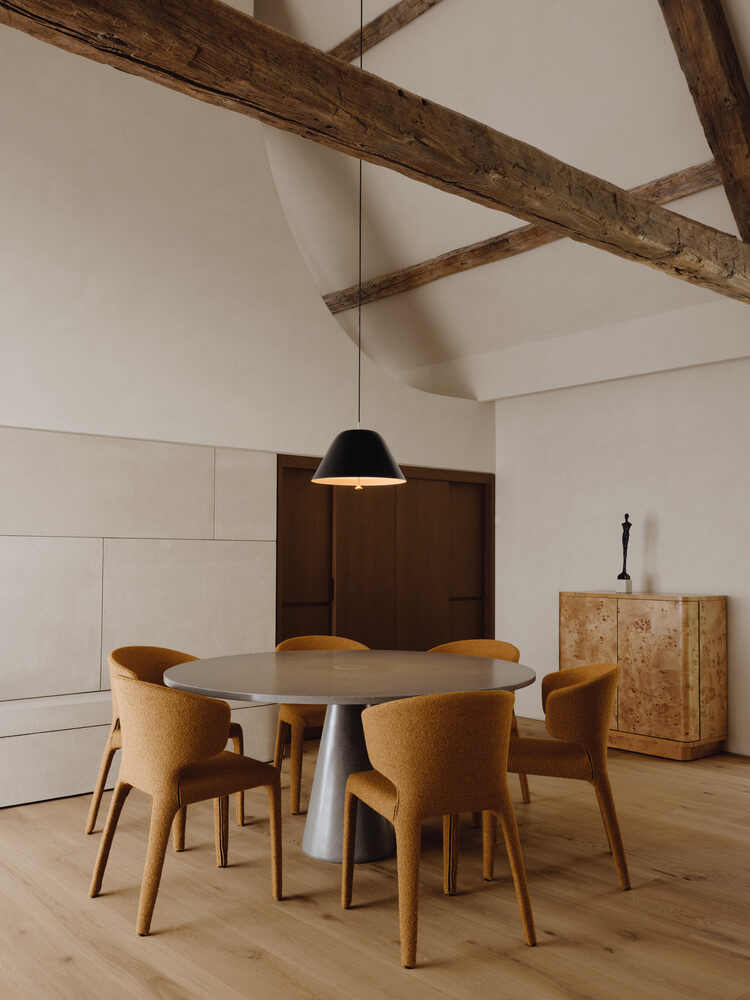
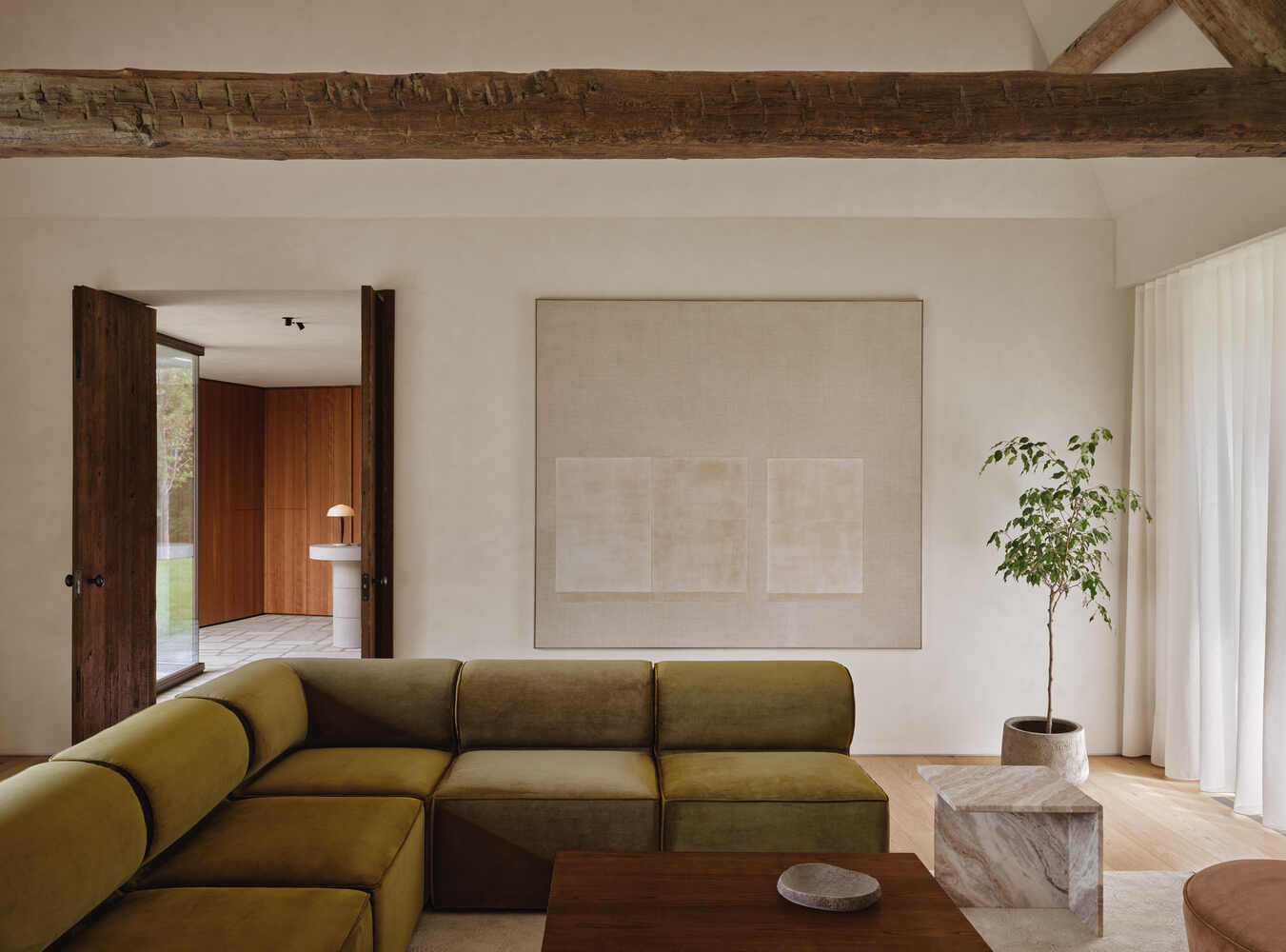
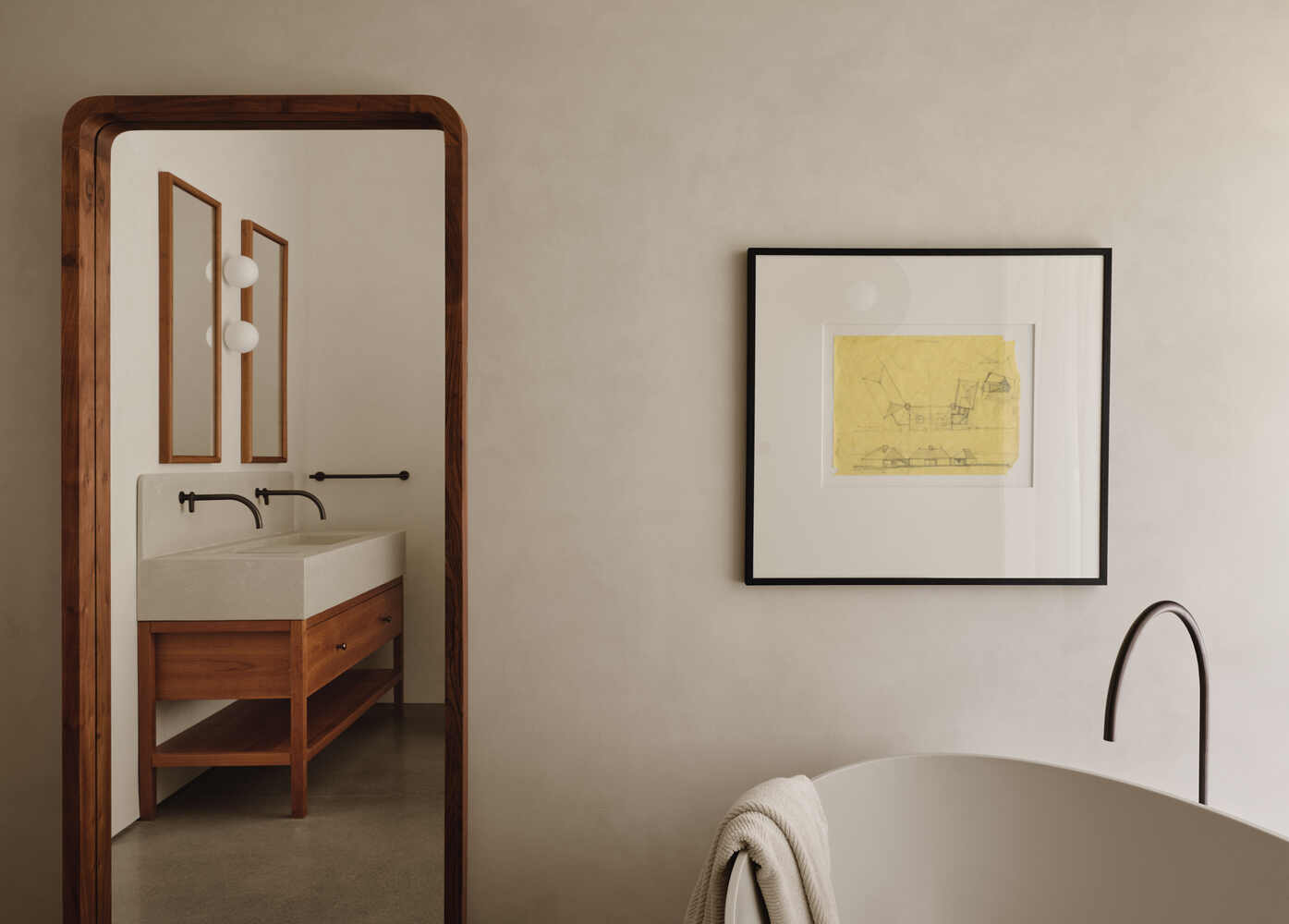
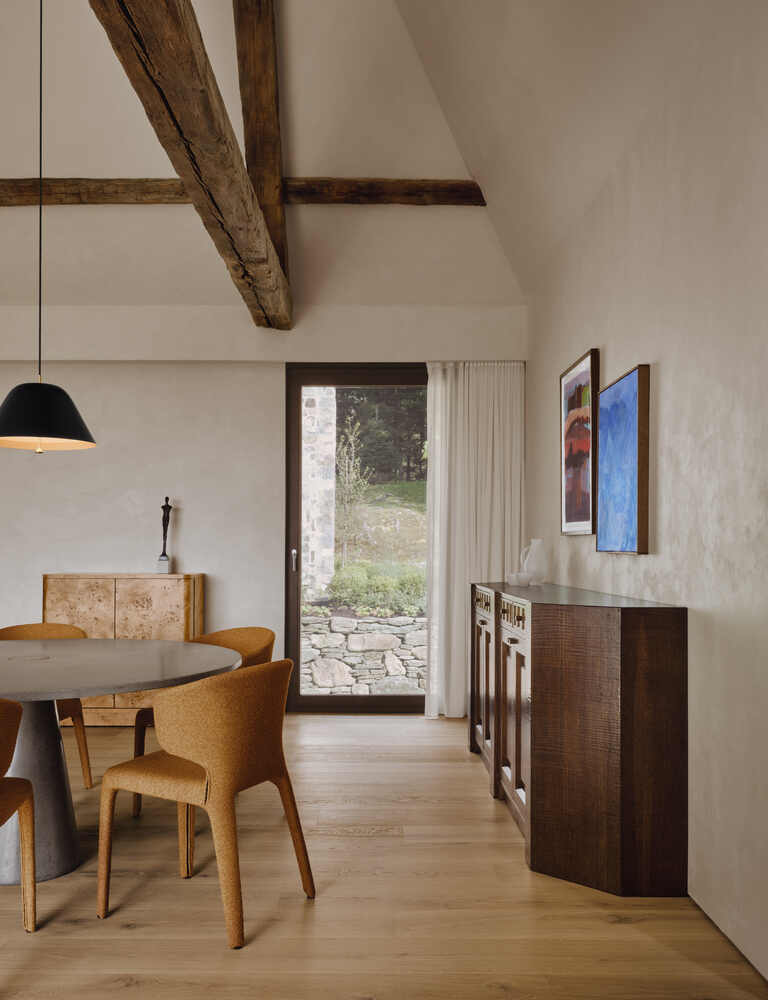
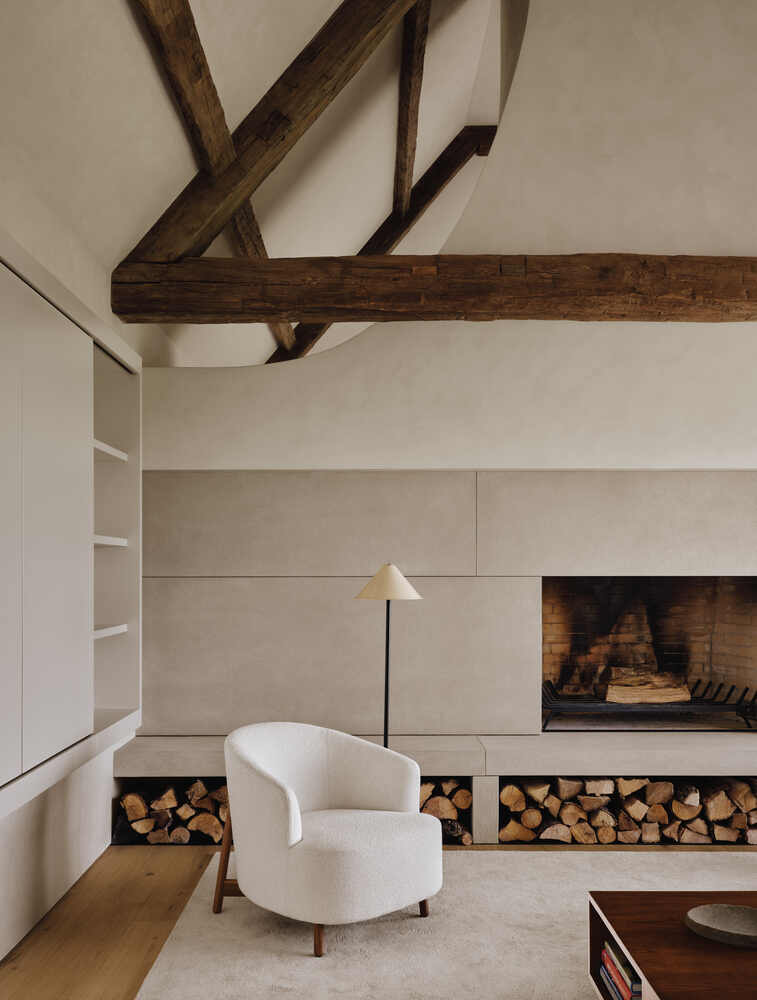
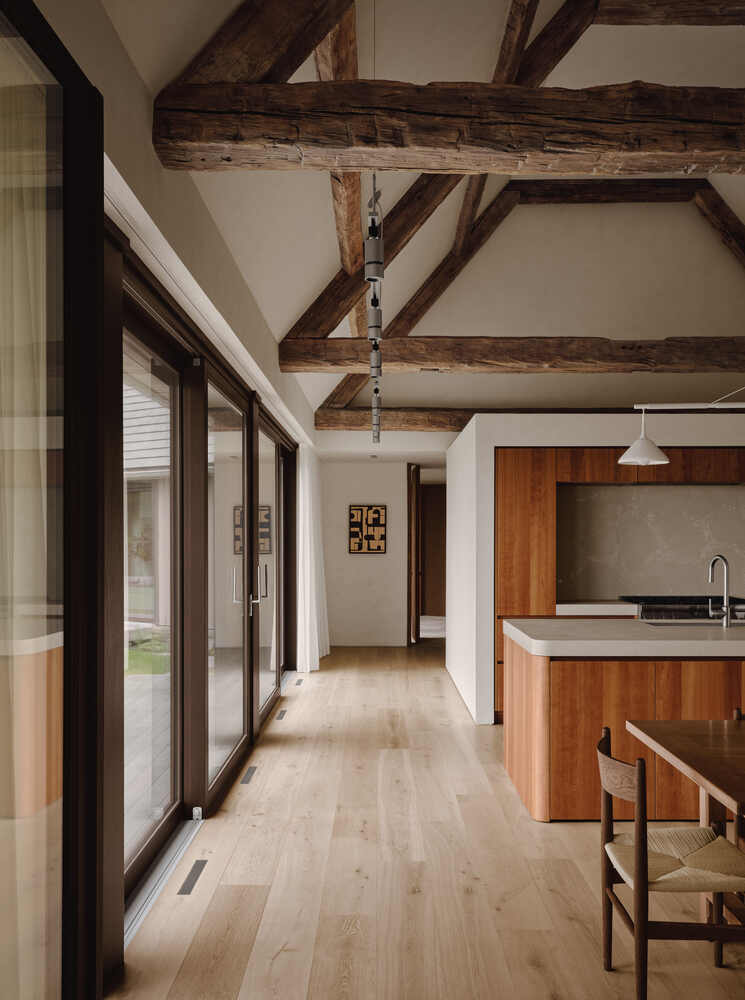
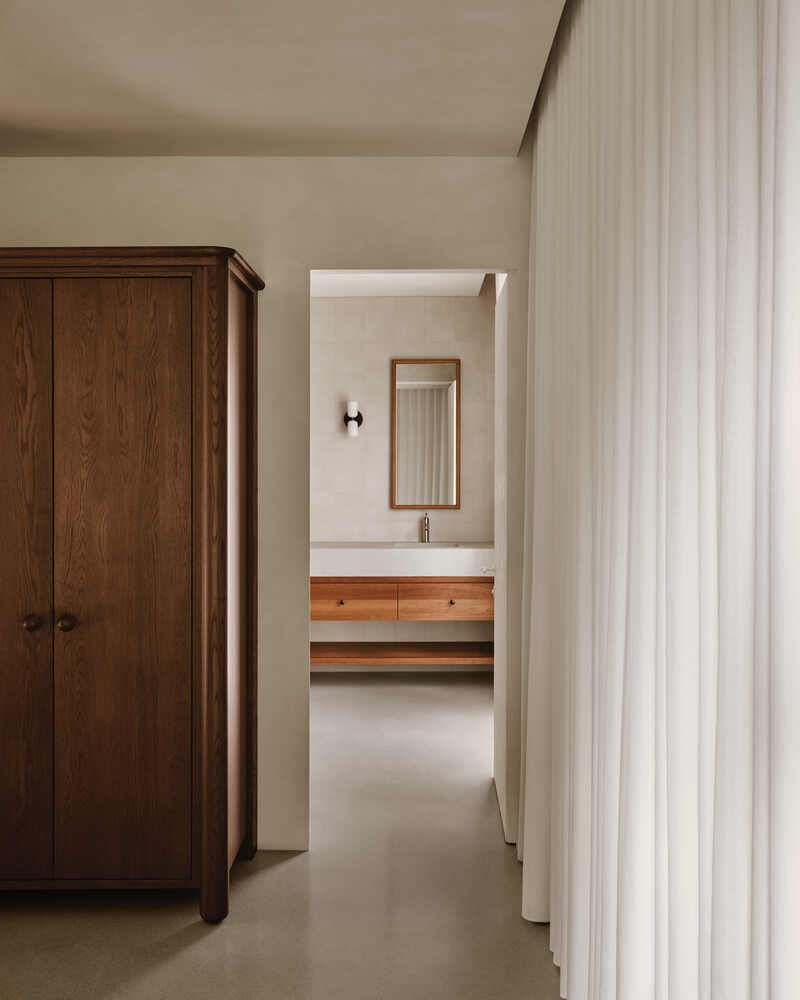
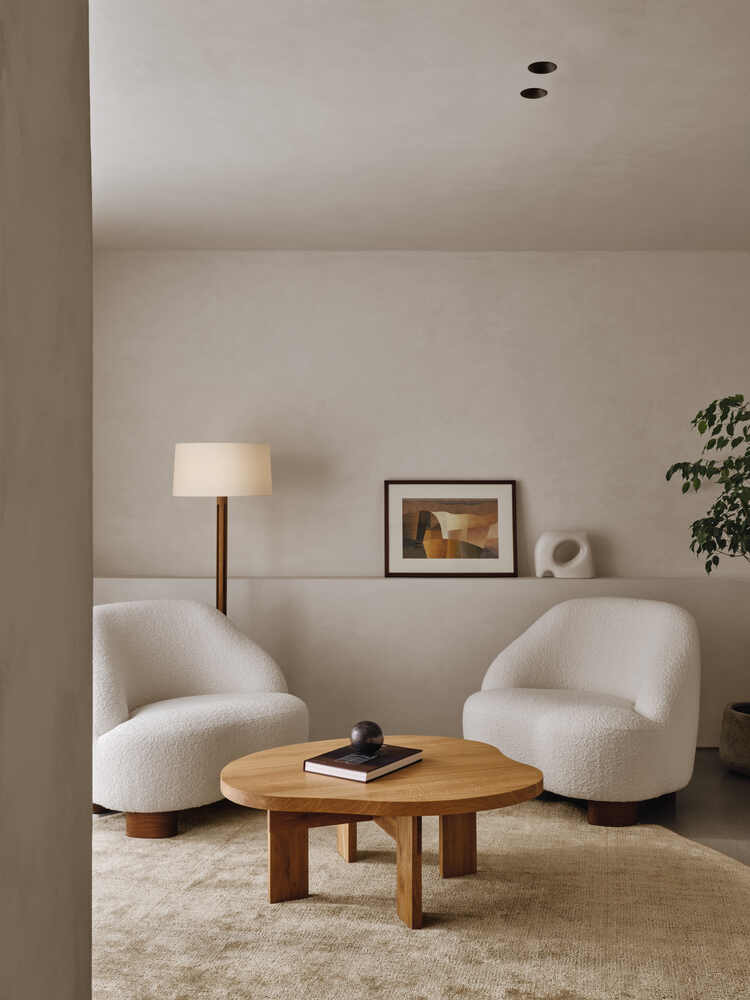
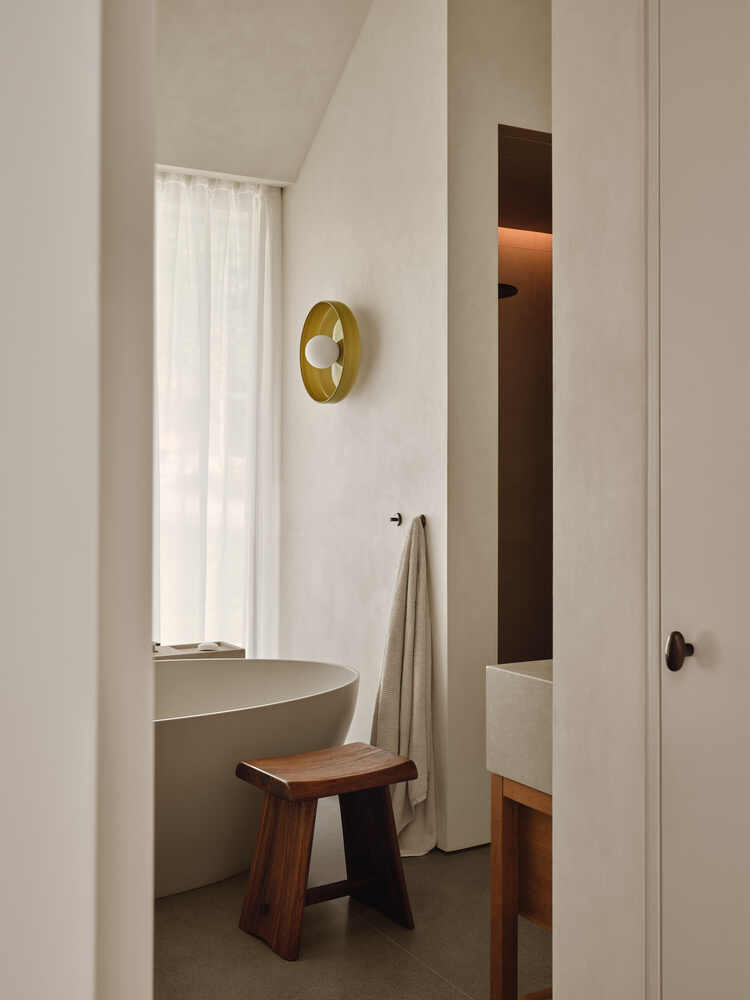
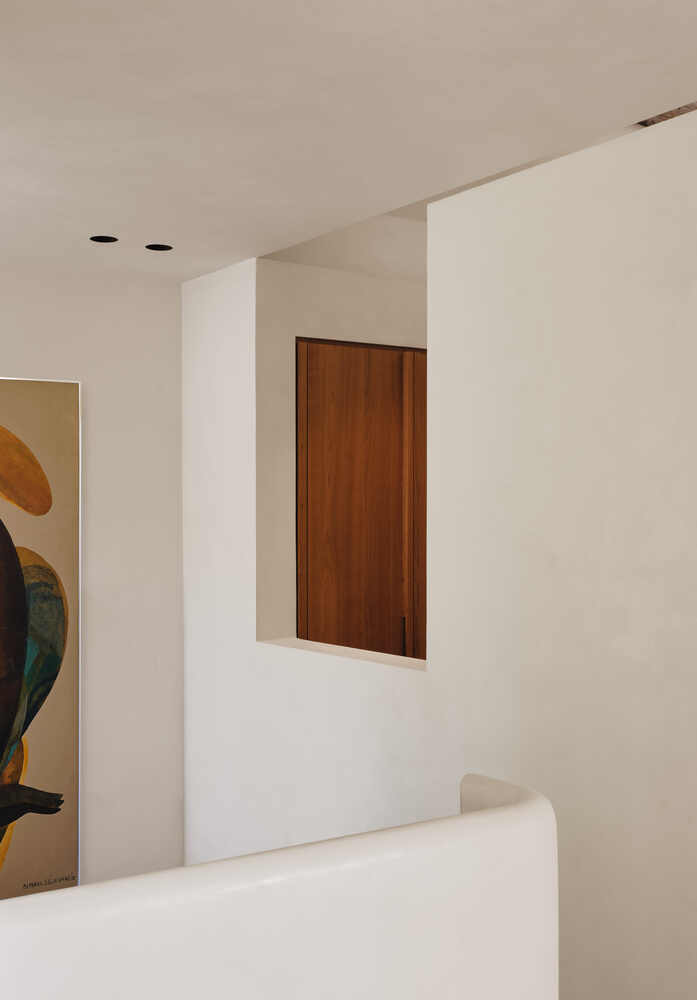
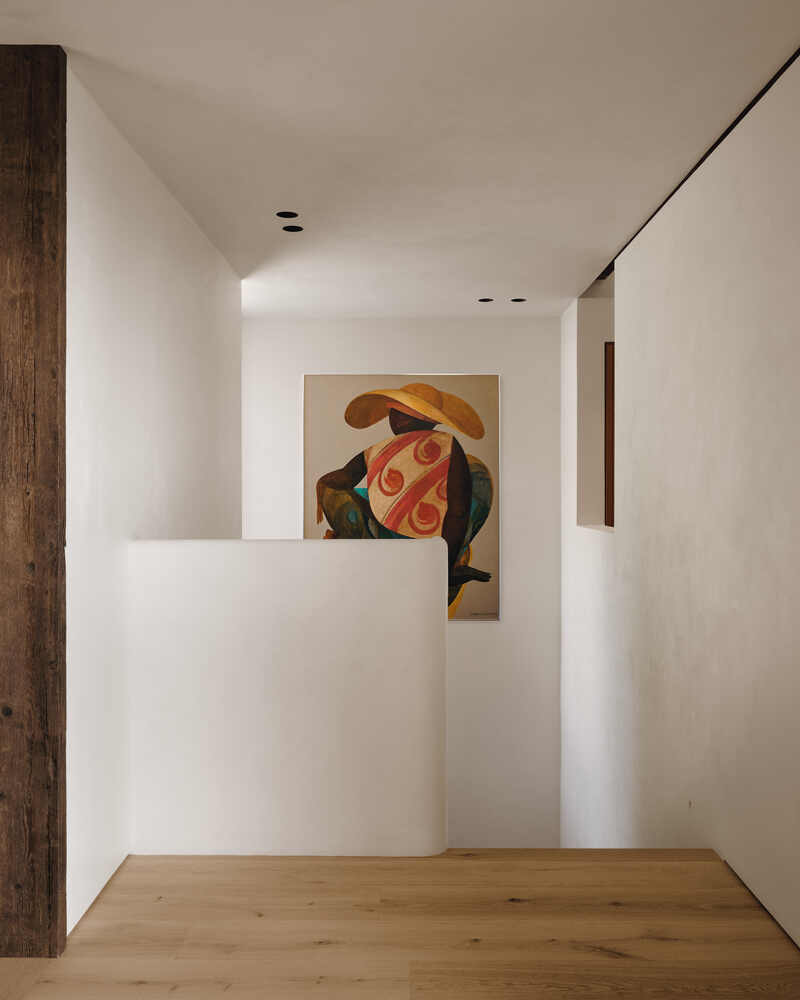
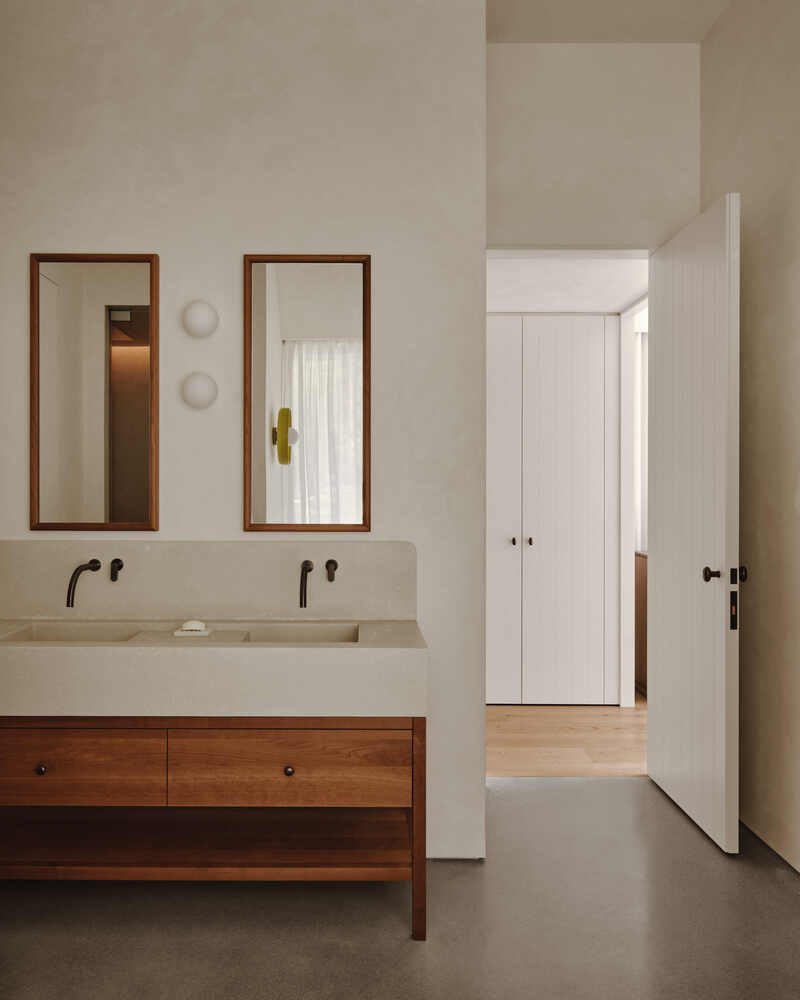
In the same way that the architectural development 'blurs' the two temporalities of the territory's occupation, the choice of materials and furniture places the character of the spaces in an aesthetic situated between the old and the new.