
No. 7 Ceramic Art Research Base (Phase One)
NO. 7 CERAMIC ART RESEARCH BASE (PHASE ONE)
Atelier Cns
ARCHITECTS
Atelier Cns
LEAD ARCHITECT
Gang Song, Zhiyuan Zhu, Guanqiu Zhong
CONSTRUCTION DRAWING DESIGN
S&C Design: Xiaomin Sun, Zimao Zheng, Chimin Chen, Guangming Li, Xingsong Chen, Zirui Lin
LANDSCAPE DESIGN
Linglan Yang, Xiaolu Zhou
GUIDE DESIGN
Ying Liu, Shuang Chen
ARCHITECTURAL DESIGN
Zhe Duan, Huanyu Ma, Jiaming Chen, Yinhao Zhu, Ruochen Liao, Yao Rao, Ling Shi, Chonglan Tao, Hu Wang, Ge Zhang, Jie Liu (Internship), Xiaohan Tang (Internship), Yinghao Tang (Internship), Kai Wang (Internship), Jiaquan Xie (Internship), Zewei Xing (Internship), Ziyu Chen (Internship), Yingyin Guan (Internship)
DESIGN PARTNER OF WEI HUA ART MUSEUM
Guangzhou Rongjing Urban Planning And Design Co., Ltd.
CLIENTS
Office Of The Construction Headquarters For Foshan Shiwan China Cultural And Creative Industry Cluster Area
PROJECT LEADER
Zhanning Zhong
PHOTOGRAPHS
Siming Wu
AREA
6552 m²
YEAR
2024
LOCATION
Fo Shan , China
CATEGORY
Museums & Exhibit
English description provided by the architects.
Shiwan, a renowned ceramic capital in Southern China, is a place that has thrived and become beautiful due to its rich ceramic heritage.
Its unique landscape, defined by Dawu and Xiaowu Hill and the Dongping River, together with the Tanzhou Waterway, weaves a natural tapestry full of vitality.
No. 7 Ceramic Art Research Base aims to create a multifaceted artistic space that includes international youth communities, art workshops, city parks, and creative incubators for master artisans.
It serves as a bridge connecting tradition and modernity, as well as nature and culture. It not only carries a rich historical legacy, but also embraces the limitless possibilities of contemporary art and creativity.
-1 Revealing the Beauty of the Mountains and Waters. Located at the heart of Shiwan China, No. 7 Ceramic Art Research is situated along Zhongxin Road, adjacent to the Tanzhou Waterway, and directly faces the National 4A Scenic Spot, Nanfeng Ancient Kiln.
It enjoys convenient transportation and offers great potential for development. It is set against the backdrop of Fengshui Pond and ancestral temples, reflecting the area's rich cultural heritage.
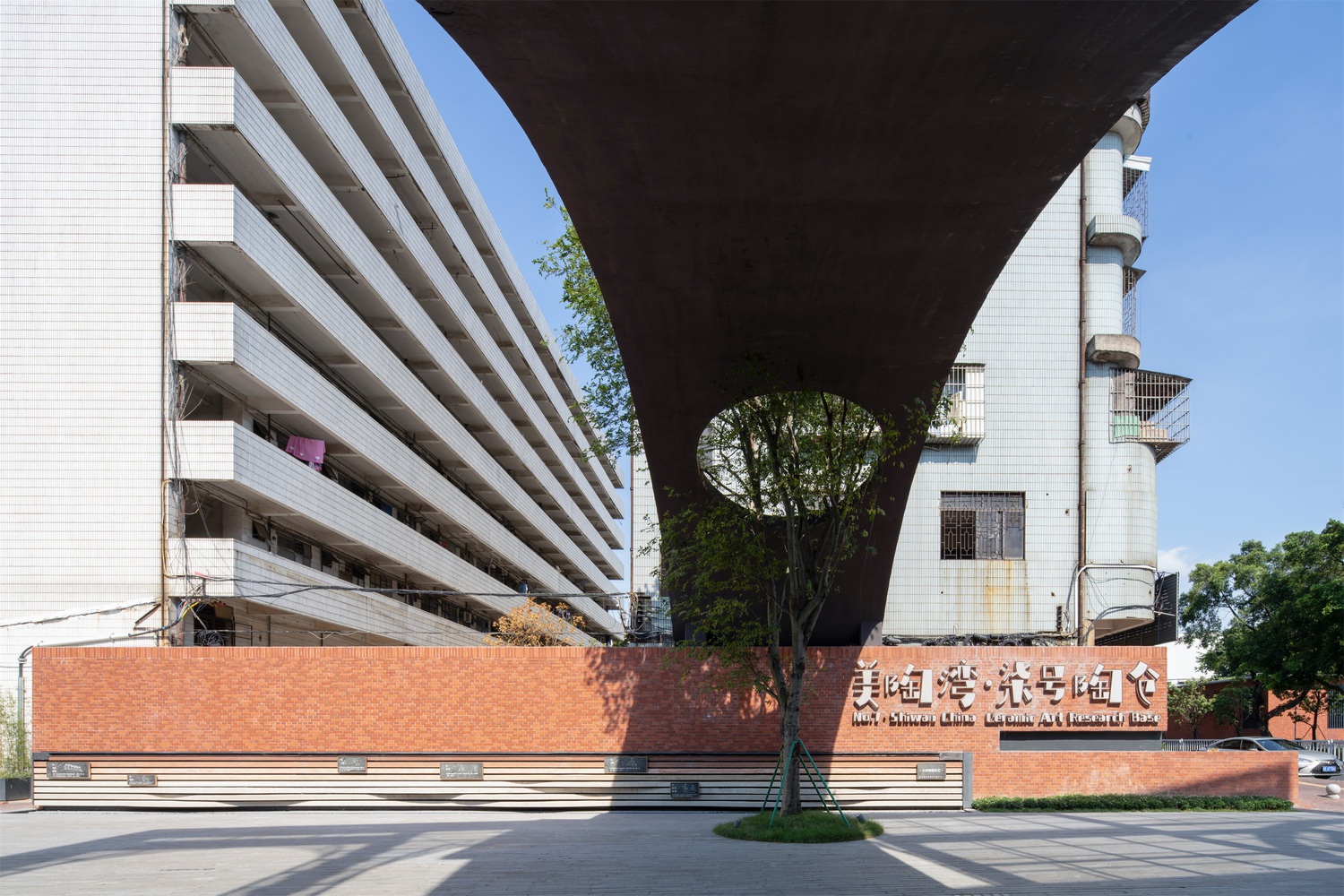
-2 Cultural Inheritance. Before the renovation, most of the buildings on the site consisted of dilapidated ceramic workshops and warehouses, with disorganized structures, random additions, and blocked pathways. The area lacked open space, and the overall environment of the factory site was poor.
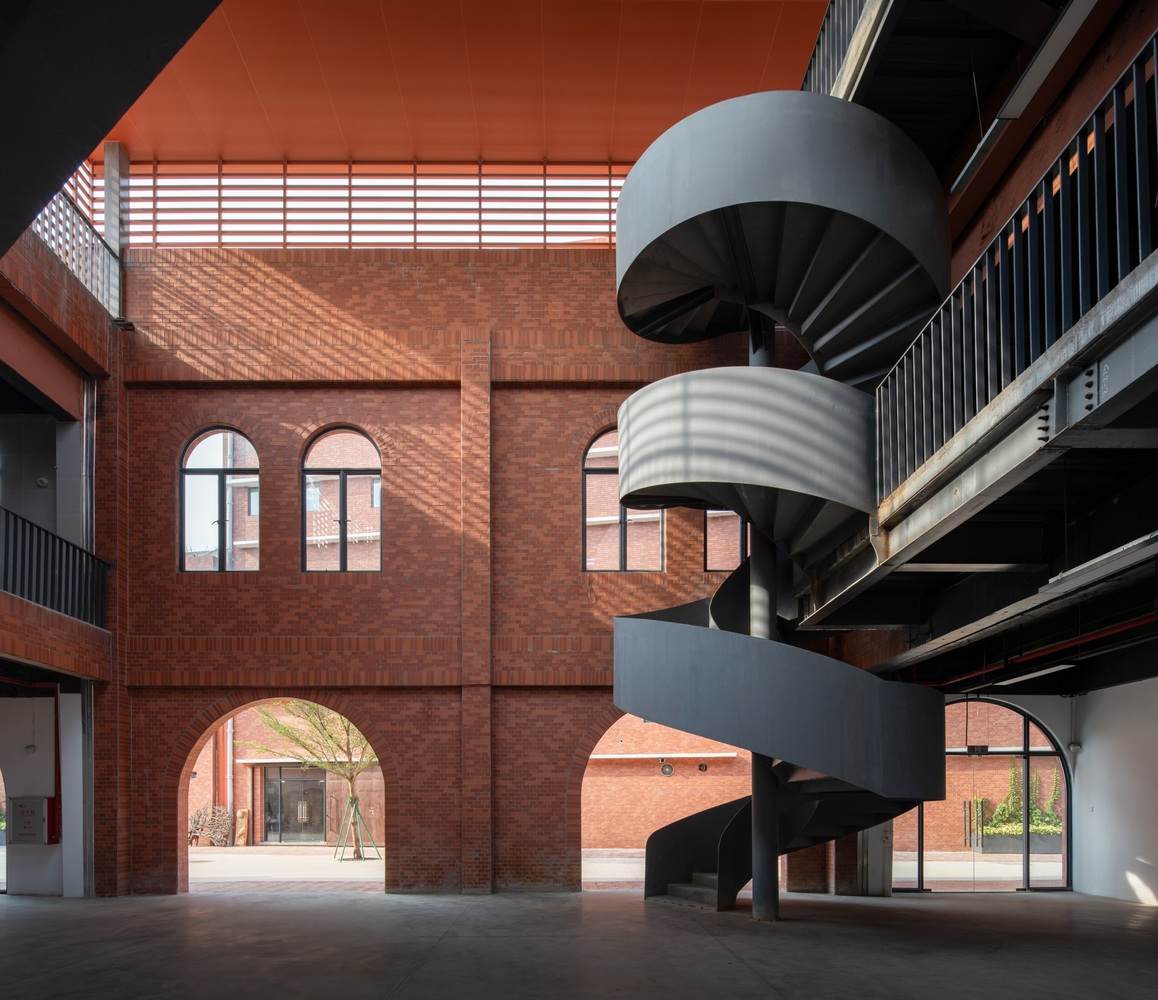
Despite their seemingly run-down appearance, these buildings carry a wealth of historical memories and cultural value. We delved into the essence of Shiwan ceramic culture and skillfully integrated it into the buildings.
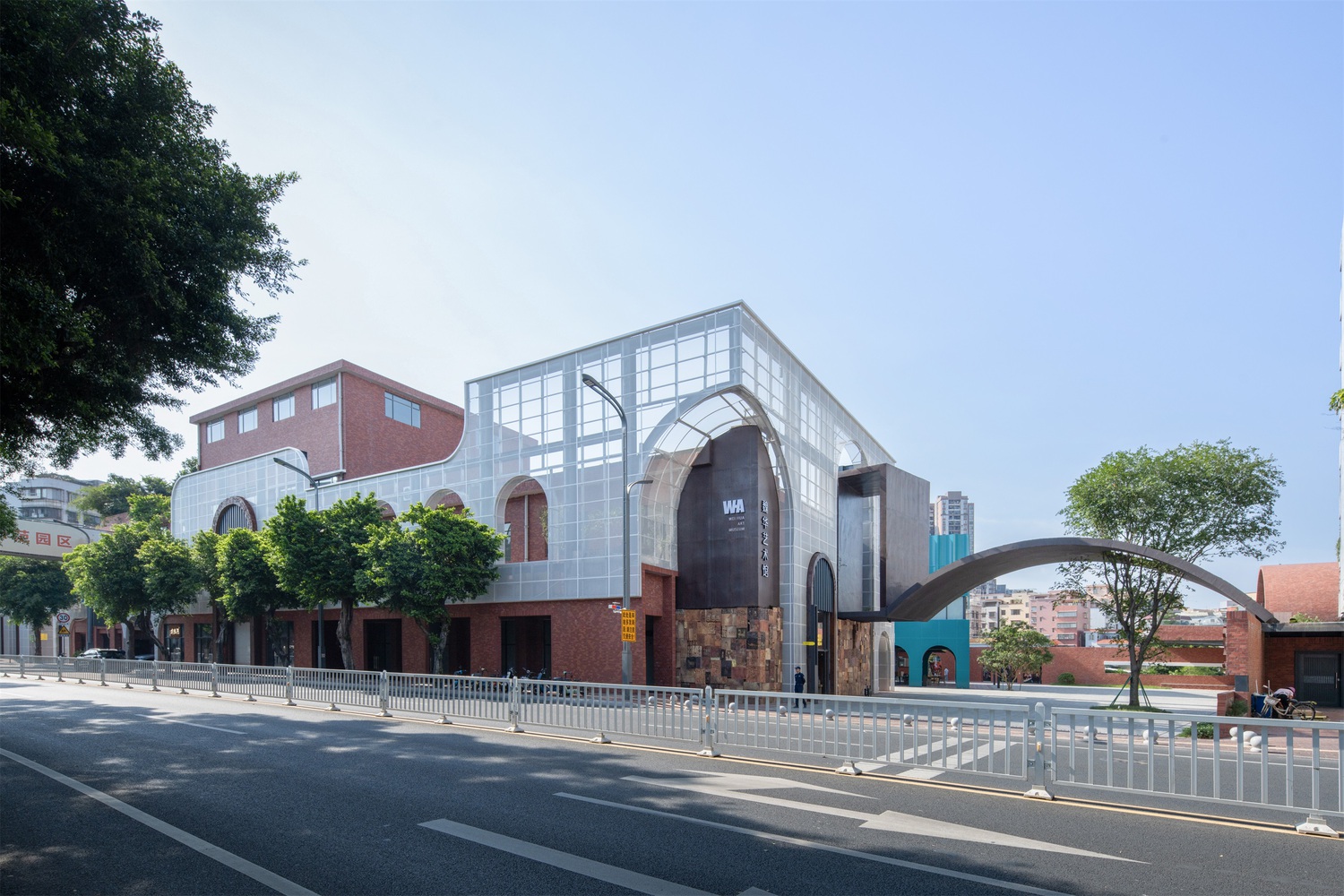
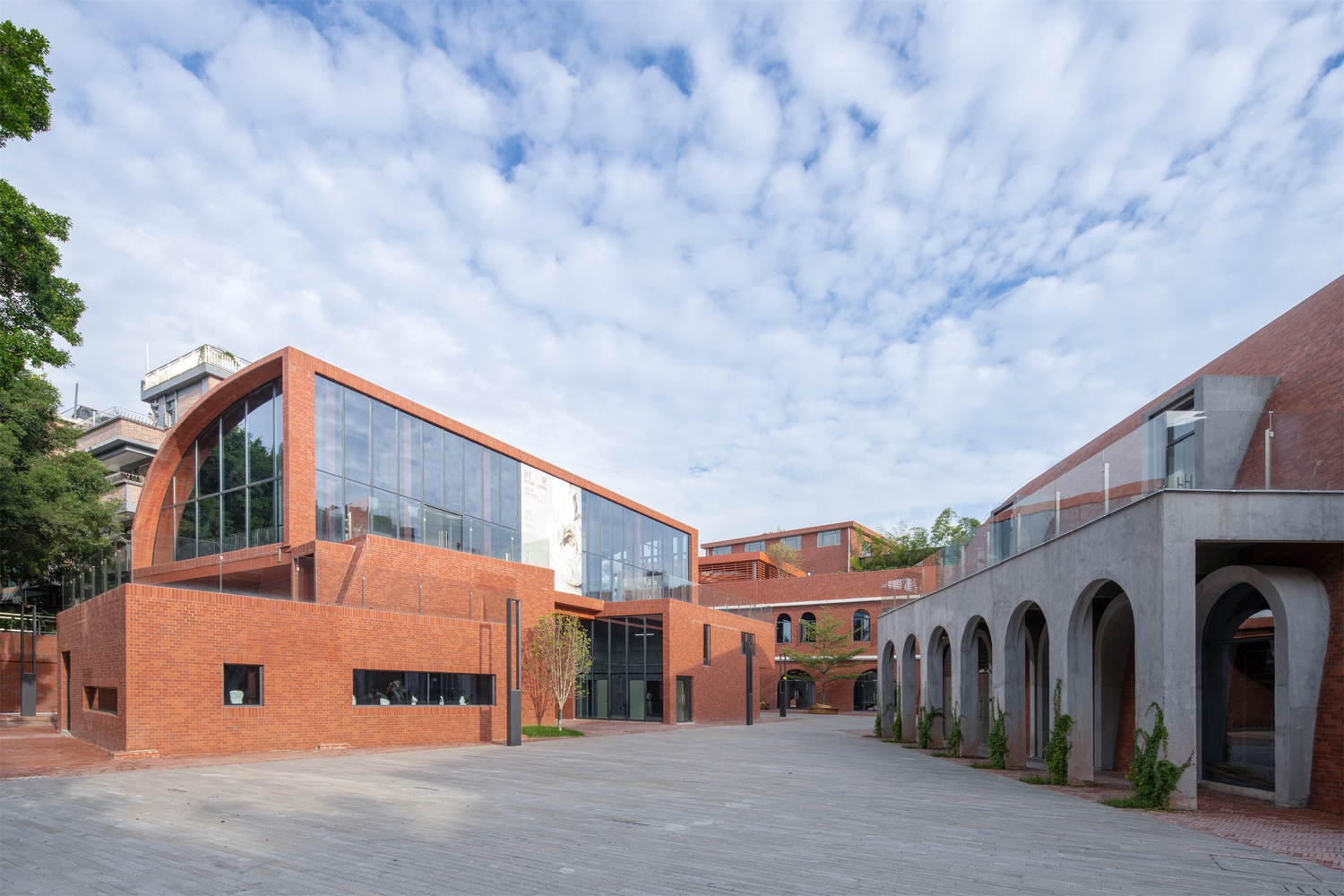
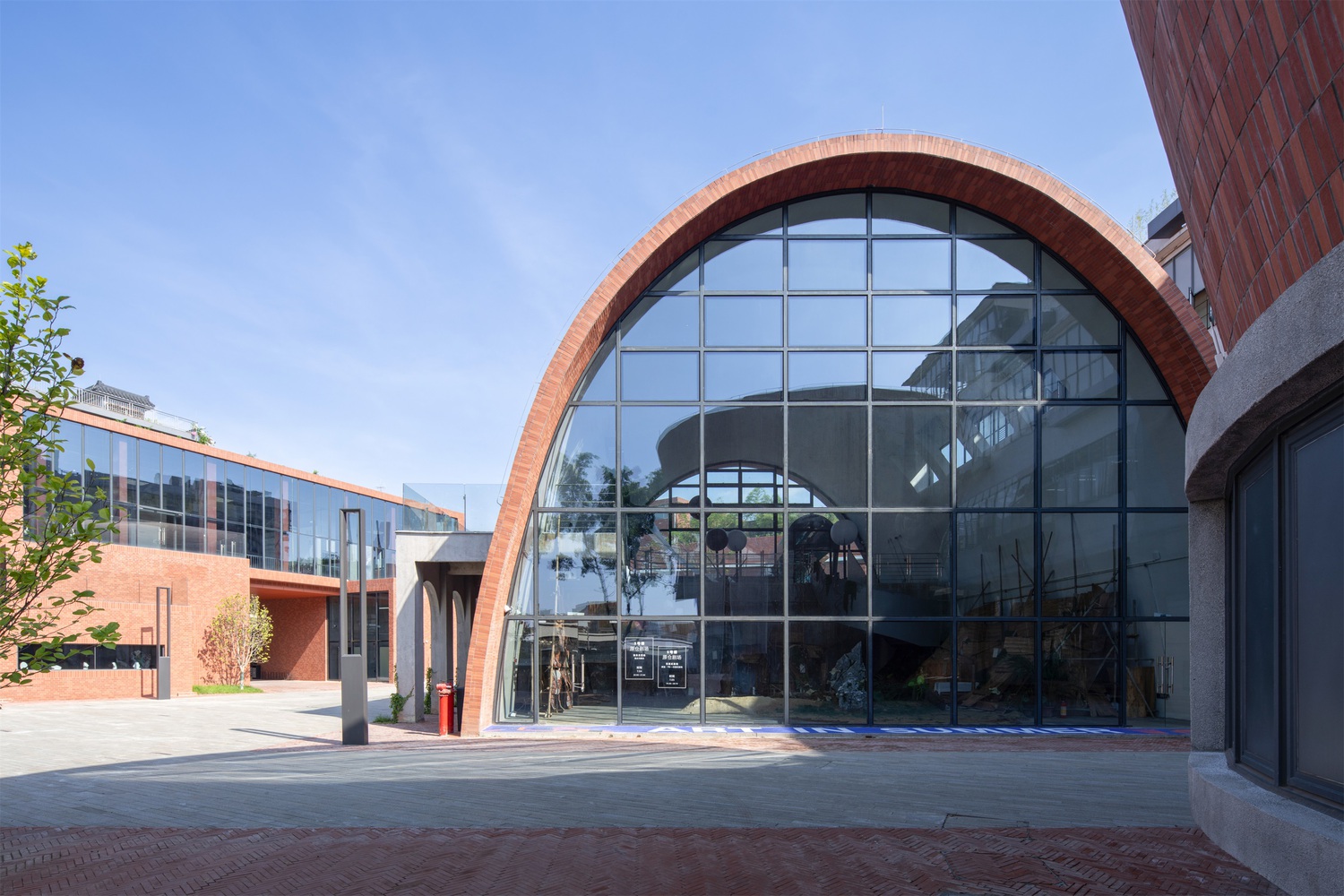
Inspired by the Dragon Kiln of Nanfeng Ancient Kiln, we replicated its tiered, mountain-adjacent structure in the new buildings, incorporating arched elements to evoke a strong sense of ceramic artistry.
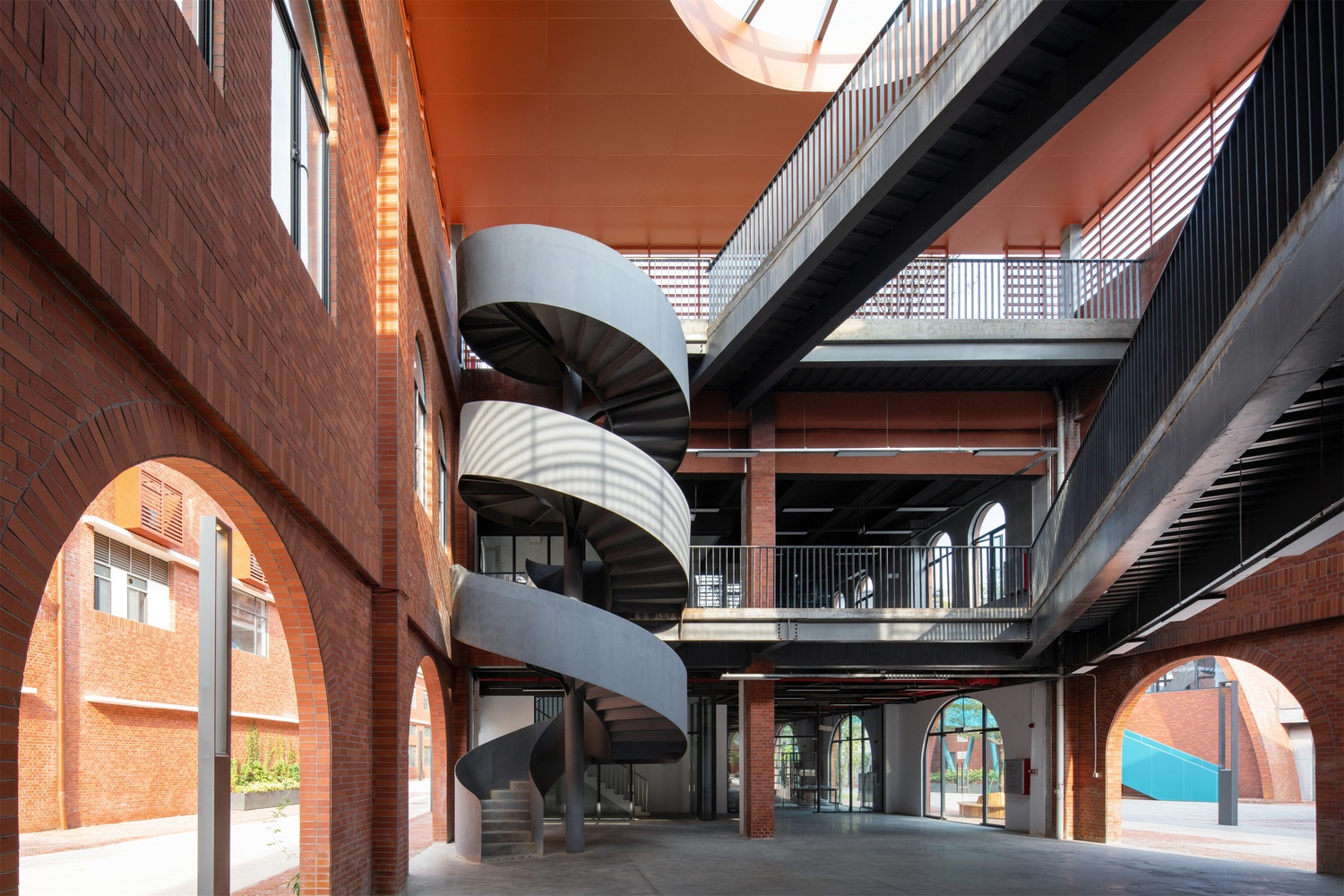
Additionally, light and shadow effects simulated the smoke rising from a ceramic kiln, allowing visitors to feel as though they were standing in an ancient kiln and immersed in the historical legacy and the craftsmanship that has been passed down through generations.
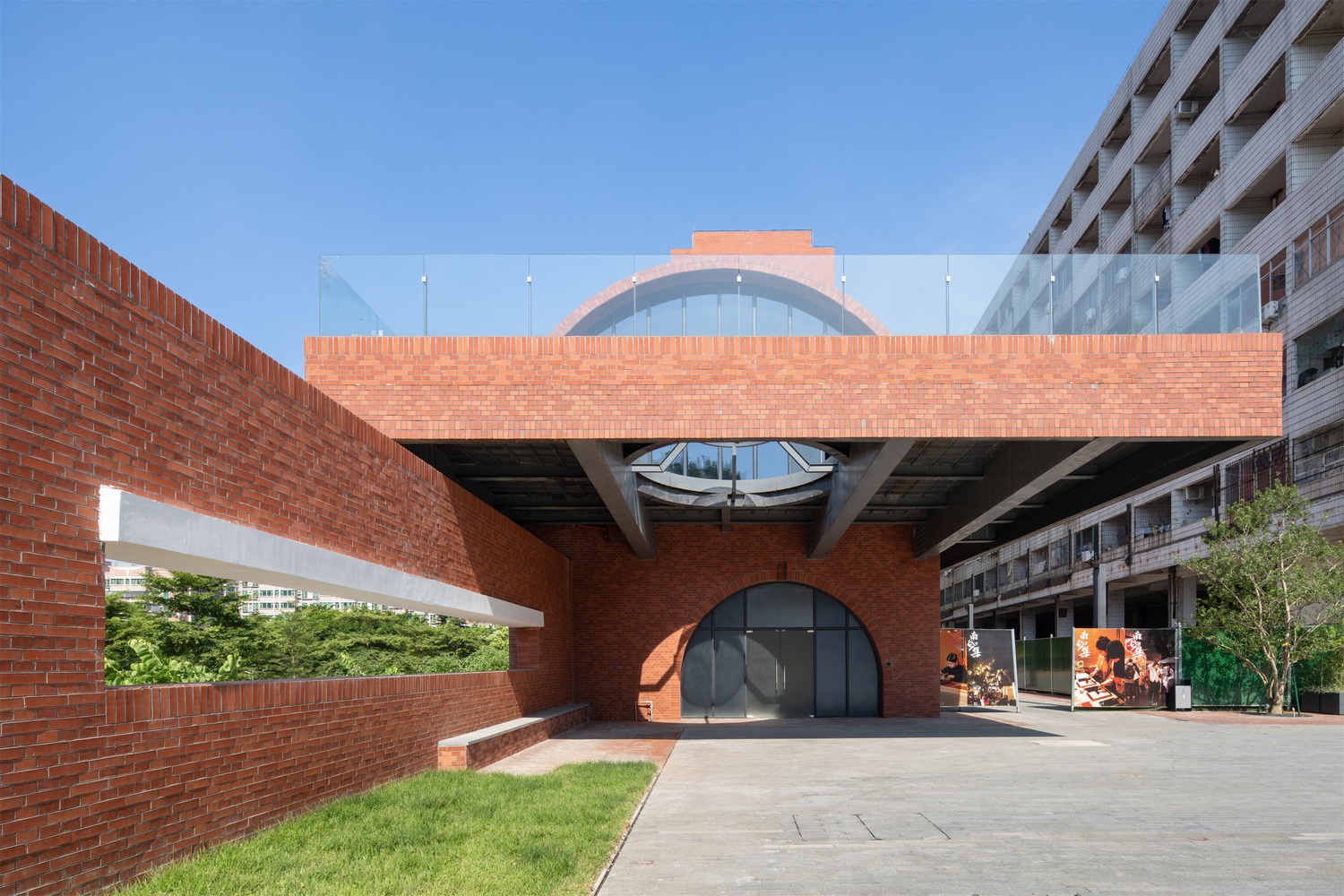
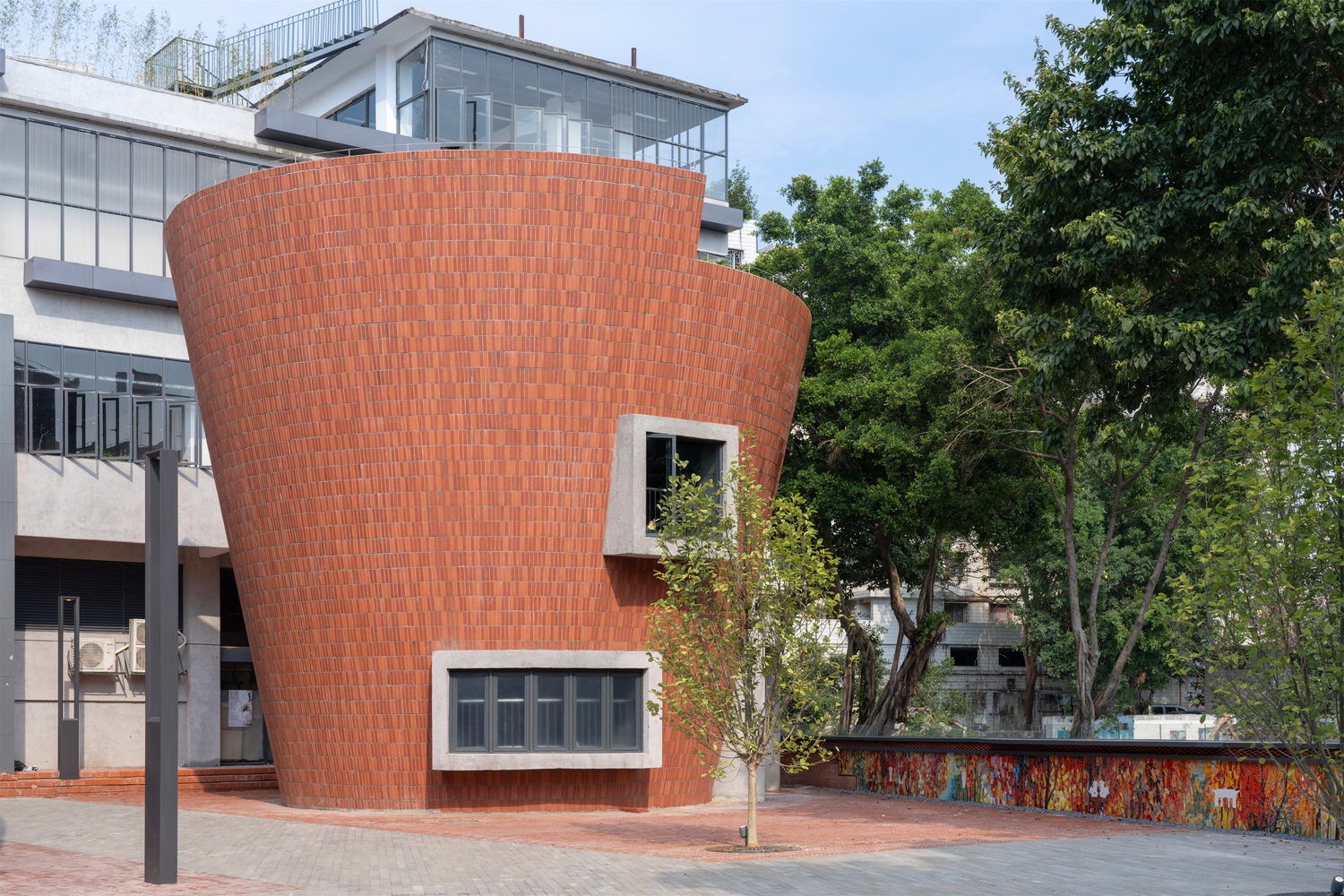
To enhance the project's coherence and artistry, we drew color elements from the red bricks of the Dragon Kiln and the blue tones of Shiwan figurines. The contrast between the warm red and refreshing blue symbolizes the integration and innovation of tradition and modernity.
-3 Innovation and integration. Some of the original factory buildings exposed concrete frameworks, with walls primarily made of red bricks.
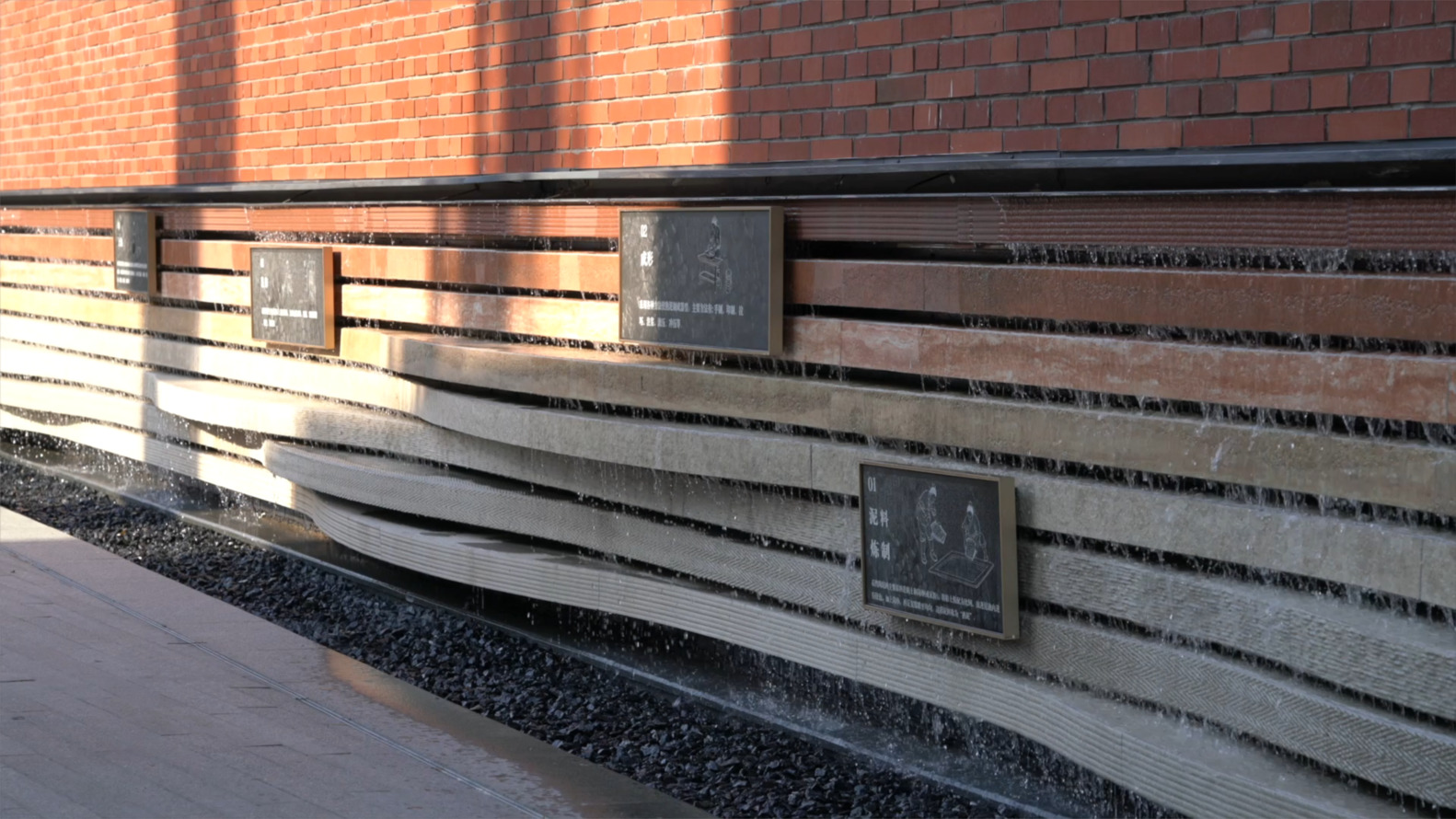
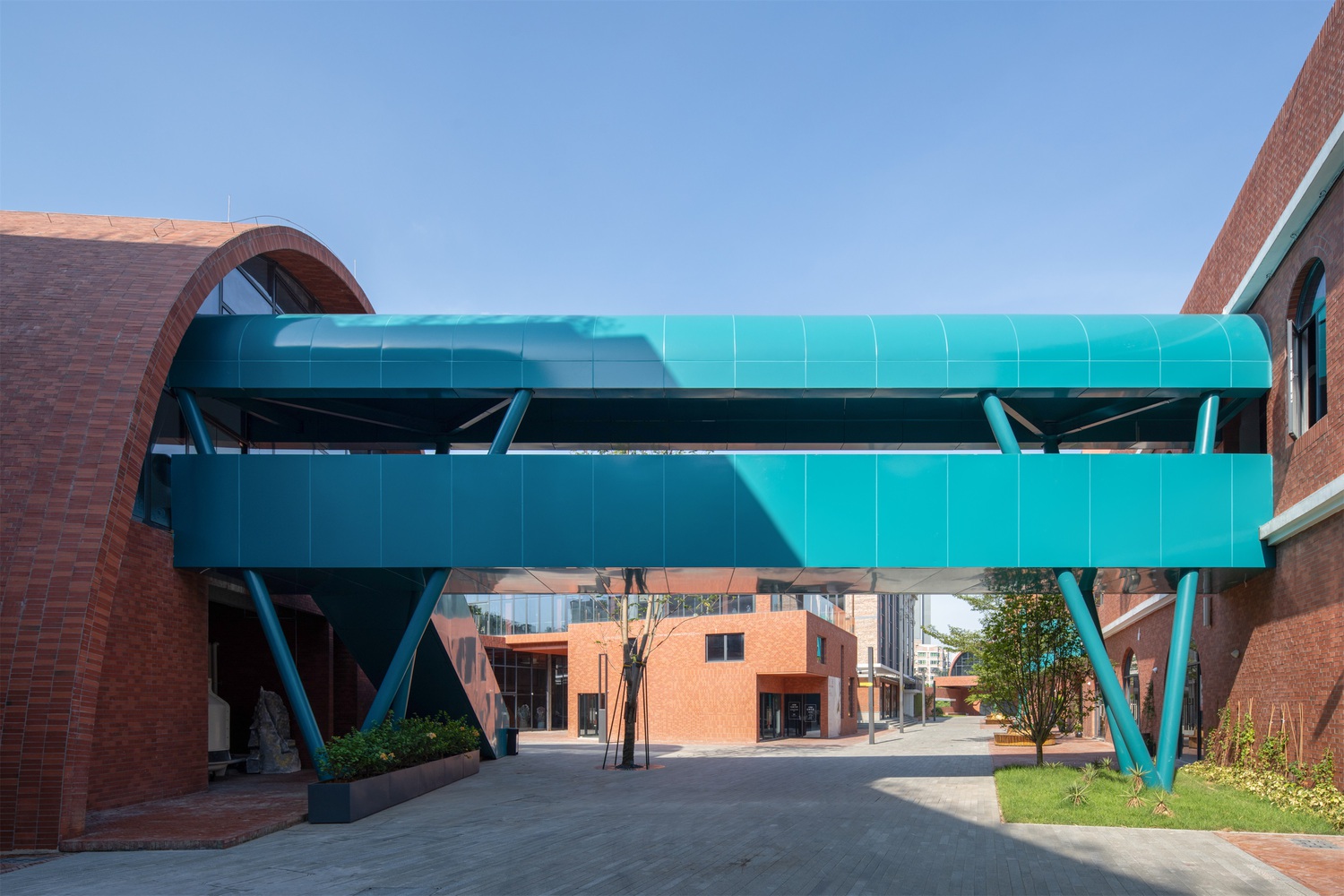
The masonry technique was simple, and certain areas of the walls were covered with metal sheets. Some buildings had steel trusses and basic canopy structures. We sorted and assessed the existing buildings on the site, demolishing structures of little value or those obstructing space, and re-planned the layout.
New buildings were introduced, while elements of historical and cultural significance were preserved and renovated to highlight the project's unique character and heritage. Some buildings have already undergone functional renovations, with several ceramic masters setting up their studios on-site.
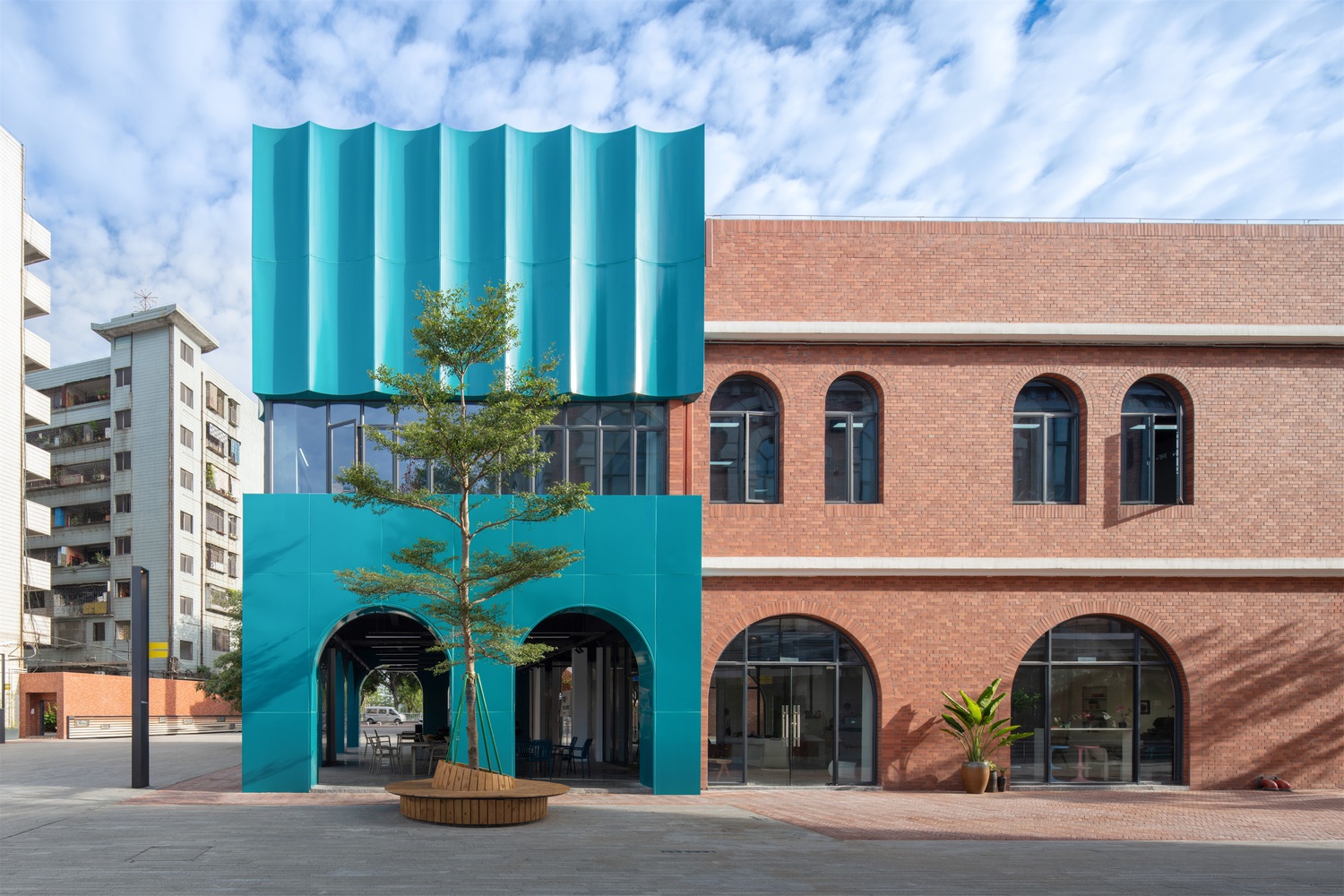
The facades of these studios were redesigned, with some ceramic masters personally involved in the renovation. The site originally housed studios for the ceramic masters, including the Pan Bolin Art Museum, Wei Hua Art Museum, and Wang Rongmao Art Museum.
Among them, the Pan Bolin Art Museum and Wang Rongmao Art Museum have been independently renovated, achieving a seamless blend of modern ceramic art and architectural techniques, which injected double vitality into the project.
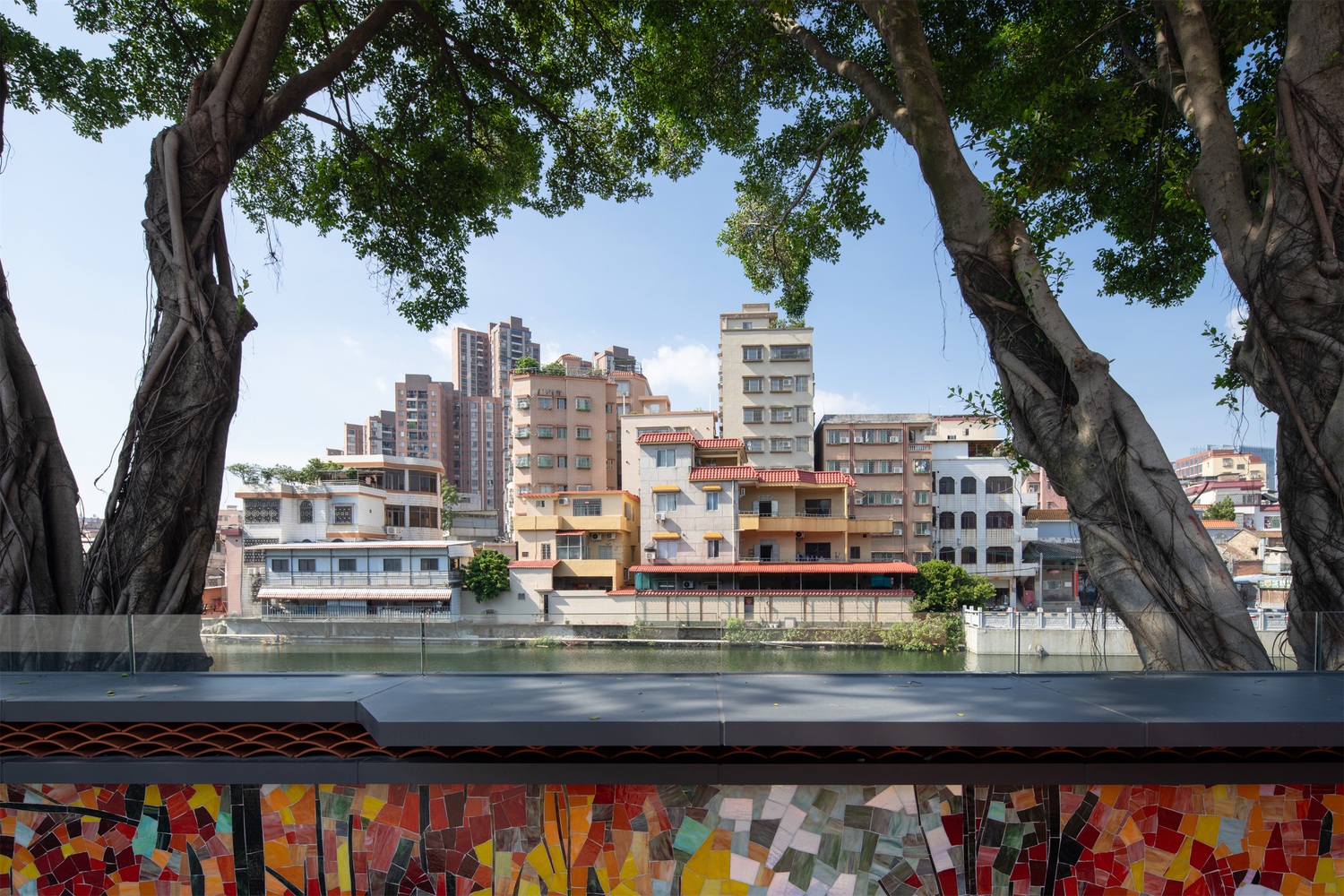
For those buildings undergoing large-scale architectural renovations and structural reinforcements, we aimed to maximize space utilization while preserving the original structure.
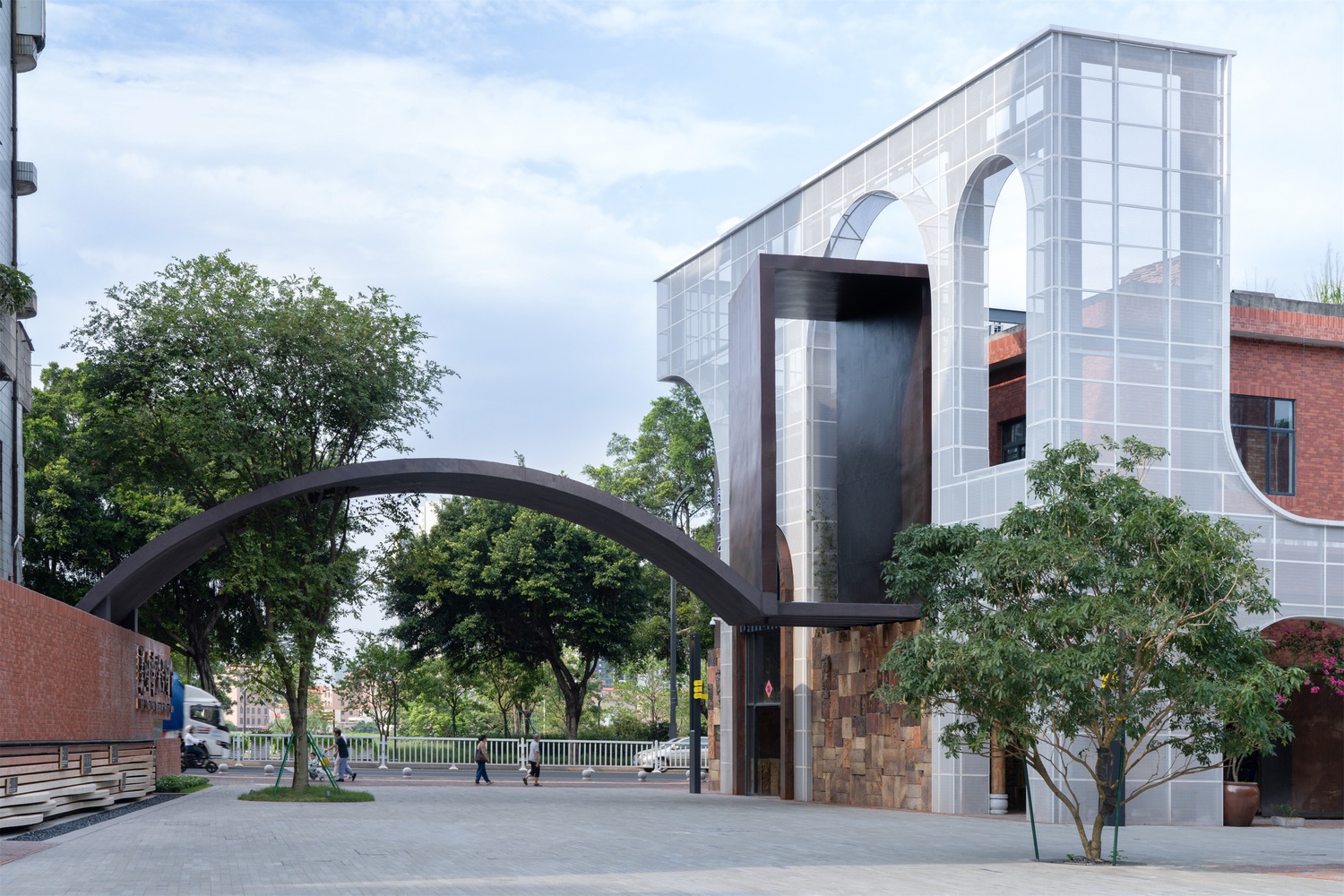
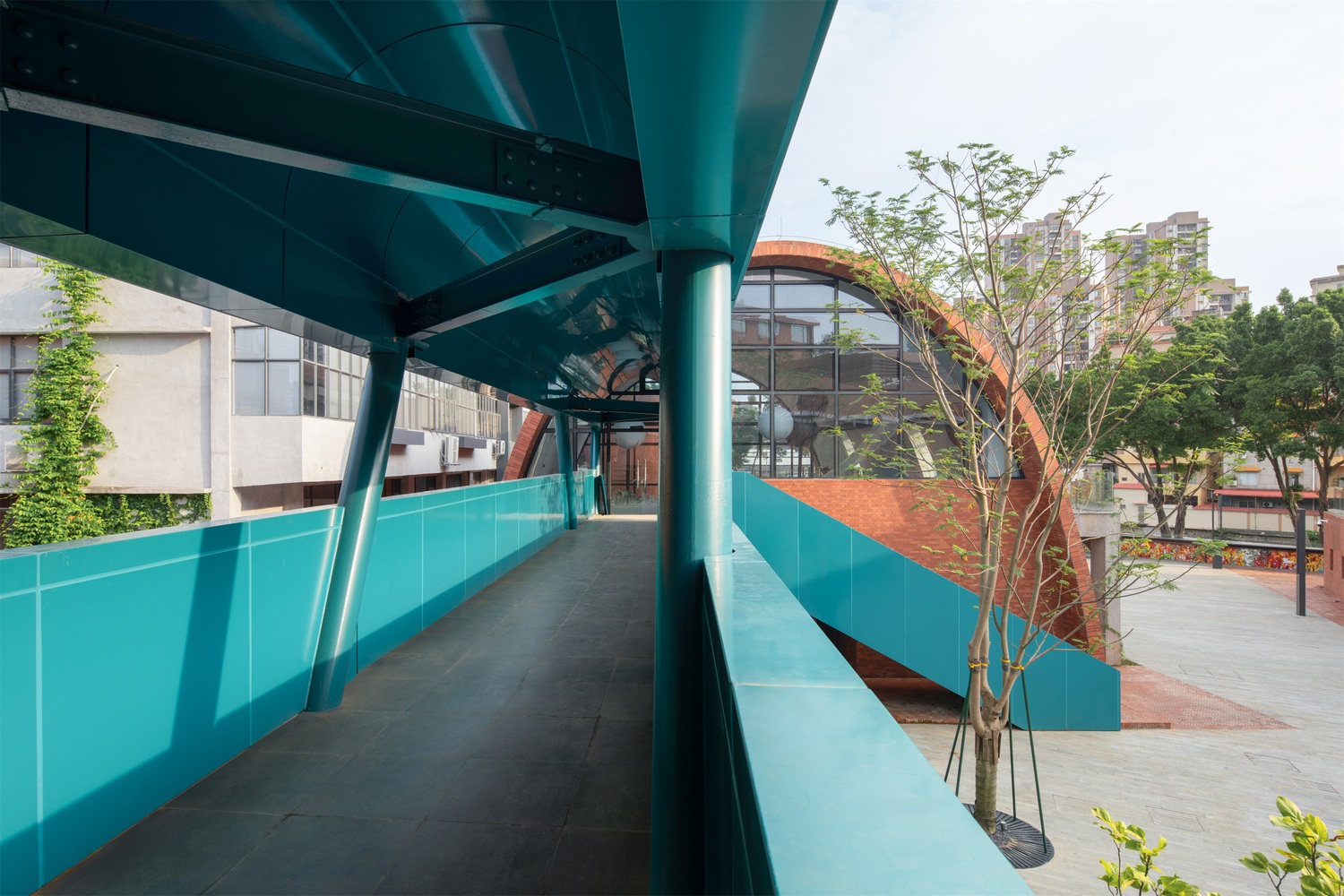
Building No. 3, now a ceramic art space, has had a glazed corridor added on its south side to serve as a pedestrian walkway connecting various functional areas.
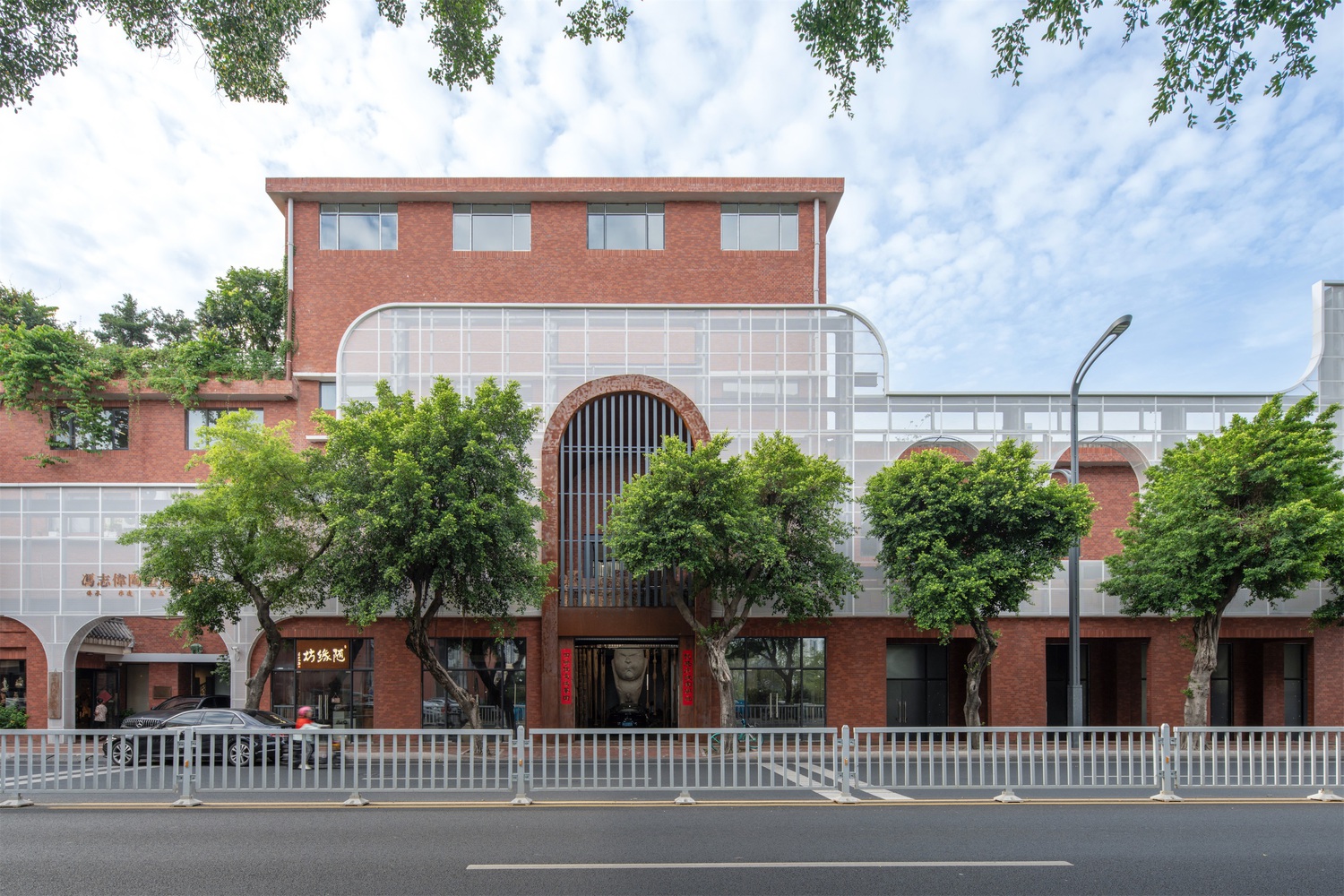
This corridor has been transformed into a vibrant blue art-filled pathway. There were also plenty of vacant areas available within the project site, where we planned several distinctive spaces. New buildings were designed to cater to the needs and preferences of different groups of people.
Taofeng Square, one of the iconic landmarks of the project, regularly hosts various cultural festivals and outdoor performance events, becoming a popular destination for both locals and tourists.
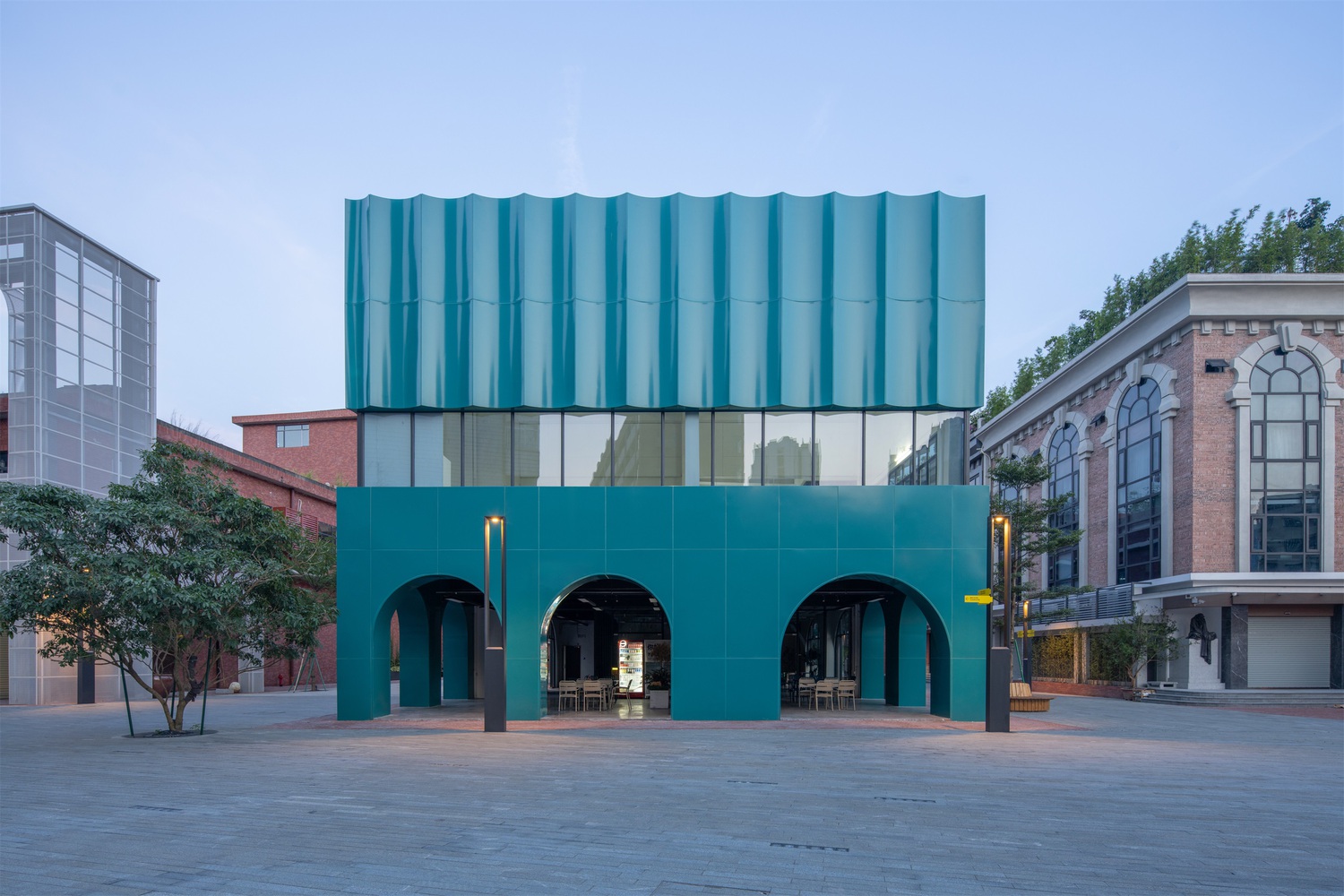
The square is surrounded by landscaped greenery, providing visitors with a beautiful environment for relaxation.
-4 Vitality of the times. No. 7 Ceramic Art Research Base is part of the cultural tourism route connecting Nanfeng Ancient Kiln and Art Wharf No. 8, forming a framework that complements each other and shares resources, promoting the inheritance and development of ceramic culture.
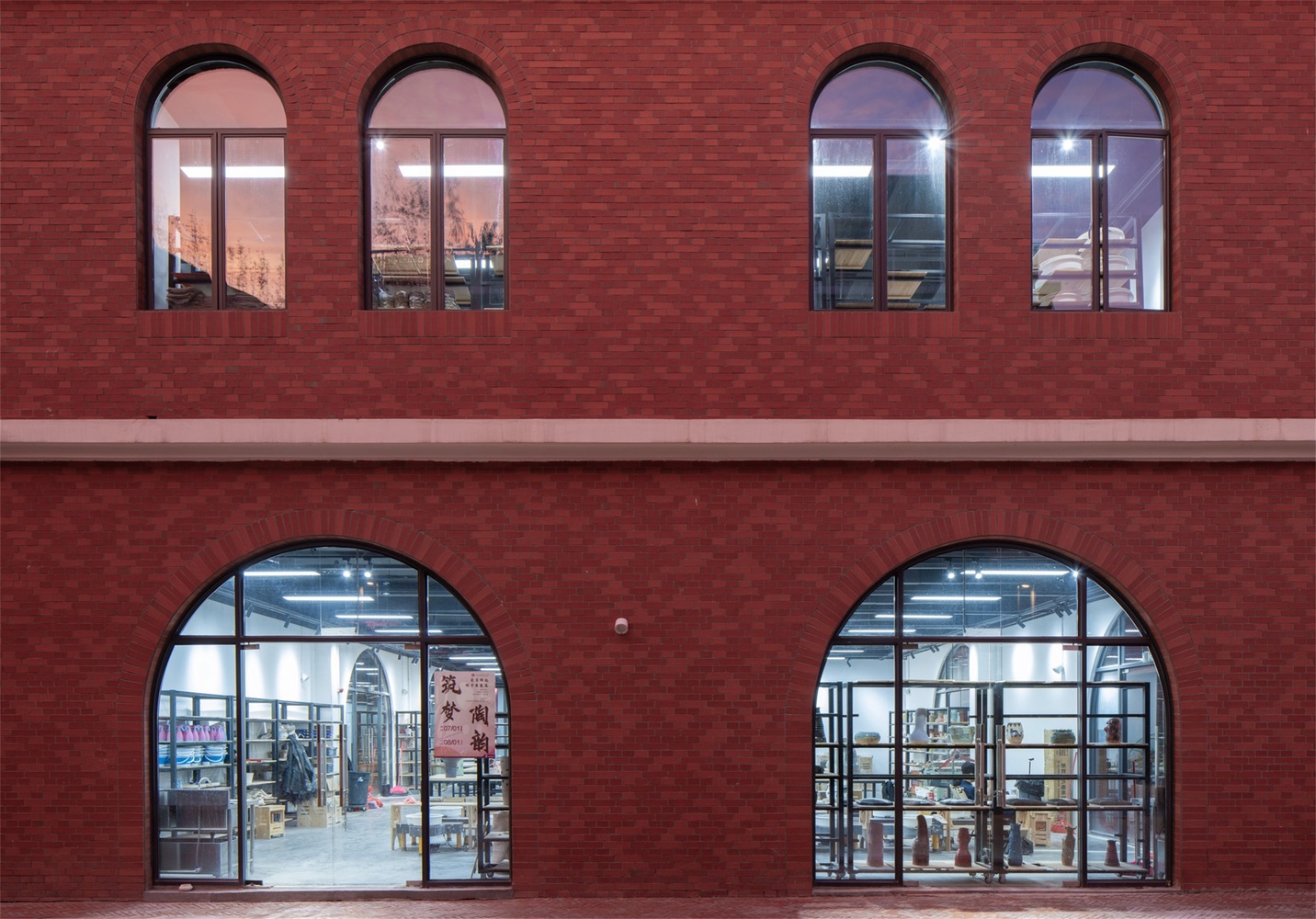
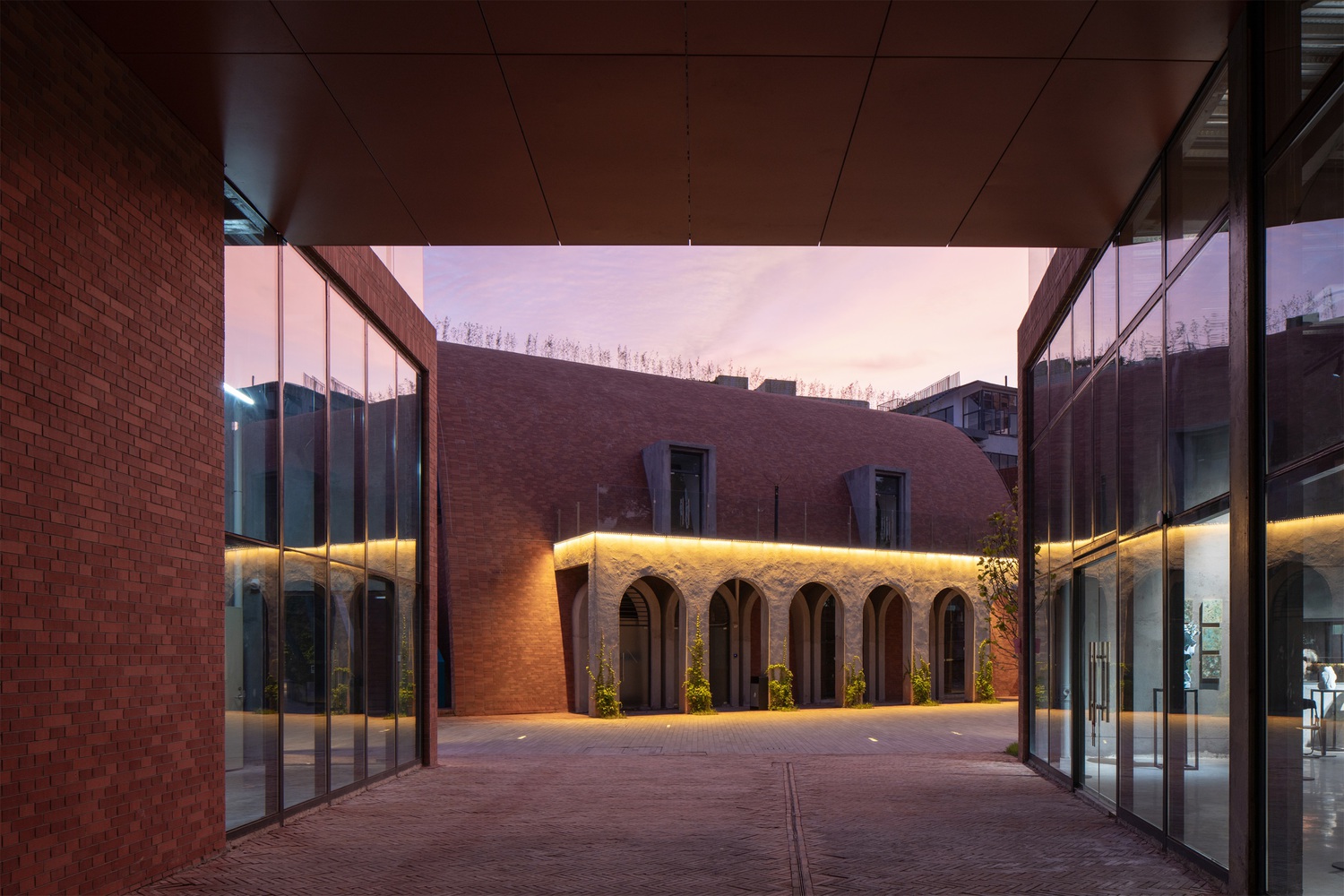
We actively embrace modern innovation, introducing new forms of spatial expression that align with contemporary trends.
This not only enhances the quality of cultural exhibitions, but also creates vibrant spaces such as city parks for artists and creative incubators for master artisans to celebrate ceramic culture.
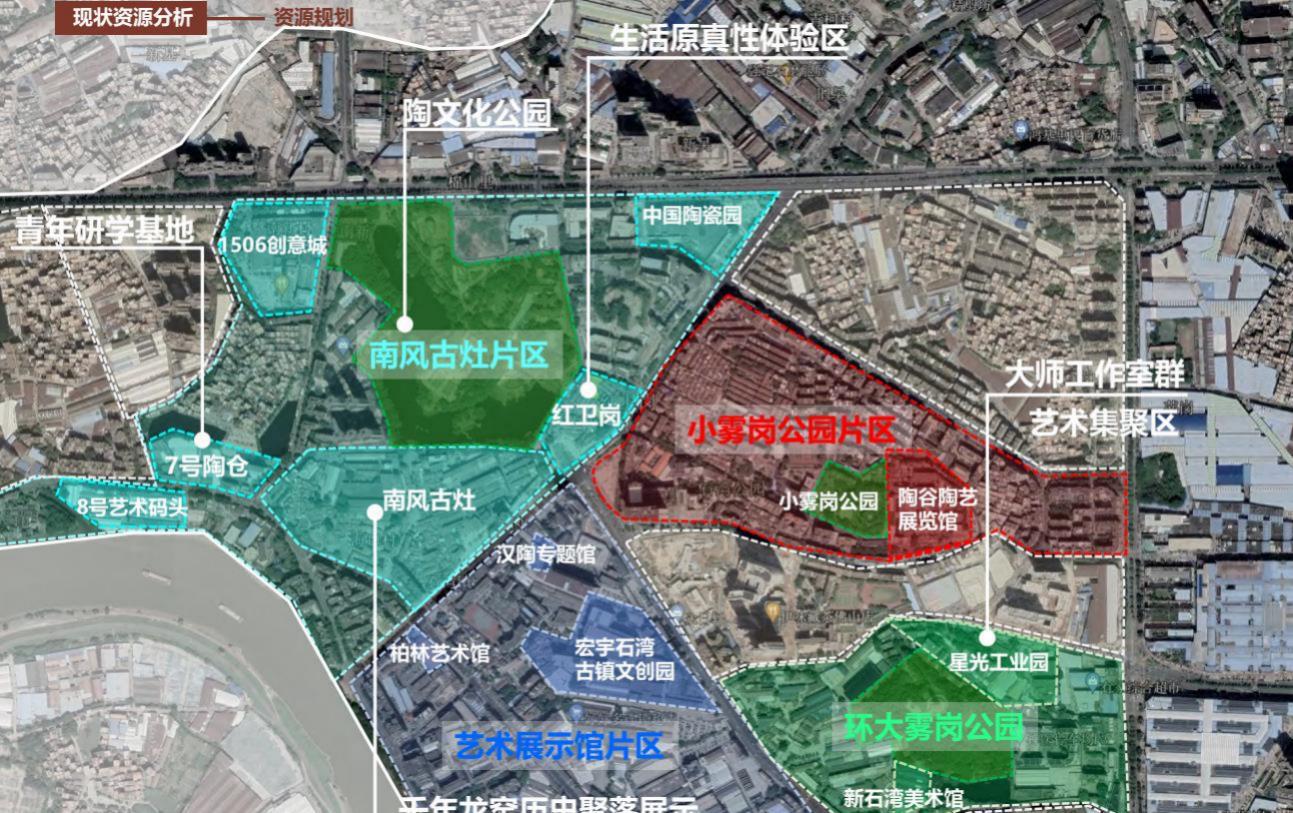
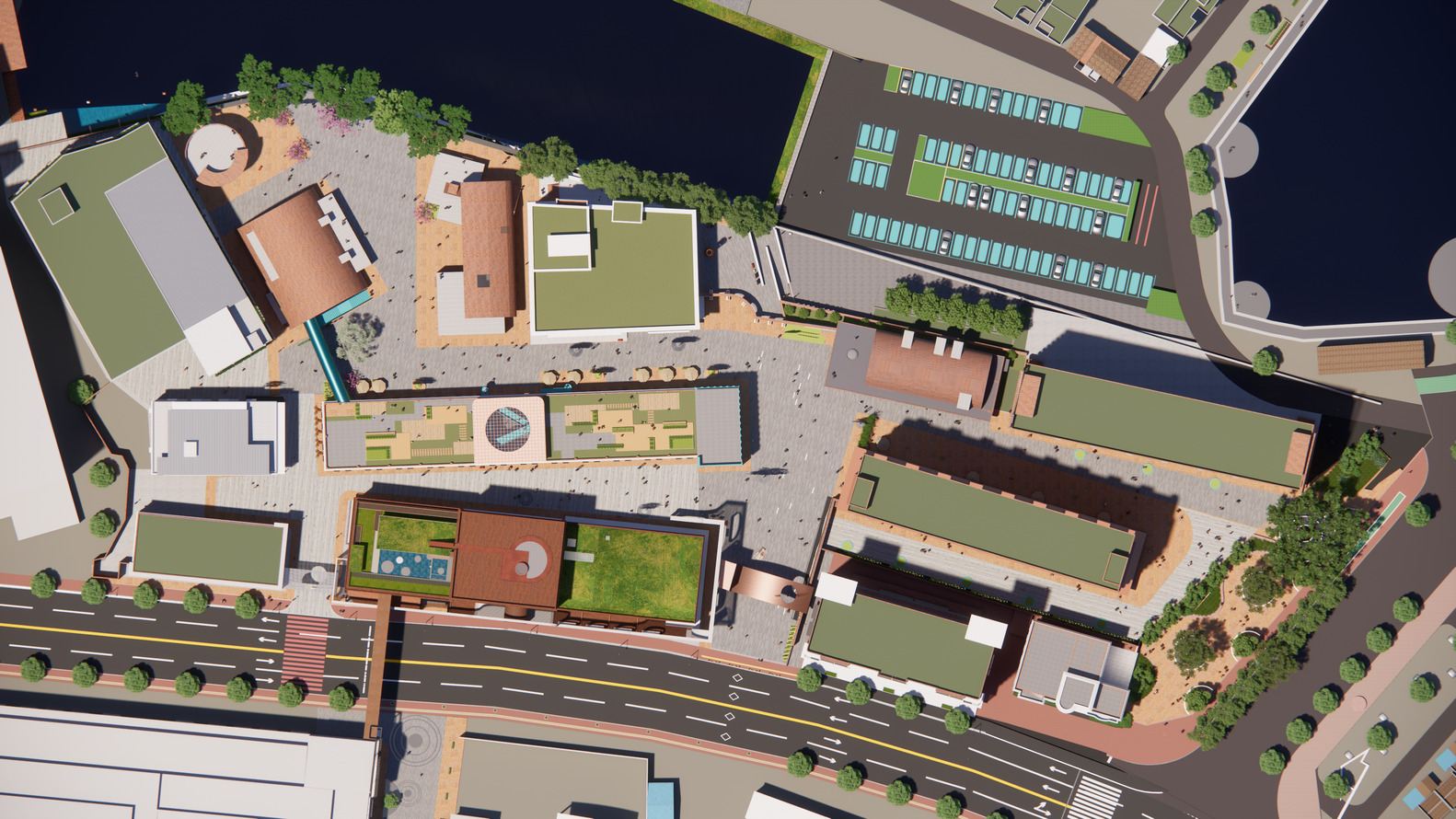
The second phase of the No. 7 Ceramic Art Research Base project, along with other Shiwan developments such as Hongwei Hill and Starlight Garden, is still under construction.
We will continue to adhere to the concept of "Revealing Natural Beauty, Inheriting Culture, and Fostering Innovation and Integration," constantly improving the regional quality and transforming the area into a hub of ceramic culture and a hotspot for youth innovation and entrepreneurship.