Mexican Football Federation High-Performance Center (CAR)
MEXICAN FOOTBALL FEDERATION HIGH-PERFORMANCE CENTER (CAR)
Gensler
ARCHITECTS
Gensler
LEAD ARCHITECTS
Federico Montero, Omar Quesada
TECHNICAL TEAM
Jose Antonio Chong, Julieta Boy
DESIGN TEAM
:Erick Martinez, Mariana Vasquez-colmenares, Daniela Ortega, Efren Obregon, Edrey Gonzalez
PHOTOGRAPHS
Cesar Belio
AREA
21714 m²
YEAR
2026
LOCATION
Ciudad de México, Mexico
CATEGORY
Mixed Use Architecture, Sports Architecture, Football Stadium
English description provided by the architects.
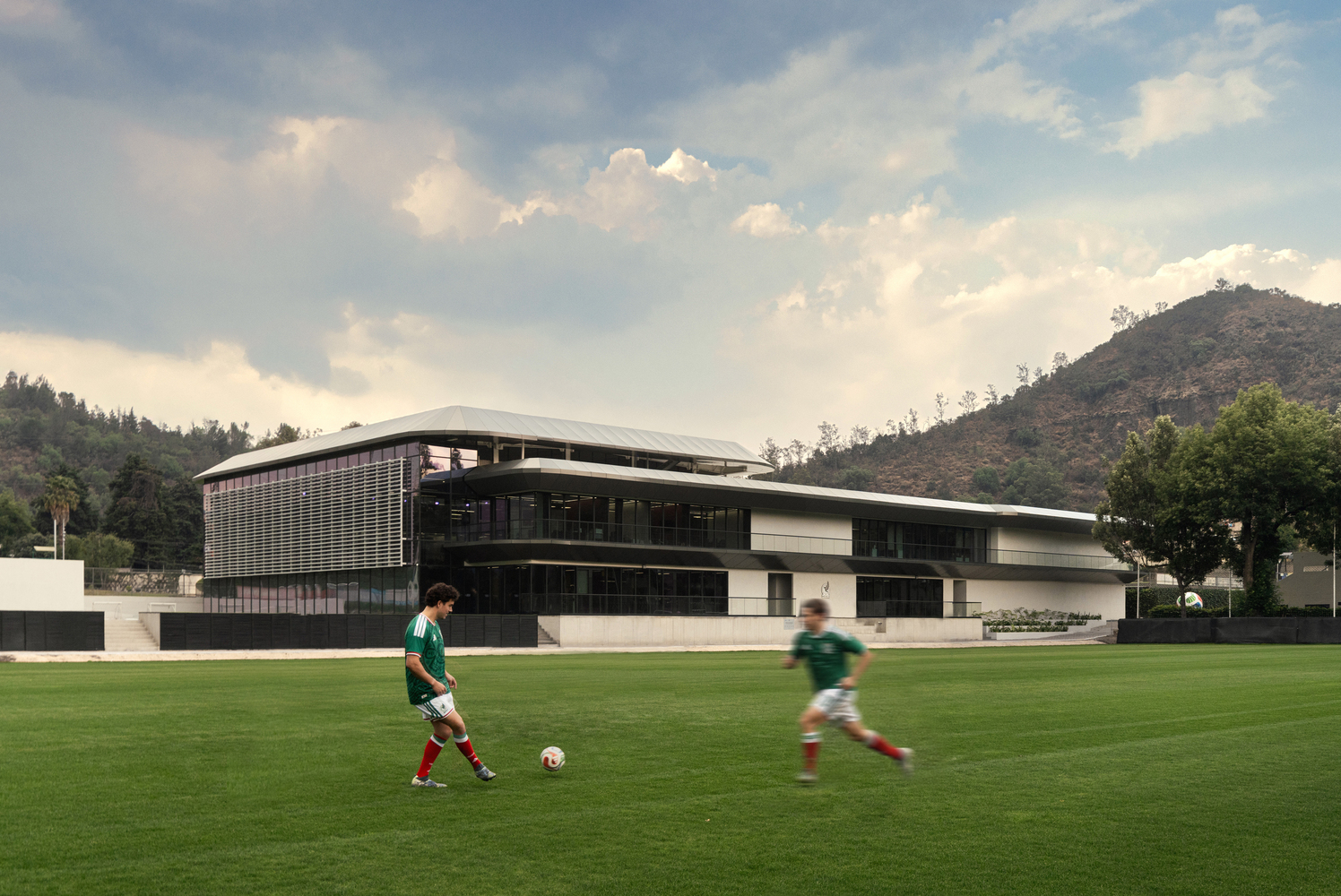
The Mexican Football Federation's reimagined High-Performance Center (CAR) sets a new global standard, optimizing operations, wellness, and athletic performance. This is a space designed to inspire pride, strengthen teams, and prepare national squads to achieve historic milestones.
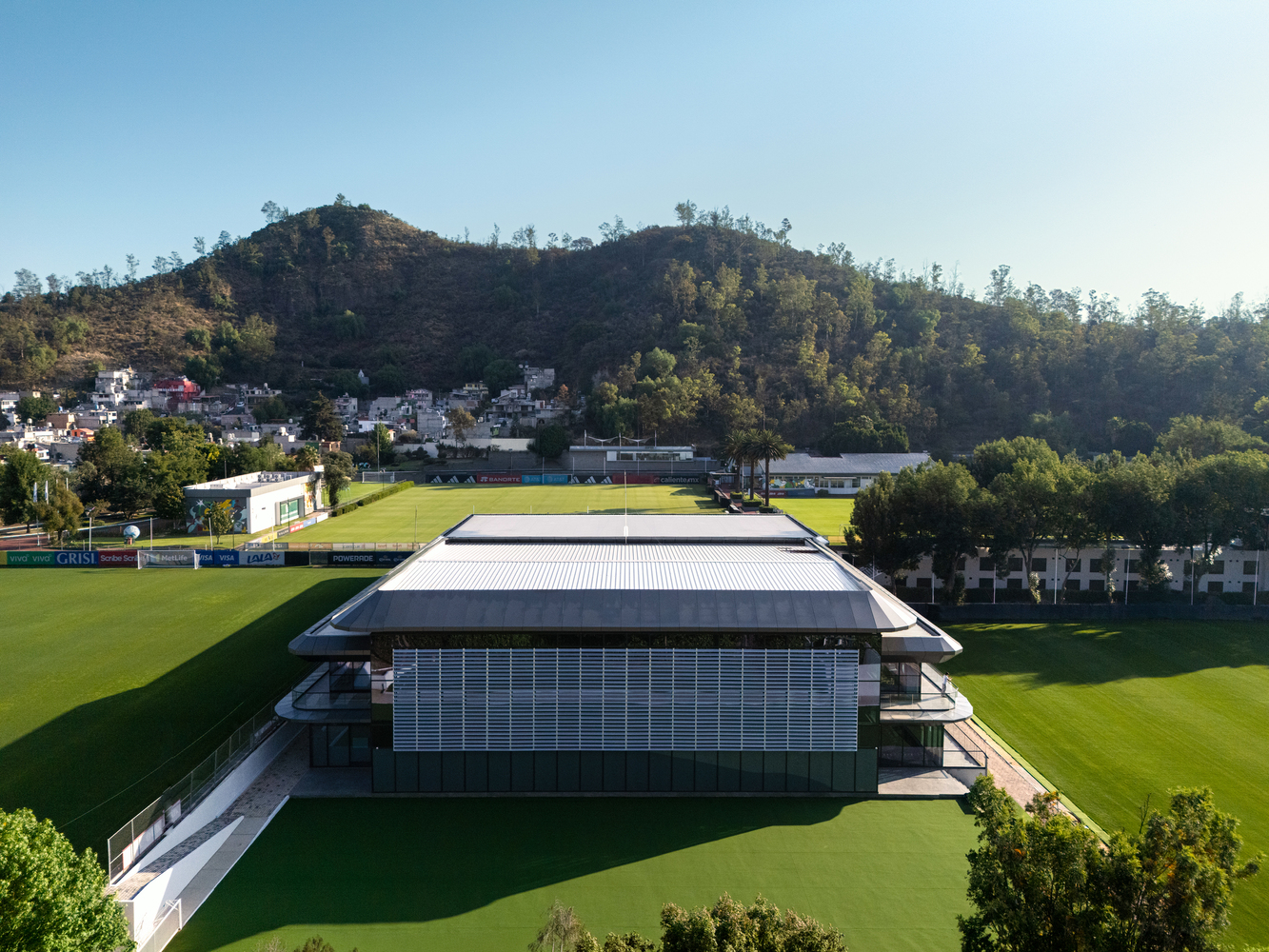
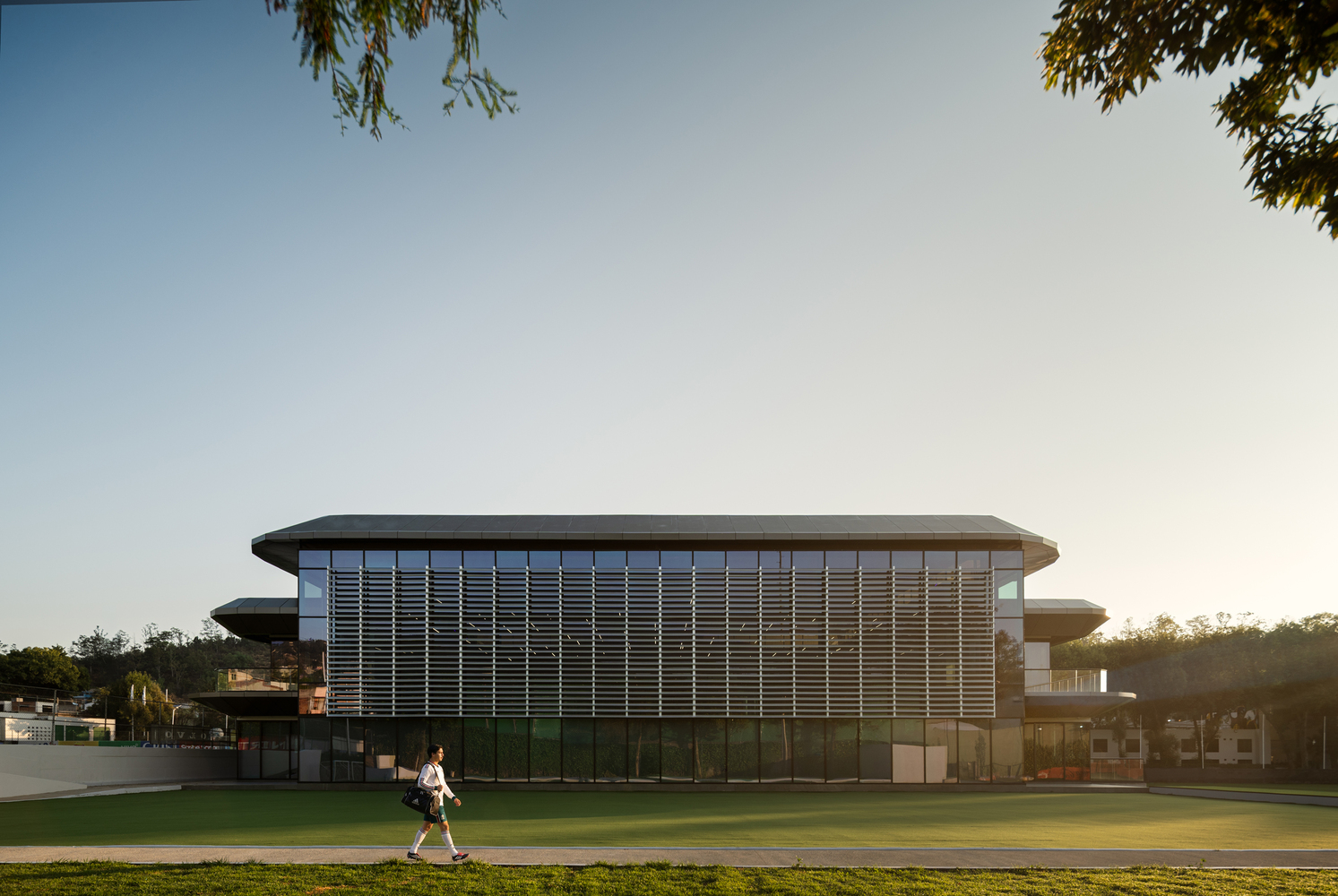
Ahead of the 2026 FIFA World Cup, the Mexican Football Federation set an ambitious goal: to transform its High-Performance Center into a world-class facility that would inspire, train, and elevate its men's and women's, senior and youth national teams to historic levels of performance.
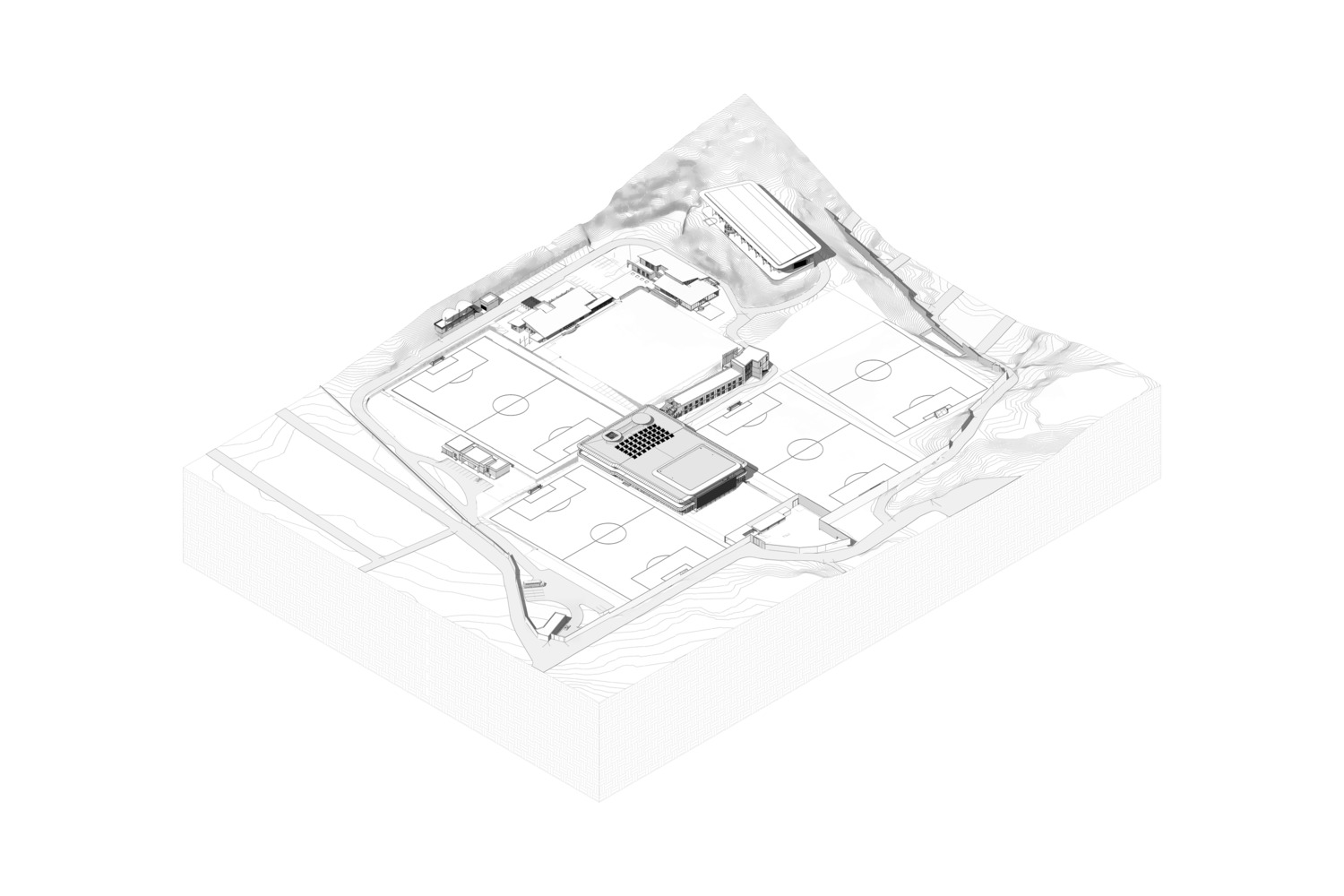
Located in Tlalpan, south of Mexico City, the campus combines fields, lodging, sports science areas, and administrative offices. Yet, its infrastructure was fragmented and outdated for the demands of modern soccer.
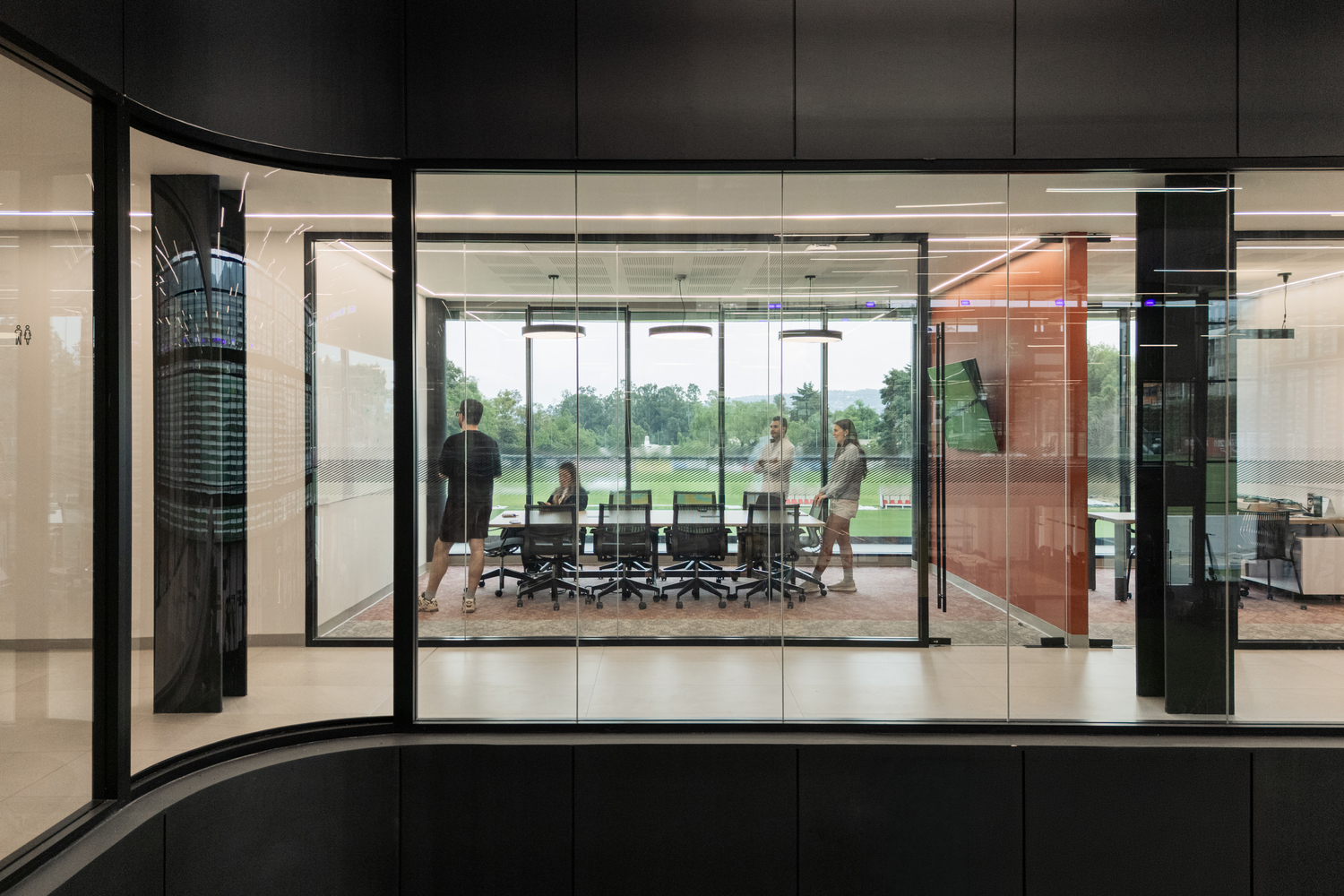
The challenge was clear: reorganize, expand, and modernize the complex to optimize daily operations, motivate players, and establish it as a global benchmark.
Gensler developed a master plan along with architectural and interior design strategies that both integrated and enhanced existing facilities while introducing new spaces focused on high performance and holistic player well-being.
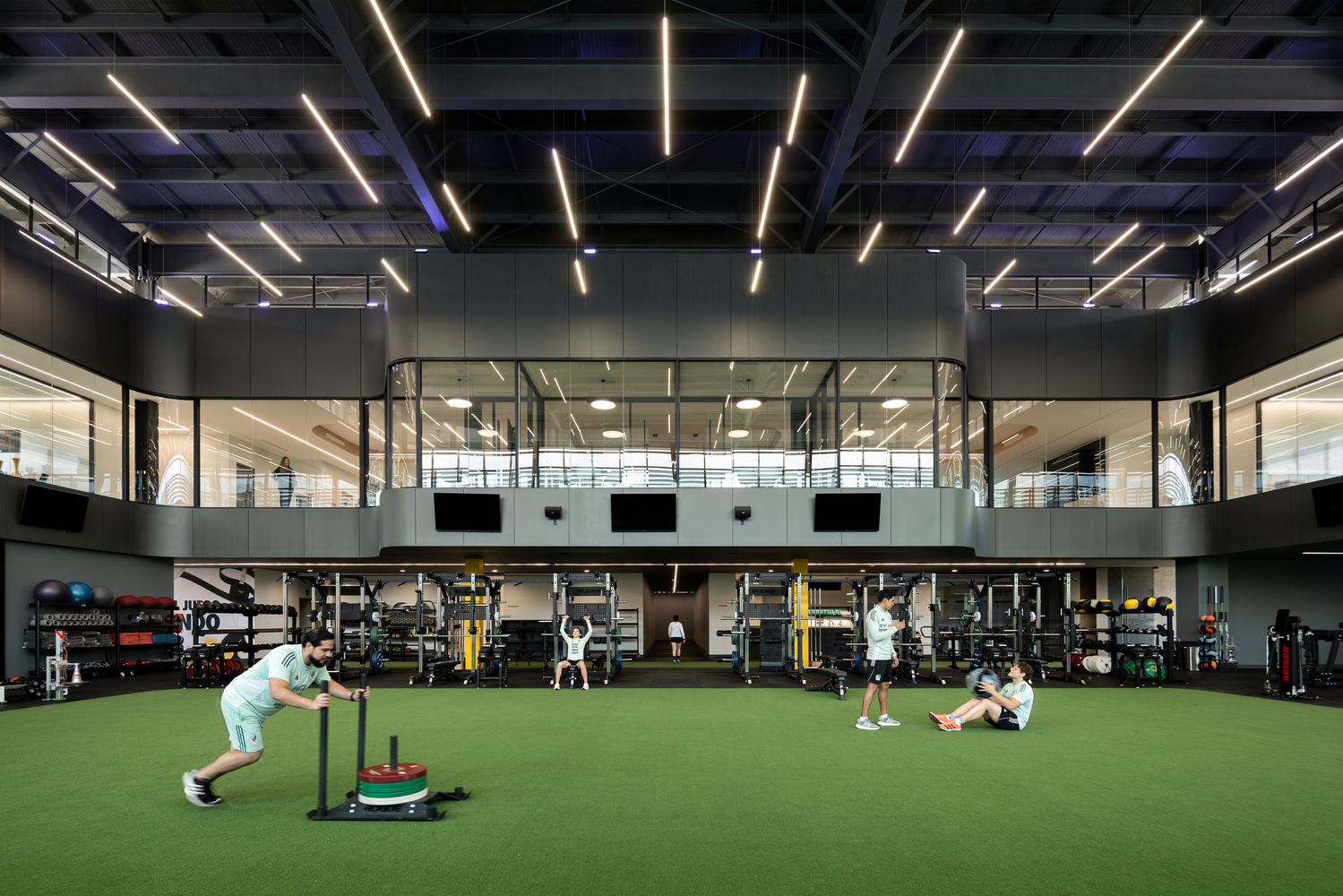
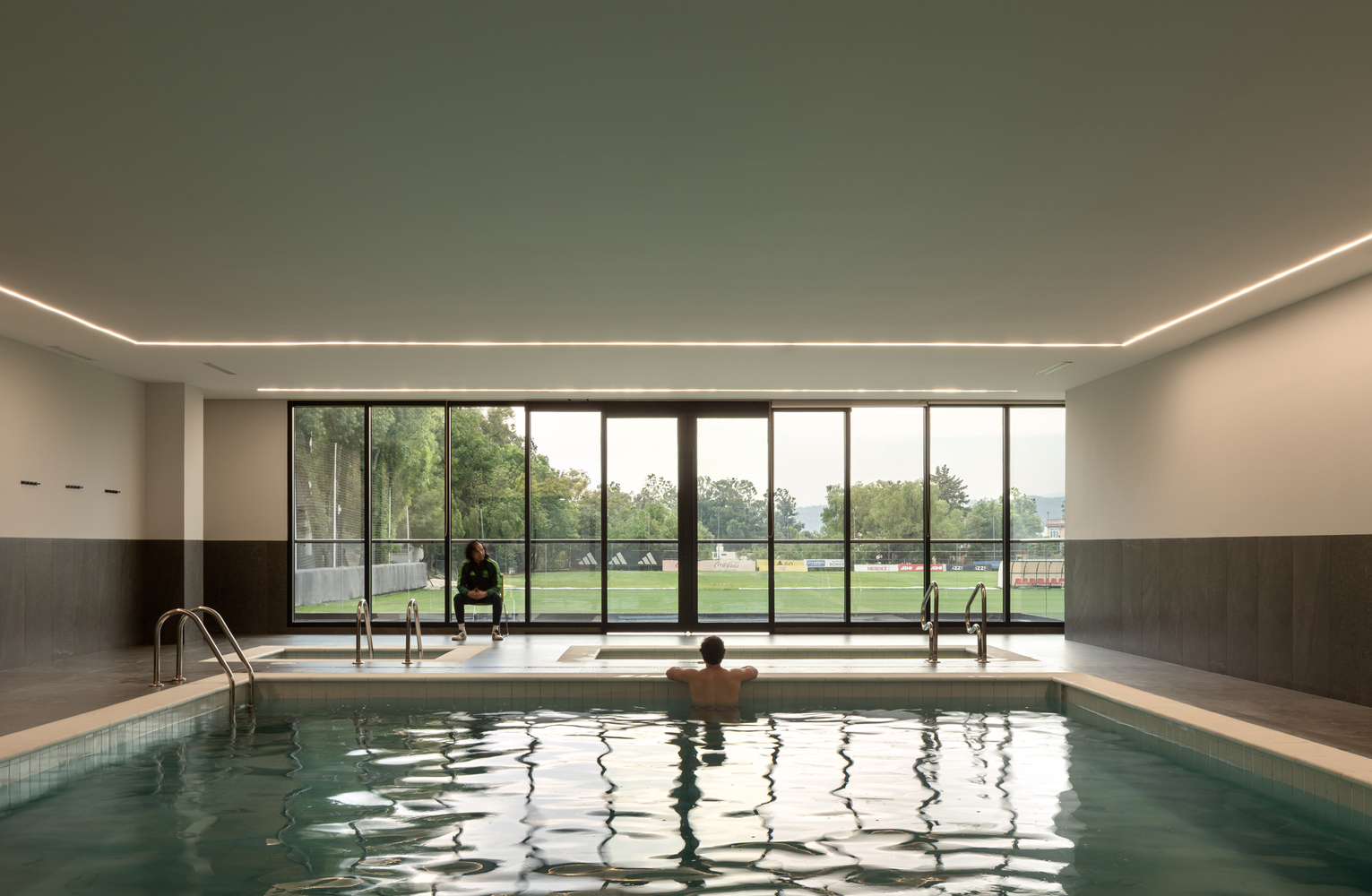
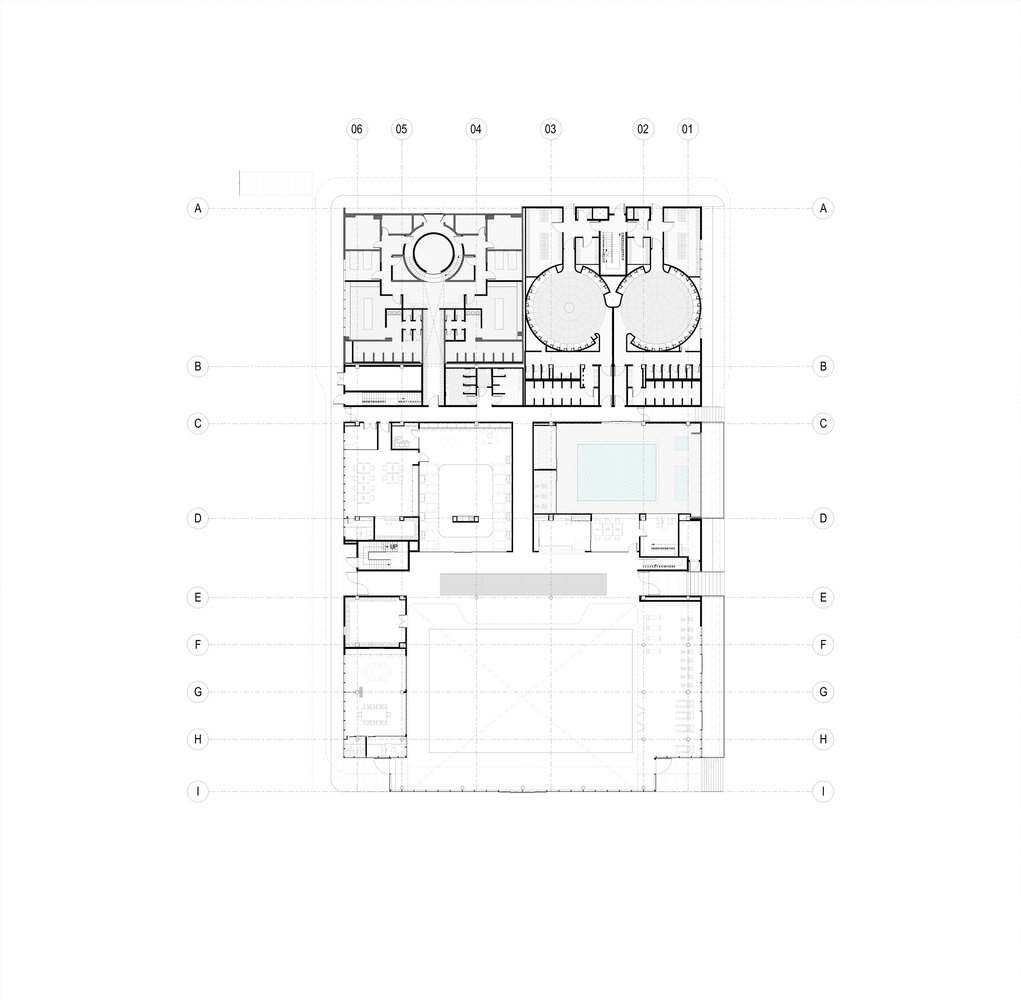
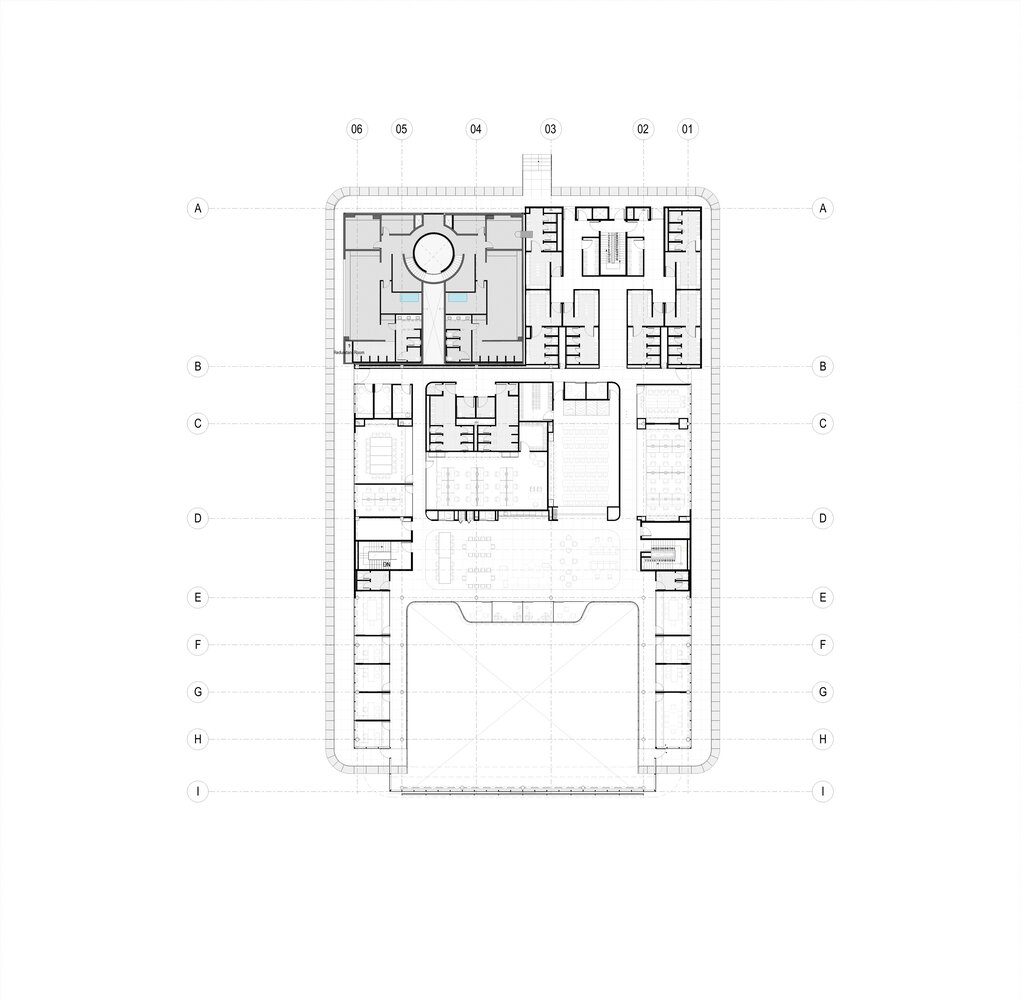
The design reorganized the campus to create a logical flow for daily routines, improving circulation and fostering seamless connections between training and recovery areas.
Strategic zoning clearly distinguishing public from private spaces, and active areas dedicated to physical training from passive zones for rest, nutrition, and recreation.
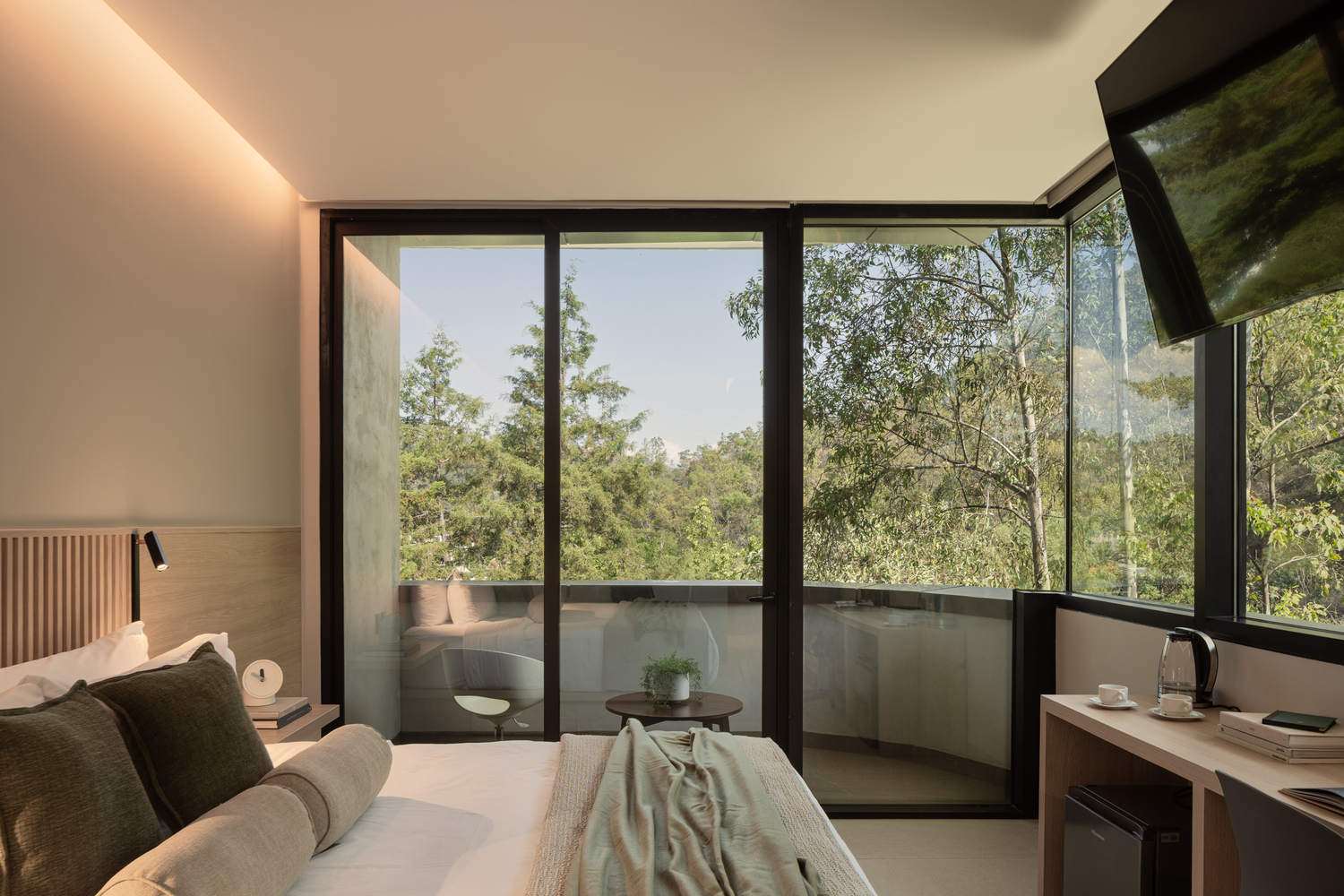
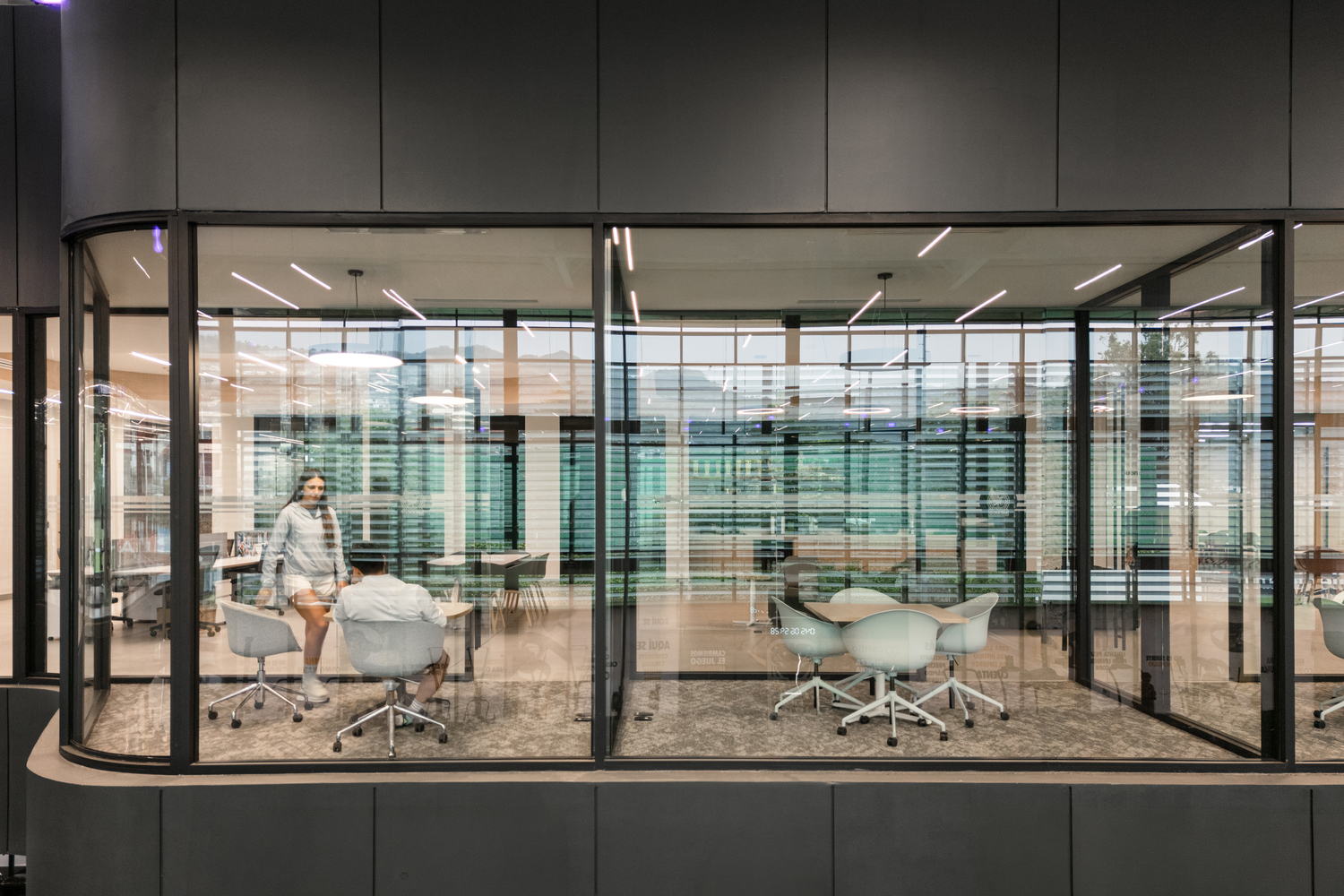
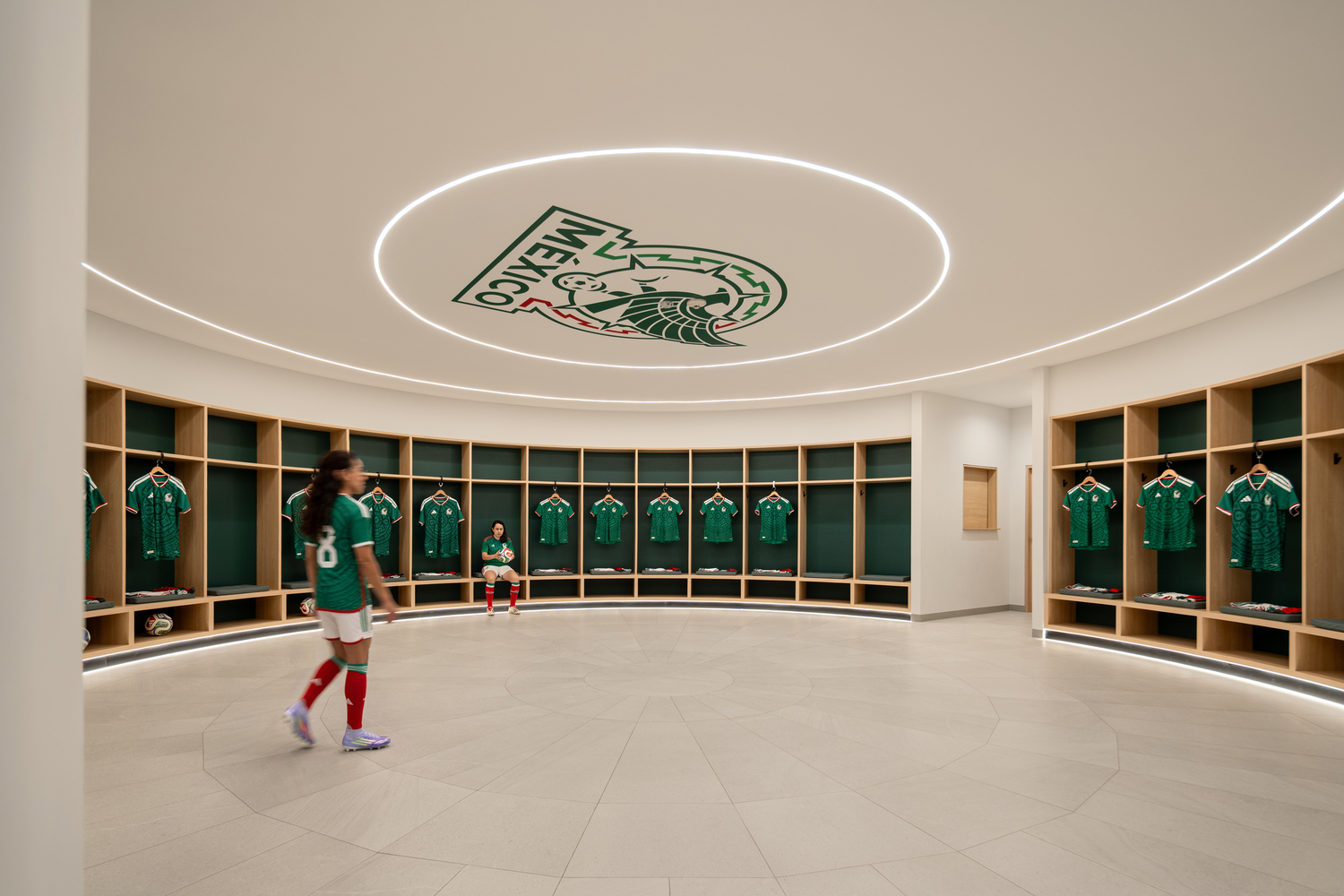
Dormitories for senior and youth squads, the dining hall, locker rooms, gym, press rooms, and specialized facilities for physiotherapy, hydrotherapy, nutrition, psychological support, and lactation were modernized and expanded.
Each intervention incorporated an architectural narrative that communicates the pride and symbolic weight of representing Mexico, making the CAR feel like an extension of each player's home.
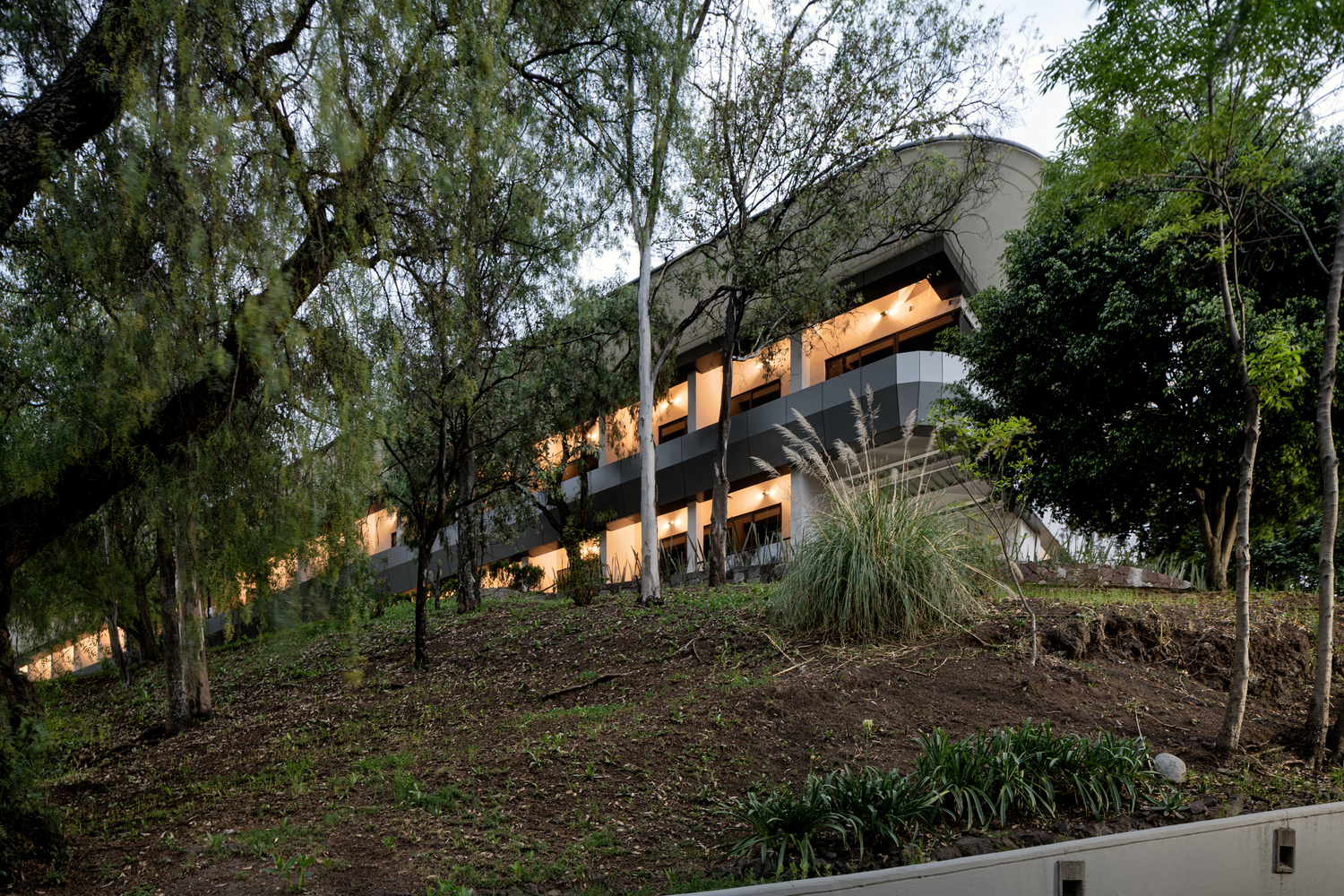
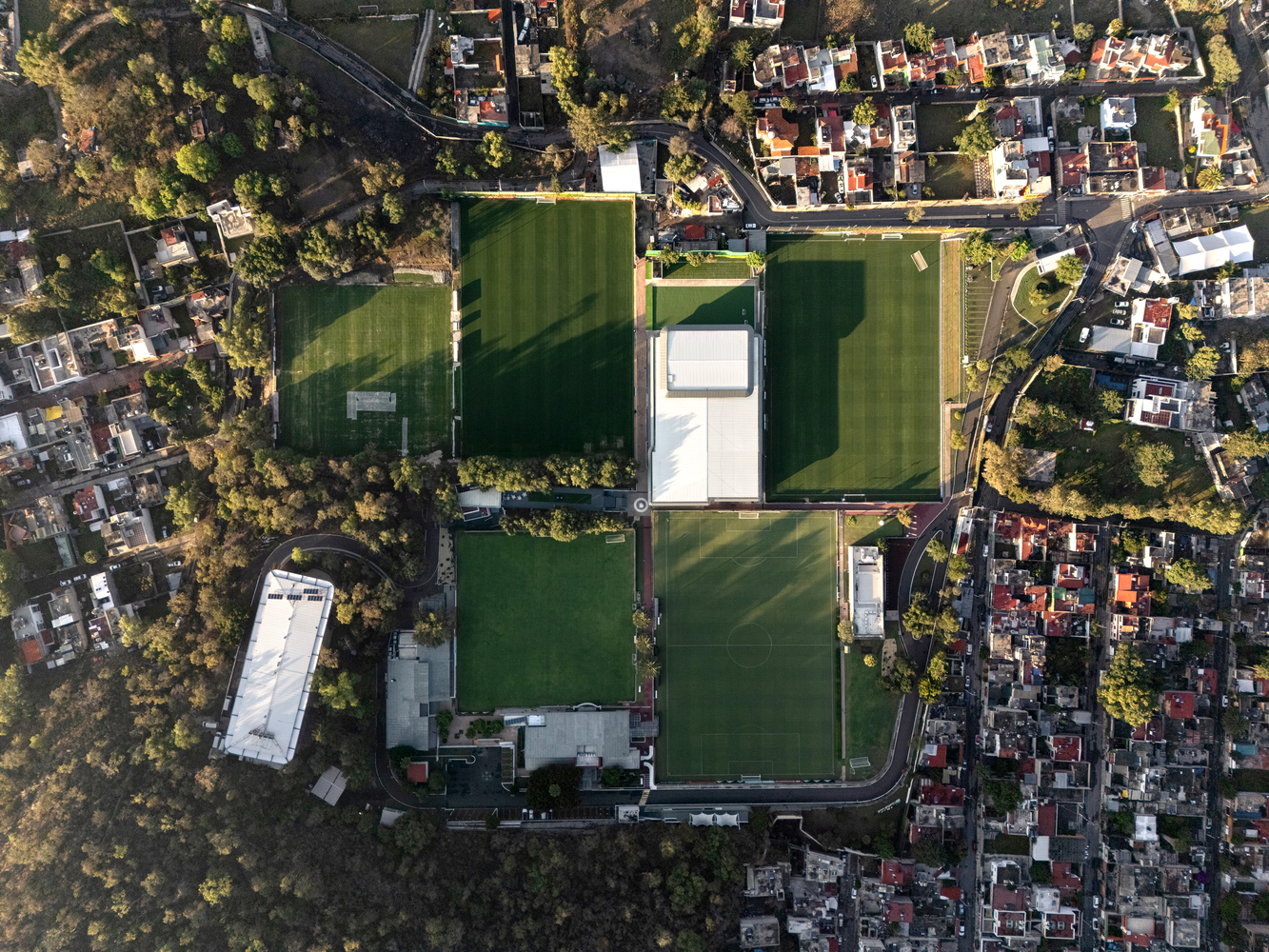
The design maximized existing structures and incorporated sustainable strategies, including solar panels, cross ventilation, natural lighting, views, and terraces—reflecting a commitment to both sustainability and inclusivity.
The new CAR is more than a sports complex—it is the operational and emotional heart of Mexican soccer. Its design elevates player performance, strengthens team cohesion, and creates an experience that inspires excellence both on and off the field.
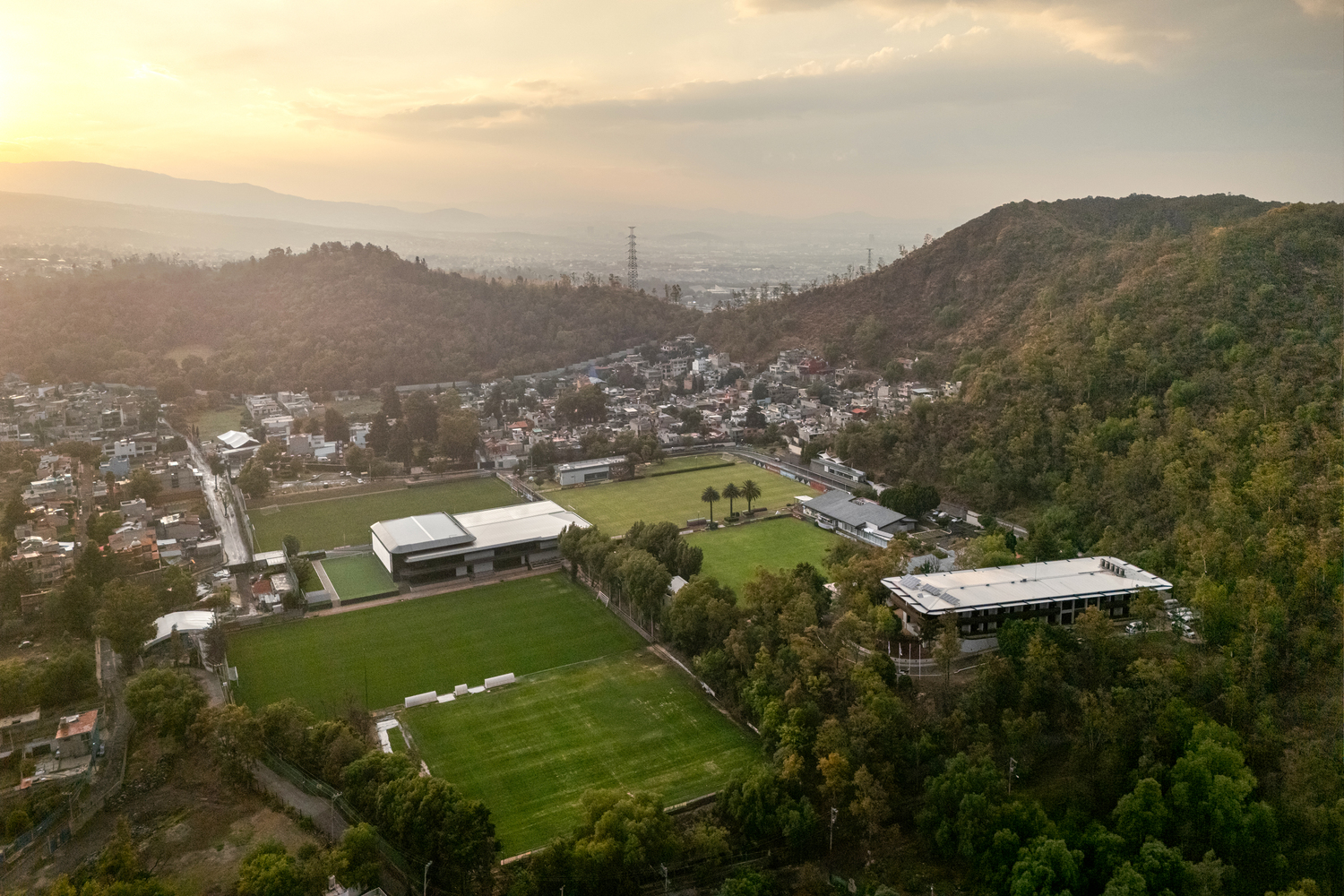
The campus is equipped to meet the demands of contemporary soccer and supports the Federation's vision of achieving new milestones on the international stage.
This project represents a long-term investment: a space conceived to cultivate generations of players who will push Mexican soccer beyond historic barriers and into the future.