

As Seen Below – The Dome, A Skyspace
AS SEEN BELOW – THE DOME, A SKYSPACE
James Turrell, Schmidt Hammer Lassen Architects
ARCHITECTS
James Turrell, Schmidt Hammer Lassen Architects
LANDSCAPE ARCHITECT
Schønherr
ENGINEER
Cowi A/S
CONTRACTOR
Per Aarsleff A/S
CLIENT ADVISOR
Kuben Management A/S
CLIENT
City Of Aarhus, Culture And Citizen Services, And Aros Aarhus Art Museum
PHOTOGRAPHS
Adam Mørk, Tina Sørensen
AREA
4000 m²
YEAR
2026
LOCATION
Aarhus, Denmark
CATEGORY
Public Space, Museum, Installation
English description provided by the architects.
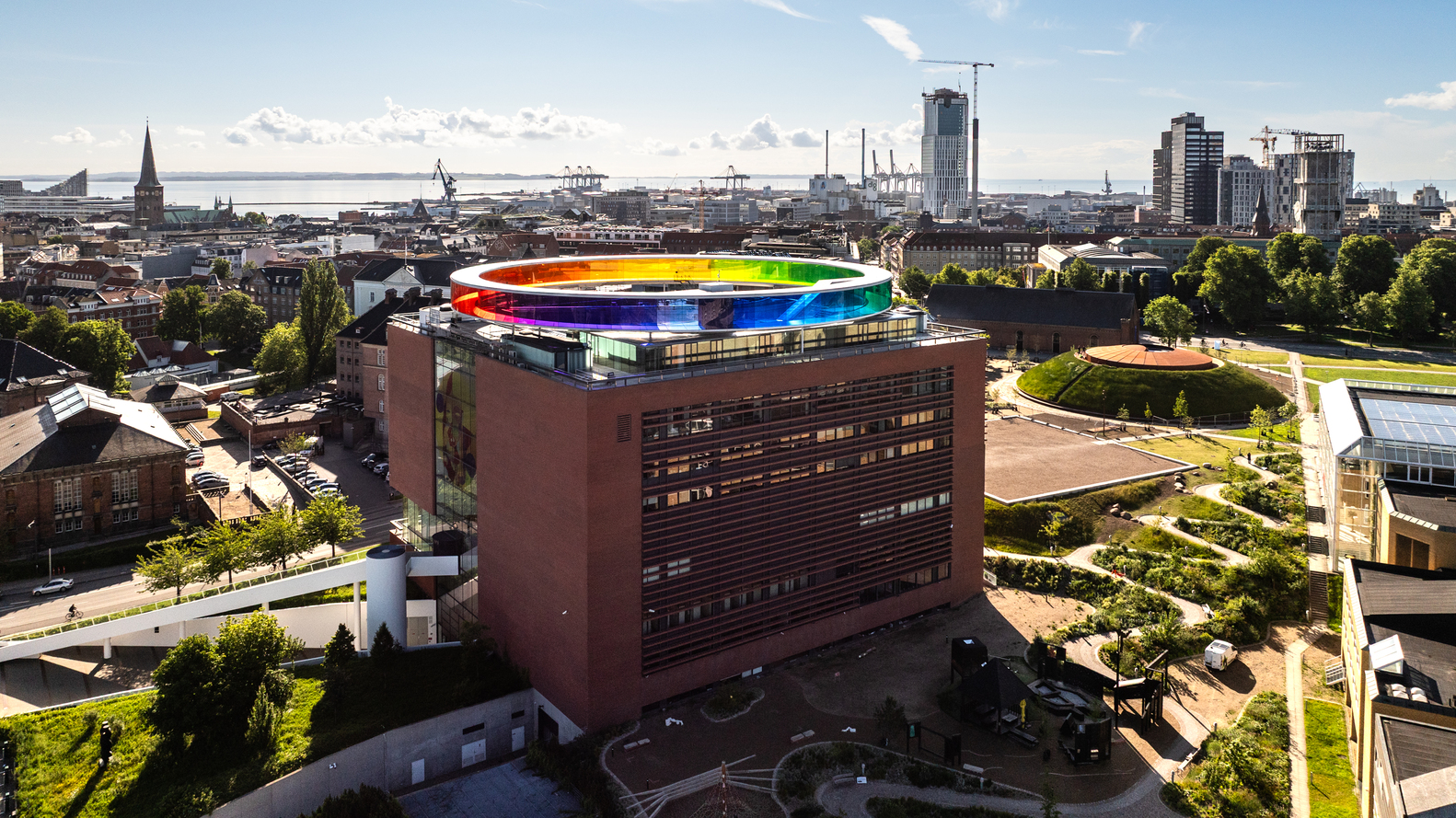
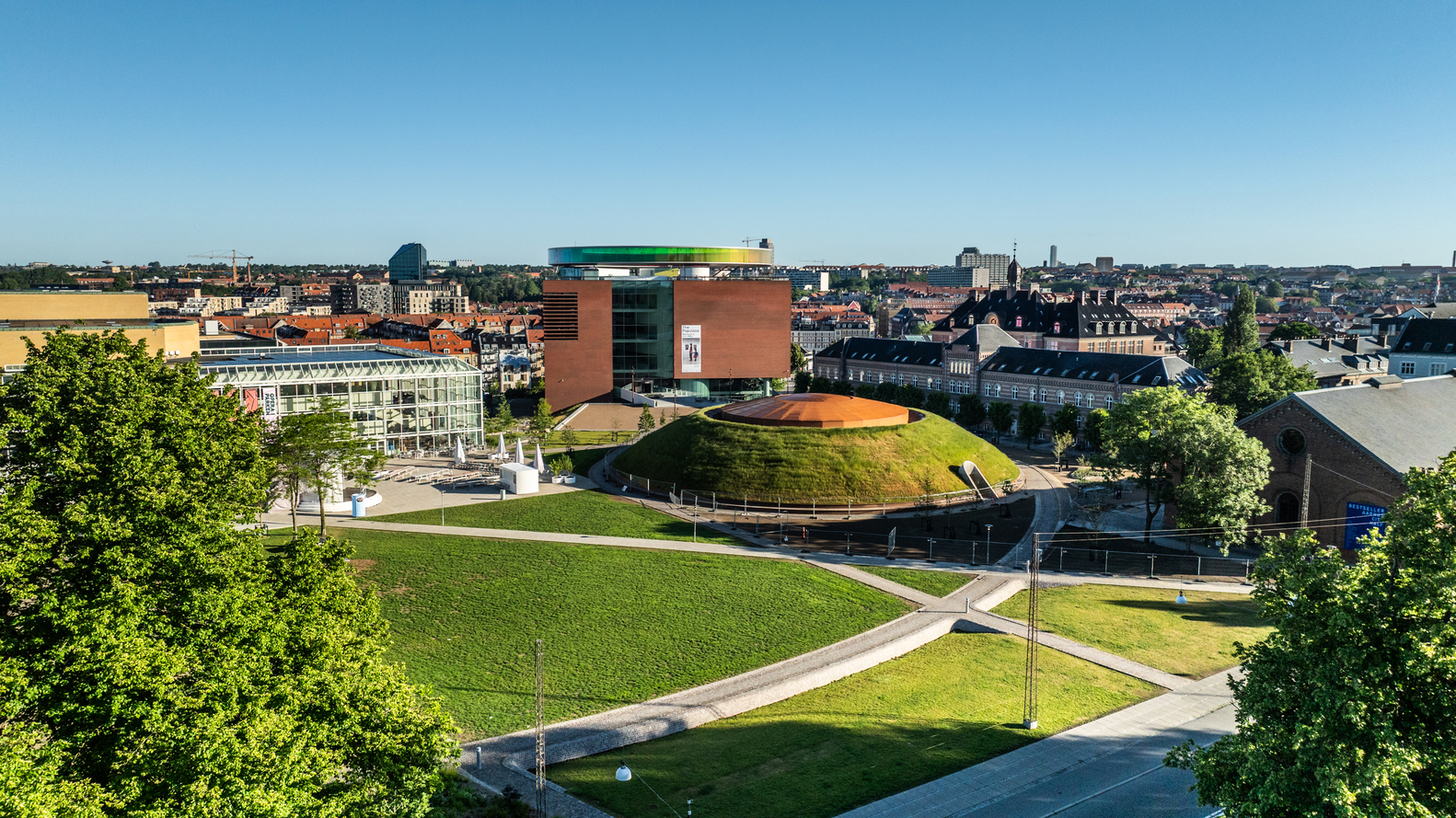
With As Seen Below, ARoS gains a new international landmark work by one of the most influential artists of our time, James Turrell.
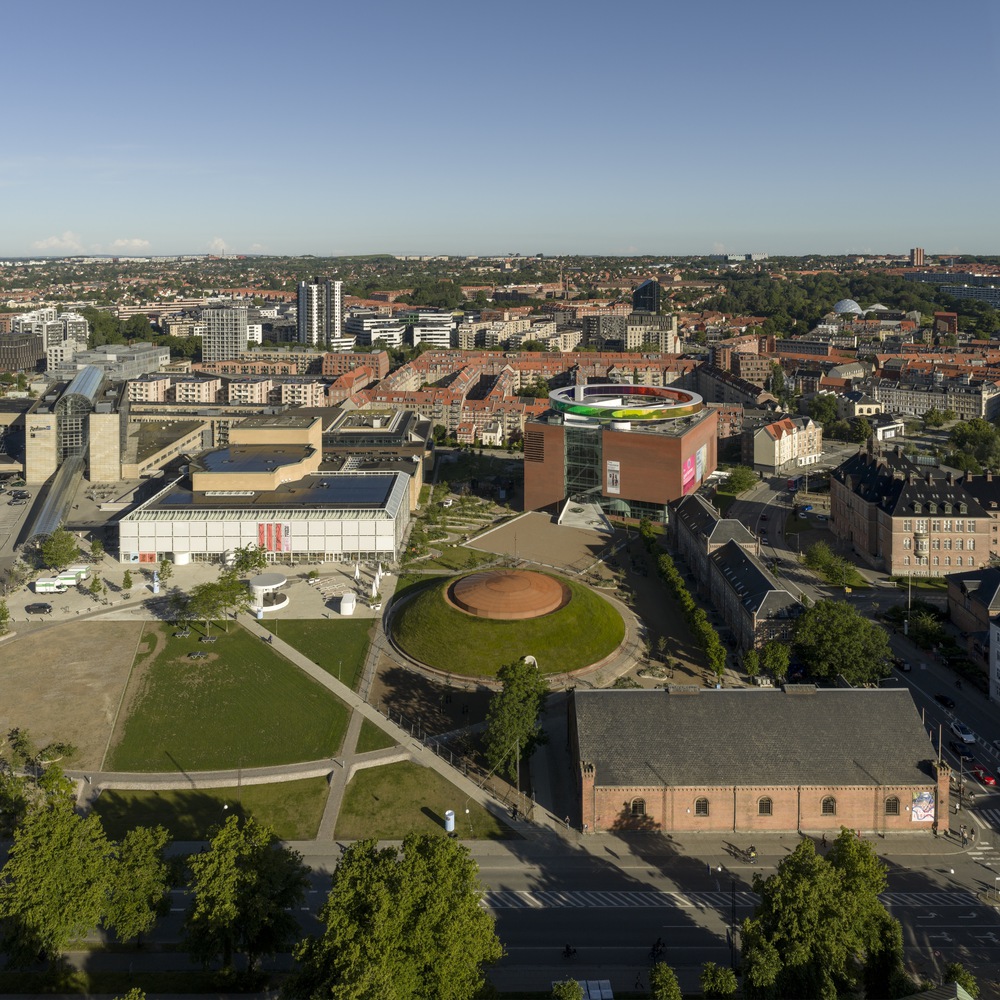
The installation represents the culmination of the museum's approximately 4,000-square-metre underground expansion and reinforces ARoS' position as an international destination where art, architecture, and experience converge.
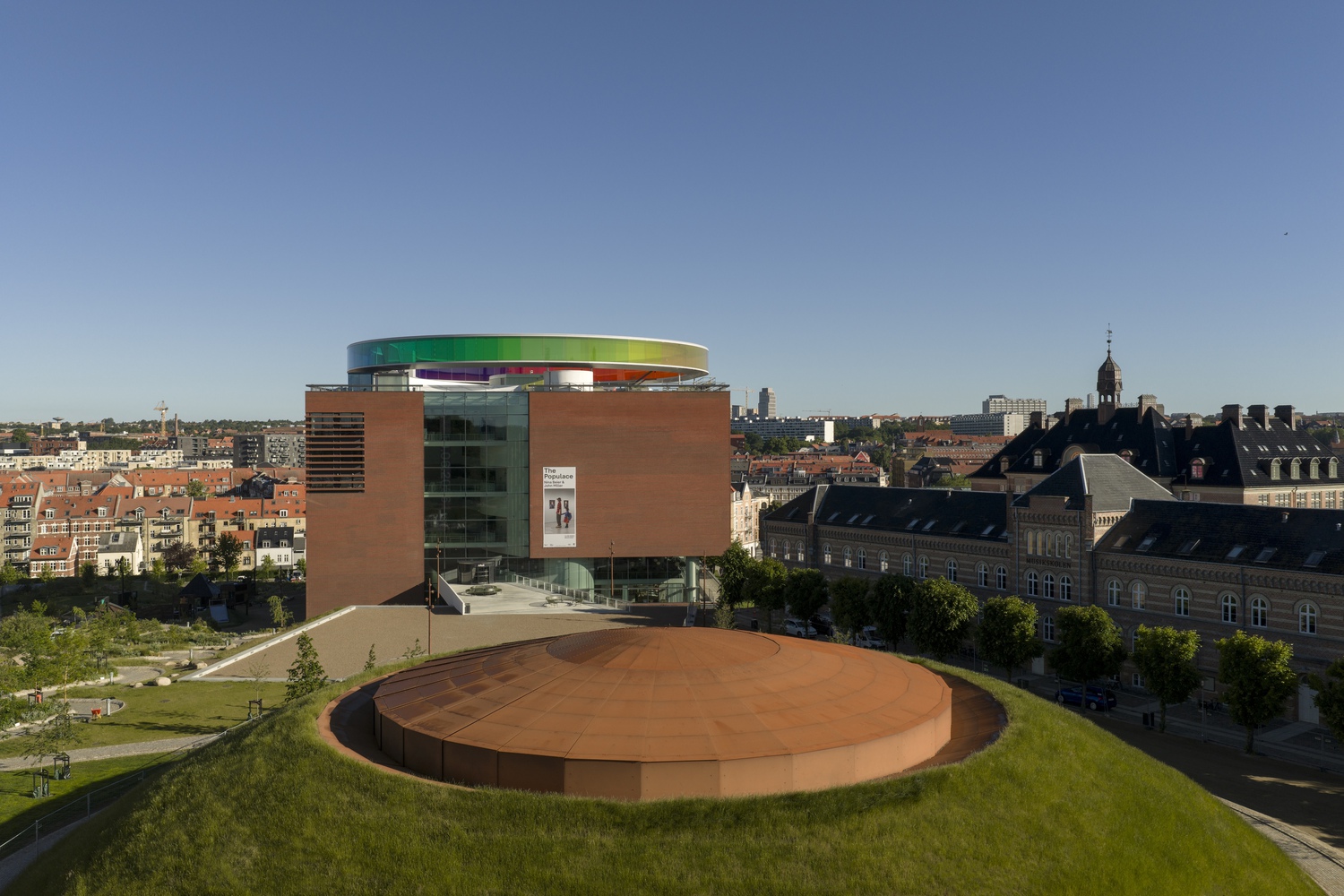
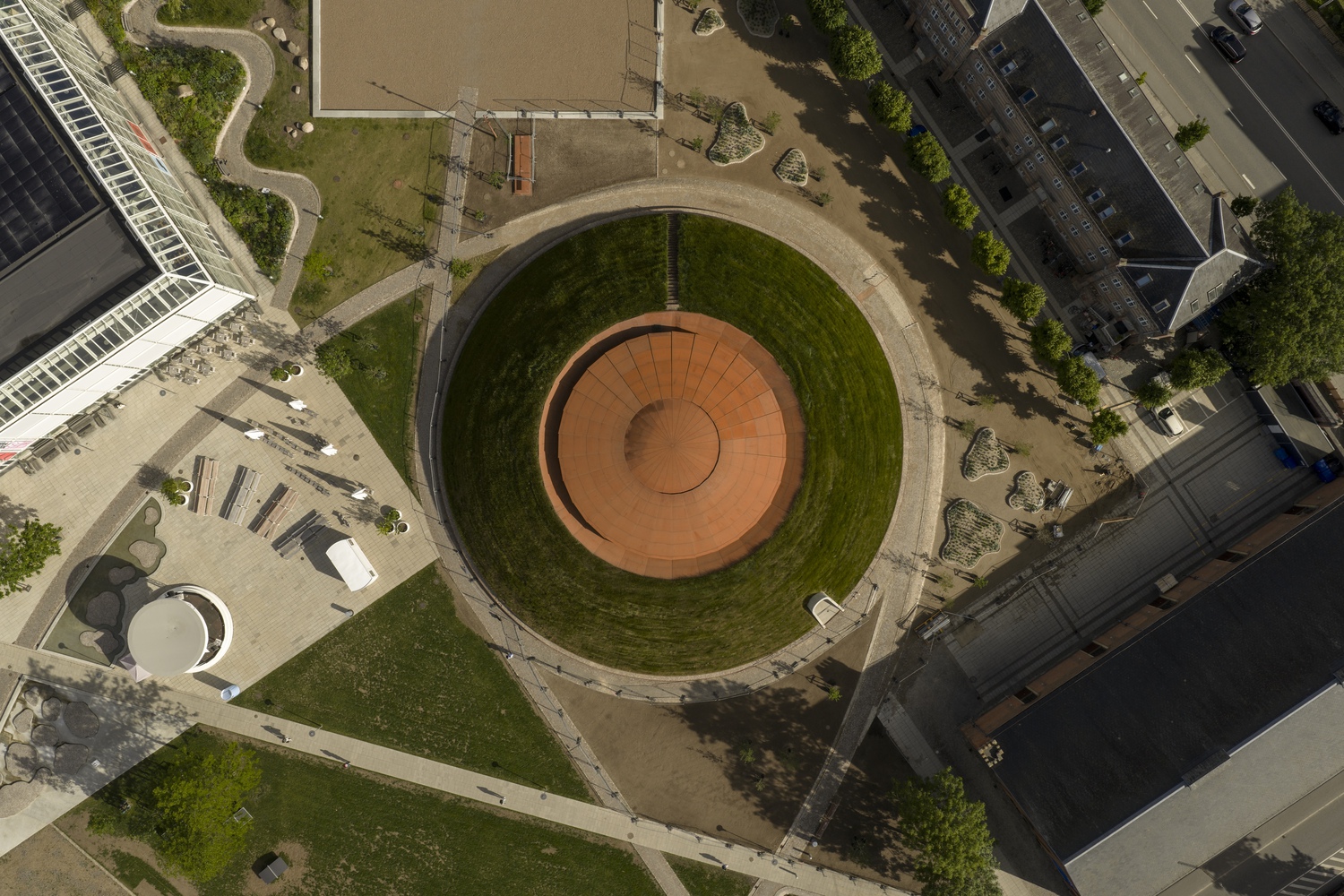
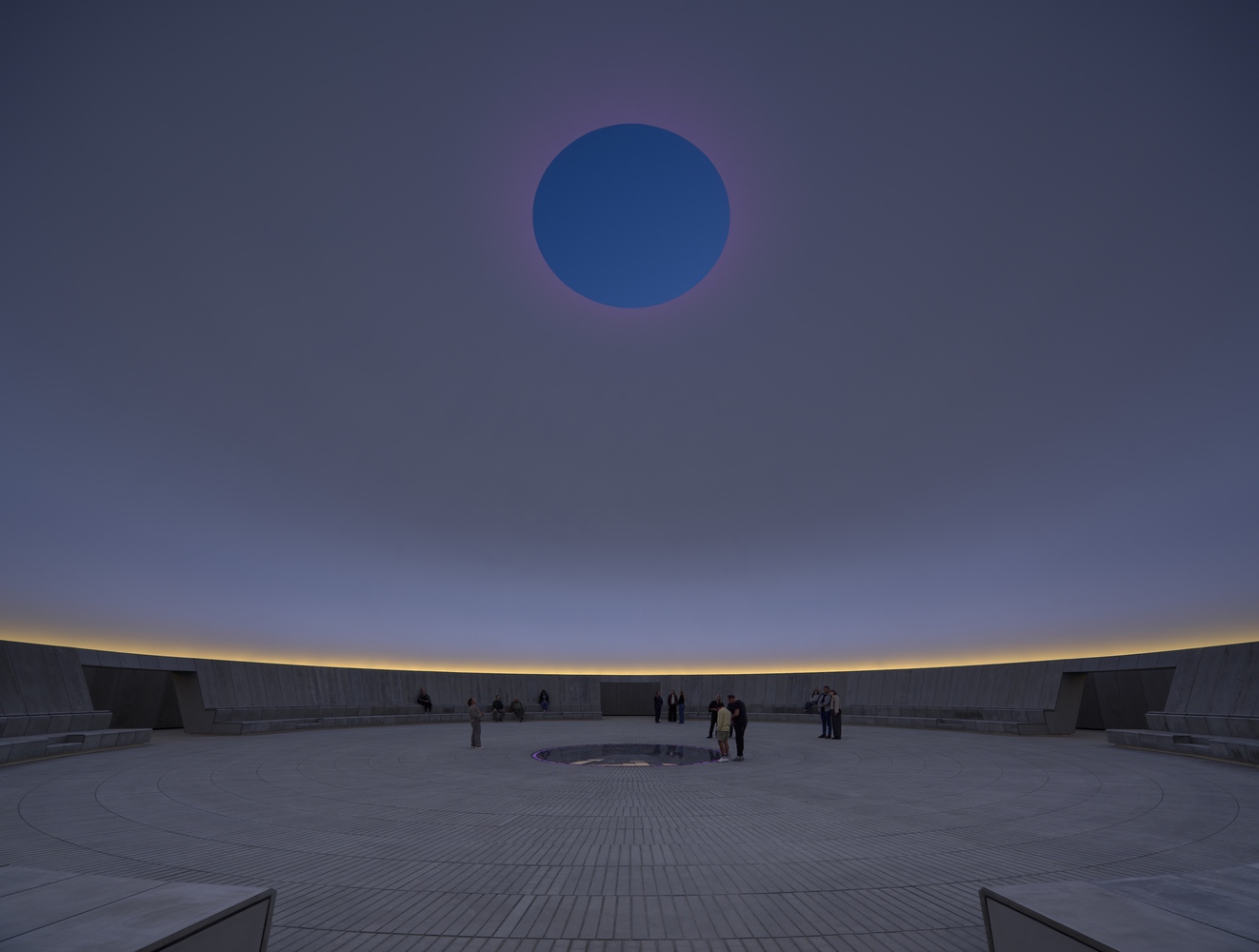
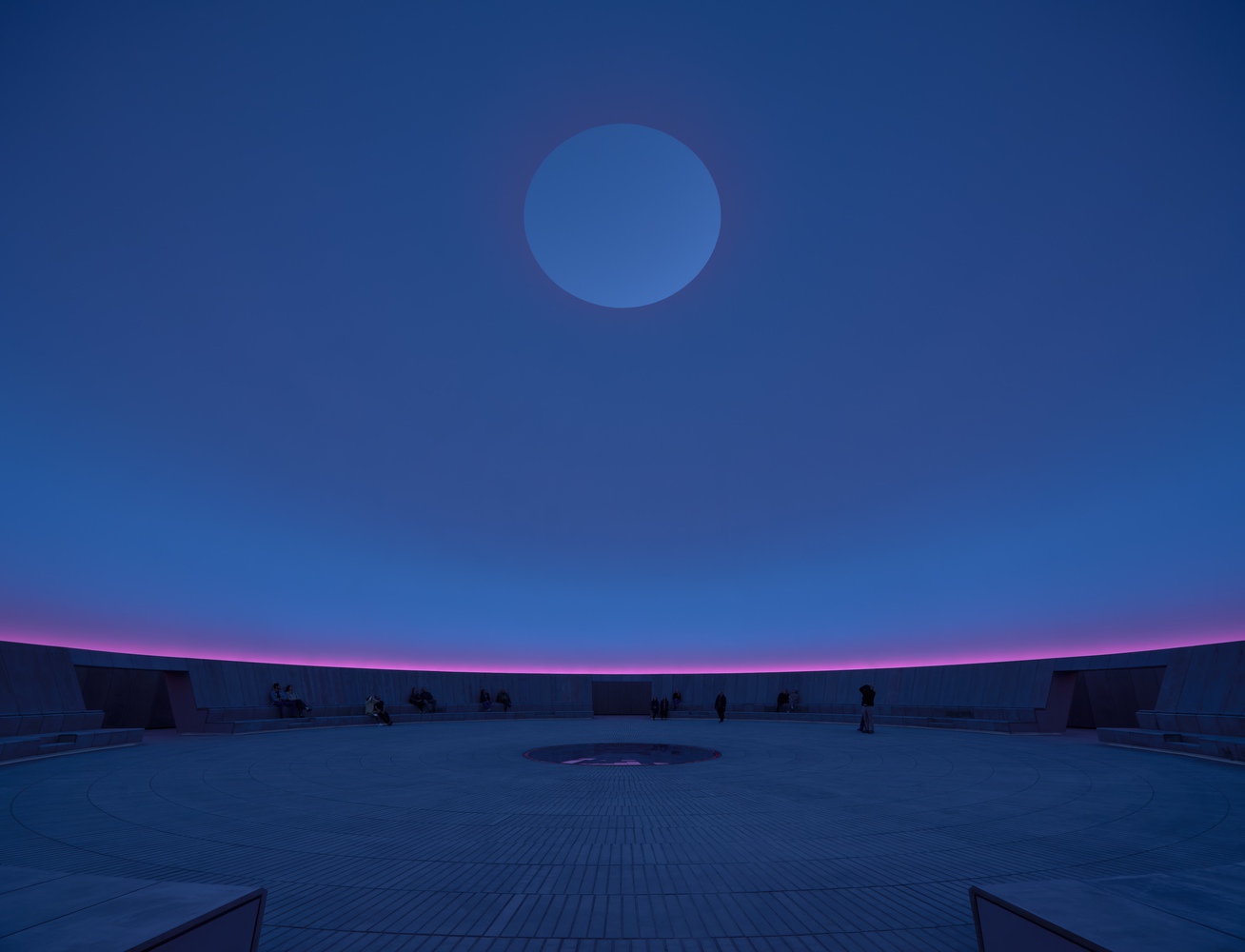
Rising 16 meters high and spanning 40 meters in diameter, As Seen Below is the largest Skyspace ever realised within a museum setting.
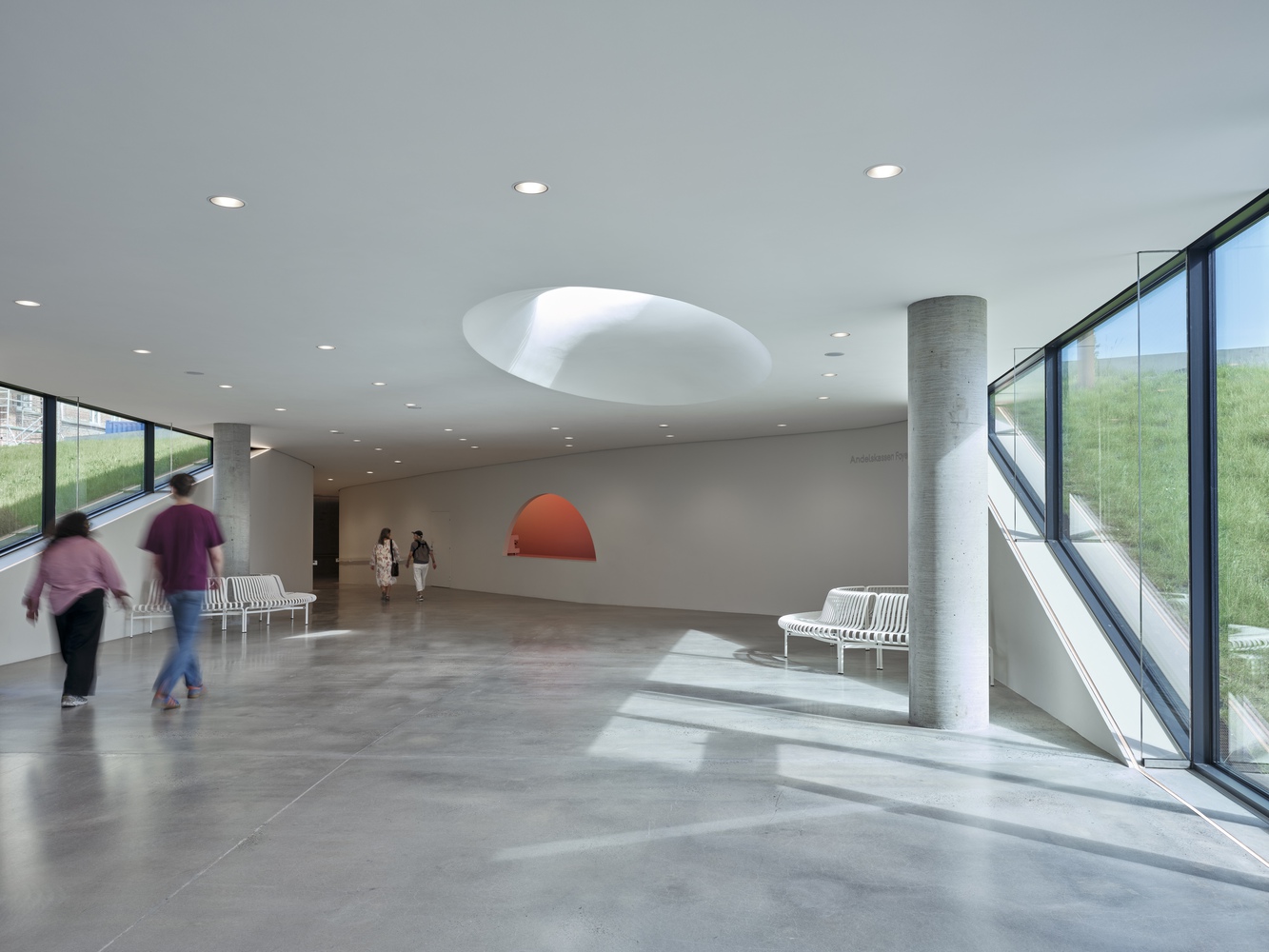
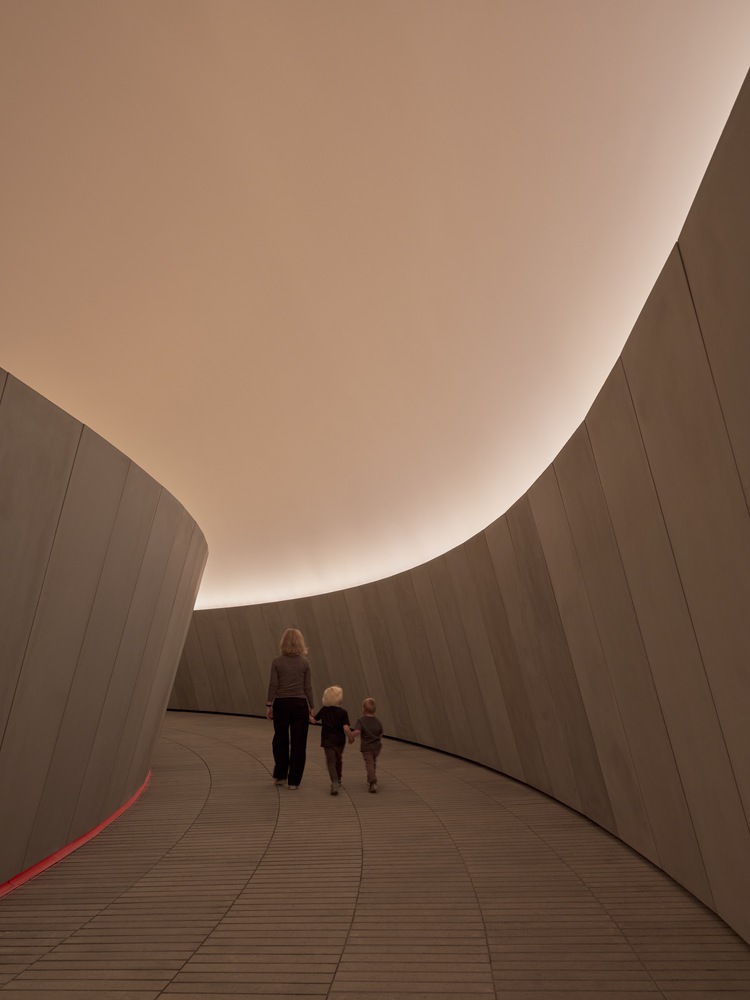
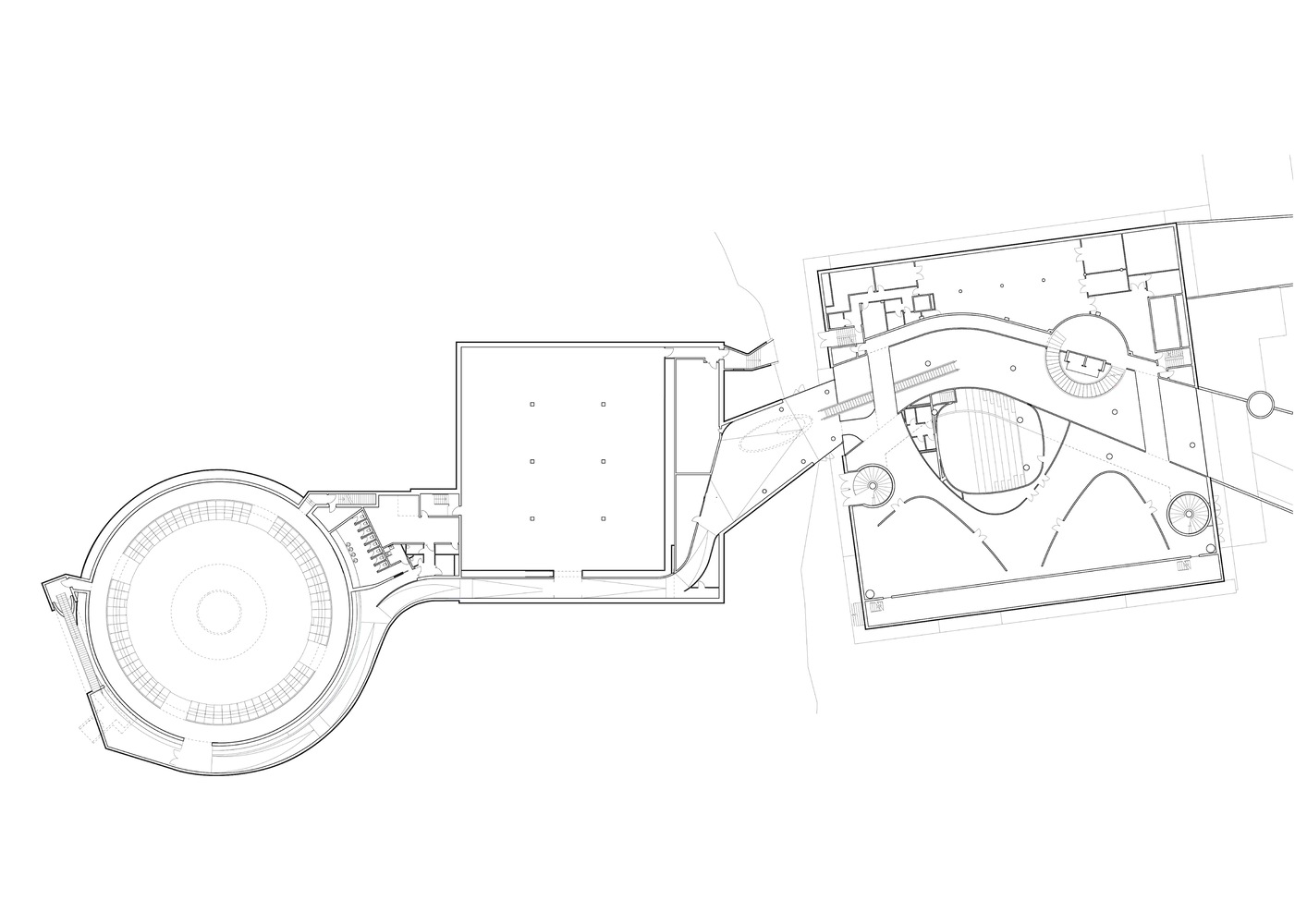
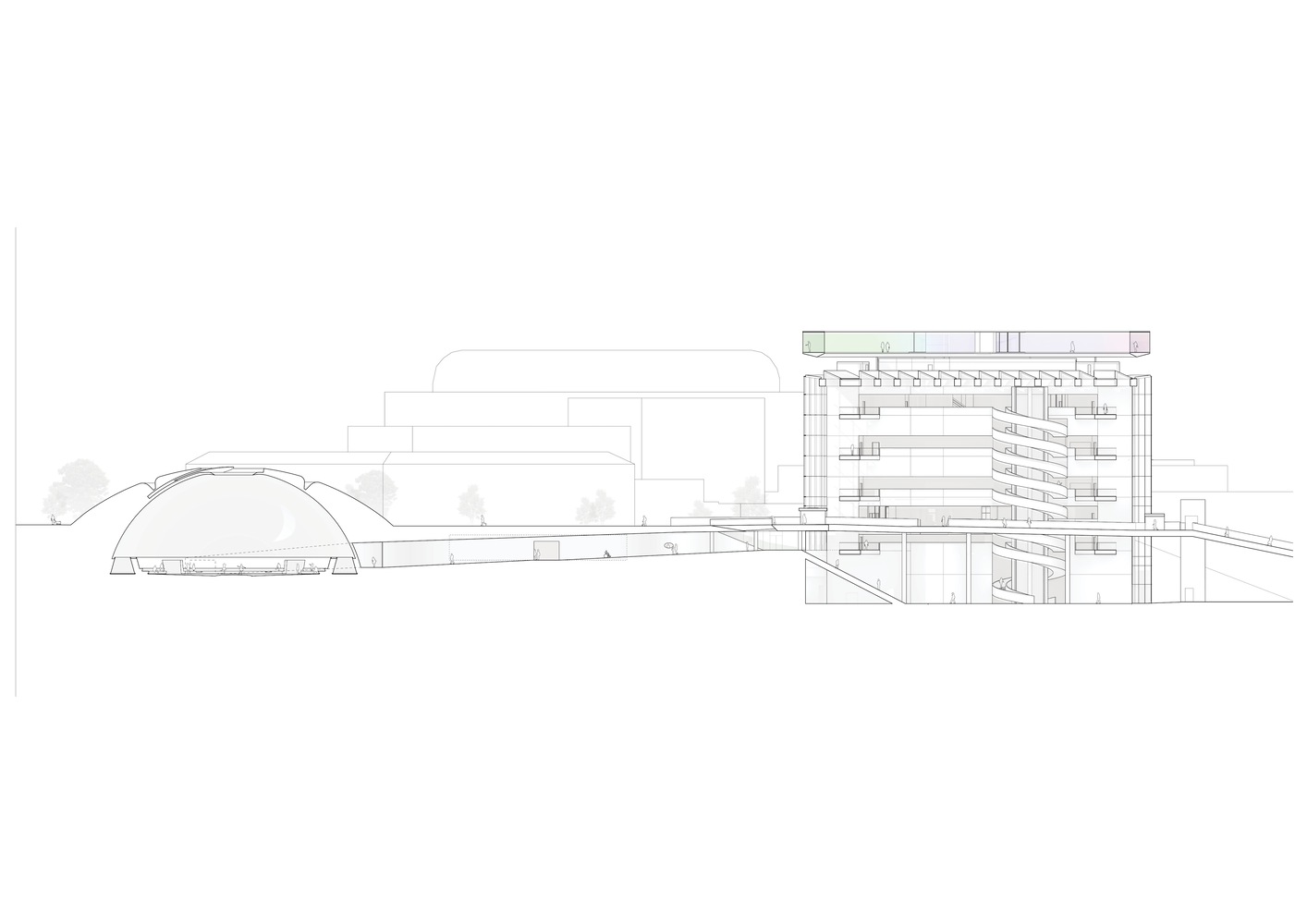
The work is accessed through an underground passage that leads visitors into the monumental dome chamber, where Turrell's characteristic light compositions envelop the space and frame the sky through an opening at the apex of the dome.
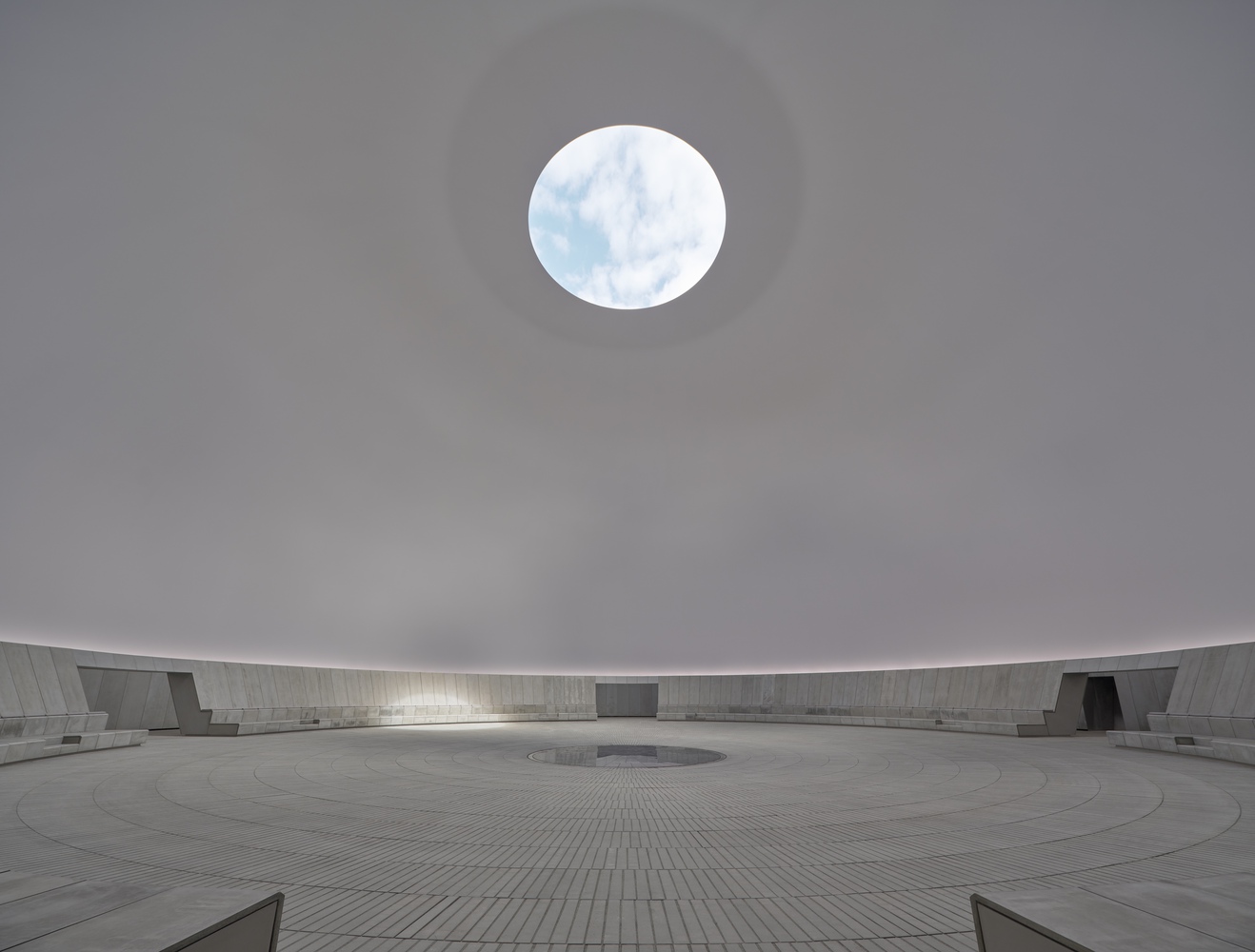
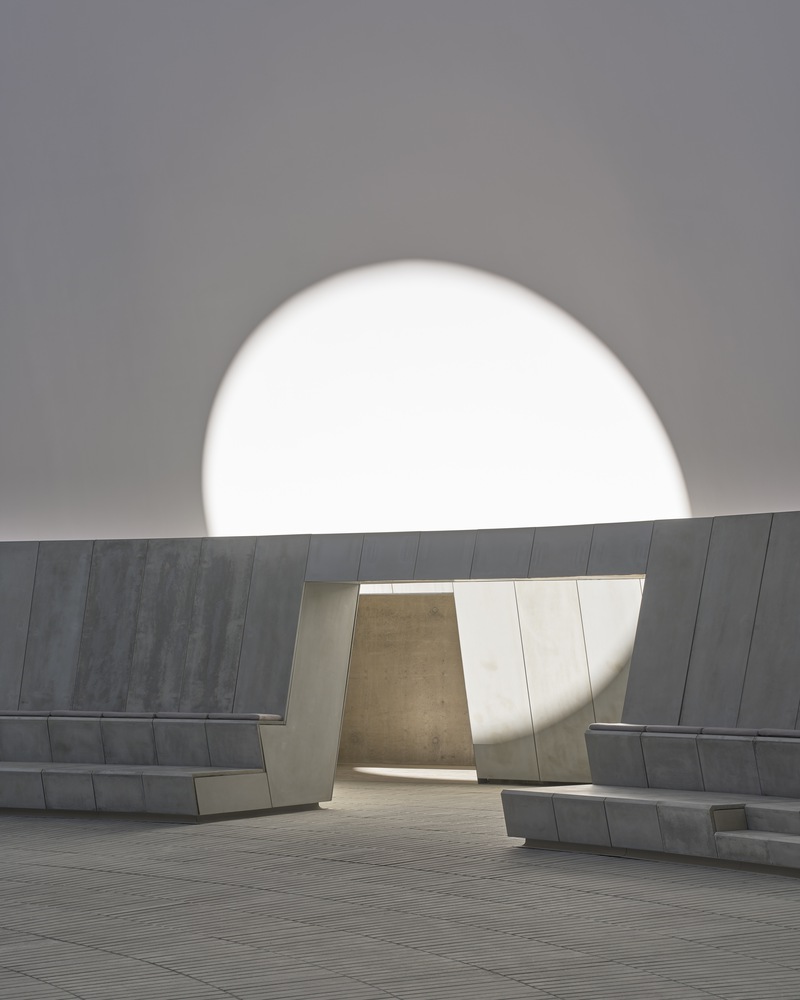
In As Seen Below, "I'm shaping the experience of seeing rather than delivering an image," Turrell explains.
"The architecture holds the sky close, so you recognize that the act of looking is the work itself. Here, light isn't description, it's the substance you stand within."
AN EXTRAORDINARY COLLABORATION BETWEEN MUSEUM, ARTIST, AND ARCHITECT
As Seen Below is the result of a collaboration unlike most museum projects.
Whereas architecture is typically developed first and artworks later integrated into the completed framework, the artwork and architecture here have evolved side by side over the course of more than a decade.
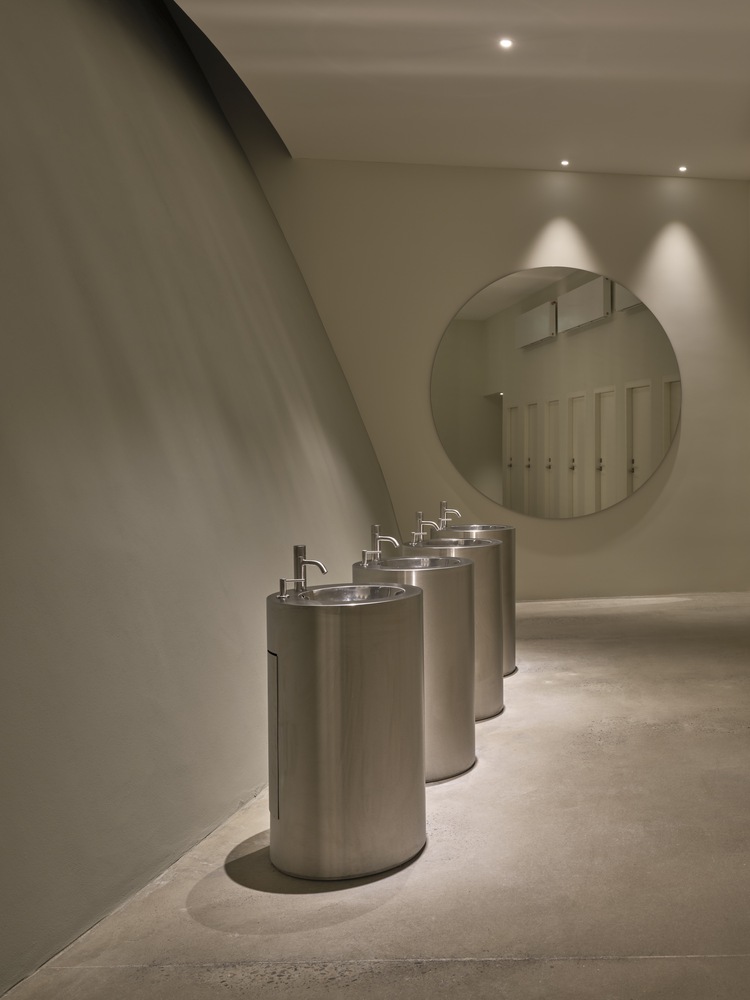
The architecture is not merely a container for the work; it is a prerequisite for its existence.
From the dome's proportions and its opening towards the sky to its lighting, materials, and the atmosphere leading visitors towards the experience, every element has been developed as an integral part of a unified whole.
While the original museum building is organised around a vertical journey through galleries ascending from the base to the top of the museum, The Next Level introduces a new horizontal movement.
The experience begins with a passage from light into darkness beneath the ground, where the absence of daylight and the gradual descent build anticipation for the encounter with light and sky as experienced from within the dome itself.
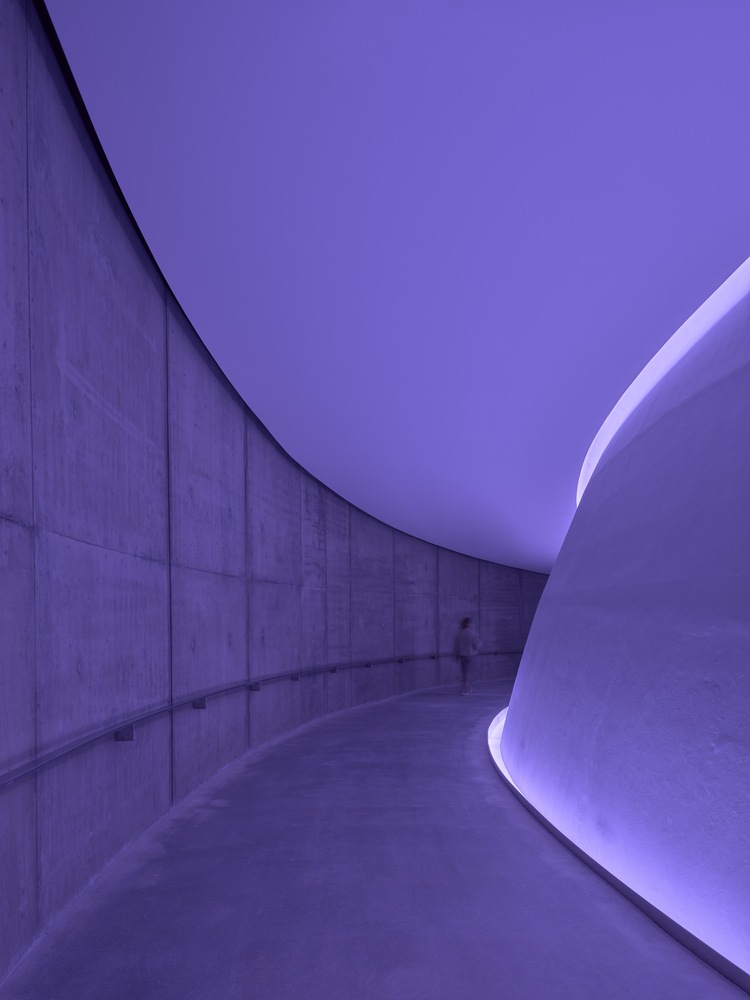
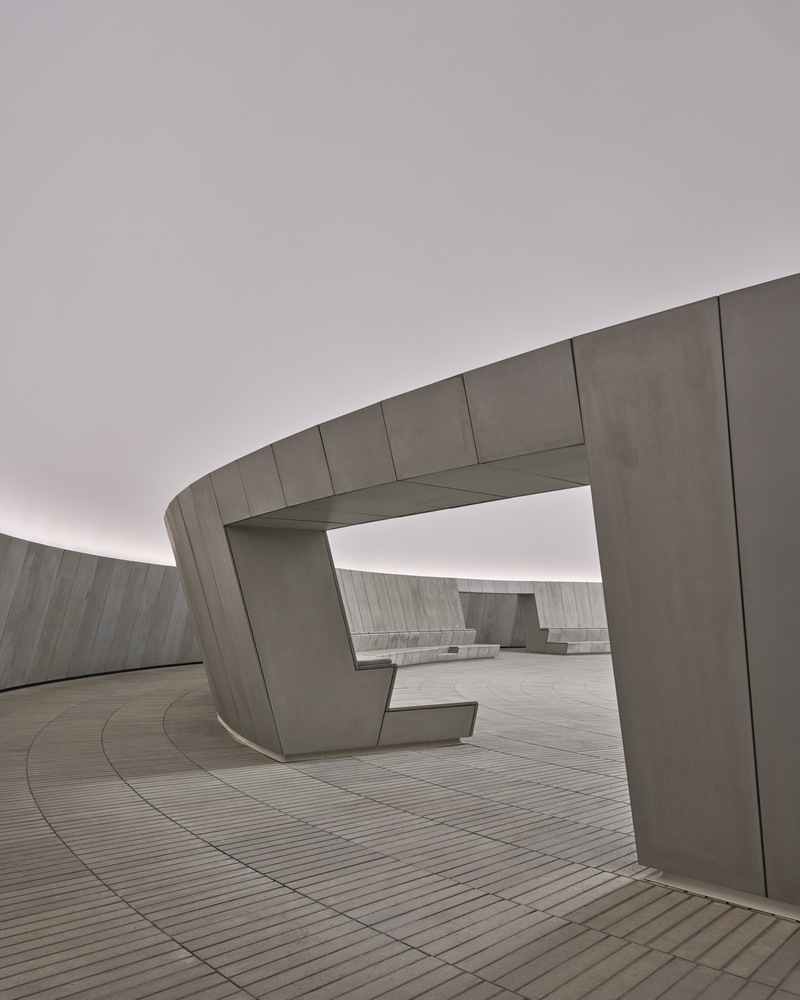
In this way, architecture becomes an essential part of the artwork, preparing visitors for a sensory experience unlike any other.
From the earliest workshops and sketches to the completed realisation, James Turrell, ARoS, and Schmidt Hammer Lassen have worked closely together to create a project in which art, architecture, and landscape are inseparably connected.
"It has been a truly unique process to work with James Turrell over so many years. From the outset, it was clear that the architecture should not simply house the artwork but become part of it.
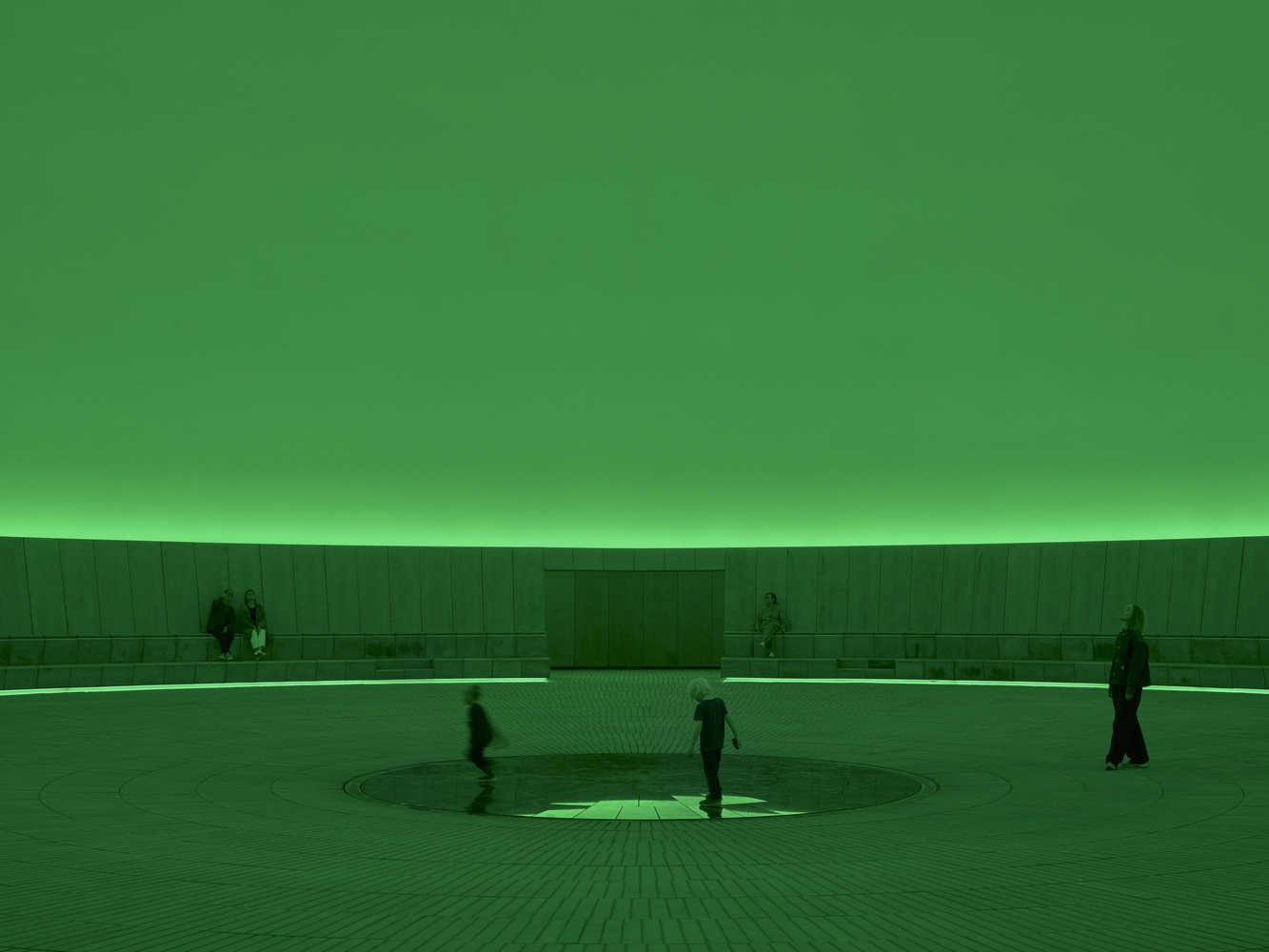
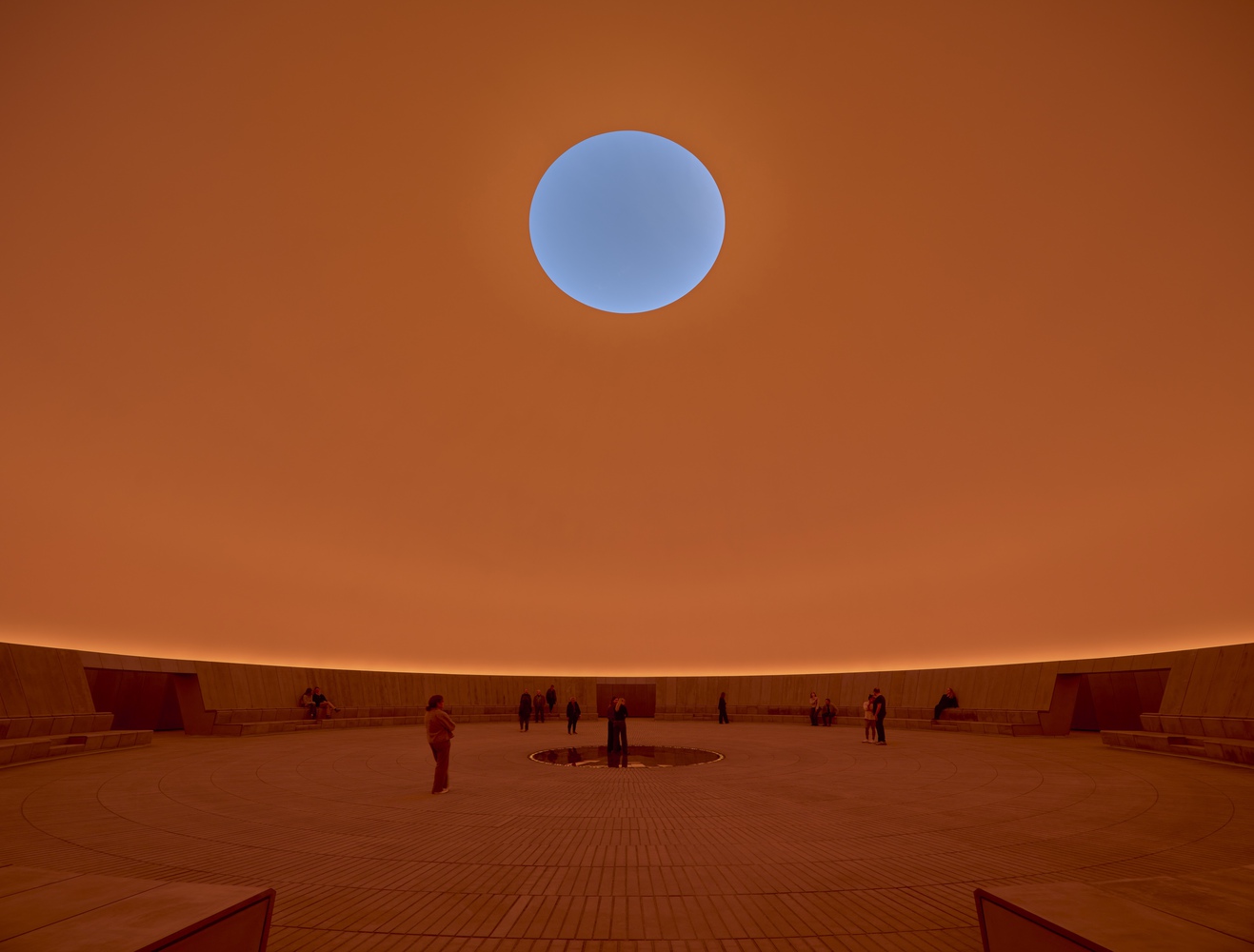
We developed the artwork and the architectural details in parallel through a long and intensive collaboration, refining everything from proportions and materials to light and movement.
The result is a place where it becomes difficult to distinguish where the artwork ends and the architecture begins," says Jette Birkeskov, Partner-in-Charge and Project Director at Schmidt Hammer Lassen, who, together with Morten Schmidt, has played a central role in the collaboration throughout the project's development.
DESIGNING THE IMPOSSIBLE
At the same time, As Seen Below, is the result of an ambitious innovation process involving significant technical complexity. As the largest Skyspace ever realised within a museum setting, the project required the development of a number of bespoke solutions.
Particularly demanding was achieving the extraordinary precision required for the dome's interior surface, as well as designing an advanced closure mechanism featuring a 100-square-metre movable building component that allows the opening to be closed, creating entirely different experiences of light and perception.
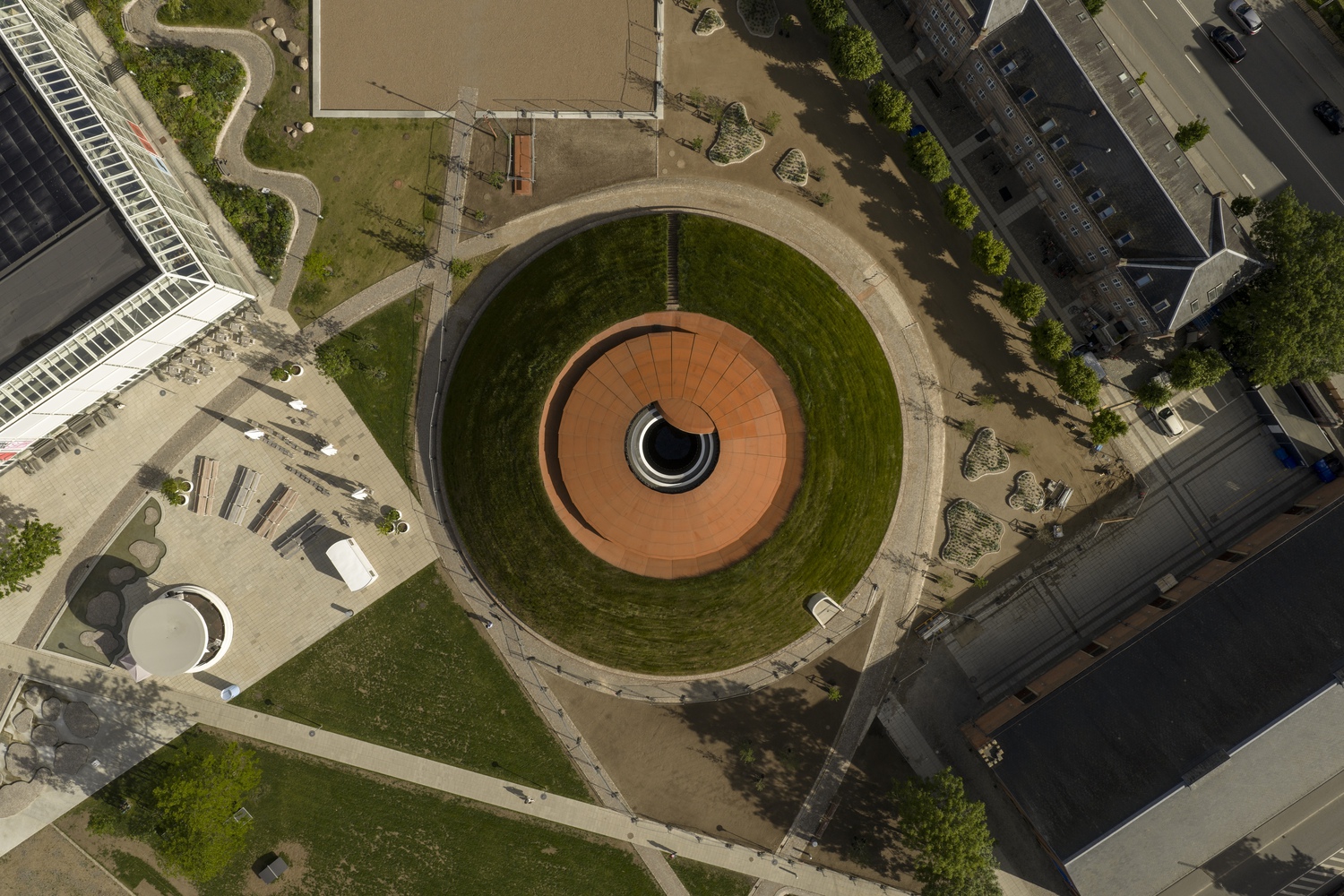
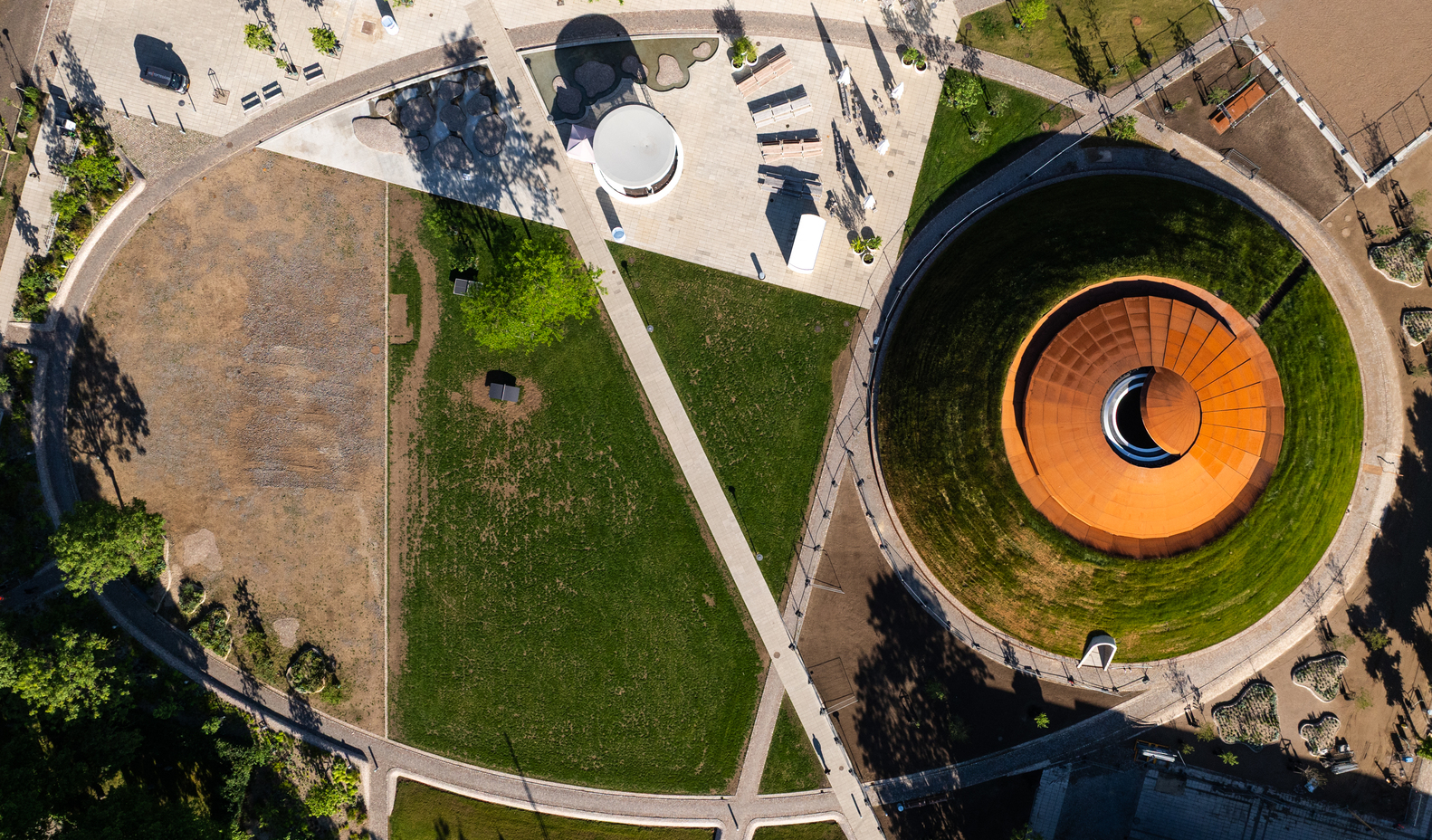
Security requirements also demanded innovative solutions to prevent access from the exterior of the dome within the park.
The result is a work in which artistic vision, architecture, and engineering merge into a single, seamless, and immersive experience.
Even the simple circular bench has been developed as an integral part of the artwork. It conceals technical installations and the numerous lighting fixtures used to illuminate the interior of the dome while embracing visitors within the space. Its gently inclined backrest naturally directs the gaze towards the opening above.
AN INSTITUTION IN MOTION
Together with the underground Salling Galleri and the new public urban space ARoS Art Square, As Seen Below completes The Next Level, a project realised through close collaboration between the City of Aarhus, ARoS, James Turrell, Schmidt Hammer Lassen, and a wide range of partners.
For Schmidt Hammer Lassen, the project marks a significant milestone in a relationship with ARoS that spans more than twenty years. When the architecture studio designed ARoS more than two decades ago, the ambition was to create a museum capable of evolving alongside art, the city, and its audiences.
From the opening of the museum in 2004 to the addition of Olafur Eliasson's Your Rainbow Panorama in 2011, and now with The Next Level and As Seen Below, architecture has played a defining role in shaping the museum's development and international profile.
In doing so, a powerful vision continues through new connections between art, architecture, and landscape, between city and museum, and between the subterranean and the celestial.
"This is a transformative moment for ARoS. With As Seen Below, we are not only presenting a landmark work by one of the most important artists of our time, but also creating a space that invites visitors to slow down and reconnect with the world around them," says Rebecca Matthews, Museum Director and CEO of ARoS.," says Rebecca Matthews, Museum Director and CEO of ARoS.
